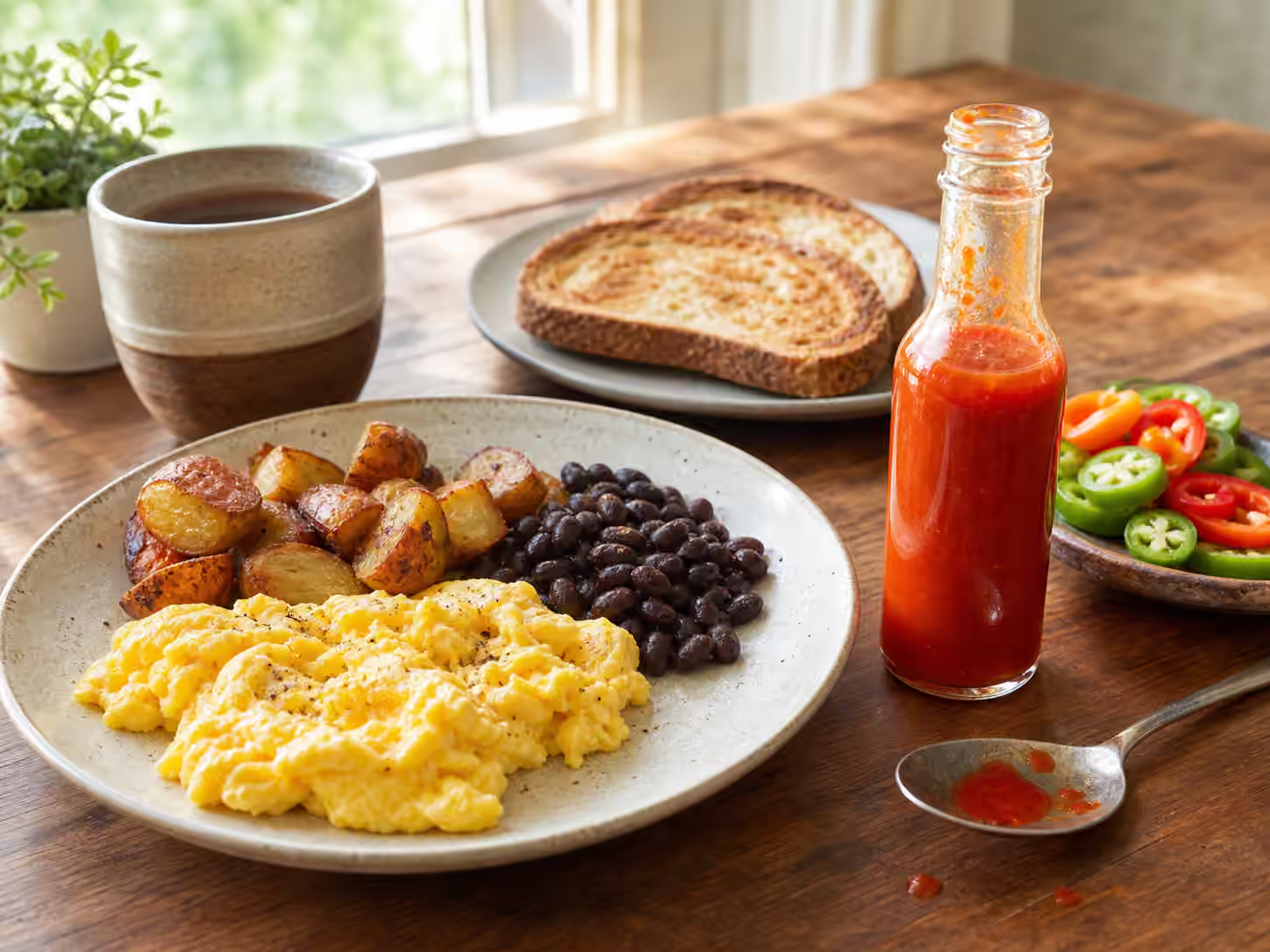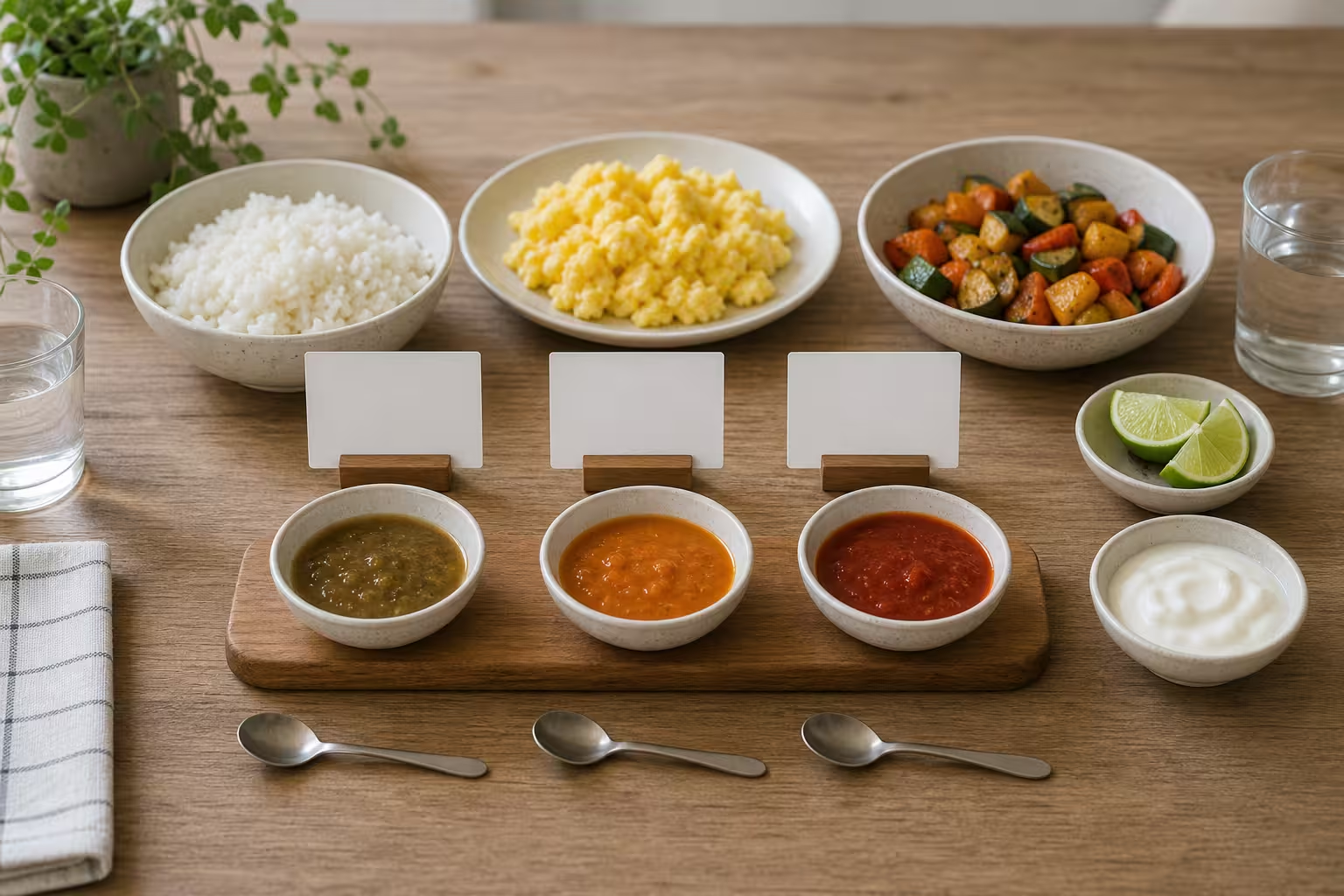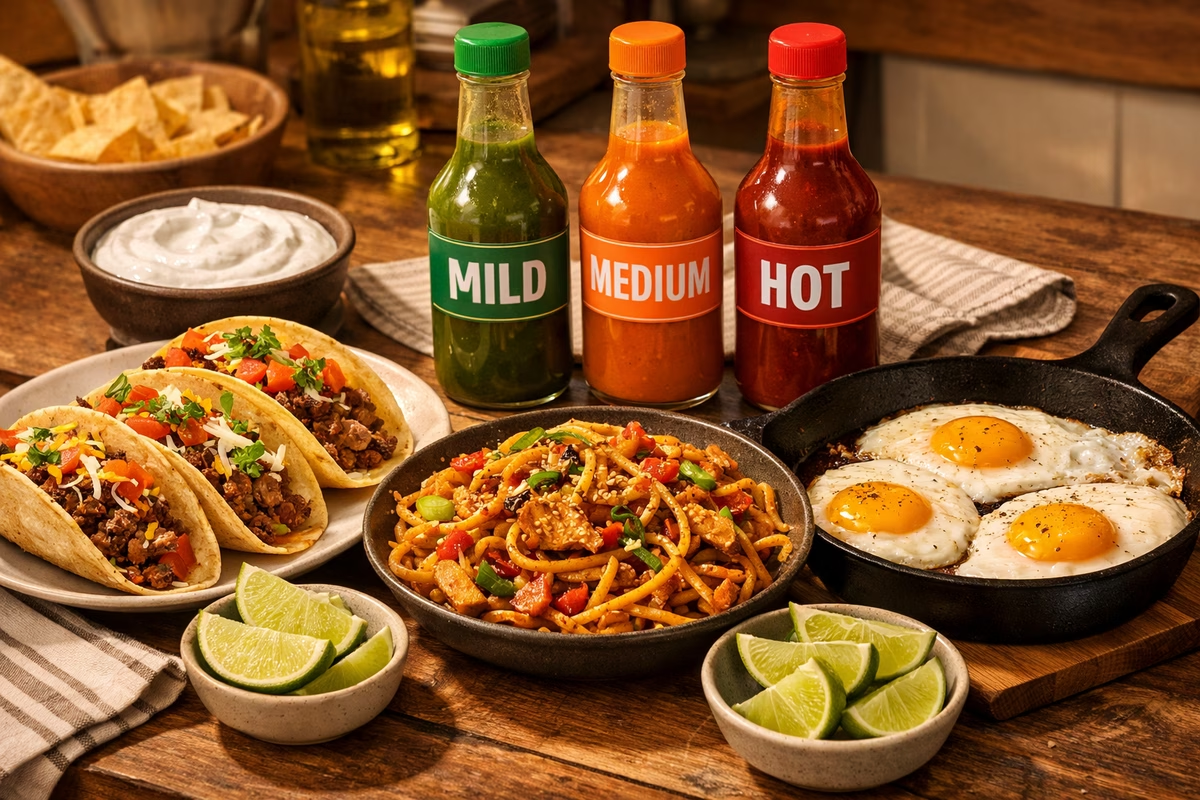
Dinner was almost ready when I made a simple mistake. I added one splash too many and skipped the test bite.
The food looked fine. It smelled right. Then I tasted it and knew it was too hot.
That taught me something useful. Heat problems are usually structure problems. You can fix most dishes if you treat hot sauce like an ingredient, not a dare.
This is the method I use now. It works when a dish is too hot, too sharp, or just unbalanced. It also gives you a small heat ladder for weeknight meals.
Scene one: rescue first
When a dish is too hot, do not reach for sugar or more acid first. Lower the concentration.
I split the food into two bowls, then stretched each portion with neutral volume:
- Rice, beans, potatoes, broth, or unsauced vegetables.
- A little fat, like yogurt, sour cream, mayo, butter, or avocado.
That usually turns the heat down enough to work with. Once the burn is under control, you can adjust the flavor.
Scene two: the three-rung heat ladder
After enough weeknight experiments, I stopped thinking in Scoville numbers and started thinking in roles. Three sauce styles cover most meals:
- Bright (green, citrusy, vinegar-forward): wakes up heavy food.
- Depth (smoky, roasted, savory): adds body to simple meals.
- Aromatic hot (fruity habanero or similar): adds lift and real heat.
The trick is sequence. Start lower than you want, then climb.
- First pass: add a bright sauce for clarity.
- Second pass: add depth if the dish feels thin.
- Third pass: add aromatic heat in drops, not pours.
This keeps each layer useful. You avoid the “everything tastes like one loud sauce” problem.
Scene three: timing beats toughness
I used to think spice tolerance was the skill. It is not. Timing is the skill.
If you add hot sauce early in cooking, heat integrates and softens. If you add it at the end, aroma pops and heat feels sharper.
On weeknights, I usually split the difference:
- Add a small amount early for baseline warmth.
- Finish with a brighter sauce at the table.
You get flavor depth without making dinner too hot.
Scene four: the table test
Before serving, run one quick test:
- Taste one bite with no extra sauce.
- Taste one bite with a bright sauce.
- Taste one bite with your hottest sauce.
Ask one question. Which bite makes me want another bite right away?
That is the target. The best hot sauce result is appetite, not endurance.
The weeknight rescue map
When something feels off, use this:
- Too hot: add neutral volume and fat.
- Too sharp or acidic: add body with fat, starch, or a little sweetness.
- Too flat: add a bright sauce or fresh acid.
- Too smoky or heavy: add brightness, not more smoke.
- Too sweet: add acid and a little salt. Do not add more heat first.
The part that feels human
The nice thing about this method is that it takes the pressure off. You stop trying to prove anything with heat and start cooking for people.
Now when I reach for sauce on a Wednesday night, I am not guessing. I am picking a rung on a ladder I already know.
Dinner just works.
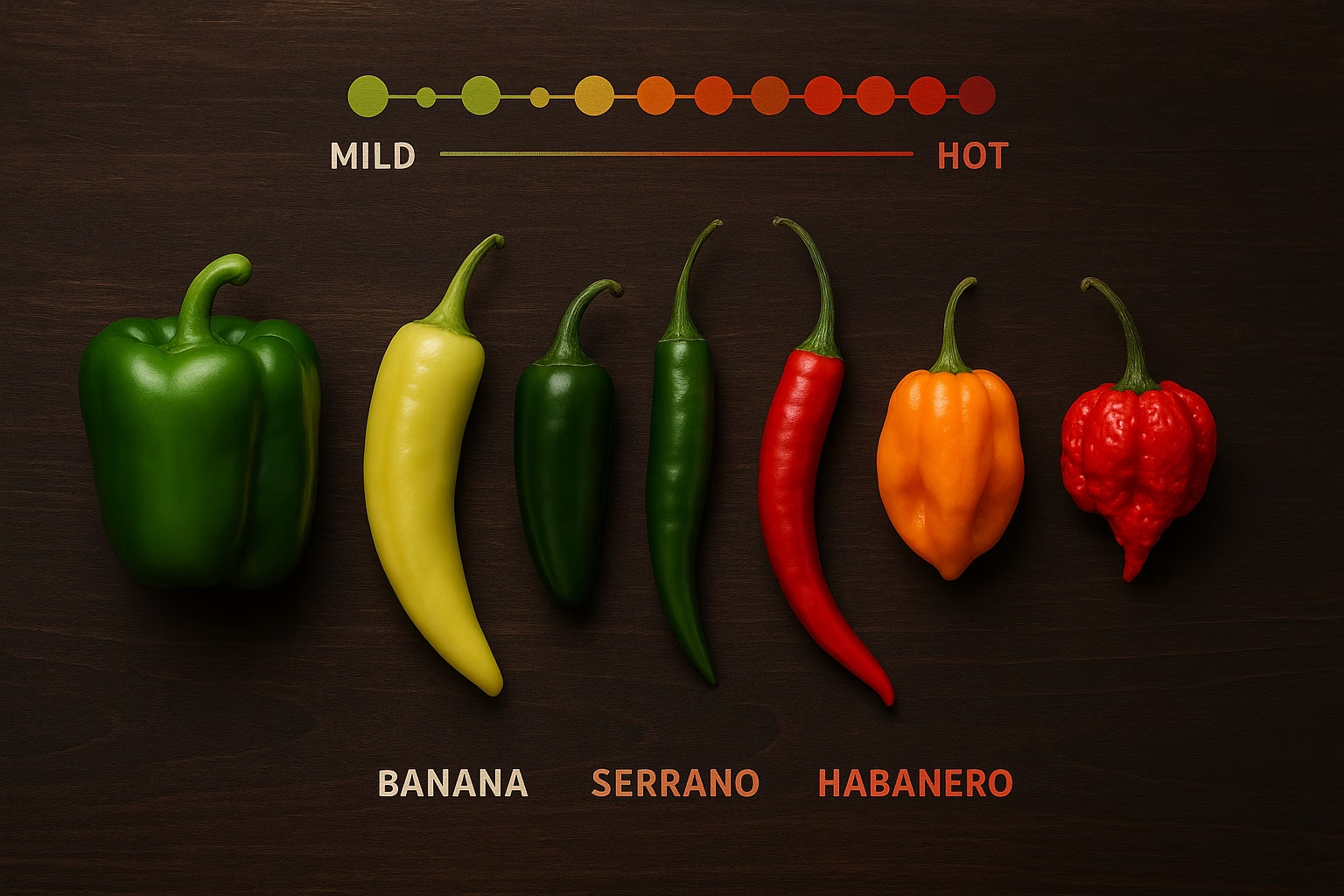
If you want pairings for specific foods, use Hot Sauce Pairing Guide . If you want to know why some sauces feel hotter than their SHU suggests, read Understanding the Scoville Scale .
Taste before turning up the heat
Hot sauce is more than force. For The Weeknight Heat Ladder (A Human Story About Not Ruining Dinner), the useful question is how heat, acid, salt, sweetness, fruit, smoke, fermentation, texture, and aroma work together. A sauce can be fiery and still feel flat if the rest of the structure is missing.
Start with a small taste on a neutral food. Notice when the heat arrives, where it sits, how long it lasts, and what flavor remains after the burn fades. Pepper character, vinegar snap, garlic, fruit, smoke, and salt should each have a place.
Then adjust only one thing. More acid can brighten but also thin the sauce. More salt can wake up flavor but quickly dominate. More sweetness can round heat but make the sauce heavy. More pepper can add character or simply overwhelm.
For fermented or preserved sauces, safety and process matter. Clean equipment, acidity, storage, pH when relevant, and spoilage signs are part of the craft. Flavor should not be separated from responsible handling.
The Weeknight Heat Ladder (A Human Story About Not Ruining Dinner) should help the sauce become more expressive, not just hotter. The best bottle makes food taste more alive.
Test heat in context
Once you’ve read the story, taste the sauce with food as well as from a spoon. Heat behaves differently on eggs, rice, beans, grilled meat, soup, tacos, and vegetables. A sauce that seems too sharp alone may become perfect with fat, starch, or smoke.
Write down where the heat lands. Does it hit fast and vanish, build slowly, sit on the lips, or warm the throat? Then notice what flavor remains. A useful hot sauce leaves more than a number on a heat scale.
If you are making sauce, adjust in small steps and keep safety practices visible. Acid, salt, fermentation, cooking, bottling, refrigeration, and pH when relevant are part of the craft.
The best heat has direction. It wakes up food, carries pepper character, and invites another bite instead of ending the conversation.