Dinner was almost ready when I made the classic weeknight mistake: one extra splash of sauce, no test bite, and immediate regret.
The pan looked gorgeous. The smell was exactly what I wanted. Then I tasted it and felt that unmistakable signal: this wasn’t “spicy and fun,” this was “everyone will stop talking and reach for water.”
That moment taught me a useful truth: heat problems are usually structure problems. You can rescue most dishes if you treat hot sauce like seasoning architecture instead of a dare.
This is the method I use now. It works when the dish is too hot, too sharp, or just unbalanced. It also helps you build a personal “heat ladder” so weeknight dinners stay confident instead of chaotic.
Scene one: rescue, not panic
When a dish is too hot, the first move is not to add sugar at random or dump in more acid. The first move is to lower concentration.
I split the food into two bowls, then stretched each portion with neutral volume:
- Rice, beans, potatoes, broth, or unsauced veg.
- A little fat: yogurt, sour cream, mayo, butter, or avocado.
That single decision turns “fire alarm” heat into readable flavor. Once the burn is under control, you can tune the dish intelligently.
Scene two: the three-rung heat ladder
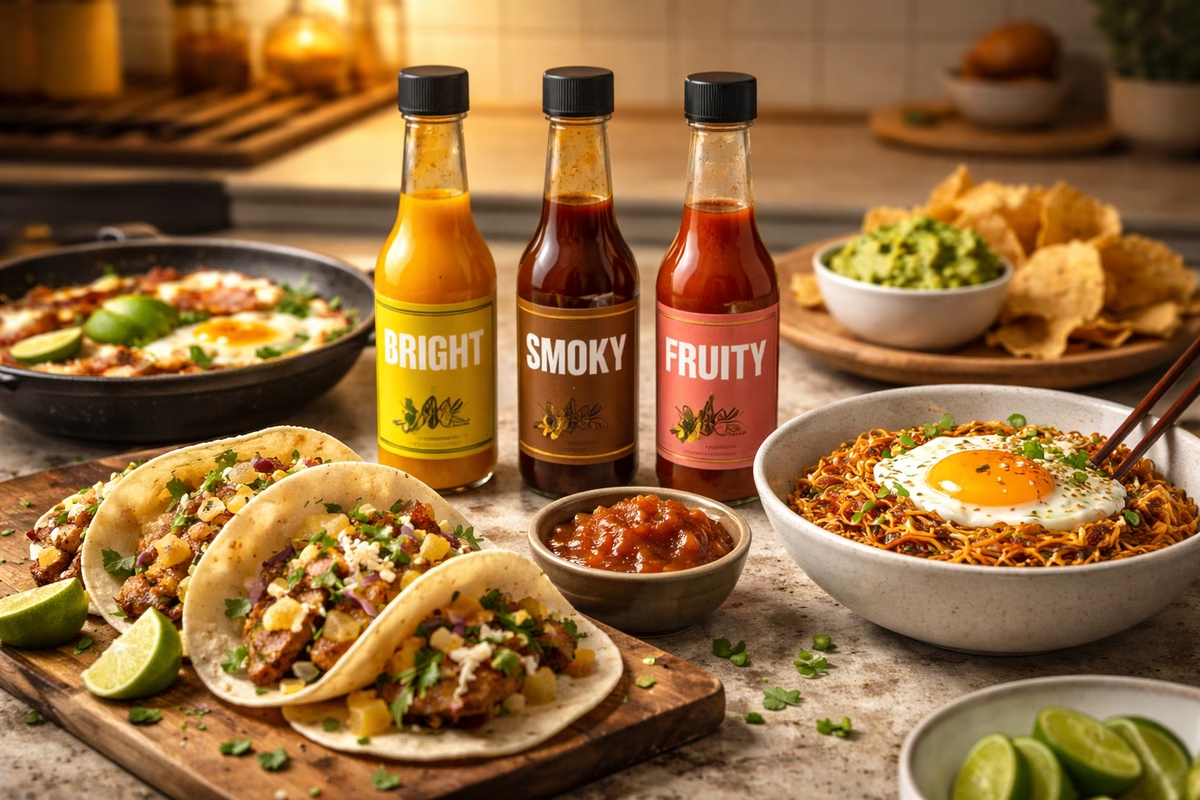
After enough weeknight experiments, I stopped thinking in Scoville numbers and started thinking in roles. Three sauce styles cover almost everything:
- Bright (green, citrusy, vinegar-forward): wakes up heavy food.
- Depth (smoky, roasted, savory): adds bass notes to simple meals.
- Aromatic hot (fruity habanero or similar): adds lift plus serious heat.
The trick is sequence. Start lower than your ego wants, then climb.
- First pass: add a bright sauce for clarity.
- Second pass: add depth if the dish feels thin.
- Third pass: add aromatic heat in drops, not pours.
This keeps each layer doing a job. You avoid the “everything tastes like one loud sauce” problem.
Scene three: timing beats toughness
I used to think “spice tolerance” was the skill. It isn’t. Timing is the skill.
If you add hot sauce early in cooking, heat integrates and softens.
If you add it at the end, aroma pops and heat feels sharper.
On weeknights, I usually split the difference:
- Add a small amount early for baseline warmth.
- Finish with a lighter, brighter sauce at the table.
You get flavor depth without punishing anyone at dinner.
Scene four: the table test
Before serving, run one fast test:
- Taste one bite with no extra sauce.
- Taste one bite with a bright sauce.
- Taste one bite with your hottest sauce.
Ask one practical question: Which bite makes me want a second bite immediately?
That’s your target. The best hot sauce outcome is appetite, not endurance.
The weeknight rescue map
When something feels off, use this:
- Too hot: dilute with neutral volume + fat.
- Too sharp/acidic: add body (fat, starch, or a little sweetness).
- Too flat: add a bright sauce or fresh acid.
- Too smoky/heavy: add brightness, not more smoke.
- Too sweet: add acid and a little salt; avoid piling on heat first.
The part that feels human
The nice thing about this method is emotional as much as culinary. It removes the tiny embarrassment of “I overshot it again.” You stop performing for heat and start cooking for people.
Now when I reach for sauce on a Wednesday night, I’m not gambling. I’m choosing a rung on a ladder I already trust.
And dinner tastes like intention.
If you want structured pairings for specific foods, use Hot Sauce Pairing Guide next. If you want to understand why some sauces feel hotter than their SHU suggests, read Understanding the Scoville Scale.