Vinegar and Acid Balance in Hot Sauce
Acid is the part of hot sauce that makes heat useful. Peppers bring burn, aroma, color, and personality, but acid decides whether those qualities land as seasoning or just noise. A sauce with too little acidity can taste heavy, dull, or muddy, even if the peppers are excellent. A sauce with too much acidity can feel thin and sharp, leaving the mouth tired before the pepper flavor has a chance to open. Good acid balance sits between those failures. It gives the sauce lift, keeps the flavor clean, and helps the bottle behave like an ingredient instead of a dare.
This is one reason many classic hot sauces are so simple. Peppers, vinegar, and salt can be enough because each ingredient has a clear job. Peppers provide the main voice. Vinegar carries that voice across the food. Salt brings it into focus. When those three are in proportion, a sauce can taste complete without fruit, garlic, smoke, spices, or sweeteners. When they are out of proportion, extra ingredients often make the problem harder to diagnose.
If you are still building a first batch, start with Making Your Own Hot Sauce for the broad methods. This guide is about the adjustment layer: how to choose the acid, how to add it, and how to read what the sauce is asking for once it is blended.
What Acid Actually Does
Acid brightens food because it changes contrast. Fried chicken tastes richer without a sharp sauce nearby. Beans taste heavier. Eggs taste flatter. A thin cayenne-vinegar sauce works on those foods because it cuts through fat and starch, then disappears quickly enough to invite another bite. That same sauce can feel harsh on delicate fish or a fresh tomato salad because the dish already has plenty of lift. Acid is not automatically good. It is good when it answers the food.
In the bottle, acid also changes the way heat is perceived. Vinegar can make a chile burn feel quicker and more pointed. Citrus often makes green peppers feel fresher and more aromatic. Fermented lactic acidity tends to feel rounder and deeper, with less of the immediate bite people associate with white vinegar. None of these acids is better in every sauce. They shape different styles.
Acid affects texture too. It thins a sauce without making it taste watered down, which is why a stiff pepper mash can become pourable with a measured vinegar finish. It can also make a sauce feel lean if you use it as the only thinning liquid. If a sauce tastes bright but seems watery, the answer may be more pepper solids, cooked carrot, roasted pepper, or partial straining rather than even more vinegar. The texture side of that decision is covered more deeply in Hot Sauce Texture and Body .
Choosing The Right Vinegar
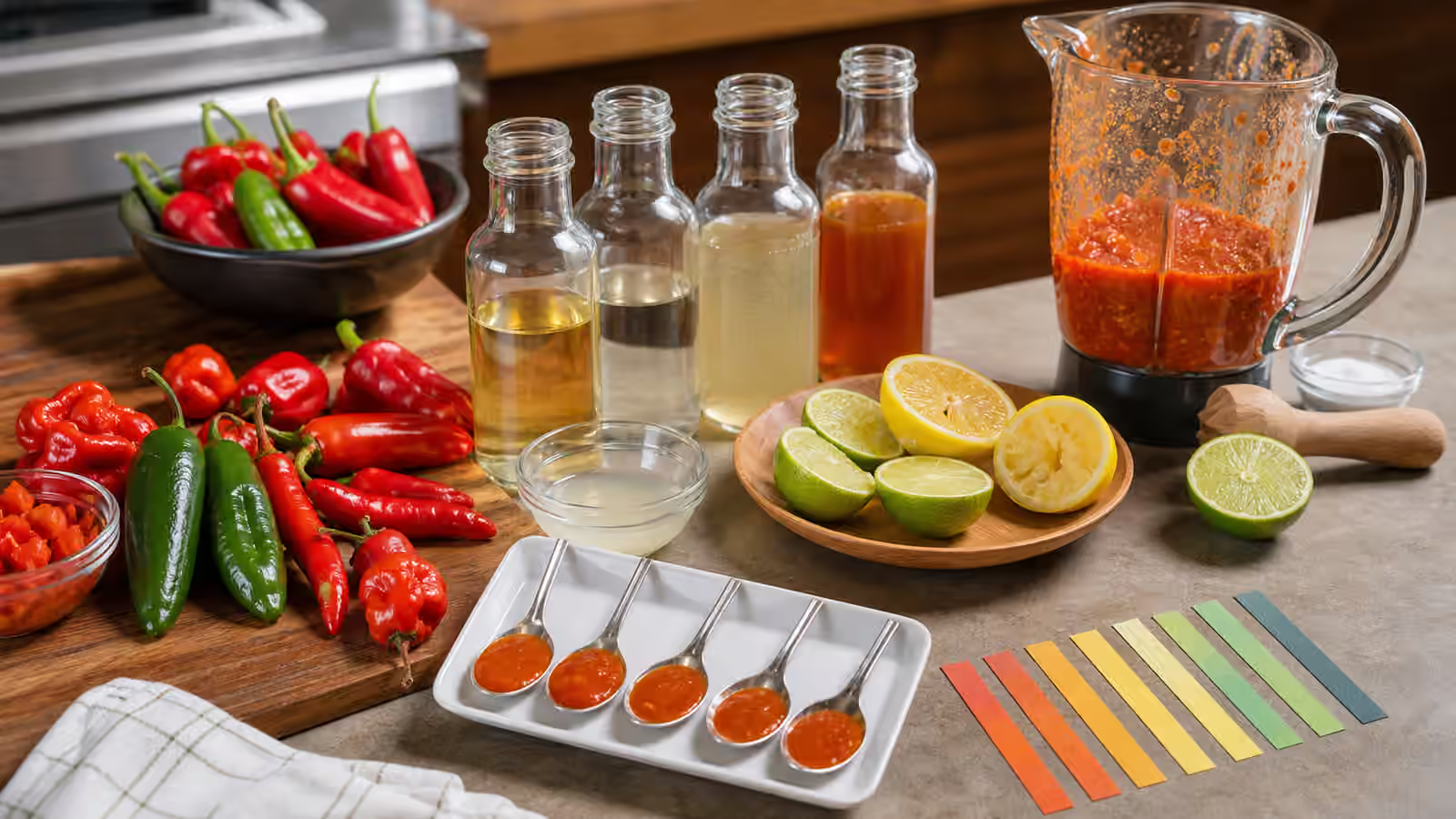
White distilled vinegar is the cleanest choice. It brings direct acidity without much flavor of its own, so it is useful when the pepper should remain the main event. Cayenne, fresno, jalapeno, serrano, and many Louisiana-style sauces all work well with it. The risk is plainness. If the sauce has no other aromatic support, white vinegar can make the blend taste severe, especially before it rests.
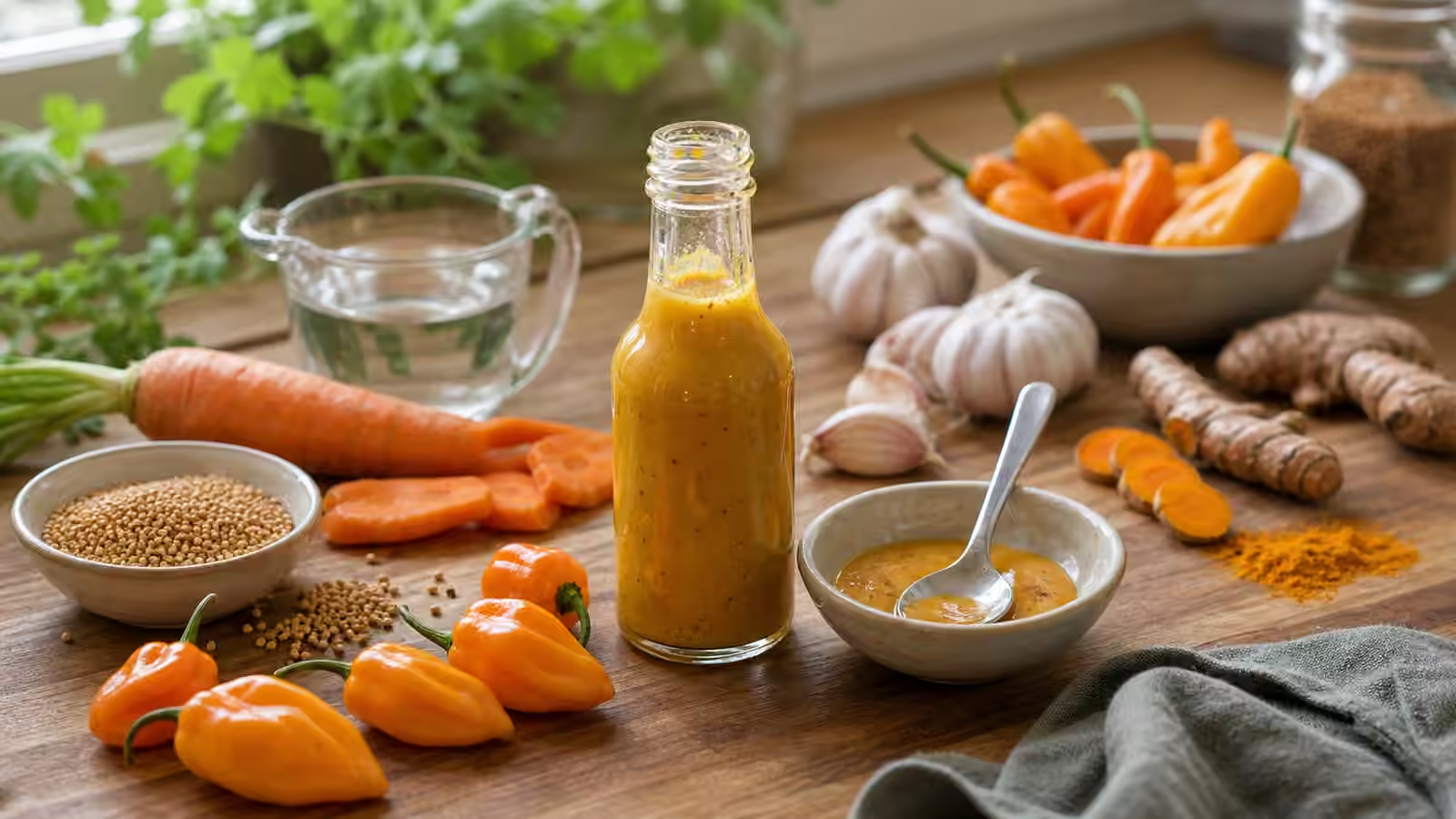
Apple cider vinegar is softer and fruitier. It works beautifully with habanero, Scotch bonnet, carrot, peach, mango, roasted onion, and warm spices because it reinforces sweetness without turning the sauce into dessert. Its flavor is noticeable, though. In a very clean green sauce, apple cider vinegar can pull the profile toward orchard fruit when you may want lime, herbs, and pepper snap instead.
Rice vinegar is lighter and less assertive. It is a good match for green sauces, ginger, garlic, cucumber, herbs, seafood pairings, and sauces meant for noodles or rice bowls. It can make a hot sauce feel agile rather than heavy. Because it is gentle, a rice vinegar sauce may need a firm hand with salt or a small amount of sharper acid if the finished bottle tastes polite.
Wine vinegars sit between food and condiment. Red wine vinegar can support roasted red peppers, tomato, garlic, ancho, and smoky blends. White wine vinegar can sharpen green or yellow sauces without the industrial edge that some people taste in distilled vinegar. Sherry vinegar is deeper and nuttier, useful in small amounts when roasted peppers, almonds, garlic, or grilled vegetables are part of the flavor idea. These vinegars can be excellent, but they bring their own voice. Use them when that voice belongs in the sauce.
Citrus Is Flavor First
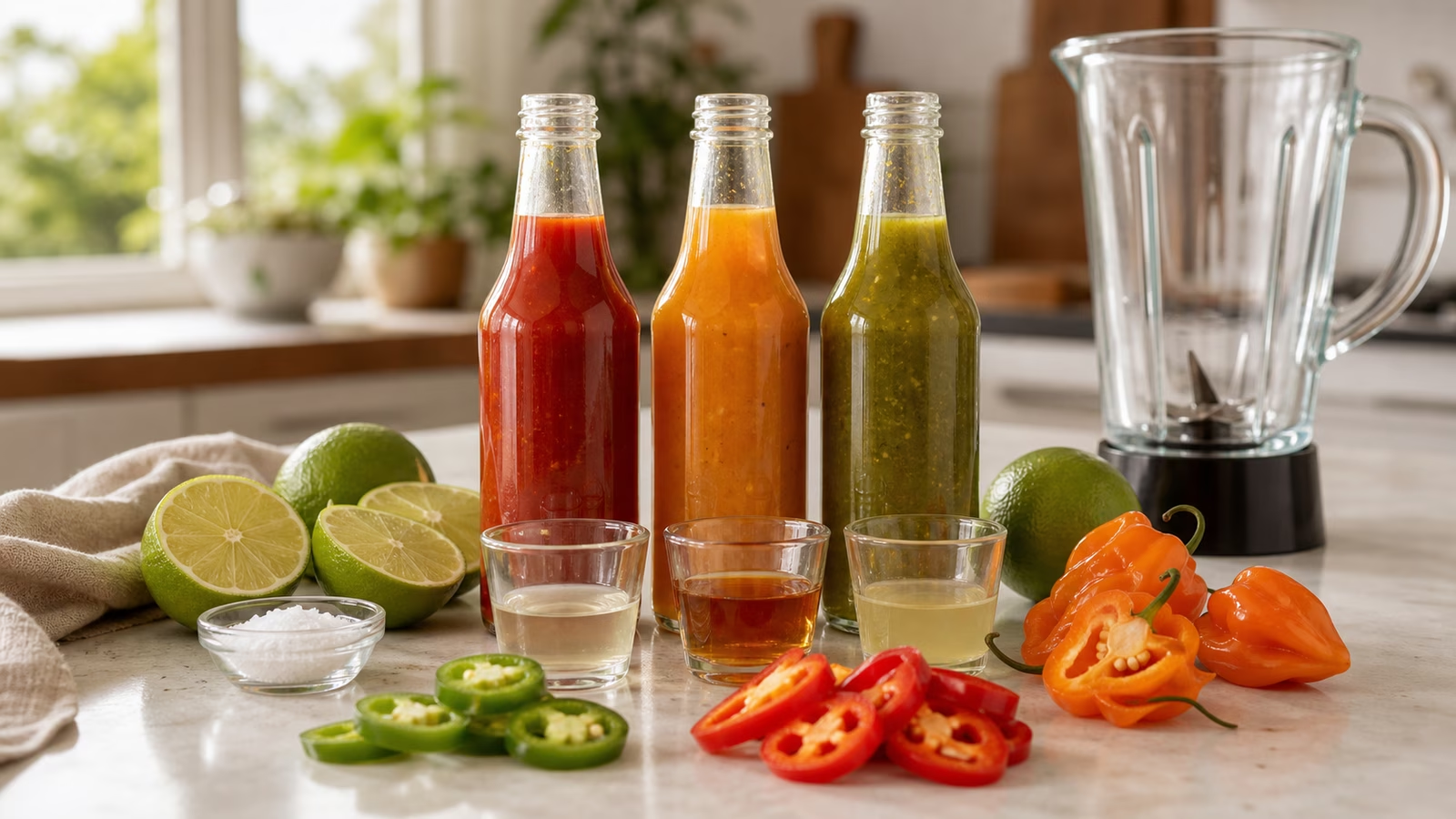
Lime and lemon are tempting because they taste vivid immediately. A splash of lime can make jalapeno sauce feel alive. Lemon can brighten a yellow pepper sauce with garlic or herbs. Grapefruit, yuzu-style citrus, or orange can make aromatic chiles feel perfumed. The caution is that citrus is best treated as flavor first, not as the only structure for storage. Fresh citrus aroma fades faster than vinegar, and its acidity can vary. For a sauce you plan to keep, vinegar or a tested fermentation usually gives a more predictable backbone, while citrus adds top notes at the end.
This is especially true in fresh green sauces. Lime juice can make cilantro, scallion, serrano, and jalapeno taste crisp, but the same sauce may lose its high notes after a few days. That is not a failure. It is the nature of fresh aromatics. Make smaller batches, refrigerate them, and let the sauce be quick and bright rather than forcing it to behave like a long-storage bottle. For broader storage habits and pH thinking, keep Hot Sauce Storage and Safety close by.
Fermented Acidity Feels Different
Fermented hot sauce builds acidity from lactic fermentation rather than from pouring vinegar into the blender at the start. The result is often less sharp and more savory. A fermented fresno sauce may taste round even when it is clearly tangy. A fermented habanero sauce may keep its floral heat while gaining depth underneath. This kind of acidity can make a sauce feel integrated with food because the sourness is tied to the pepper itself.
That does not mean vinegar has no place in fermented sauce. A small vinegar finish can lift a ferment that tastes deep but sleepy. It can also make the texture more pourable. The key is restraint. If the ferment already has a beautiful lactic tang, adding a lot of vinegar can erase the very quality you waited for. Taste the fermented mash first, then add vinegar in small increments and give each addition time to settle before judging it.
For a deeper look at salt, time, and pepper choice in this style, read Fermentation Flavor Design . Acid balance in a ferment begins before blending day, because salt level, temperature, and fermentation length all shape how sour, savory, and aromatic the final sauce becomes.
Add Acid Like A Cook
The most reliable way to balance acid is to add less than you think, blend completely, rest briefly, then taste again. Hot sauce changes after blending because salt dissolves, pepper particles hydrate, air bubbles settle, and raw garlic or fresh chile aroma moves around. A sauce that seems perfect in the blender can taste sharper after an hour. A sauce that seems flat at first can wake up once the salt has fully dispersed.
Taste on food, not only on a spoon. A spoon exaggerates heat, acid, and salt. Plain rice, a tortilla, scrambled egg, a potato, or a piece of grilled chicken will show whether the sauce actually seasons. If the sauce tastes exciting on a spoon but disappears on food, it may need salt or a cleaner acid line. If it tastes powerful on a spoon and punishing on food, it may need body, sweetness, or dilution with more pepper solids rather than more vinegar.
When adjusting, change one thing at a time. More vinegar adds brightness and thins the sauce. More salt makes pepper flavor clearer and can make acidity feel less sour. A little sweetness can soften a sharp collision between heat and acid, but too much sweetness turns a table sauce into a glaze. More cooked vegetable or pepper flesh adds body and can make acid feel less exposed. These are different fixes, even though they can all make a sauce seem better for a moment.
Reading Common Acid Problems
A sauce that tastes flat usually needs salt first, then acid. This order matters. Under-salted sauce often tastes dull in a way that people mistake for low acidity. Add vinegar before correcting salt and you may end up with a sauce that is both sour and still somehow lifeless. A small salt adjustment can make existing acidity snap into place.
A sauce that tastes sour but empty usually has too much acid for its solids. It may need more pepper flesh, roasted carrot, tomato, onion, or fermented mash. It may also need a rest. Sharp sauces often calm down after a night in the refrigerator, especially when raw garlic, onion, or very hot peppers are involved.
A sauce that tastes hot but not flavorful may be missing acid, but it may also be using the wrong acid. White vinegar can brighten a cayenne sauce beautifully and still make a smoky chipotle sauce seem blunt. Lime can flatter green peppers and make a roasted red sauce taste oddly thin. Apple cider vinegar can round habanero and make a delicate herb sauce taste heavier than intended. When the acid is technically present but the sauce still feels wrong, ask whether the acid belongs to the style.
Match Acid To The Table
Thin vinegar sauces are best when the food needs cutting power. Fried food, rich eggs, pork, beans, greens, creamy dishes, and soups all benefit from a bright splash. Fruitier acids and softer vinegars work when the sauce should round the bite as much as sharpen it, which is why habanero with mango, carrot, peach, or apple cider vinegar can be so satisfying on grilled chicken or pork. Fermented acidity shines when the dish needs savory depth: rice bowls, sandwiches, noodles, roasted vegetables, and simple beans.
The Sauce Pairing Guide is useful here because acid is often the hidden reason a pairing works. When a sauce cuts fat, wakes up starch, or gives a grilled dish a cleaner finish, acid is doing the work. Heat gets the attention, but acid decides whether people keep reaching for the bottle.
The Bottle Should Have A Point Of View
Good acid balance is not a fixed number on a recipe card. It is a relationship between pepper, texture, salt, sweetness, storage plan, and food. A sharp table sauce should be sharp on purpose. A fermented sauce should not be drowned until it tastes like every vinegar bottle on the shelf. A citrus green sauce should be allowed to taste fresh and temporary. A roasted pepper sauce should have enough brightness to avoid heaviness without losing its deeper body.
The practical habit is simple: choose an acid that fits the sauce, add it gradually, taste with food, and stop when the pepper becomes clearer. The best hot sauces do not taste like vinegar with heat added. They taste like peppers made more vivid by the right kind of sourness.