Using Frozen Peppers in Hot Sauce
Frozen peppers are not a compromise when they are handled well. They are a way to make sauce on your own schedule, save a garden harvest, buy seasonal chiles without rushing, and build batches from peppers that ripened weeks apart. The texture changes after freezing, but hot sauce already asks the blender, pot, fermenting jar, or strainer to transform pepper flesh. The trick is knowing what freezing helps, what it weakens, and how to design around it.
This topic connects naturally to Growing Your Own Peppers because gardens rarely ripen according to a recipe. It also connects to Small-Batch Testing Before Scaling Hot Sauce because frozen peppers make it easier to repeat a promising batch after the fresh market has moved on.
Freeze Peppers While They Still Taste Good
The freezer preserves quality better than it rescues it. Peppers should go in ripe, clean, and sound. Soft spots, mold, old stems, and tired skins do not improve in cold storage. Wash and dry the peppers well. Excess surface water becomes ice, and ice can make the thawed peppers wetter than they need to be. Remove stems before freezing if you know the peppers will go straight into sauce later.
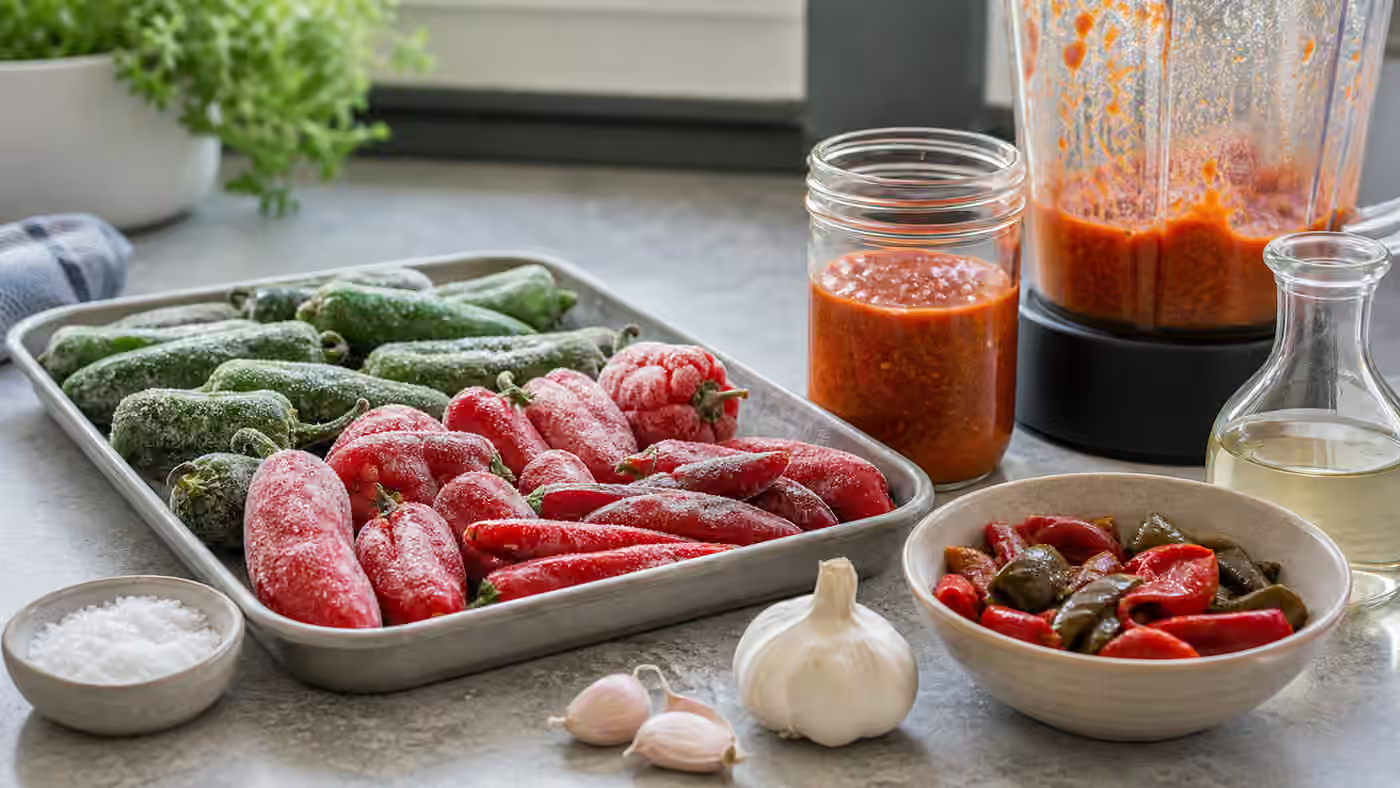
Whole peppers are easy, but halved or chopped peppers are more practical for many batches. Smaller pieces thaw faster, pack better, and let you remove seeds or damaged sections before freezing. If you want maximum flexibility, freeze cleaned peppers on a tray first, then move them into a freezer container once firm. That keeps them from turning into one solid block.
Keep varieties separate when possible. A bag labeled only by memory is not useful three months later. If you are avoiding readable labels in images, that is an image rule, not a kitchen rule. In the actual freezer, note the variety, date, and whether the peppers were stemmed, seeded, roasted, or raw. Future sauce depends on those details.
Expect Softer Texture After Thawing
Freezing breaks some cell structure. When peppers thaw, they release liquid and feel softer than fresh peppers. That is not a problem for cooked sauce, fermented mash, or a smooth blender sauce. It can even help the sauce come together faster. It is less ideal for chunky fresh sauces where crisp pepper texture matters.
Do not discard thawing liquid automatically. It contains pepper flavor, heat, and color. Taste it. If it is clean and aromatic, it can go into the blender. If it tastes stale, watery, or freezer-burned, use less of it and build liquid with vinegar or fresh ingredients. The difference between a good frozen-pepper sauce and a flat one often comes from paying attention to that liquid.
Frozen peppers can make sauces thinner because they release water quickly. Blend with less added liquid at first. Add vinegar, brine, citrus, or water only after the peppers have fully broken down. If you follow a fresh pepper recipe without adjusting, the final sauce may pour too fast and taste underseasoned.
Use Frozen Peppers In Cooked Sauces
Cooked hot sauce is the easiest home for frozen peppers. The soft texture does not matter because the peppers are going to soften anyway. A gentle simmer can drive off some excess water, concentrate the pepper flavor, and make garlic or onion taste rounder. Cooked Hot Sauce is a useful companion when you are deciding how much heat to apply.
Add frozen peppers directly to the pot if the pieces are small and clean. For larger whole peppers, thaw enough to stem and inspect them first. If ice has formed inside the bag, account for that extra water. Start with less liquid than usual and let the pot tell you what it needs. The sauce should simmer, not swim.
Color can be excellent if the peppers were frozen at peak ripeness. Red peppers often stay vivid. Green peppers can darken slightly after cooking, especially with long heat or too much exposure to air. If color matters, cook gently, blend promptly, and avoid unnecessary browning. Hot Sauce Color Control explains why the cooking method and acid choice both change the final look.
Fermenting Frozen Peppers Takes Care
Frozen peppers can be fermented, but they behave differently from fresh whole peppers. Because freezing softens the flesh, a mash ferment often makes more sense than a brine ferment with large pieces. The peppers release liquid quickly, pack densely, and can trap air if they are not mixed and pressed carefully. Weigh the thawed peppers and their liquid together when calculating salt for a mash.
The bigger question is microbial activity. Fresh peppers bring surface microbes into the jar. Freezing may reduce some activity, though it does not sterilize the peppers. Many makers ferment frozen peppers successfully, but a sluggish ferment may need patience, good salt measurement, and perhaps a small portion of fresh pepper to help the process along. Keep solids submerged, keep tools clean, and judge the jar by aroma, activity, and safety cues rather than wishful thinking.
If you are new to fermentation, start with a small batch. Pepper Mash vs. Brine Fermentation will help you choose the structure, and Fermentation Troubleshooting is the right page when a jar stalls, forms surface film, or smells wrong. Frozen peppers are useful, but they do not excuse careless fermentation.
Restore Freshness At The Finish
A frozen-pepper sauce can taste excellent and still miss the snap of fresh pepper aroma. The fix is usually not more heat. It may need a small fresh addition at the end: a fresh pepper, citrus zest, a little lime juice, a small amount of raw garlic, or fresh herb. Use these additions carefully because they change storage expectations. A cooked frozen-pepper base with fresh finish should usually be treated as a refrigerated sauce unless a tested preservation method says otherwise.
Salt and acid often need more attention than usual. Thawed peppers can taste slightly diluted because water releases so quickly. Salt brings the pepper back into focus. Vinegar or citrus gives shape. Sweetness should be added only after those two are correct. A watery sauce that is sweetened too early becomes flat and sticky, not balanced.
Frozen peppers let you make better use of abundance. They turn a scattered harvest into a planned batch and give you time to think before blending. Handle them cleanly, protect them from freezer burn, taste the thawing liquid, and design texture around their softness. The result can taste seasonal long after the plants are gone, which is one of the quiet pleasures of making hot sauce at home.