Tomato-Based Hot Sauce
Tomato can make hot sauce taste generous. It gives body, sweetness, acidity, red color, and a savory softness that helps chile heat feel like part of a meal. Used well, tomato turns a sharp pepper blend into a sauce that belongs on eggs, pizza, beans, grilled vegetables, rice, meatloaf, roasted potatoes, and sandwiches. Used carelessly, it makes the batch taste like watery salsa or spicy tomato soup.
The difference is intention. Tomato should support the pepper, not replace it. A tomato-based hot sauce still needs a clear chile identity, enough acid to stay bright, enough salt to season food, and a texture that fits the bottle or jar. If tomato is added only because a pepper sauce feels too hot, the result often tastes diluted. If it is added because the sauce wants roundness and body, it can be excellent.
Choose The Tomato Form Before The Pepper
Fresh ripe tomatoes taste bright and juicy, but they carry a lot of water. They are best when you want a lighter sauce and plan to cook or reduce gently. Cherry tomatoes bring more sweetness and skin, which can be good after roasting but may need a longer blend. Roma or paste tomatoes give more flesh and less water. Canned tomatoes can work in cooked sauces, but use plain unsweetened tomatoes and avoid turning the sauce into marinara.
Roasting changes tomato’s role. Raw tomato can feel thin beside chiles. Roasted tomato becomes sweeter, deeper, and more concentrated. A tray of tomatoes, onion, garlic, and red peppers roasted until softened can become a strong base for a medium-bodied hot sauce. The char should be controlled. A few browned edges add depth. Burned skins can bring bitterness, especially once vinegar sharpens everything.
This is where Roasting Peppers for Hot Sauce matters. Roasting is not just a flavor trick. It changes water content, sweetness, texture, and color. Tomato magnifies those changes because it collapses quickly and releases juice. Keep the roast flavorful, not scorched.
Let The Chile Lead
Tomato pairs with many peppers, but each pairing makes a different sauce. Fresno and cayenne keep the bottle bright and red. Jalapeno makes a softer everyday sauce if you do not mind a muddier color. Serrano gives a greener, sharper edge. Habanero adds fruit and heat, but too much can make the tomato taste like background filler. Dried chiles such as guajillo, ancho, and arbol can make tomato-based sauce taste deeper and more structured.
Think in proportions. If the sauce is mostly tomato with a little chile, it will taste like spicy tomato sauce. If it is mostly chile with enough tomato to round the texture, it will taste like hot sauce. A useful starting point is to make peppers and tomatoes feel like partners, then adjust after blending. The exact ratio depends on pepper heat, tomato water content, and the intended use.
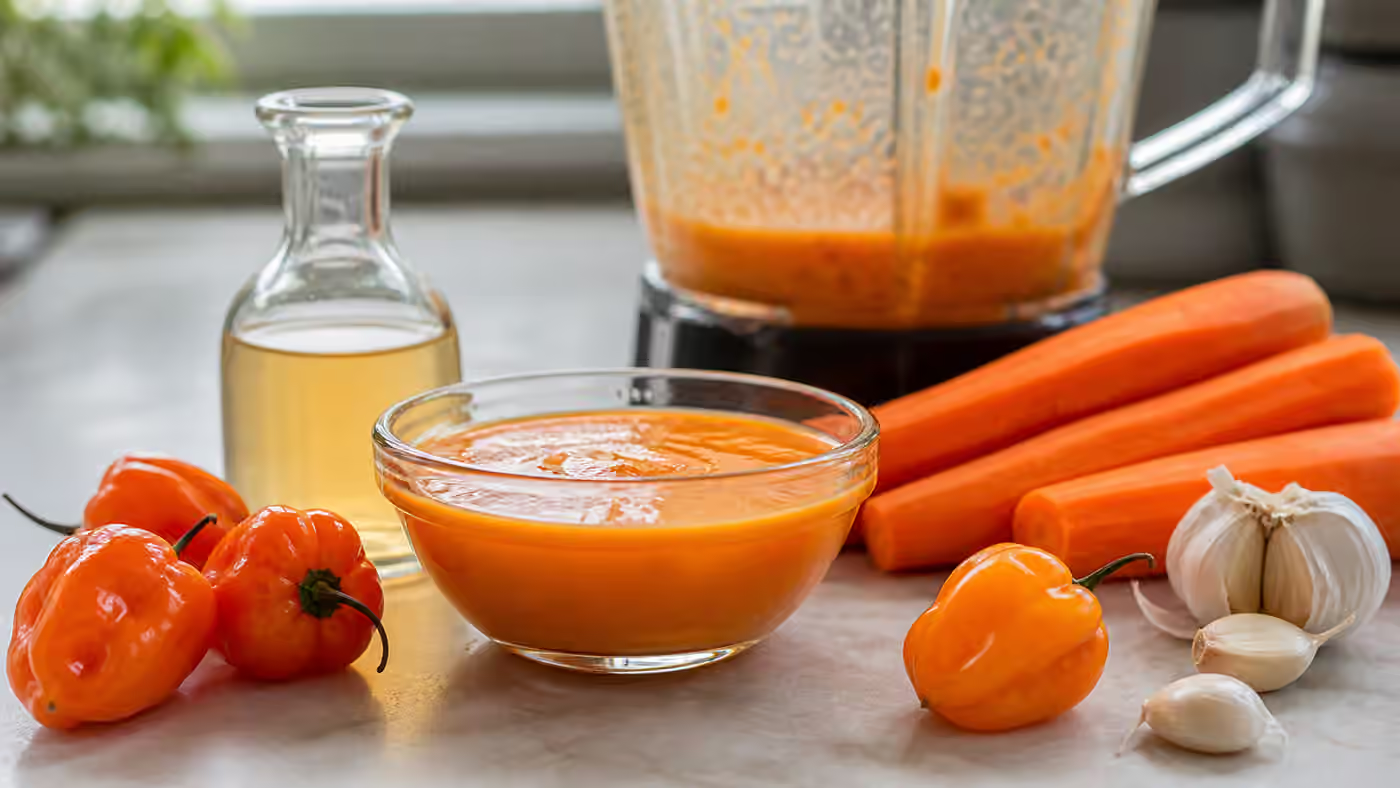
For a sauce that stays table-friendly, combine one clear heat pepper with one body ingredient. Fresno with roasted tomato. Cayenne with tomato and onion. Habanero with tomato and carrot. Guajillo with tomato and garlic. Too many peppers and too many vegetables can make the sauce taste crowded. Small-Batch Testing Before Scaling Hot Sauce is the safest way to find the balance before committing a large tray of produce.
Acid Keeps Tomato From Going Flat
Tomatoes already have acidity, but not always the kind hot sauce needs. Their acidity is round and food-like. Vinegar is sharper and more clarifying. Citrus can be vivid but less stable in flavor over time. Fermented brine can add salt and tang together. The trick is adding enough high-note acid that the sauce wakes up without losing tomato’s body.
Taste after blending, then again after a short rest. Tomato can make a sauce seem balanced while warm and then taste dull once chilled. If the sauce feels heavy, add vinegar in small increments. If it tastes sour but still flat, salt may be low. If it tastes bright but thin, more roasted tomato or pepper flesh may help. Adjusting Hot Sauce After Blending is especially useful because tomato sauces often need final tuning after the bubbles settle.
Avoid using sugar as the first correction. Tomato already brings sweetness, especially after roasting. A pinch can help a sharp batch, but too much makes the sauce taste like ketchup with heat. If you want sweetness and body, roasted carrot, onion, or red pepper may fit the flavor better.
Texture Decides Bottle Or Spoon
Tomato skins and seeds can make sauce feel rustic. That may be perfect for a spooned table sauce, but it can be frustrating in a narrow bottle. A long blend helps. A light strain can make the pour cleaner. A hard strain can remove too much body and leave a watery red sauce that tastes less like tomato and pepper.
Decide how the sauce will be served before you strain. A pizza and eggs sauce should pour smoothly. A taco or bean sauce can be thicker and more textured. A grilled vegetable sauce can live in a jar with a spoon. When tomato sauce is forced into the wrong container, it seems worse than it is. A chunky sauce in a bottle clogs. A thin sauce in a bowl runs.
If separation appears after refrigeration, do not panic. Tomato solids settle. Shake the bottle or stir the jar, then judge the eating texture. If a watery layer forms quickly and the solids pack hard at the bottom, the sauce probably has too much free liquid or not enough blending. The Hot Sauce Texture and Body guide gives more ways to correct that without reaching for unnecessary thickeners.
Cooked, Fresh, Or Fermented
Tomato-based hot sauce is usually cooked because tomato benefits from concentration and garlic benefits from mellowing. Fresh versions can be delicious, but they behave more like salsa and should be refrigerated and used promptly. Fermented tomato sauces are possible, but tomato’s sugar and water content can make the ferment more active and softer in texture. For most home cooks, fermenting the peppers and adding cooked tomato at blending time gives better control.
If you do ferment tomato with peppers, keep everything submerged, use clean equipment, and follow measured salt logic. Taste carefully. Tomato ferments can be lively and savory, but they can also become too soft or yeasty if left without attention. Fermentation Flavor Design helps with the broader decisions around salt, time, and finishing acid.
For storage, treat home tomato sauces conservatively unless you are following a tested process. Tomato, onion, garlic, and lower vinegar levels make a delicious sauce, not an automatic shelf-stable product. Refrigeration is the sensible default for small home batches. That practical caution does not make the sauce less worthwhile. It simply respects the ingredients.
A good tomato-based hot sauce tastes like ripe red food with heat running through it. The pepper is clear, the tomato is round, the acid lifts, and the salt makes the next bite better. When those pieces line up, tomato stops being filler and becomes one of the most useful ways to make hot sauce feel at home on a plate.