Thai-Style Chili Garlic Hot Sauce
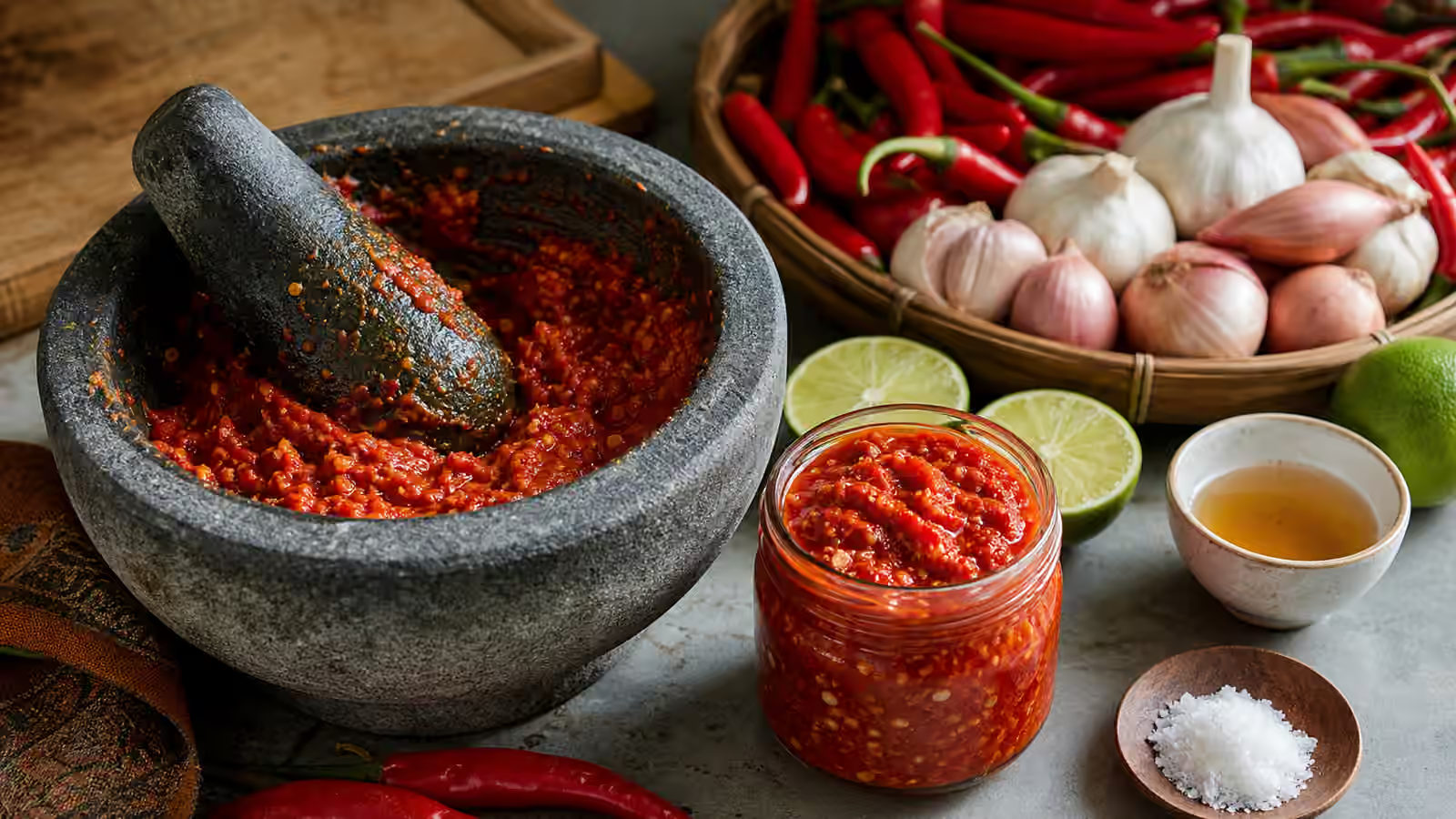
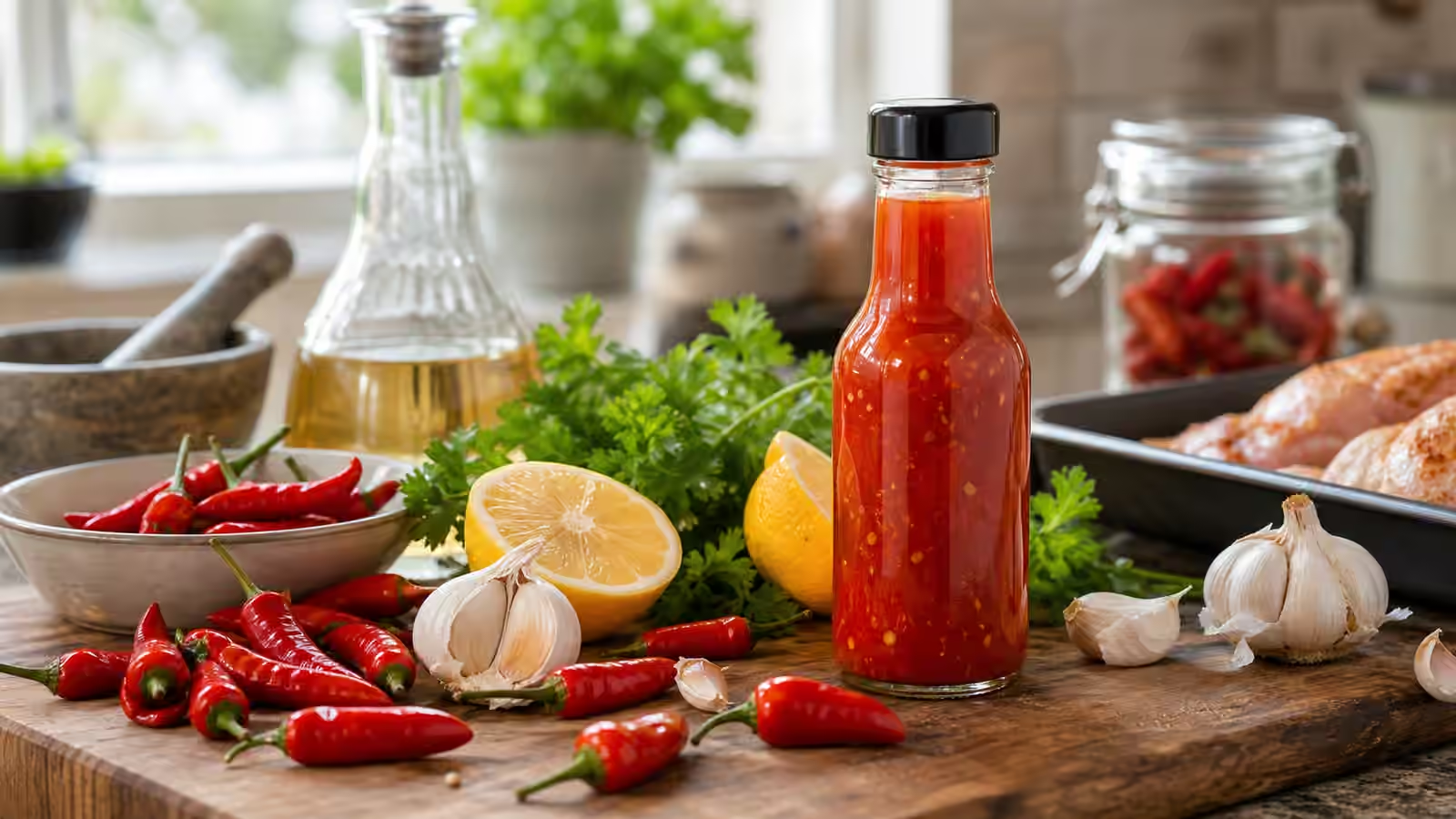
Thai-style chili garlic hot sauce is built on a direct idea: red chile heat, visible garlic, clean acid, enough salt, and just enough sweetness to make the burn taste rounded rather than raw. It is close to the family of fresh chile pastes, garlic sauces, and bright table condiments used across Southeast Asian cooking, but the home hot sauce version has its own job. It should be pourable or spoonable, easy to use with food, and clear enough that garlic does not bury the chile.
This is not a guide to copying one commercial sauce or claiming one exact regional formula. It is a flavor-first way to build a bottle in that chili garlic lane. If you already understand Aromatics and Spices in Hot Sauce , this style is a good test of restraint because the ingredient list looks simple and still becomes crowded when garlic, sugar, vinegar, and chile all compete for the front of the bite.
Start With Chiles That Taste Red
The pepper choice decides whether the sauce tastes clean, fruity, grassy, or flat. Red Thai chiles make a fast, bright sauce with a narrow burn. Fresnos make the style friendlier and slightly fruitier. Red jalapenos add body and a softer vegetable sweetness. Cayennes make the sauce lean and sharp. A blend is often better than one pepper, especially if the hottest chile has little body. The sauce needs enough pepper flesh to carry the garlic and vinegar.
If the available chiles are extremely hot, do not solve the problem only with sugar. Sweetness can make heat more pleasant, but it also changes the sauce into something stickier and less flexible. A better correction is to combine the hot chiles with a milder red pepper that has real flavor. That keeps the sauce in the same red lane while making it usable by the spoon instead of only by the drop.
Color matters here because it shapes expectation. A vivid red sauce tells the eater to expect fresh chile and garlic. If the sauce turns brown from old peppers, heavy cooking, dark sugar, or too much toasted spice, it can still taste good, but it no longer reads as a clean chili garlic bottle. Hot Sauce Color Control is useful when a batch tastes bright but looks tired.
Garlic Needs Edges Without Harshness
Garlic is not background in this style. It is a main feature, often visible in the texture and obvious in the aroma. The question is how sharp it should be. Raw garlic gives the most immediate punch, but it grows louder as the sauce rests. Briefly warmed garlic tastes rounder and less metallic. A small amount of cooked garlic can deepen the sauce, but too much browning pushes it away from the bright chili garlic profile.
One practical approach is to soften only part of the garlic. A little raw garlic keeps the sauce alive. A little warmed garlic gives it a savory floor. Blended together, the sauce tastes complete without becoming rough. If the sauce tastes harsh after resting, adding more vinegar may make it sharper rather than cleaner. It may need more pepper flesh, a little salt, or a quieter garlic load next time.
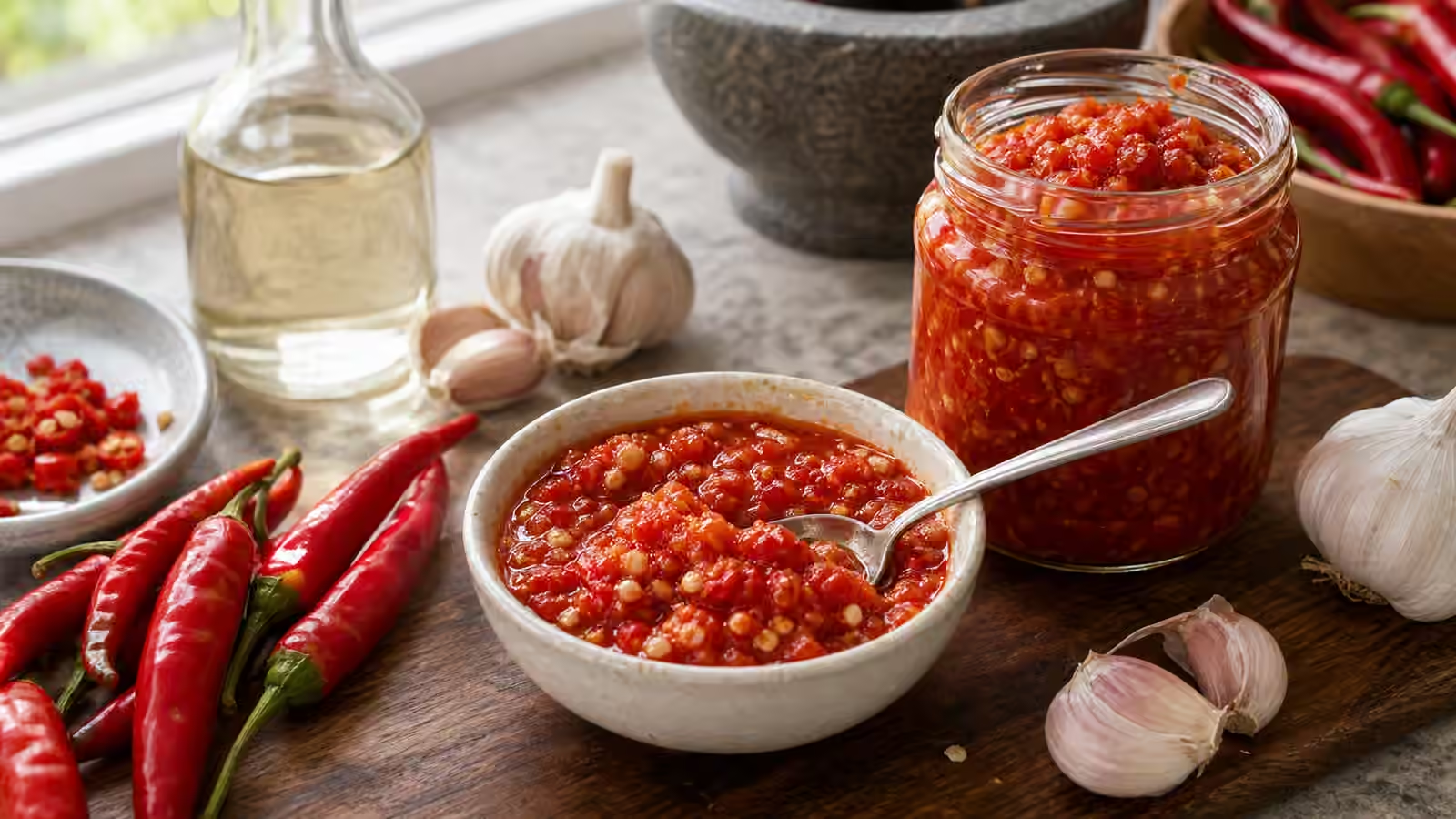
Garlic texture deserves the same attention as garlic flavor. A rustic sauce can show small bits of garlic and chile. A squeeze bottle needs a finer blend. If the garlic stays in hard pieces, the eater gets random bursts instead of a steady flavor. Blend long enough for the sauce to feel deliberate, then decide whether a light strain would make serving easier.
Acid Should Be Clean, Not Screaming
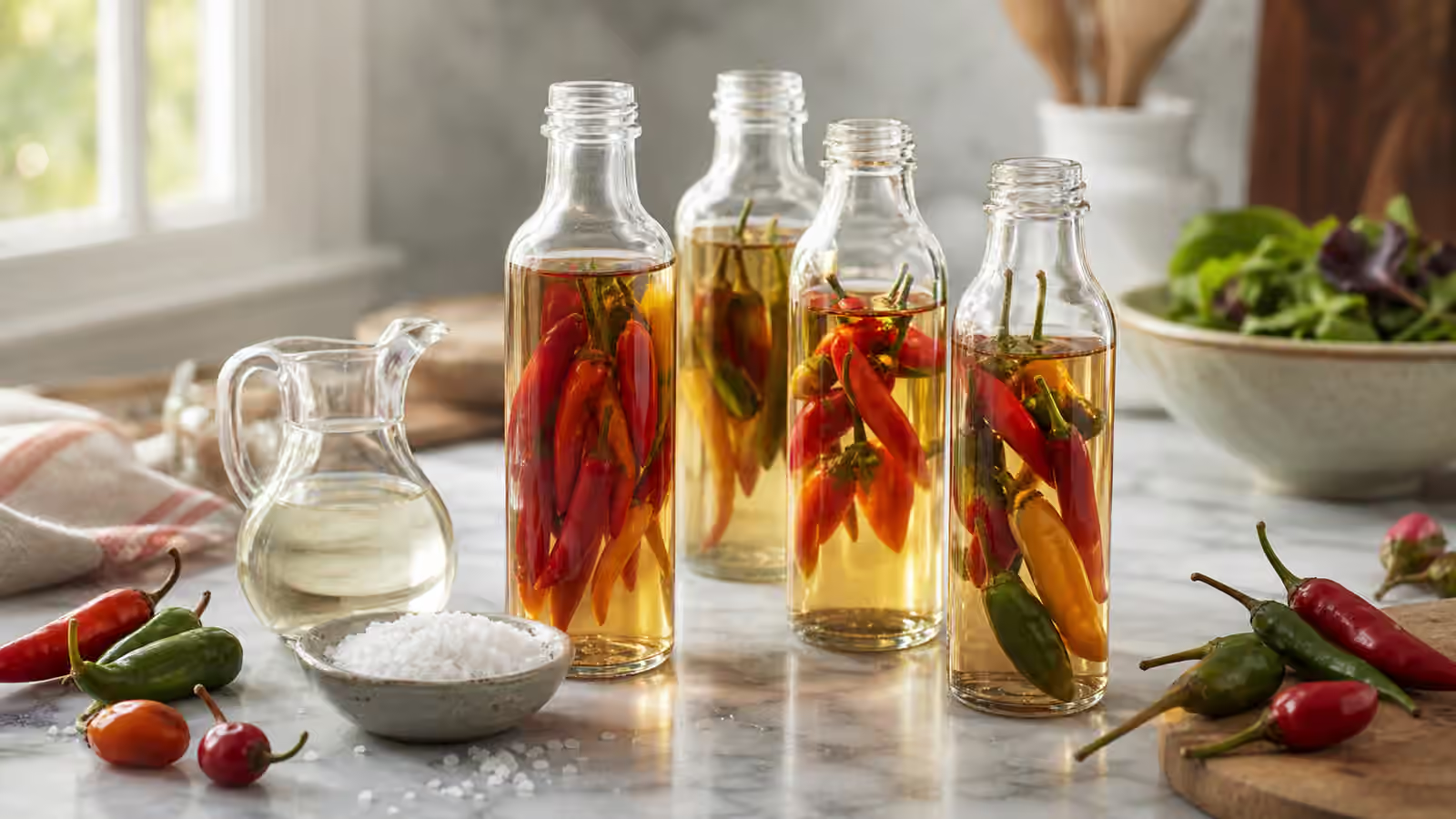
Rice vinegar is a natural fit because it gives acidity without dragging the sauce into a heavy vinegar profile. White vinegar works when the sauce wants to be sharper and more direct. Lime can add aroma, but it is usually better as a finishing note than as the whole acid structure. A chili garlic sauce that relies too heavily on citrus may taste lively at first and then seem thin after a day.
Acid changes the heat curve. A sharp vinegar base makes red chiles feel faster. A gentler vinegar lets garlic and pepper flesh remain more visible. Taste the sauce on rice, eggs, noodles, chicken, or roasted vegetables before deciding it is balanced. A spoon taste exaggerates acid and burn. Food shows whether the sauce seasons or merely shouts.
The sauce may also want a savory liquid, but use it carefully. A little soy sauce, fish sauce, or similar umami seasoning can make chili garlic sauce taste deeper, yet those ingredients also bring salt and a distinct identity. They should be treated as seasoning, not as the base. If the batch begins to taste more like dipping sauce than hot sauce, pull back and let the chiles lead.
Sweetness Should Stay In The Background
Many chili garlic sauces use a small amount of sugar because it rounds the vinegar and makes the burn feel less jagged. The mistake is adding enough sugar that the pepper disappears. Sweetness blooms after salt dissolves and the sauce rests, so a batch that tastes only mildly sweet in the blender can become obvious later. Add sweetener as a small correction, then wait before deciding.
Fresh red pepper sweetness, cooked garlic, and a little rice vinegar can sometimes provide enough roundness without much added sugar. If the sauce is meant for fried food, grilled chicken, or noodles, a touch more sweetness may be welcome. If it is meant for eggs, soups, or rice bowls, a cleaner acid-salt line may be more useful. Fruit and Sweetness in Hot Sauce covers the broader habit: sweetness should explain the pepper, not apologize for it.
Cooked, Fresh, Or Briefly Warmed
Thai-style chili garlic hot sauce can be raw, cooked, or somewhere between. Raw versions taste immediate and sharp. Cooked versions feel smoother and often keep longer under refrigeration, though cooking alone does not make a homemade sauce shelf-stable. Brief warming is often the best middle path: it softens garlic, loosens pepper skins, and helps sugar and salt dissolve without flattening the fresh chile aroma.
If you cook the sauce, keep the heat gentle. Hard boiling drives off bright aroma and can make garlic taste dull. If you keep it raw, let it rest before bottling so the garlic, salt, and acid can settle. In both cases, clean handling and cold storage matter unless the recipe is part of a tested preservation process. For that broader frame, read Hot Sauce Storage and Safety .
The finished texture should match the container. A chunky sauce belongs in a jar or wide-mouth bottle where it can be spooned. A smoother sauce can go into a squeeze bottle. A thin, strained version can live in a small table bottle, but it may lose some of the garlic-chile character that makes the style appealing. The right answer is the one that makes people use the sauce with control.
Make It Useful, Not Just Loud
A good chili garlic hot sauce should make simple food taste more awake. It should work with fried eggs, rice, noodles, dumplings, grilled meat, roasted vegetables, soups, and sandwiches without forcing every meal into the same flavor. That usefulness comes from balance. The chiles bring heat and color. The garlic brings savoriness. The vinegar gives lift. The salt makes the pepper legible. Sweetness, if used, rounds the edges and then gets out of the way.
When the sauce fails, it usually fails by excess. Too much garlic becomes metallic. Too much vinegar makes the sauce scrape. Too much sugar turns it sticky. Too little salt makes it taste hot but vague. The best batches feel vivid without becoming noisy. They have texture, but the texture serves the pour. They have heat, but the heat carries chile flavor with it.