Superhot Peppers With Restraint
Superhot peppers are easy to misunderstand because their reputation arrives before their flavor. Ghost peppers, scorpion peppers, reapers, and similar chiles are often described as endurance tests, but they are still peppers. Under the burn there can be fruit, flowers, smoke, green bitterness, tropical perfume, dried fruit, or a sharp red pepper bite. A good superhot sauce does not ignore the heat. It gives the heat a structure so the pepper has time to taste like something before the burn takes over.
The common mistake is using a superhot as if it were a hotter jalapeno. It is not. A small change in amount can shift a batch from exciting to punishing. A sauce that tastes tolerable on a spoon can become exhausting on food because the heat accumulates. A sauce that smells bright in the blender can feel hollow if the rest of the ingredients exist only to dilute pain. Restraint is not timidity here. It is how the sauce becomes edible enough for its flavor to matter.
If your main question is how heat is measured, start with Understanding the Scoville Scale . If your main question is how to make heat pleasant at the table, read Heat Tolerance and Balance . This guide is about recipe design: how to build a bottle where a very hot pepper has a clear role.
Treat The Superhot As An Accent First
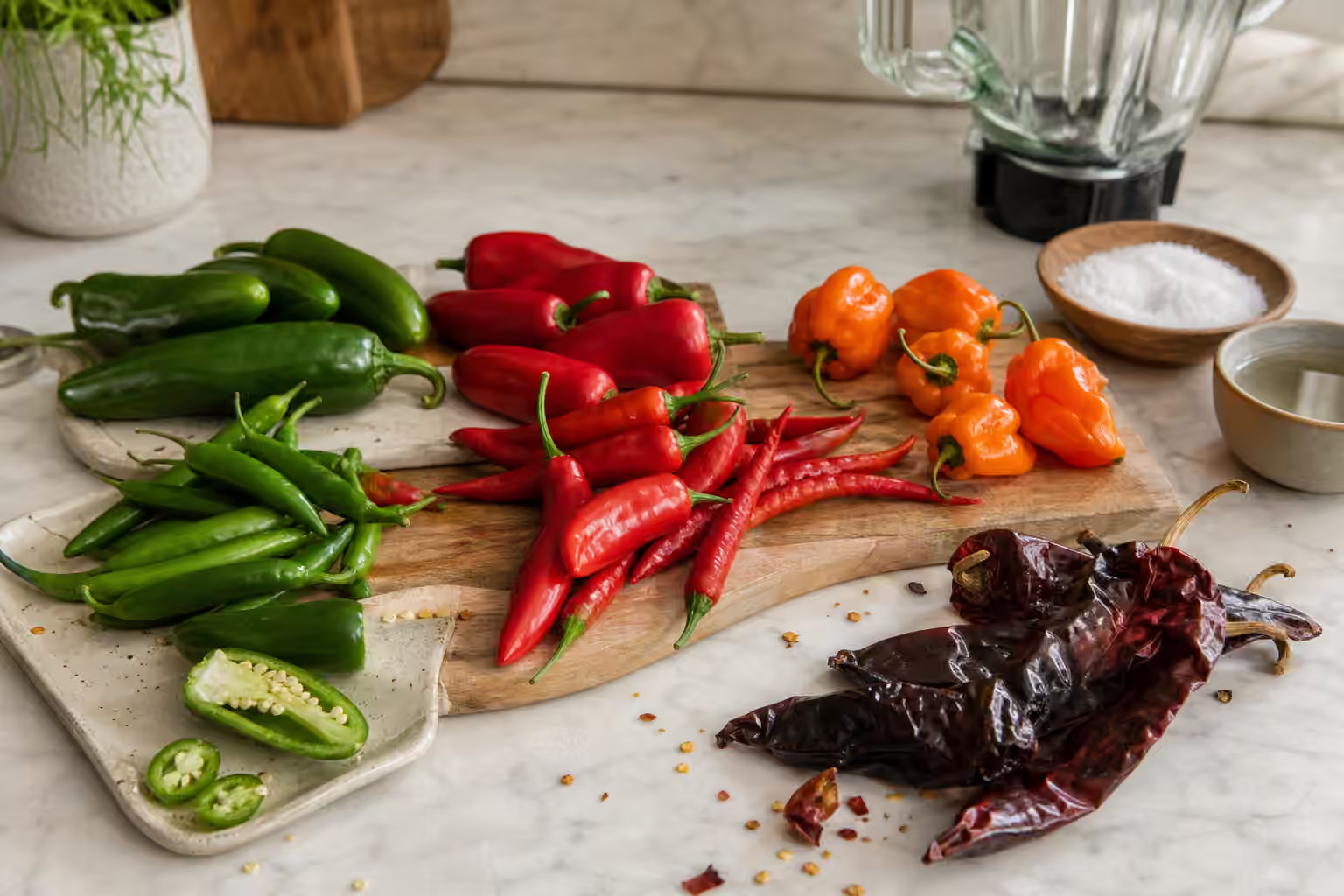
A useful first batch often treats the superhot as an accent pepper, not the base. Fresno, red jalapeno, ripe cayenne, roasted red pepper, carrot, mango, pineapple, peach, or fermented pepper mash can provide the body. The superhot supplies a high, intense burn and a distinctive aroma. That structure gives you room to adjust. If the sauce needs more fire, you can add more in a controlled sample. If the sauce starts too hot, every fix becomes larger, messier, and less precise.
This is especially important with peppers that have strong perfume. A small amount of ghost pepper can make a red sauce feel deep and lingering. A small amount of reaper can add a ripe, almost fruity top note before the long burn. A scorpion pepper can bring an aggressive sting that works in a sauce meant for grilled meat or beans but overwhelms a light green sauce. These peppers are not interchangeable heat pellets. They have different shapes, and those shapes should decide the base.
Work in samples when possible. Blend the mild or moderate base first, then split a small portion into a cup and add a tiny amount of minced or blended superhot. Taste that sample on food, wait, and then decide whether the whole batch should move in that direction. This sounds slower than throwing everything into the blender, but it is faster than trying to rescue a quart of sauce that has become a dare.
Build A Wide Base
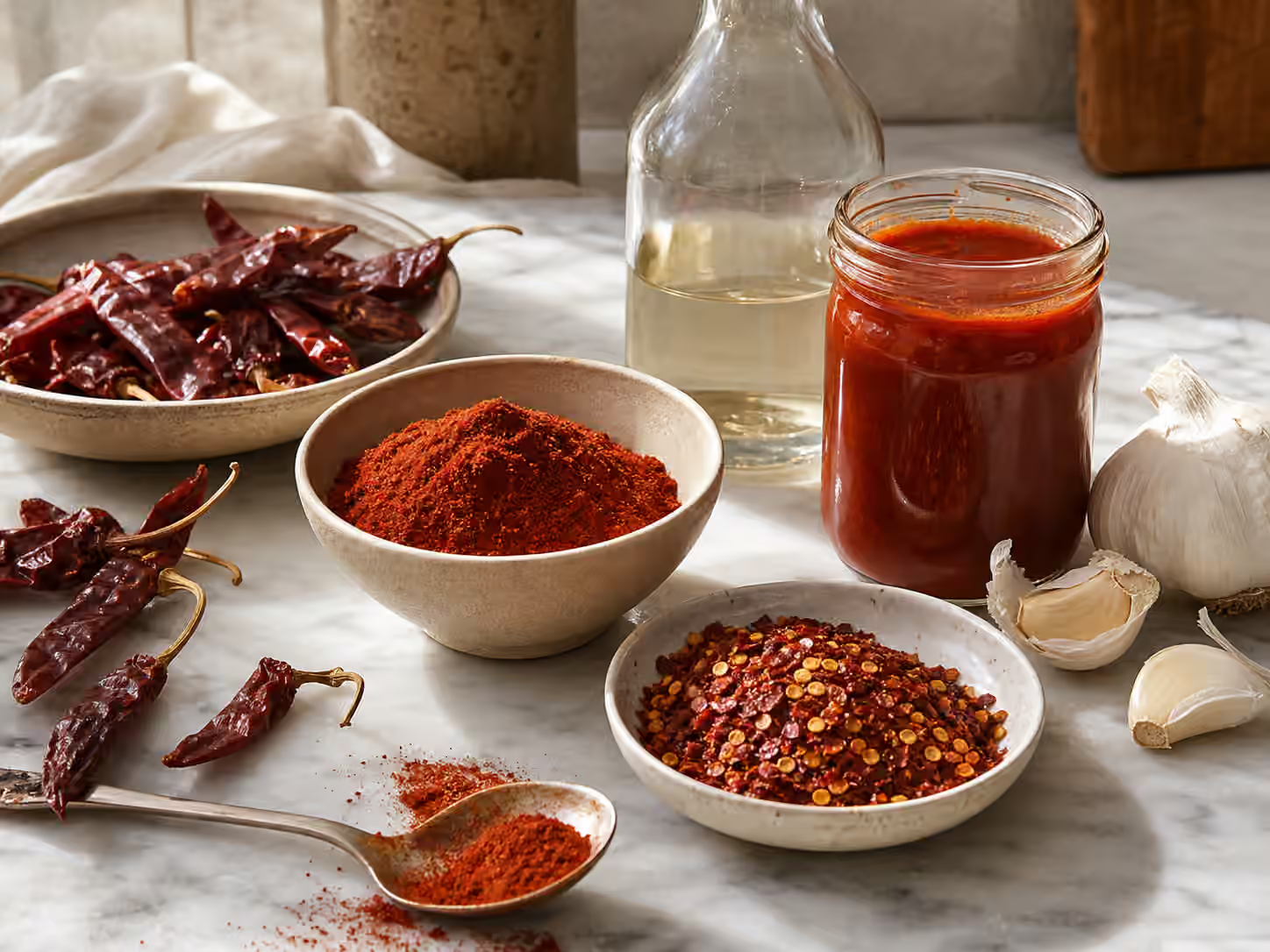
Superhot heat needs body around it. Thin vinegar can make the burn feel fast, sharp, and exposed. That may be right for a few drops on fried food, but it can become abrasive if the pepper also carries bitterness or floral intensity. A wider base gives the heat somewhere to sit. Roasted carrot, ripe red pepper, cooked onion, softened dried chiles, mango, pineapple, peach, tomato, or fermented mash can all help, depending on the style.
The base should not simply be sweet. Sugar can round a burn, but too much sweetness makes the sauce taste like glaze before it tastes like pepper. Fruit works best when it echoes the pepper. Habanero, Scotch bonnet, ghost pepper, and some reaper sauces can handle mango or pineapple because the aroma already leans tropical. A darker superhot sauce may prefer roasted tomato, carrot, garlic, or dried chile depth. Fruit and Sweetness in Hot Sauce is useful because it treats sweetness as structure, not a fire extinguisher.
Acid should be chosen with the same care. White vinegar keeps a red superhot sauce direct and cutting. Apple cider vinegar can soften carrot, peach, and roasted onion. Rice vinegar can keep a fruitier sauce from becoming heavy. Lime is excellent as a finishing note, but it rarely carries the full weight of a superhot sauce by itself. If the burn feels harsh, the answer may be more body or salt before more vinegar.
Salt Makes Heat Easier To Read
Under-salted superhot sauce is often terrible in a specific way: painful and empty at the same time. The pepper burns, but the flavor underneath does not separate. Salt helps pull aroma forward. It makes ripe pepper taste more like ripe pepper, fruit taste more like fruit, and acid feel more intentional. It also helps the sauce season food, which matters because superhot bottles are usually used in tiny amounts.
The dose needs restraint. A very hot sauce may be used drop by drop, so it can carry a firmer seasoning line than a sauce people pour by the spoonful. But too much salt makes the burn feel rough and makes bitterness louder. Add salt in small passes after the sauce has enough body and acid to show its shape. Let the sauce rest before judging, especially if raw garlic, fruit, or fermented mash is involved. Salt Balance in Hot Sauce explains why seasoning changes the way heat is perceived.
Taste on plain food rather than from repeated spoonfuls. A spoon tells you the sauce is hot. A bite of rice, beans, egg, chicken, potato, or roasted vegetable tells you whether the sauce can season. Superhot sauce should often taste slightly too intense by itself and useful in a tiny amount on food. If it tastes flat on food, the issue may not be heat. It may need salt, acid, or a base with more pepper flavor.
Handle The Pepper With Respect
Superhot prep asks for calm habits. Use gloves if you are cutting or deseeding more than a token amount, keep your hands away from your face, wash cutting boards and knives carefully, and be thoughtful about ventilation if peppers are being cooked. Capsaicin can linger on tools and skin. Steam from simmering very hot peppers can be unpleasant. These are practical kitchen cautions, not drama.
Seeds are not the main heat source, but trimming still matters. The pale inner tissue around the seeds carries a lot of capsaicin and can bring bitterness. Removing some of it lets you keep pepper aroma while softening the burn. Leaving all of it can make sense for a sauce meant to be used in drops, but it should be a decision. Pepper Anatomy and Heat Control is the better companion if you want to understand where the heat lives before the blender starts.
Do not cook superhots hard unless the sauce wants that darker flavor. A gentle simmer can integrate a carrot-ghost sauce or red pepper-reaper sauce. Heavy boiling can push fumes into the kitchen and make the pepper taste duller. Roasting can be useful, but char plus superhot bitterness can become harsh quickly. If the pepper’s best quality is floral or tropical, protect that quality with shorter cooking, later additions, or a blend of cooked base and fresh superhot accent.
Fermentation Changes The Burn, Not The Need For Balance
Fermentation can make superhot sauces more interesting because lactic acidity and savory depth give the heat a longer frame. A ghost pepper ferment with garlic and ripe red peppers can taste rounder than the same peppers blended raw with vinegar. A mixed habanero and superhot ferment can keep tropical aroma while softening the sharpest edges. But fermentation does not make a punishing amount of capsaicin vanish. It changes context more than quantity.
Salt percentage, submersion, cleanliness, and acidity still matter. Superhot peppers can be fermented as part of a mash or under brine, but they often benefit from milder peppers in the same jar. The mild peppers provide sugar, moisture, body, and flavor room. A jar made entirely from very hot peppers may ferment, but the finished sauce can be so intense that only a few drops are usable. That may be the goal for some makers, but it is not the most versatile bottle.
For broader fermentation decisions, keep Fermentation Flavor Design and Fermented Hot Sauce Safety close. The superhot question is layered on top of the normal fermentation question. The jar still needs sound process. The final sauce still needs salt, acid, body, and a serving idea.
Design For The Dose
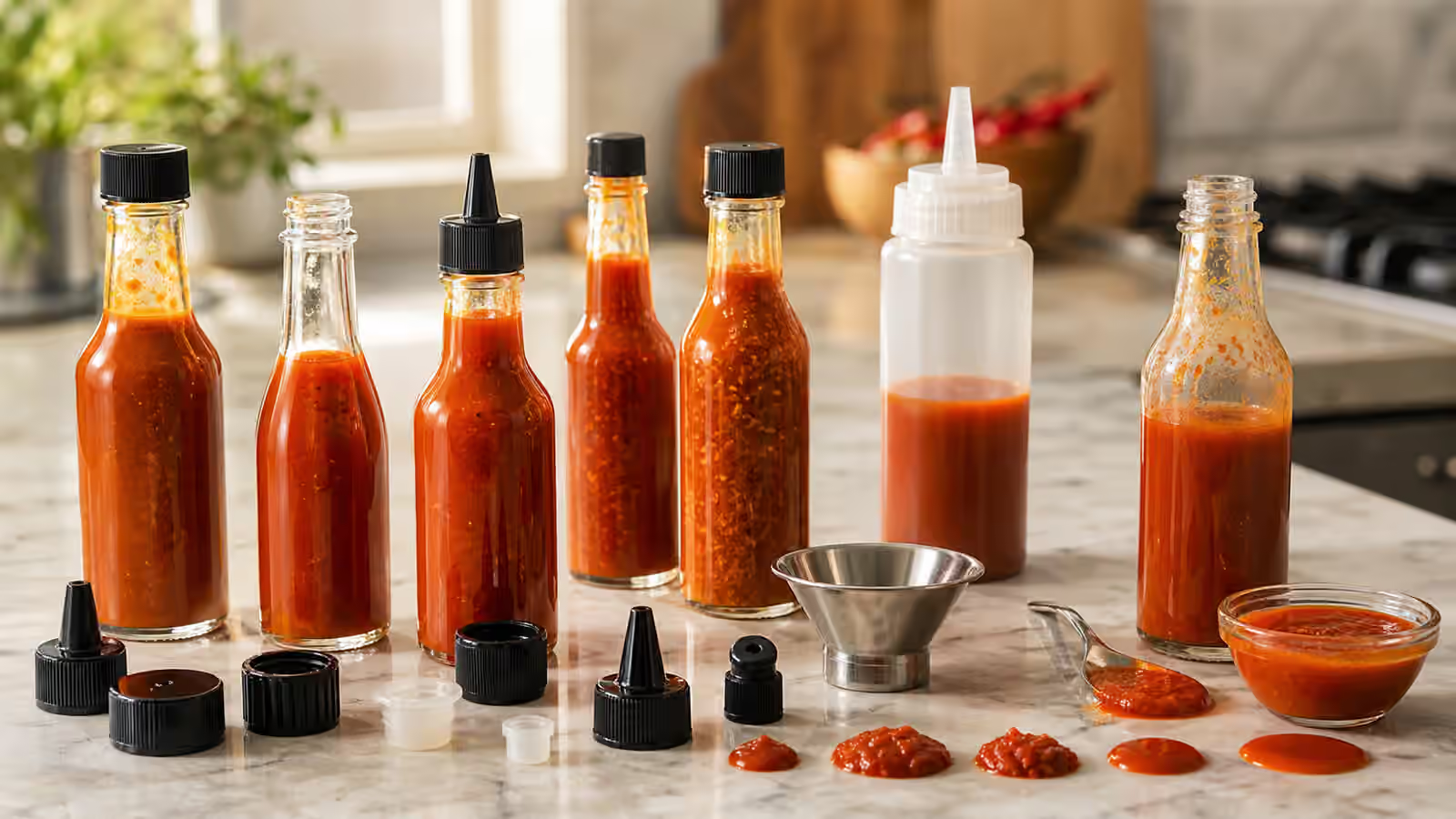
The most important design question is how much sauce should land on a bite. A daily table sauce should be mild enough to pour visibly. A superhot sauce often works better as a seasoning concentrate, which means its texture, salt, acid, and bottle choice should support tiny dosing. A narrow bottle or dropper-style opening can prevent accidents. A squeeze bottle may be wrong if the sauce is too powerful for a casual stripe across food.
Texture changes perceived heat. A thin sauce spreads quickly and burns sharply. A thicker sauce clings and can make the heat feel longer. A fruit or carrot base may make the first taste rounder, but the burn can build after several bites. This delayed rise is why superhot sauces need patience during tasting. Take one taste, wait, then taste with food. Repeated quick spoonfuls can make every later adjustment seem confusing.
The best superhot sauce is not the one that proves the highest number. It is the one that gives a very hot pepper a reason to be there. The burn should have an opening flavor, a middle structure, and a useful finish. When the base is wide, the salt is clear, the acid is chosen rather than dumped in, and the dose is honest, even a fierce pepper can become a sauce people reach for because it tastes good, not because it dares them.