Straining Hot Sauce and Using the Pulp
Straining is one of the quiet decisions that changes a hot sauce more than the recipe name does. The same pepper base can become a bright table splash, a rustic spoon sauce, a smooth squeeze bottle condiment, or a thick chile paste depending on how much solid material stays in the final blend. It is tempting to treat the strainer as a finishing tool, something pulled out after the sauce is already done. In practice, straining is part of flavor design.
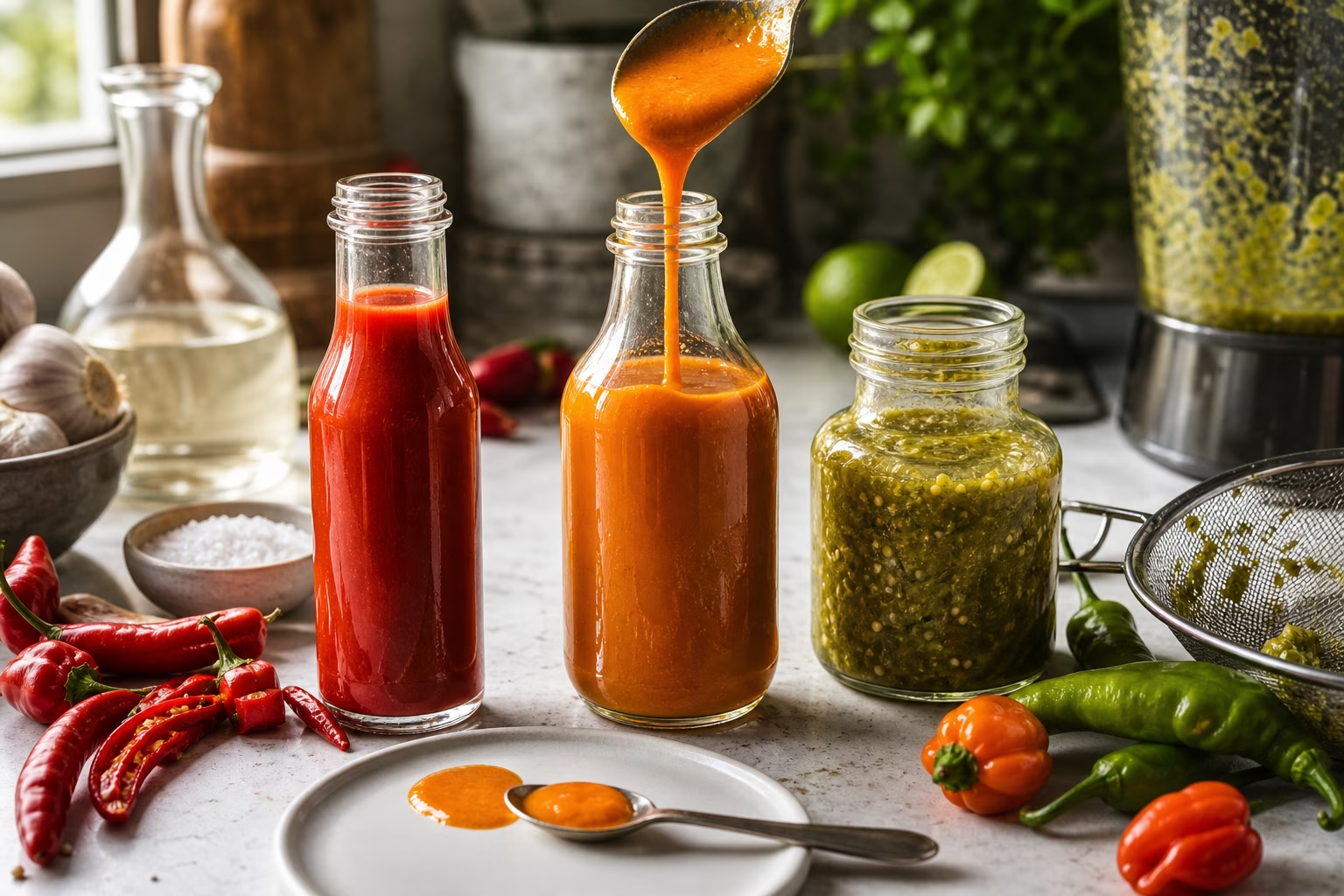
A fully strained sauce pours cleanly and makes acid feel sharper. An unstrained sauce tastes fuller and can carry more pepper identity, but it may clog narrow caps or feel grainy. A partially strained sauce can give the best of both: enough liquid movement for the bottle, enough pulp for body, color, and cling. The right choice depends on the sauce’s job, not on a universal idea of refinement.
If you are still thinking about body from the blender side, start with Hot Sauce Texture and Body . This guide focuses on the strainer moment, when the sauce is close but the final texture is still negotiable.
Strain For A Reason
Before straining, decide what problem you are solving. If the sauce has seed grit, tough skins, dried chile fragments, or fibrous aromatics, straining can clean the texture. If the sauce is meant for a reducer cap, straining can prevent clogs. If the sauce tastes muddy because too much pulp is carrying bitterness, straining can make it brighter. Those are good reasons.
Straining only because smooth sauce looks professional can backfire. Pepper pulp carries sweetness, roasted depth, fermented complexity, and the satisfying sense that the sauce was made from real chiles. Remove too much and the sauce can become thin vinegar with heat. That may be exactly right for a Louisiana-style sauce or a lean cayenne blend, but it can weaken a carrot-habanero sauce, a green herb sauce, a smoked chile sauce, or a dried chile table sauce.
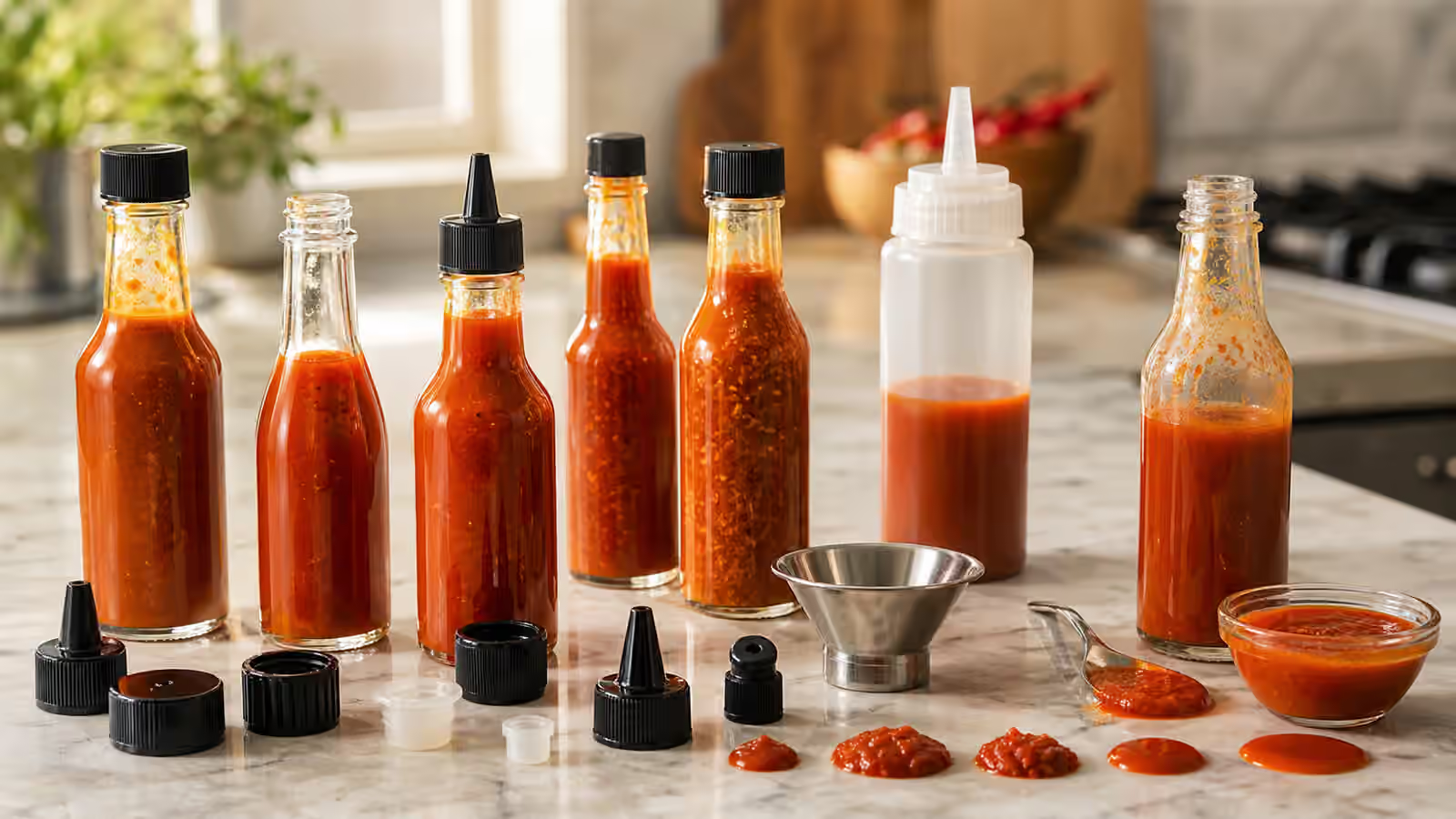
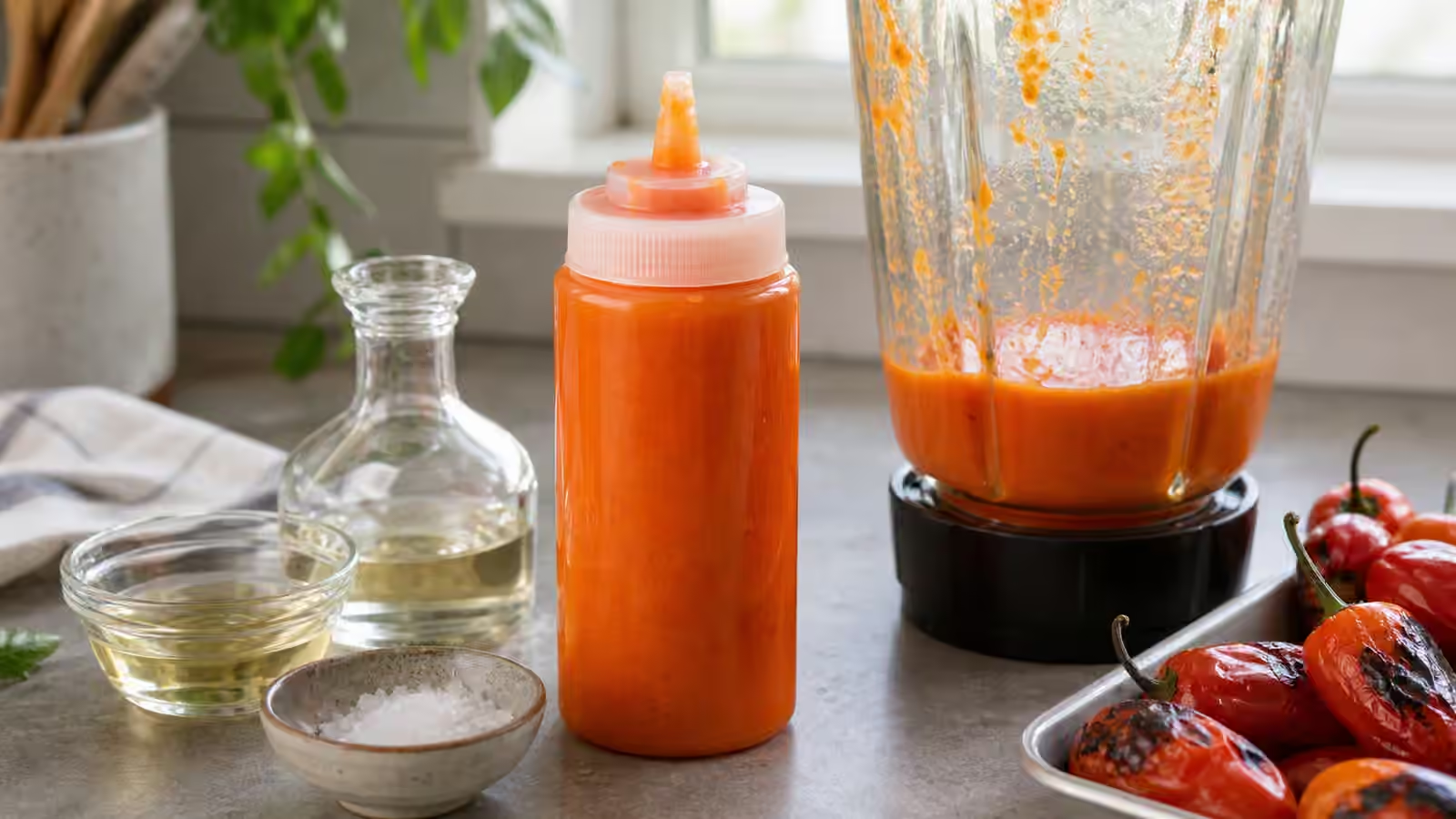
The serving container matters. A thin bottle with a reducer wants a finer sauce. A squeeze bottle can tolerate more body. A jar can celebrate pulp. Bottling Hot Sauce for the Table is useful because it treats the container as part of the recipe rather than as packaging after the fact.
Let The Sauce Rest Before Judging
Freshly blended sauce is full of air. It looks lighter, thicker, and sometimes smoother than it will after a short rest. If you strain immediately, you may remove solids that would have settled into a pleasant body. You may also press too hard because foam makes the sauce seem less liquid than it is. Waiting even a little gives you a more honest view of separation, grit, and flow.
Resting is especially important for dried chiles. Rehydrated skins and powdery fragments keep softening after blending. A sauce that feels gritty in the first minute may smooth out after the solids hydrate. The opposite can happen too: a sauce that seems sleek may reveal tiny tough pieces once the foam falls. Dried Chiles in Hot Sauce explains why dried pods need time, liquid, and gentle handling to avoid dusty texture.
Fermented sauces also change after blending. Brine, pepper solids, and trapped gas can separate quickly. If you strain before the sauce settles, you may misread the final body. Blend, rest, stir, taste, and then decide whether the strainer is actually needed.
Choose The Right Strainer For The Sauce
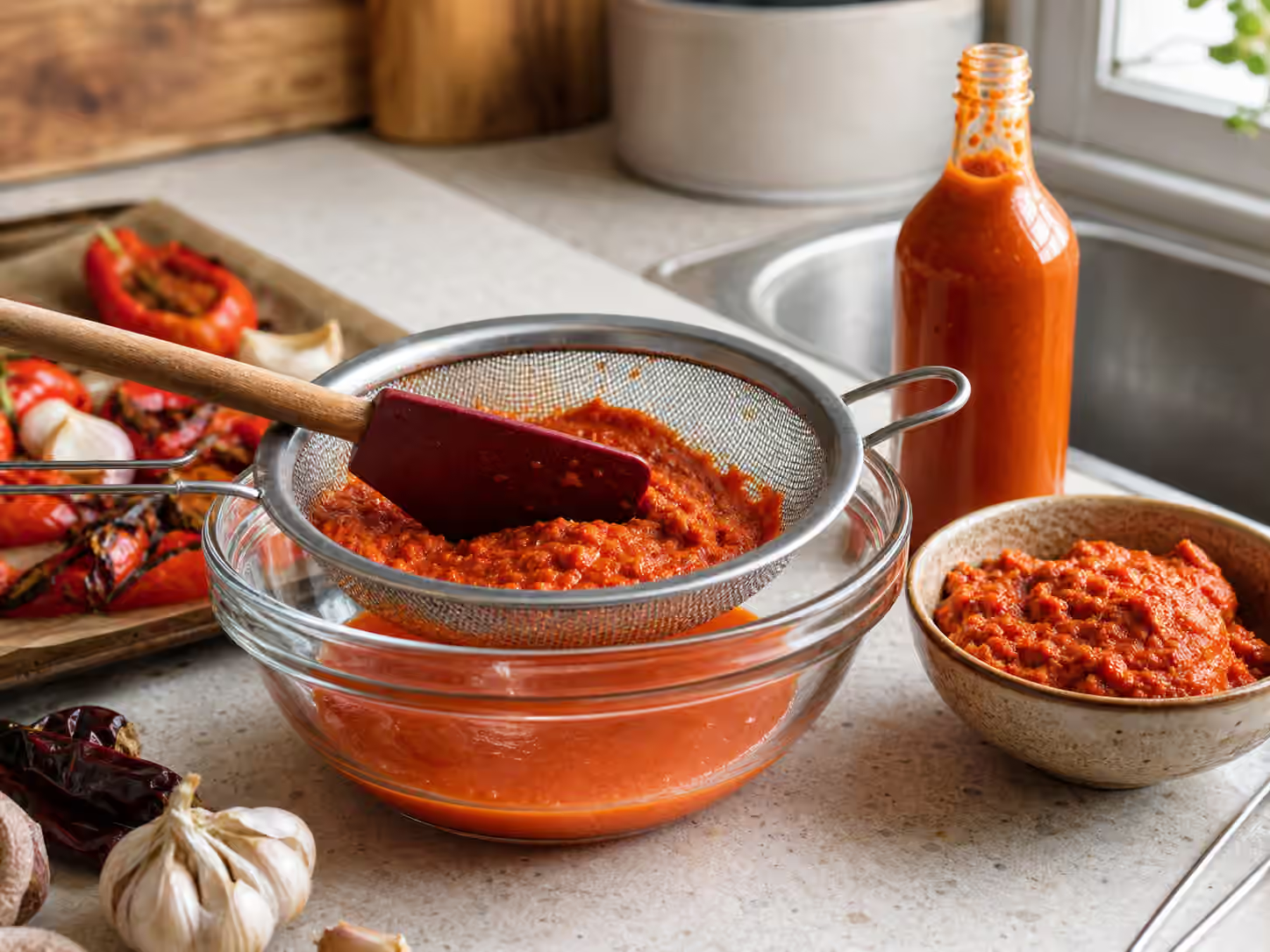
A coarse strainer removes large skins, seeds, and fibrous pieces while keeping body. It is good for sauces that should still feel like peppers. A fine mesh strainer makes a cleaner liquid but takes more time and can remove flavor along with texture. Cheesecloth can produce a very polished liquid, but it is usually too severe for everyday hot sauce unless the goal is a clear, fast-moving vinegar sauce.
The tool also changes how you press. A flexible silicone spatula lets you move pulp gently without grinding seeds through the mesh. A metal spoon can work, but it encourages harder scraping. Hard pressure extracts more liquid, yet it can also push bitter seed fragments, tough skin, and dry chile dust into the finished sauce. Press for useful sauce, not for a perfect yield number.
When in doubt, strain only part of the batch. Blend the whole sauce, strain a cup, then mix the strained portion back with some unstrained sauce until the texture feels right. This gives you more control than forcing the whole batch through mesh and then trying to rebuild body later. It also teaches you what the solids were contributing.
Use Pulp As An Ingredient
Pepper pulp is not automatically waste. It is concentrated flavor with less liquid. It may be too coarse or bitter for the bottle, but it can still be useful in cooking. Stir a spoonful into beans, soup, braising liquid, rice, tomato sauce, chili, mayonnaise, yogurt, butter, or a marinade. Spread a little under roasted vegetables before they go into the oven. Mix it with oil and vinegar for a rough chile paste that belongs in the kitchen rather than on the table.
The key is tasting the pulp by itself before saving it. If it tastes sweet, roasted, fruity, smoky, or pleasantly hot, it has a future. If it tastes bitter, scorched, papery, or dominated by seed grit, use restraint or discard it. Saving everything is not the goal. Using the good part wisely is.
Pulp from fermented sauces can be especially savory. It may carry enough salt and acidity that it seasons food quickly. Pulp from fruit-forward sauces may behave more like a glaze base. Pulp from dried chiles can bring deep color and tannin. Each type needs a different landing place. Cooking With Hot Sauce can help you think of pulp as a cooking ingredient rather than a failed table sauce.
Keep Pulp Storage Conservative
Strained pulp has more surface area and less free liquid than the sauce it came from. That means it can dry, oxidize, and pick up refrigerator smells quickly. Store it cold in a clean small container and use it soon unless you have a specific preservation plan. A thin layer of oil can help protect a cooking paste in the short term, but it does not make storage carefree. When the pulp contains fresh herbs, fruit, garlic, or active fermented material, be especially conservative.
Label the container plainly. “Red fresno pulp, salty, hot” is more useful than a clever name. Add the date. Write whether it is strained from a vinegar sauce, a ferment, or a cooked sauce. Future you will not remember, and the difference matters when a spoonful goes into dinner.
You can also freeze small portions if the pulp tastes good but you will not use it quickly. Freeze it flat in a small bag or in small spoonfuls, then move the pieces to a container. The texture after thawing may be softer, but that is usually fine for beans, soups, stews, and marinades.
Fix The Sauce After Straining
Straining often changes balance. The sauce may taste brighter because acid is less cushioned by solids. It may taste saltier for the same reason. Heat may arrive faster. Color may look cleaner but less deep. Before bottling, taste again on food, not only from a spoon. A tortilla chip, egg, potato, bean, or spoonful of rice will show whether the strained sauce still helps the meal.
If the sauce became too thin, add back a measured amount of pulp or blend in more cooked pepper, roasted vegetable, or fermented mash. If it became too sharp, give it more body before adding sweetness. If it became clean but boring, the solids may have carried the sauce’s identity and should not have been removed so aggressively.
Straining should make the sauce more itself, not less. The best strained hot sauce still tastes like the peppers, aromatics, acid, and salt that built it. It simply moves through the bottle in the way the sauce wants to be used.