Sharing Homemade Hot Sauce
Homemade hot sauce invites sharing. A good batch makes more than one dinner needs, and a small bottle feels personal in a way a jar of jam or a loaf of bread does. It carries the garden, the ferment, the blender, the tasting spoon, and the cook’s idea of what heat should do. Sharing it well takes more than filling spare bottles. The sauce has to be cleanly packaged, clearly described, and easy for another person to use without guessing.
This is not the same as selling sauce. Selling brings rules, labeling requirements, licensed kitchens, and local details that should not be improvised from a kitchen note. Sharing with friends and family is still worth doing carefully. A clear label, conservative storage advice, and a sauce that matches the recipient’s tolerance can turn a good batch into something people actually finish.
If the batch is still changing, start with Hot Sauce Batch Notes and Recipe Development . Sharing gets easier when you know what you made, not only what it seemed like on the day of blending.
Share The Reliable Batch, Not The Weirdest One
The most exciting bottle on your counter may not be the best one to give away. A strange experimental ferment, an extremely hot superhot blend, a smoky sauce that keeps getting stronger, or a fruit sauce with fragile freshness might be interesting to you and confusing to someone else. The best shared sauce usually has a clear role. It belongs on eggs, tacos, beans, grilled food, sandwiches, noodles, or roasted vegetables. The recipient should be able to imagine dinner within a few seconds.
Reliability matters more than novelty. If the sauce separated badly after a day, clogged every bottle you tried, became much hotter after resting, or needed a long explanation, keep testing before sharing. Friends can be generous tasters, but a gift should not feel like homework. A simple fresno vinegar sauce, a mild roasted pepper sauce, a clean green sauce, or a balanced habanero-carrot bottle may travel farther than the most dramatic jar on the shelf.
This does not mean boring. It means readable. A sauce with a strong personality is easier to enjoy when the bottle tells people what kind of food it wants.
Bottle For The Person And The Sauce
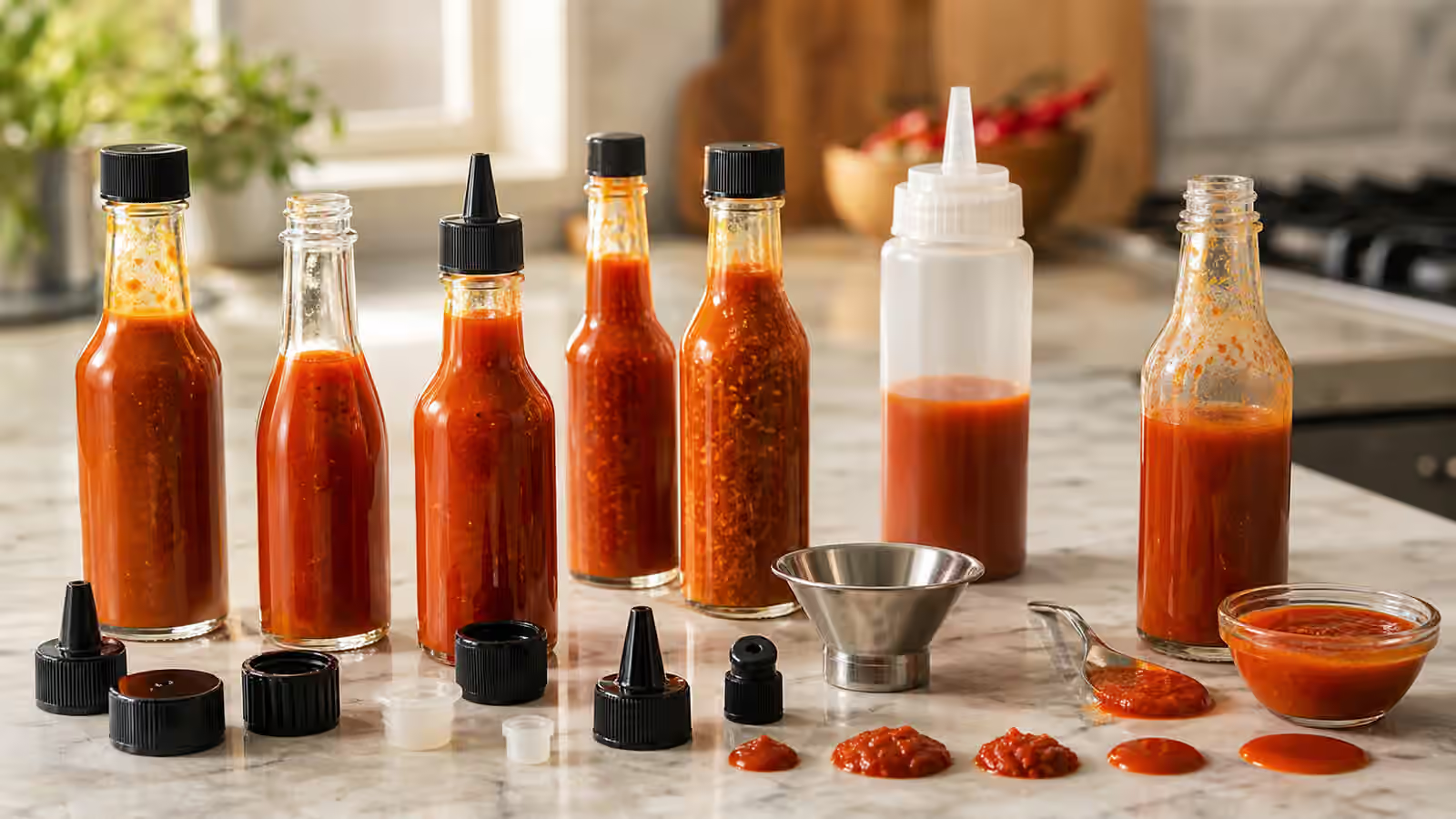
Small bottles are usually better for sharing than large ones. They reduce pressure. The recipient can try the sauce without committing refrigerator space for months. If the sauce is very hot, a small bottle also makes the heat feel intentional. If the sauce is mild and meant for generous use, a squeeze bottle or wider jar may be more honest than a tiny woozy bottle with a reducer cap.
Match the container to the texture. A thin vinegar sauce can live happily in a narrow bottle. A thick roasted pepper sauce may need a wider mouth. A rustic green sauce with herbs or visible pulp may belong in a jar. If you force every sauce into the same bottle because it looks tidy, some of them will pour badly. Bottling Hot Sauce for the Table covers this connection between texture and hardware in more detail.
Clean bottles are not optional. Wash them well, rinse them well, and let them dry. Use clean funnels and caps. Wipe the neck after filling. If the outside of the bottle is sticky on the day you give it away, it will not become more appealing in someone else’s fridge.
Label For Use, Not Branding
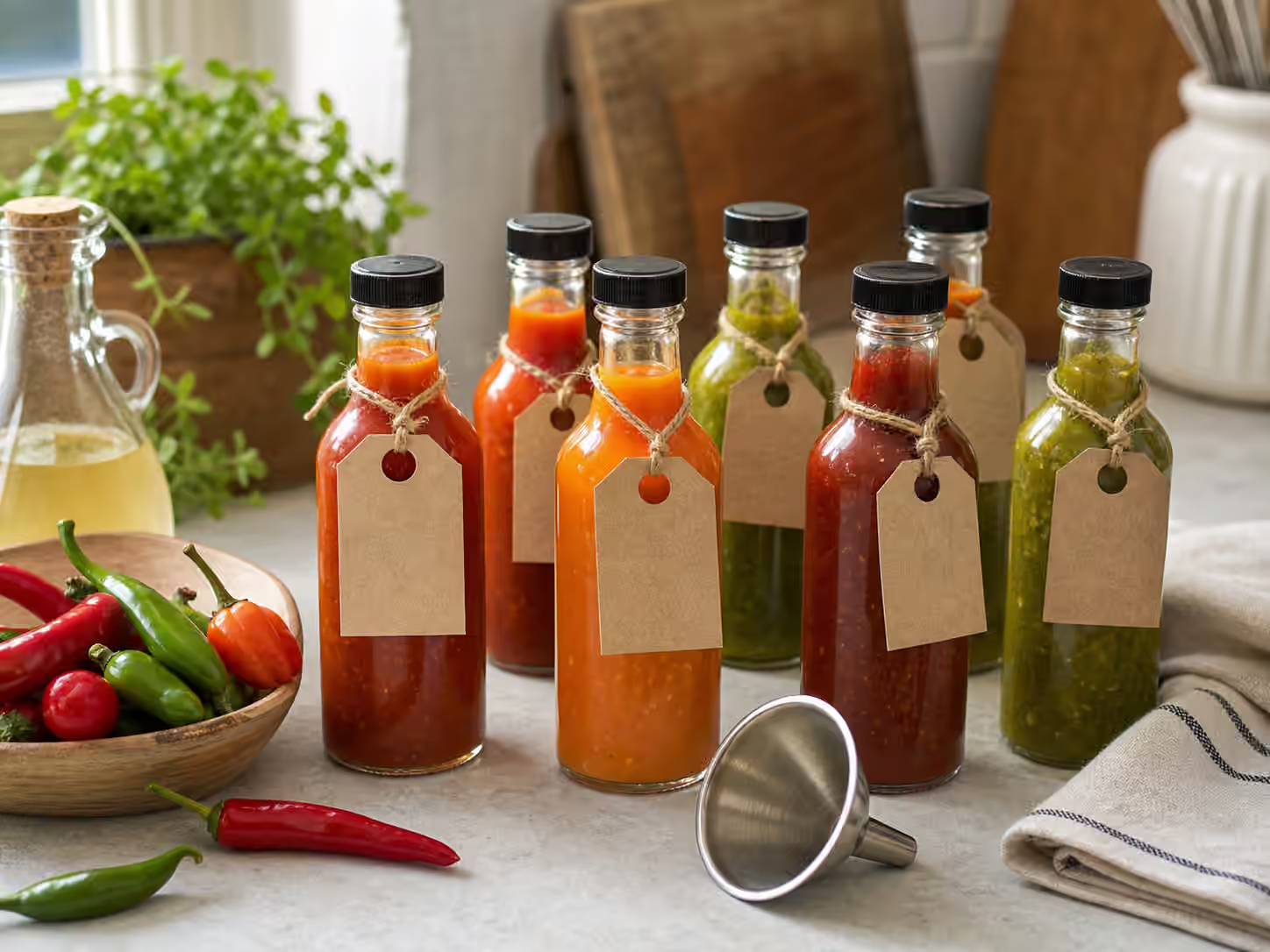
A useful home label can be plain. It should tell the recipient what the sauce is, how hot it feels, when it was made, and where it belongs. “Fresno garlic vinegar, medium, good on eggs and beans” is better than a clever name with no clues. “Habanero carrot, hot, keep refrigerated” gives the important information quickly. The label is not there to perform as a product. It is there to help the sauce get used.
Heat labels should be honest. Mild, medium, hot, and very hot are enough for most home sharing. If the sauce contains superhot peppers, say so plainly. Some people enjoy intense heat, and some do not. A bottle that surprises someone unpleasantly will not be used, even if the flavor is good.
Storage notes should be conservative. If the sauce should stay refrigerated, write that. If it is best used soon because it is fresh, herb-heavy, fruit-heavy, or lightly acidified, say that in ordinary language. Do not imply shelf stability unless you have followed a tested process and measured what needs measuring. Hot Sauce Storage and Safety and pH Testing Homemade Hot Sauce are the right companions when you want to understand those decisions better.
Give Pairing Clues
People use hot sauce faster when they know where to start. A pairing clue prevents the bottle from becoming a mysterious red object in the refrigerator door. Eggs and potatoes. Tacos and beans. Grilled chicken. Rice bowls. Noodles. Roasted carrots. Tomato soup. Sandwiches. A few words can change whether the sauce gets opened this week or saved for an imaginary perfect meal.
Choose pairings from actual tests, not from wishful thinking. If the sauce was excellent on eggs but strange on grilled vegetables, write eggs. If it woke up beans but overwhelmed fish, write beans. Pairing notes are not limiting; they are invitations. Once the recipient likes the sauce in one place, they will find others.
For broader matching ideas, Hot Sauce Pairing Guide and Hot Sauce for Every Dish give a useful vocabulary. A shared bottle needs only the short version.
Transport Without Making A Mess
Hot sauce bottles leak when caps are loose, reducer inserts are not seated, or sauce is trapped on the threads. Before giving bottles away, turn each one gently over a sink or towel and check the cap. Wipe the threads and neck. If the sauce is active from fermentation, be careful with pressure and storage. A bottle that continues fermenting in a warm bag can create problems. Fermented sauces should be finished, stabilized by your chosen method, and stored conservatively before they travel.
Temperature matters most for fresh sauces. If the sauce is meant to stay cold, do not leave it in a warm car for an afternoon. If you are bringing several bottles to dinner, pack them upright and keep them from knocking against each other. A towel, small box, or divided carrier is enough. The goal is simply for the bottle to arrive clean and intact.
Ask For Useful Feedback
When someone tries the sauce, ask questions that help the next batch. What did you put it on? Did you use a few drops or a lot? Was it hotter than expected? Did it pour cleanly? Did the flavor fade in the fridge? These answers are more useful than asking whether they liked it. Liking is kind, but use tells you what the sauce really is.
Feedback can also reveal naming mistakes. You may think of a sauce as a taco sauce while everyone uses it on eggs. You may think a bottle is medium while your friends call it hot. You may think the texture is charming while people quietly fight the cap. That information is not criticism. It is recipe development from a bigger table.
The best shared hot sauce feels cared for without pretending to be commercial. It has a clean bottle, a useful label, a clear storage cue, and a flavor that knows what food it wants. That is enough. The rest happens when someone opens it, tries it on dinner, and reaches for it again.