Sambal-Style Chile Paste and Hot Sauce
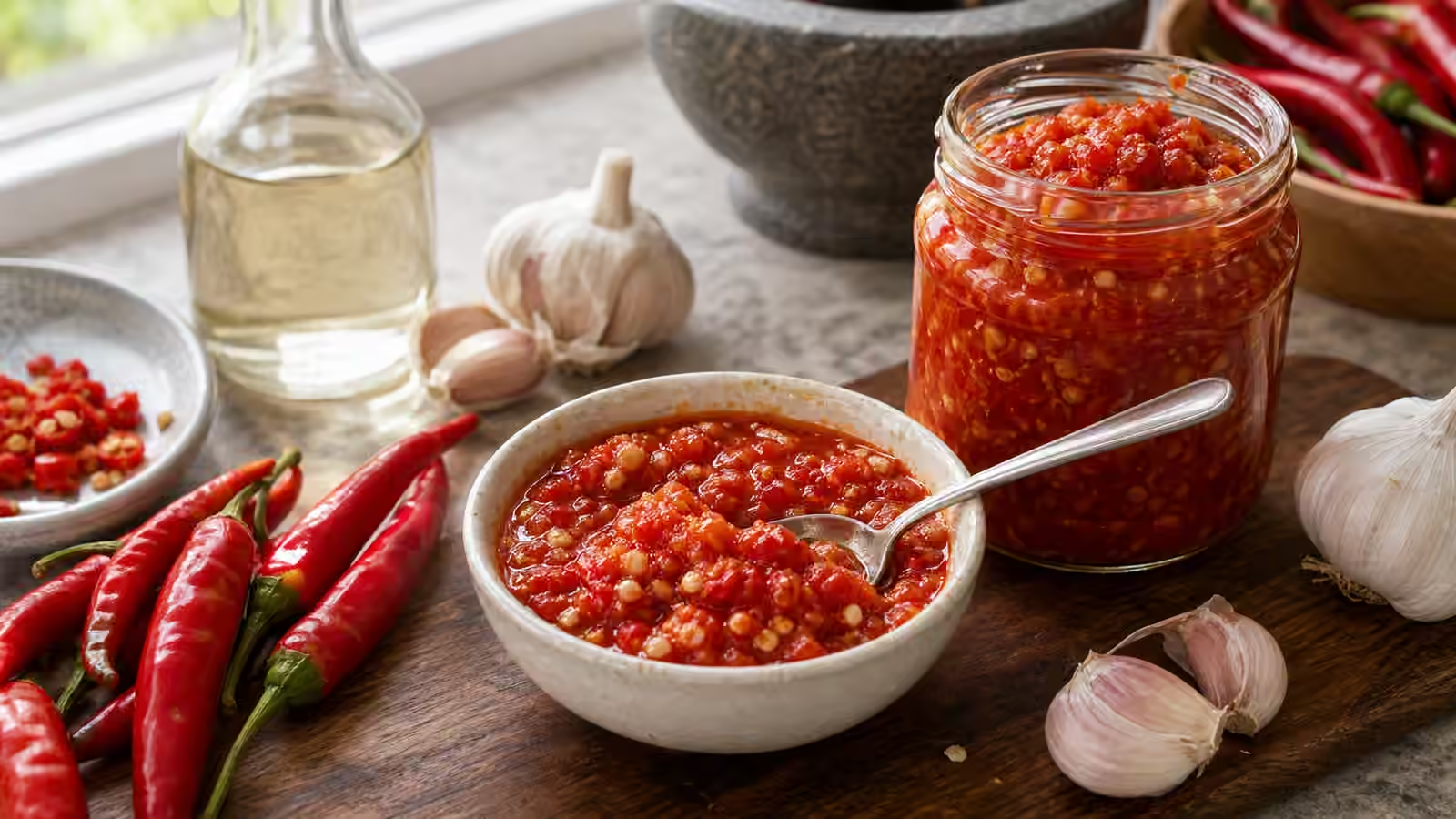
Sambal-style sauce begins with a different assumption than many bottled hot sauces. It does not need to be perfectly smooth. It does not need to pour in a thin stream. It can be coarse, spoonable, fragrant, and direct, with chile flesh still visible and garlic or shallot rounding the edges. The pleasure is in the texture as much as the heat.
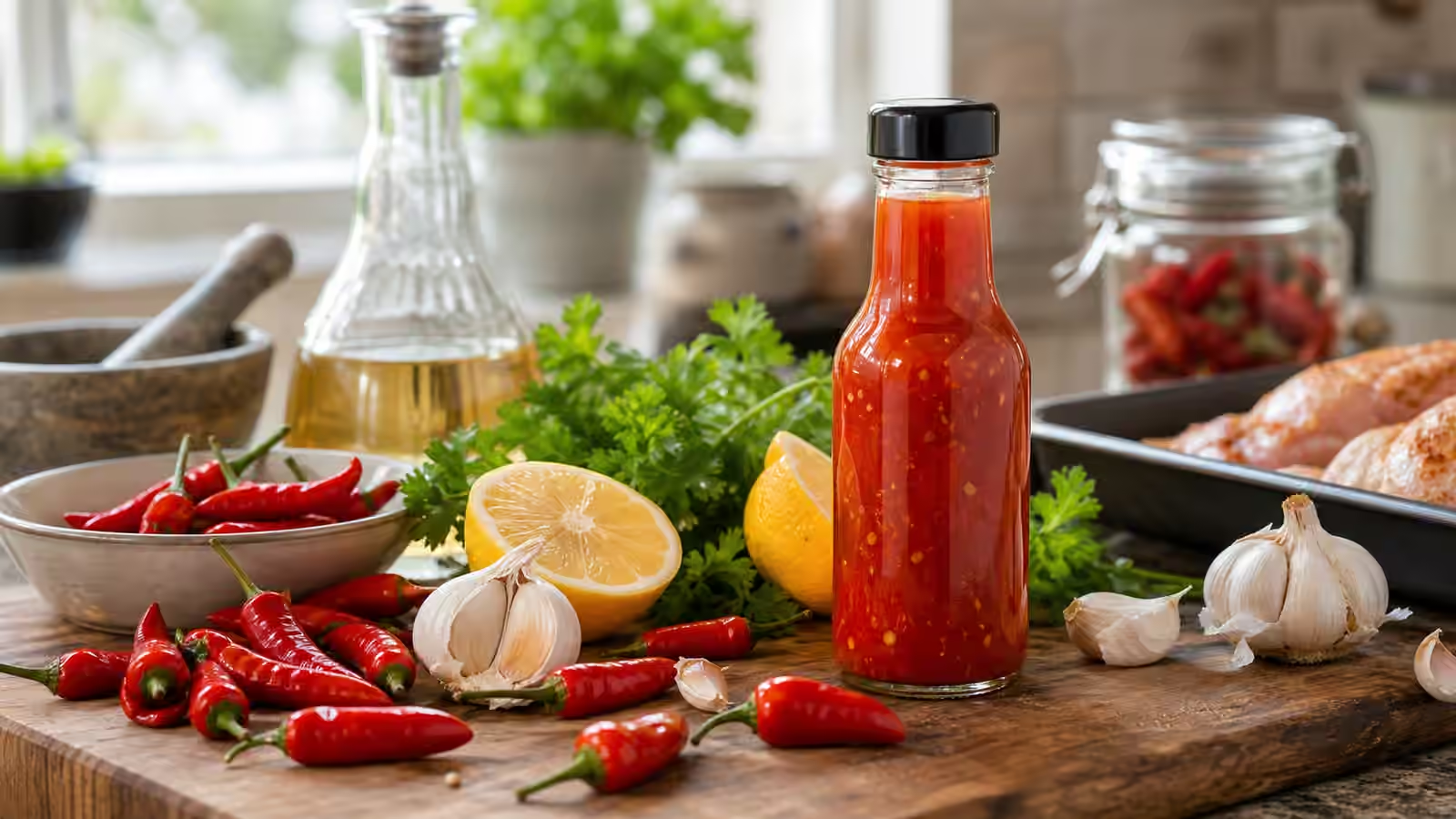
This guide is about making a hot sauce in the sambal family rather than copying one fixed formula. Sambal can mean many things depending on place, ingredient, and use. A home hot sauce version should be clear about its job: a coarse chile condiment that can sit beside rice, noodles, eggs, grilled food, soups, and vegetables without pretending to be a smooth vinegar sauce. If you want a thinner bottle, Thai Chili Garlic Hot Sauce may be the closer neighbor.
Keep The Chile Texture Alive
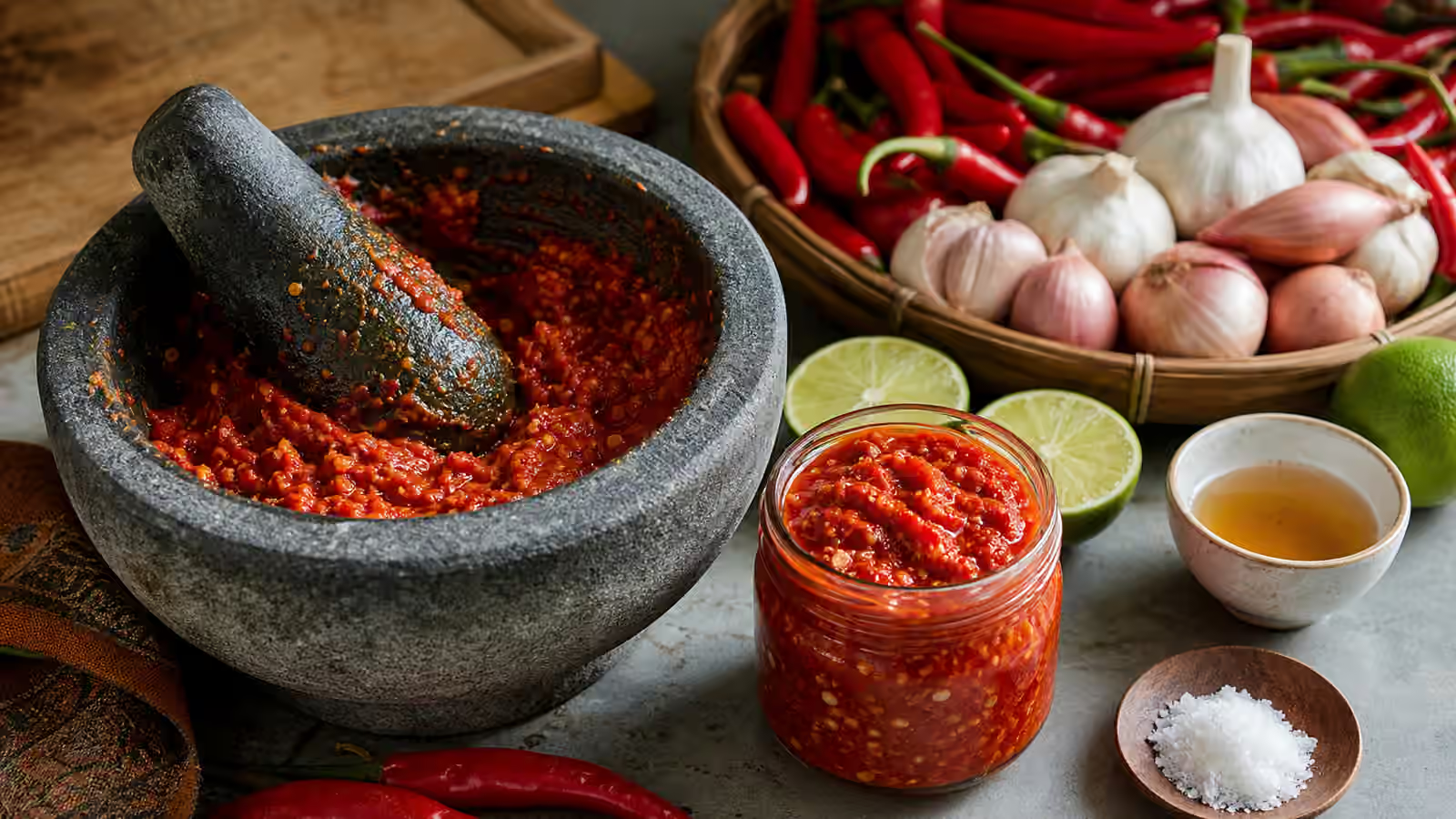
Texture is the center of the style. A sambal-style sauce should show that it came from crushed or chopped chiles, not only from liquid and heat. That does not mean it should be rough in a careless way. Tough skins, woody stems, and too many seeds can make the paste gritty or bitter. The goal is a texture that feels alive on food: small chile pieces, soft garlic, a little juice, and enough body to cling.
Fresh red chiles are the most direct base. Fresno, red jalapeno, red serrano, cayenne, Thai chiles, and similar peppers can all work, but they produce different sauces. A fleshy red jalapeno or fresno gives body and fruit. Thai chiles give sharper heat and less flesh. Cayenne can be clean and thin. Mixing a fleshy medium pepper with a smaller hot pepper often makes a better table paste than chasing heat with one chile alone.
If the peppers are very watery, a brief cook can concentrate them. If they are thin and intense, a little roasted red pepper or milder chile can widen the body. Mild Hot Sauce Without Losing Flavor is useful when the paste should be generous rather than punishing.
Garlic And Shallot Need A Decision
Garlic gives sambal-style sauce its savory pull, but raw garlic can become loud after it rests in acid and salt. Shallot adds sweetness and a rounded allium note. Both can be used raw, cooked, or lightly softened, and the choice changes the sauce more than people expect.
Raw garlic and shallot make the paste feel bright and immediate. They are excellent when the batch is small and meant for quick use. Cooked garlic and shallot make the sauce rounder, sweeter, and more stable in flavor over a few days. A quick saute in a little neutral oil can take away harshness, but oil changes texture and storage expectations, so use it deliberately. A dry roast or brief simmer gives softness without turning the sauce oily.
If garlic bitterness keeps showing up in your sauces, read Garlic Hot Sauce Without Bitterness before increasing the chile load. Bitter garlic does not become better because the sauce is hotter. It only becomes harder to diagnose.
Acid Should Lift, Not Thin The Paste
Sambal-style sauce needs brightness, but it does not have to taste like vinegar first. Lime, vinegar, tamarind-like sourness, or fermented tang can all fit depending on the direction of the batch. The important question is whether the acid supports the chile or turns the paste into a runny sauce that no longer has its own texture.
Add acid in stages. A small splash can make the chile taste clearer. Too much can wash the paste into a thin, sour mixture with floating pepper bits. If the paste needs loosening, consider whether it actually needs more liquid or simply a longer grind. A mortar, food processor, or blender creates different textures. A blender can make the sauce smooth quickly, sometimes too quickly. A food processor leaves more pieces. A mortar gives the most tactile control but takes more time.
Salt is the other half of the lift. Under-salted sambal-style sauce tastes raw and flat even when the peppers are excellent. Oversalted paste becomes difficult because people often use it by the spoonful. Taste it on rice or egg, not only from the utensil. The paste should season the food without making the whole bite taste like salt.
Decide Whether It Is Fresh, Cooked, Or Fermented
A fresh sambal-style sauce is vivid and fast. It tastes of raw chile, garlic, acid, and salt. It belongs in the refrigerator and is best made in a size that will be used while the aroma is still lively. A cooked version is rounder and often more comfortable for repeated use. Cooking can soften the pepper skins, mellow garlic, and bring shallot sweetness forward. It can also dull the top notes if taken too far.
Fermented sambal-style sauce brings another layer. A short ferment can make the chile taste deeper and less raw, especially when the paste is later blended or stirred with vinegar. The mash needs the same clean handling, salt discipline, and submersion care described in Pepper Mash vs. Brine Fermentation and Fermentation Troubleshooting . Fermentation is not a shortcut for unsafe storage. It is a flavor process that needs attention.
The style you choose should match the food. Fresh paste is excellent with fried eggs, quick noodles, cucumber, grilled fish, and rice. Cooked paste is better when you want warmth on sandwiches, roasted vegetables, beans, or leftovers. Fermented paste brings depth to soups, braises, marinades, and sauces that can handle a little funk.
Use The Right Container
A coarse sambal-style sauce usually belongs in a jar, not a narrow bottle. It can clog reducers, trap seeds in caps, and frustrate anyone expecting a clean pour. A small jar with a clean spoon respects the texture. If you want a bottleable version, blend longer, strain only if necessary, and loosen with acid or water in small amounts. At that point, it may become a sambal-inspired hot sauce rather than a true paste, which is fine if the flavor still works.
This is where Bottle Necks, Caps, and Pour Control for Hot Sauce becomes relevant. The container should not fight the sauce. A rough paste in a squeeze bottle feels broken. The same paste in a jar can feel exactly right.
The finished sauce should taste direct but not blunt. You should notice chile flesh, garlic or shallot, salt, acid, and the way the texture grips food. It should make rice less plain, noodles more vivid, and eggs more awake. When sambal-style sauce works, it does not need polish. Its usefulness comes from being vivid, coarse, and honest about heat.