
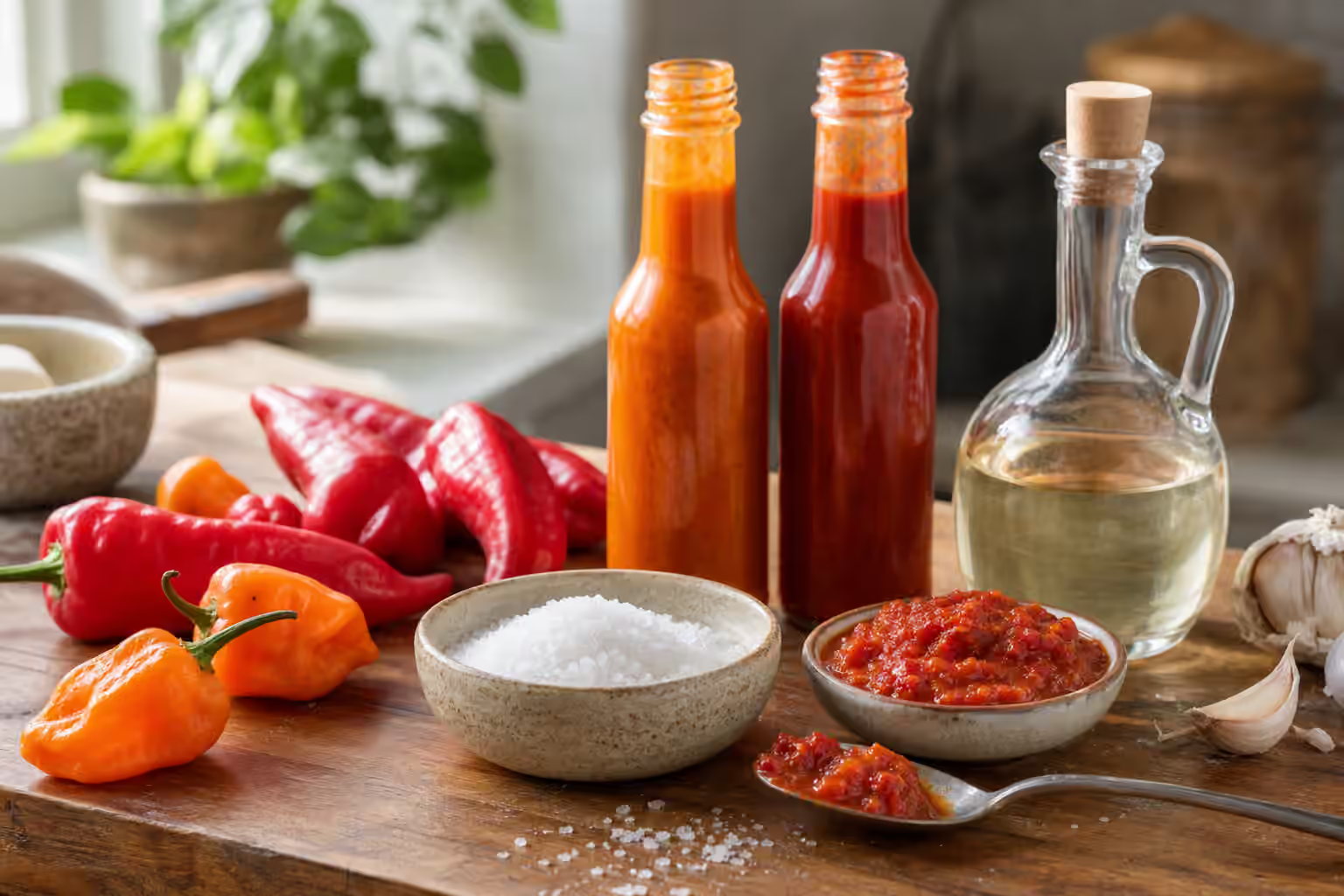
Salt Balance in Hot Sauce
Salt is the quiet ingredient that makes a hot sauce taste intentional. Peppers bring the burn and aroma, vinegar or fermentation brings the sour line, and fruit or aromatics can give the bottle a clear direction. Salt is what lets those parts register as one sauce instead of a collection of loud ingredients. When it is missing, the pepper tastes thinner, the acid feels sharper, and the heat can seem detached from the food. When it is heavy, the sauce stops being seasoning and starts tasting like a brine spill.
This is why salt deserves its own guide rather than a quick mention inside a recipe. In hot sauce, salt is not only a flavor adjustment. It is also part of fermentation design, texture control, perceived heat, and the way a bottle behaves at the table. A sauce that tastes flat may need salt before it needs more vinegar. A sauce that tastes harsh may be salty enough but too thin, too acidic, or too low in pepper body. Learning the difference saves batches.
If you are still choosing the chile base, start with Choosing Peppers for Hot Sauce . Pepper character decides what salt has to clarify. A lean cayenne sauce, a grassy serrano sauce, a ripe habanero sauce, and a deep guajillo sauce all need different support, even when they end up at a similar salt level.
Salt Makes Pepper Flavor Easier To Read
The first job of salt is focus. A ripe fresno sauce without enough salt can taste vaguely red and hot. Add the right amount and the fruitiness becomes clearer, the heat feels less random, and the vinegar seems less separate. The salt has not added a new flavor so much as organized the ones already there. That is why under-salted hot sauce often tricks people into adding more acid, more garlic, or more sweetness. Those additions can improve a spoonful for a moment, but they do not fix the missing structure.
This is especially obvious with mild and medium peppers. Jalapeno, fresno, poblano, ripe bell, and carrot all have sweetness and vegetable aroma that can taste dull if salt is too timid. The sauce may look vivid and smell good, yet disappear on eggs, beans, rice, or grilled chicken. A small salt adjustment can make the pepper taste more like itself. It can also make the heat feel more integrated because the food underneath starts responding to the sauce.
Very hot peppers need the same care, but for a different reason. Habanero, Scotch bonnet, ghost pepper, and similar chiles can overwhelm the palate before their aroma is easy to notice. Salt helps pull their floral, tropical, or savory notes forward so the burn is not the only thing happening. It will not make a punishing sauce mild, and it should not be used to chase bravery. It simply gives the flavor a better chance to arrive before the heat takes over. For more on that tasting side, Heat Tolerance and Balance is the useful companion.
Salt And Acid Work As Partners
Salt and acid are easy to confuse because both make a sauce seem brighter when they are used well. The difference is in the kind of brightness they create. Acid gives lift and contrast. Salt gives definition. A flat sauce may need either one, but the order matters. If you add vinegar to an under-salted sauce, the result can become sour and still lifeless. If you add salt first, the existing acid may suddenly make sense.
A good tasting routine starts with the smallest salt correction you can make, then a short rest, then a taste on food. Hot sauce straight from the blender is full of air and agitation. Salt may not be evenly dissolved, garlic may be too loud, and vinegar may seem sharper than it will after the sauce settles. Resting for even a short time helps you hear the sauce more honestly. Tasting on plain rice, a tortilla, a potato, an egg, or a spoonful of beans tells you more than tasting from a spoon, because hot sauce is supposed to season a bite.
Once the salt is close, acid becomes easier to judge. A sauce that still feels heavy may need vinegar, citrus, or more fermented tang. A sauce that tastes sharp but hollow may need more pepper solids or body rather than more salt. The balance between sourness and seasoning is covered in Vinegar and Acid Balance in Hot Sauce , but the short version is simple: salt makes the pepper clearer, acid makes the sauce more agile, and neither should be asked to do the other’s work.
Fermentation Salt Is A Design Choice
In fermented hot sauce, salt also shapes the jar before flavor adjustment begins. A measured salt level helps favor the fermentation you want and slows the activity you do not. Too little salt can make the ferment unpredictable. Too much can slow it until the peppers taste preserved rather than transformed. This is why experienced makers weigh salt instead of shaking it in by instinct.
For a pepper mash, many home ferments live around two to three percent salt by weight of the peppers and other fermenting ingredients. A lower number often ferments faster and tastes brighter, while a higher number can feel steadier and more controlled. For a brine ferment, the salt percentage is usually based on the water, and common home ranges are often higher than mash ranges because the peppers are sitting in a measured saltwater environment. These numbers are not decoration. They change speed, flavor, texture, and how much salty liquid you may later blend into the bottle.
A brine is not wasted liquid. It carries salt, acidity, pepper aroma, garlic, and fermentation character. When a fermented mash is too thick, reserved brine can thin it without making it taste diluted. The risk is that brine can also push the finished sauce past the point where it tastes seasoned and into a place where it tastes salty first. Blend with less brine than you think, taste, then add more only when the sauce needs both looseness and seasoning.
Fermentation has its own safety and spoilage questions, and salt is only one part of that system. Clean tools, submersion, acidity, temperature, and good judgment all matter. If the jar is the part you are working on, read Fermentation Flavor Design for the broader method and Fermentation Troubleshooting when something in the jar looks or smells off.
Different Salts Behave Differently
Salt type matters less than measurement, but it still affects how people cook. Fine sea salt and table salt pack densely into a spoon, so they can make a batch saltier than expected if a recipe was written with coarse kosher salt in mind. Coarse salts are easier to pinch and sprinkle, but their crystals dissolve more slowly. Flaky finishing salt is lovely on food and awkward in a blender because its volume can be misleading. Iodized table salt can work from a chemistry perspective, but some makers avoid it because they dislike the flavor impression it can leave in simple sauces.
The practical answer is to weigh salt when precision matters. This is especially true for fermentation, repeat batches, and sauce development where a few grams change the result. A scale turns salt from a guess into a decision. For final seasoning, weighing is still useful, but tasting matters more because pepper ripeness, vinegar strength, fruit sweetness, and reduction all change how salty a sauce seems.
Water also matters when salt becomes brine. Salt should dissolve fully before it is poured over peppers so the jar begins evenly seasoned. If salt sits as a mound at the bottom, some peppers may spend time in weak brine while the bottom of the jar becomes overly salty. Stir or shake the brine until it is clear, then pack the peppers so they stay submerged. That habit is small, but it prevents many uneven ferments.
Texture Changes How Salty A Sauce Feels
A thin vinegar sauce shows salt quickly. Every drop spreads across the tongue, so a small excess is obvious. A thicker sauce hides salt at first because pepper solids, fruit, carrot, onion, or fermented mash slow the way flavor moves. That does not mean thick sauces need more salt automatically. It means they need more careful tasting after rest. A dense habanero-carrot sauce can seem balanced on the first spoonful and too salty by the third bite of dinner.
Straining changes the equation again. When you strain out pulp, you often remove body while leaving much of the salt and acid in the liquid. The sauce can become cleaner but sharper. If the strained version suddenly tastes salty or sour, the issue may not be that you added too much salt. It may be that you removed the solids that were carrying the seasoning comfortably. Stirring back a small amount of pulp, blending in cooked pepper flesh, or choosing a partial strain can restore balance without starting over.
This is why texture work should happen before final seasoning when possible. Blend, strain or do not strain, thin to the right pour, let bubbles settle, then adjust salt. Hot Sauce Texture and Body goes deeper on those choices, especially when a sauce separates, clogs a bottle, or tastes good but lands badly on food.
Fixing A Sauce That Is Too Salty
An over-salted sauce is not always ruined, but the fix depends on where the salt lives. If the sauce is also too thick, thinning with unsalted pepper puree, cooked vegetables, fruit, water, or vinegar can help, but each liquid changes flavor. If the sauce is thin and already acidic, more vinegar may make it brighter while leaving the salt exposed. More sugar can distract from salt for one bite, yet it can also turn the bottle into a sweet-salty sauce where the pepper disappears. The better fix is usually dilution with ingredients that belong in the sauce’s original idea.
For a red pepper sauce, that might mean blending in more cooked fresno, roasted red pepper, tomato, or carrot. For a green sauce, it might mean more jalapeno, poblano, tomatillo, herbs, or a small amount of water if the flavor is already strong. For a fermented sauce, unsalted cooked pepper can reduce salinity, while reserved brine usually makes the problem worse. If the batch is very salty, treat it as a concentrate. Use it in marinades, beans, soups, braises, or vinaigrettes where the dish itself needs salt, rather than forcing it to behave as a table sauce.
Prevention is easier. Add salt in stages after blending. Remember that reductions concentrate seasoning. Remember that salty ingredients such as brine, miso-like ferments, pickle liquid, fish sauce style seasonings, or preserved citrus can stack quickly. Let the sauce rest before making the final call. Hot sauce is concentrated, and concentration punishes impatience.
Let The Table Set The Target
Salt balance is not a universal number. A splash sauce for fried chicken, greens, beans, or soup can carry a firm salt line because it is used in drops and meets a lot of food. A spoon sauce for tacos, grilled vegetables, or rice bowls may need a softer salt impression because people use more of it at once. A fruit hot sauce may need enough salt to keep sweetness vivid without tasting candied. A fermented sauce may already bring salty depth from the jar and need only a small finishing adjustment.
Food is the final test. If a sauce tastes exciting alone but makes dinner taste cluttered, it may be too salty, too acidic, too sweet, or simply the wrong texture for the job. If it tastes modest alone but makes beans, eggs, noodles, or roasted vegetables come alive, the balance is probably doing what it should. Hot sauce is not a trophy for the spoon. It is a seasoning for the plate.
The best salt balance disappears into clarity. You notice the pepper, the acid, the aroma, the food, and the way the heat keeps moving. You do not think, “this needs salt,” and you do not think, “this tastes salty.” You keep reaching for the bottle because every drop makes the bite more readable.


