Salsa Macha-Style Crunchy Hot Sauce
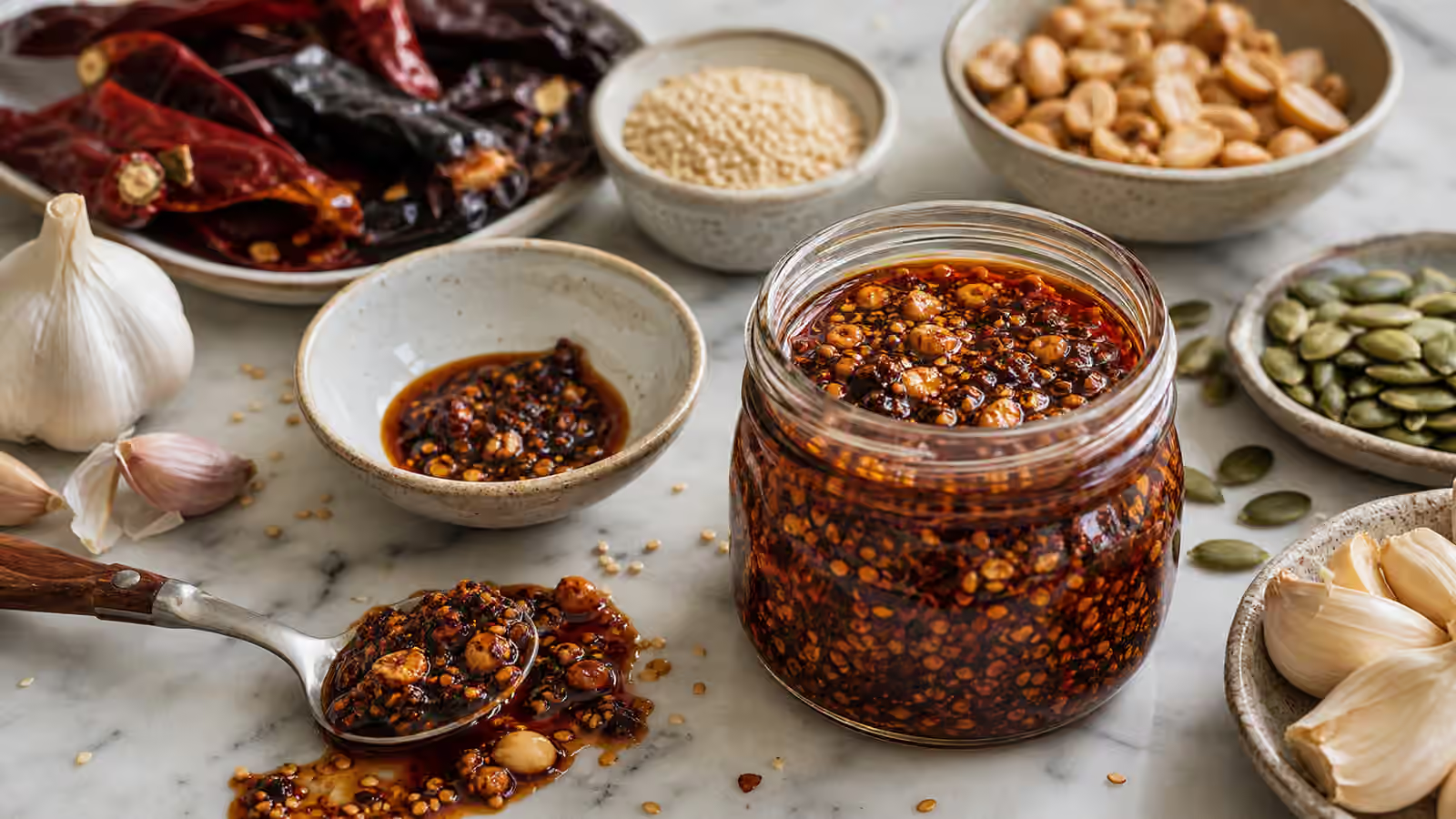
Salsa macha-style sauce is hot sauce with crunch, oil, and shadow. Dried chiles give depth. Garlic gives savoriness. Seeds and nuts give texture. Oil carries aroma across the food. The result can make eggs, beans, noodles, tacos, roasted vegetables, soups, and rice taste fuller with one spoonful. It can also become muddy, bitter, greasy, or too hot if the pieces are not kept in balance.
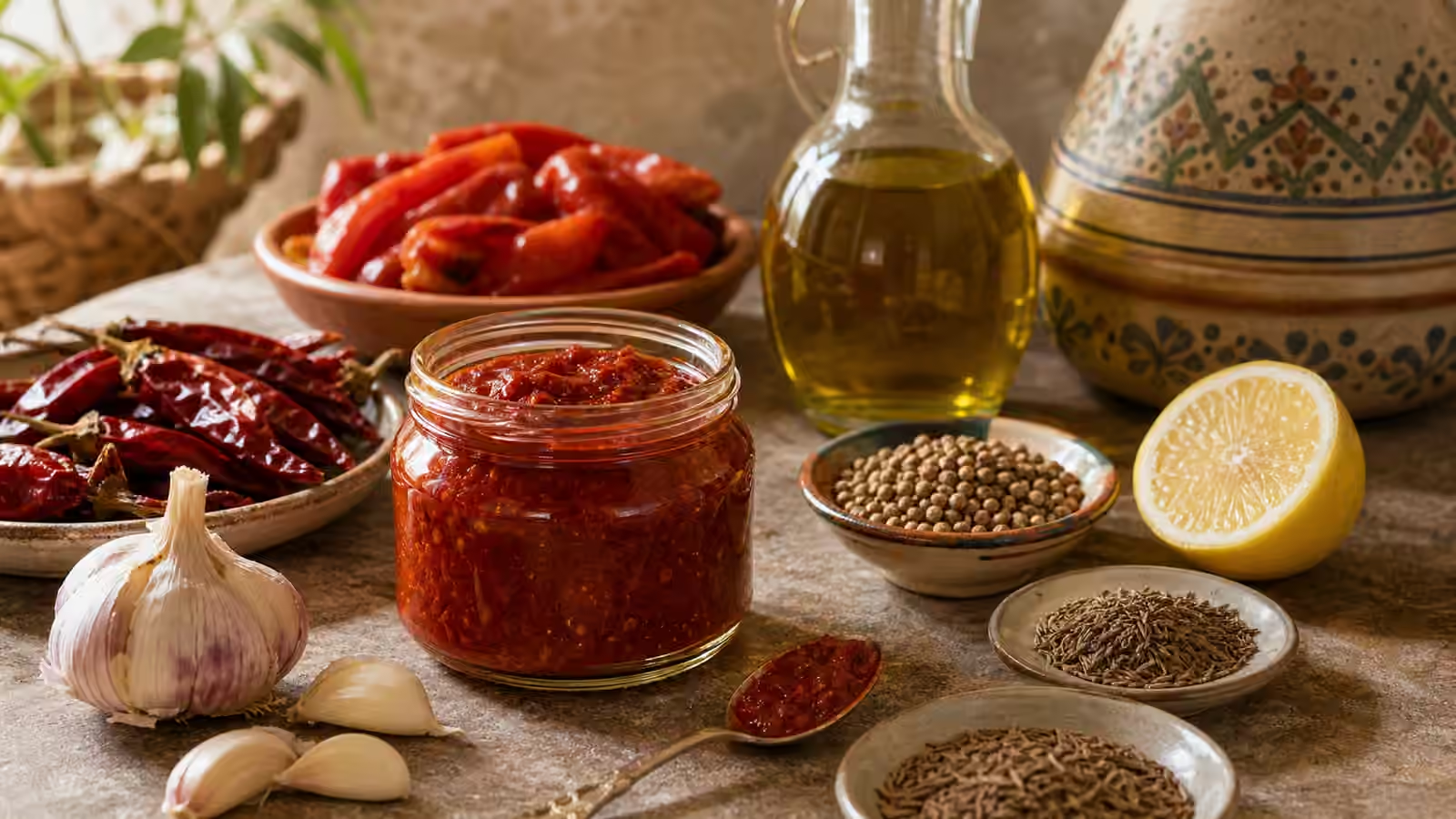
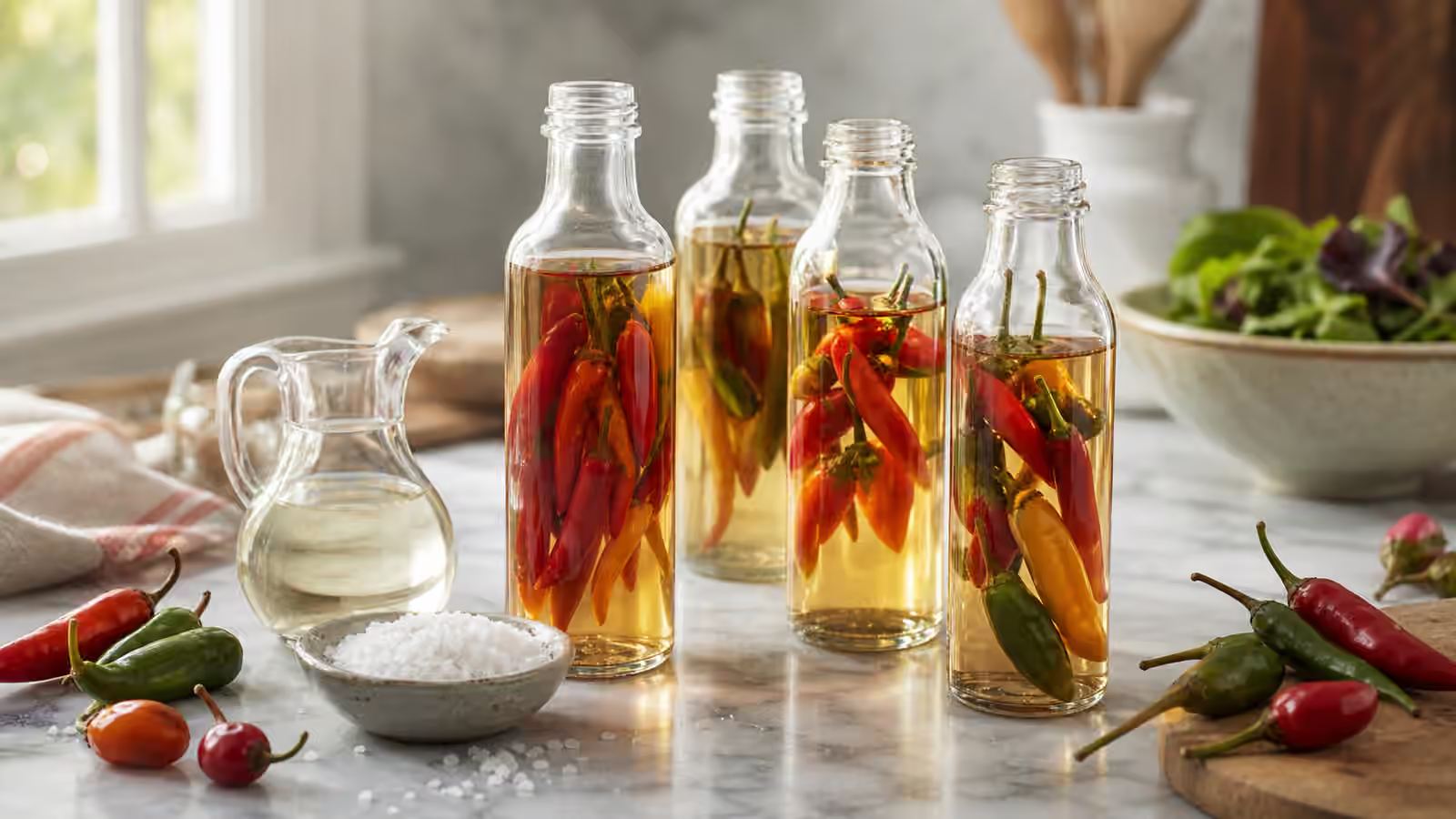
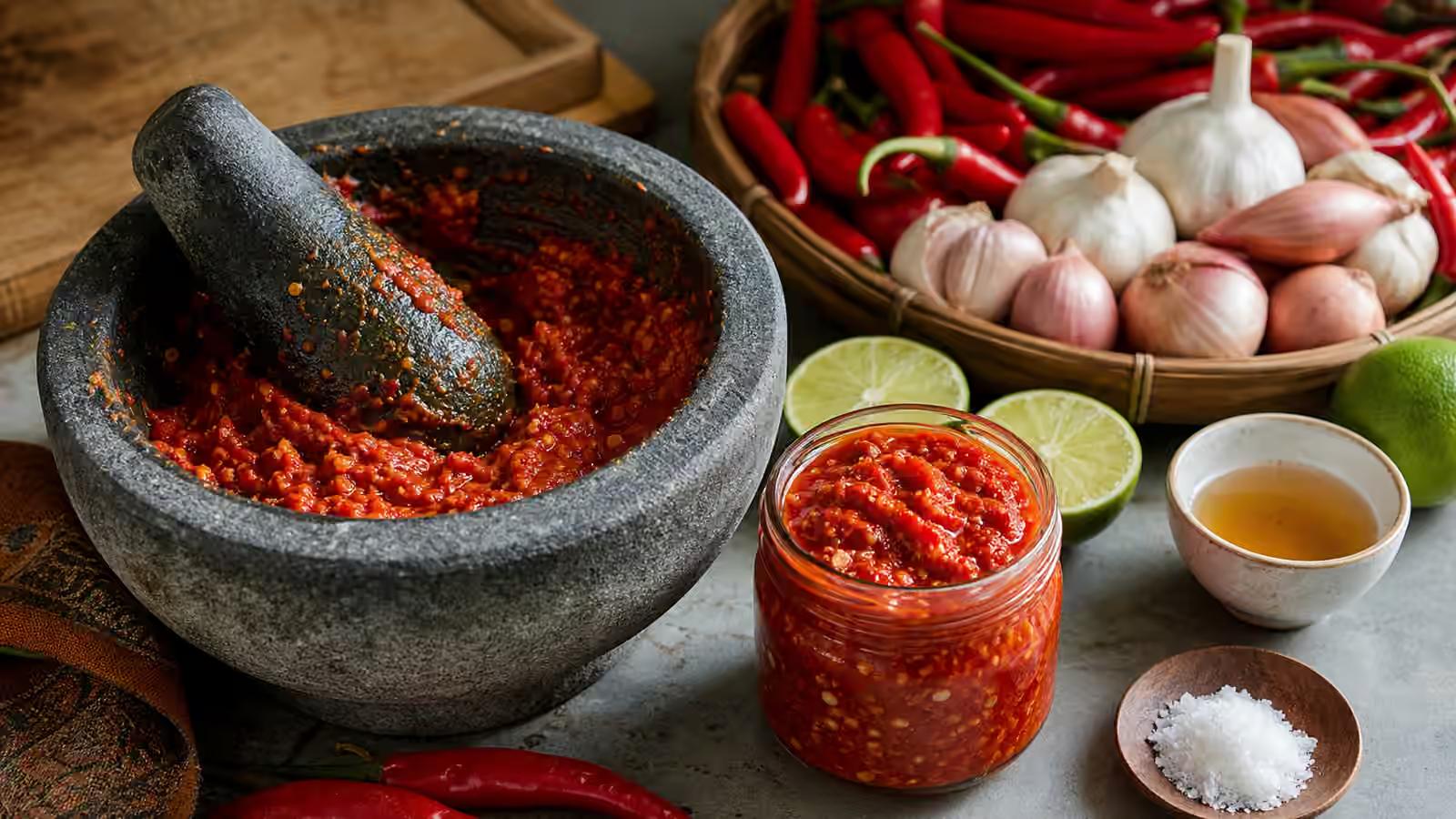
This style belongs near Mexican Dried Chile Table Sauce and Dried Chiles in Hot Sauce , but it has a different center. A dried chile table sauce uses liquid, tomato, tomatillo, or soaking water to become spoonable. Salsa macha-style sauce uses oil and texture. It is a condiment, not a thin bottle sauce.
Dried Chiles Set The Bass Line
The chile choice determines whether the sauce tastes fruity, smoky, bitter, sharp, or round. Ancho brings raisin and softness. Guajillo brings red fruit and color. Morita or chipotle brings smoke, which should be used carefully. Arbol brings direct heat and crunch but little body. Pasilla can add dark fruit and earth. A good version often blends a flavorful mild chile with a smaller amount of a hotter one.
The toast is critical. Dried chiles need enough heat to wake up, but they burn quickly. Burnt chile tastes acrid, and oil will carry that bitterness into every bite. Toast in brief contact with moderate heat, turning often, and stop when the aroma opens. If the kitchen smells harsh, start over. No amount of garlic, sugar, or vinegar will fully hide scorched chile.
Remove stems and consider removing many seeds if they seem dusty. Some seed texture is welcome in this style, but old or excessive seeds can make the crunch taste dry. The goal is a deep red condiment that tastes roasted and alive, not a jar of bitter flakes suspended in oil.
Garlic Must Be Golden, Not Dark
Garlic is one of the main pleasures of salsa macha-style sauce, but it has a narrow window. Pale garlic can taste raw and sharp. Deep brown garlic can taste bitter. The sweet spot is golden, fragrant, and crisp enough to keep some character after it meets the oil and chile. Sliced garlic gives more control than minced garlic because it browns more evenly and is easier to remove from heat at the right moment.
Shallot can add sweetness, but it also brings moisture. Moisture and hot oil need caution. Cook gently and give the water time to leave before the solids brown. If the oil spits aggressively, the heat is too high or the ingredients are too wet. This is kitchen judgment, not a race.
Garlic Hot Sauce Without Bitterness applies here with extra force because oil magnifies toasted flavors. Good garlic makes the jar savory. Burnt garlic makes every spoonful taste old.
Seeds And Nuts Need A Clear Role
Sesame seeds add a small, persistent crunch and nutty aroma. Peanuts make the sauce rounder and more filling. Pumpkin seeds add green depth and a firmer bite. Sunflower seeds can work when a simpler crunch is wanted. The choice should match the food. A peanut-heavy version feels generous on noodles and rice. A sesame-forward version feels lighter. Pumpkin seeds can make roasted vegetables and beans taste deeper.
Do not overload the jar with every possible crunchy thing. Too many solids absorb oil and turn the condiment into a dry rubble. Too few solids leave flavored oil with occasional chile flakes. The best texture moves easily from spoon to food while leaving visible chile, garlic, and seed pieces behind. If the spoonful looks like mostly oil, add more texture next time. If it stands like a paste, it may need more oil or fewer dry ingredients.
Allergy-aware serving matters when nuts are used. If you share the sauce, be plain about what is in it. This is not legal labeling advice; it is ordinary hospitality. A jar with peanuts or sesame should not be treated as a mystery condiment.
Oil Carries Flavor But Changes The Rules
Oil is the carrier, not the whole point. Neutral oil lets the chiles and garlic lead. Olive oil can work in some versions but brings its own flavor and may dominate. Toasted sesame oil is powerful and should be an accent if used at all. The oil should taste clean and fresh because rancid oil will ruin the jar quickly.
Oil-based garlic and chile condiments deserve conservative storage habits at home. Keep batches modest, refrigerate them, use clean utensils, and do not rely on flavor or heat as a safety guarantee. Acid can brighten the finished sauce, but a splash of vinegar does not turn an oil-heavy jar into a shelf-stable product. Storage, Shelf Life, and Safety is the broader reference.
The texture will firm in the refrigerator if the oil solidifies. That is normal for some oils. Let the jar sit briefly at room temperature before spooning if needed, then return it to the refrigerator. Avoid leaving the jar open on a warm counter during a long meal.
Acid, Salt, And Sweetness Finish The Jar
Salsa macha-style sauce can taste heavy if it is only chile, oil, and garlic. Salt brings the flavors forward. A little vinegar, lime, or another bright acid can make the oil feel less dull. A quiet touch of sweetness can soften bitter chiles, but too much turns the sauce into candy with heat. The finishing adjustments should make the jar more useful, not louder.
Taste on food. A spoonful alone may seem intense, oily, or too hot. On rice, beans, eggs, noodles, roasted squash, or a tortilla, the same spoonful may make sense. This is a condiment that expects a base. It should season, enrich, and add texture all at once.
Because the sauce includes pieces, a jar is usually better than a bottle. A narrow opening traps garlic, seeds, and chile flakes. A spoon lets each serving include oil and solids in the right proportion. If the oil rises and solids sink, stir before serving. The goal is not perfect suspension. It is a spoonful that carries the whole idea.
The finished sauce should have contrast: crisp garlic, fragrant chile, small seeds, enough oil to spread, enough salt to season, and just enough brightness to keep the next bite appealing. When salsa macha-style hot sauce works, it does not compete with the meal. It gives the meal a darker edge and a texture people remember.