Resting and Aging Hot Sauce
Hot sauce rarely tastes exactly the same the moment it leaves the blender and the next day. Foam collapses. Salt finishes dissolving. Garlic spreads. Vinegar seems less separate. Pepper pulp settles into the liquid. Fermented notes can become clearer after the oxygen from blending disperses. A cooked sauce may taste softer once it cools completely. A fresh sauce may lose some top-note sparkle but become easier to judge. Resting does not fix every problem, but it often reveals what the sauce actually is.
This matters because many final adjustments are made too early. A sauce tastes sharp, so more sweetness goes in. A sauce tastes thin, so more pepper pulp goes in. A sauce tastes dull, so more vinegar goes in. Twenty minutes later, the same sauce may have settled into better balance, or it may show a different flaw. The point of resting is not patience for its own sake. It is tasting the sauce at the moment when the ingredients have stopped arguing loudly enough for you to hear the real problem.
If the sauce has just been blended and needs immediate correction, Adjusting Hot Sauce After Blending is the closest companion. This guide begins there and follows the bottle farther: the first hour, the overnight rest, and the longer changes that happen in the refrigerator.
The First Twenty Minutes
The first rest is short and practical. Freshly blended sauce is full of tiny air bubbles. Those bubbles make the color look lighter, the texture look thicker, and the aroma seem louder. They can also hide separation. A sauce that looks creamy while spinning may split into liquid and pulp as soon as it sits. A sauce that seems too thick may loosen once air rises. Judging texture straight from the blender can lead to unnecessary thinning or straining.
Salt also needs time. In a thin vinegar sauce, salt disperses quickly. In a thick habanero-carrot sauce, fermented mash, or fruit sauce, it can take longer for seasoning to taste even. A sauce that seems slightly under-seasoned after thirty seconds may taste right after a short rest and a stir. A sauce that seems harsh may simply have undissolved salt, raw garlic, and acid hitting the tongue in separate flashes.
Use the first rest to observe. Let the sauce stand in the blender jar or a clean bowl. Stir it after the foam calms. Watch whether a watery layer appears. Smell again once the sharpest vapor has faded. Then taste a small amount on food. The spoon catches obvious faults, but food shows whether the sauce can do its job.
Overnight Is A Different Test
An overnight rest is the first real preview of the bottle. Garlic becomes more integrated, or it becomes too loud. Raw onion either softens into the background, or it announces that the sauce should have used less. Vinegar can become less separate as pepper pulp absorbs seasoning. Fruit sweetness can feel rounder. Heat can seem slower but longer because the sauce is no longer a foamy, freshly blended mixture.
This is why small sample jars are useful. Before bottling a whole batch, set aside a little sauce in a clean covered container and taste it the next day. If the sauce improves, the main batch may only need bottling. If it becomes dull, it may need a brighter acid finish. If it becomes harsh, it may need more body, a different serving plan, or a smaller dose. Hot Sauce Batch Notes and Recipe Development helps make this comparison more than a vague memory.
The overnight test is especially important for fresh sauces. Lime fades. Herbs darken. Raw garlic grows. A no-cook sauce can taste thrilling at first and clumsy after a night if it was built on fragile aromas alone. That does not make fresh sauce worse. It means the batch size and storage plan should match the style. A bright green sauce may be perfect for a week of meals, not a pantry shelf. Fresh Green Hot Sauce explains that shorter-lived freshness in more detail.
Fermented Sauces Keep Moving
Fermented hot sauce can keep changing after blending because it already comes from a living process. Even after refrigeration slows activity, the flavor may continue to round out. Lactic acidity can feel softer with time. Garlic can become less raw. Harsh pepper heat may seem more integrated. A sauce that tasted slightly disjointed on bottling day may become more coherent after several days cold.
That does not mean every change is improvement. Fermented sauces can also become too sour, too funky, or too flat if the final blend was not balanced. A ferment that smelled questionable in the jar will not become trustworthy because it sat in a bottle. Surface growth, unpleasant odor, pressure, and poor handling need judgment before blending, not optimism afterward. Fermentation Troubleshooting and Fermented Hot Sauce Safety belong earlier in the process.
For flavor, the practical habit is repeated tasting. Taste after blending, after a night, and after several days. Use the same simple food each time if you can. Rice, beans, eggs, potatoes, or a plain tortilla make comparison easier because they do not change the sauce too much. Write down whether the sauce became brighter, rounder, hotter, duller, saltier, or more separated. The pattern will help the next batch more than a single note that says it was good.
Cooked Sauces Need Complete Cooling
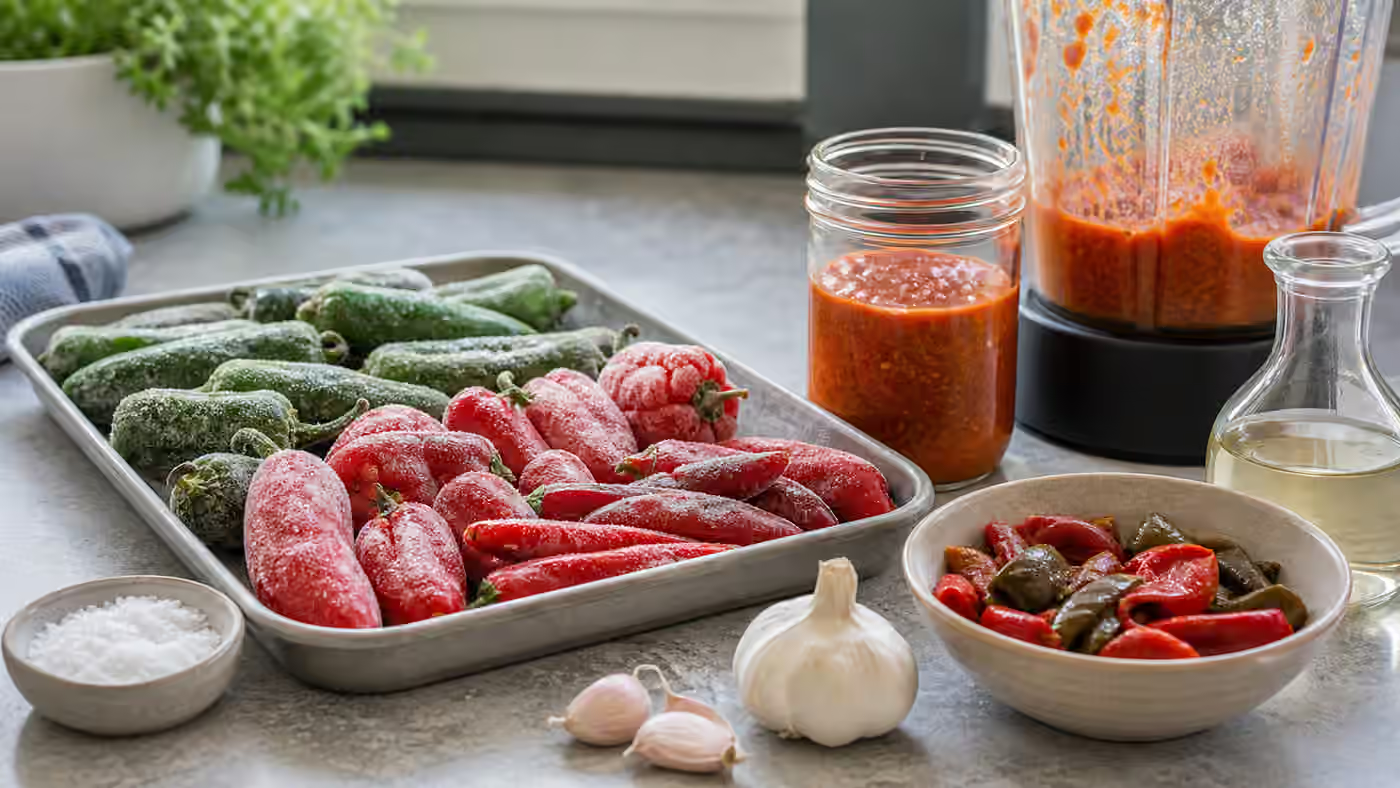
Cooked sauces can fool you while warm. Heat makes aroma rise, softens texture, and changes how acid and salt register. A warm cooked sauce may taste round and generous, then taste sharper after chilling. Another sauce may taste muted while warm and become clearer once the vinegar and pepper settle. This is why final seasoning should not depend only on the hot pot.
Cool enough to taste safely and accurately, then taste again later. A cooked red sauce may need a small vinegar lift after chilling because the cooked vegetables became sweeter and heavier. A roasted pepper sauce may need salt because smoke and sweetness hid the seasoning when warm. A dried chile sauce may need rest because toasted skins and vinegar can taste rough at first, then settle into a more coherent depth.
Cooling also reveals texture. Pectin, pepper pulp, and cooked vegetables thicken as they cool. A sauce that poured beautifully warm may move slowly from the bottle the next day. A sauce that seemed slightly loose in the pot may become perfect after refrigeration. Before thinning or reducing aggressively, let the sauce reach the temperature at which it will actually be used. Cooked Hot Sauce covers the cooking side, while Hot Sauce Texture and Body helps when the cooled pour is wrong.
Aging Is Not A Substitute For Balance
It is tempting to treat aging as a cure. A harsh sauce might mellow. A raw garlic sauce might calm down. A fermented sauce might become deeper. Sometimes that happens. But time cannot supply missing salt, replace poor pepper flavor, or make severe bitterness disappear. A sauce with a bad foundation usually becomes an older version of the same problem.
Use aging for integration, not rescue. If the sauce is close, a rest can bring it together. If the sauce is fundamentally too hot, too thin, too salty, or too bitter, adjust in a sample before waiting for time to do work it cannot do. A small cup lets you test more vinegar, more base, more salt, or partial straining without committing the entire batch. Once a correction tastes better after its own short rest, apply it to the larger sauce with care.
Oxygen is part of aging too. A half-empty bottle changes faster than a full one. Headspace, light, heat, and repeated opening all affect color and aroma. Green sauces dull. Bright orange sauces can darken. Garlic-heavy sauces can become heavier. None of this requires panic, but it argues for smaller bottles when a sauce is delicate or used slowly. Hot Sauce Color Control explains why the visual change often mirrors flavor change.
Store For The Sauce You Made
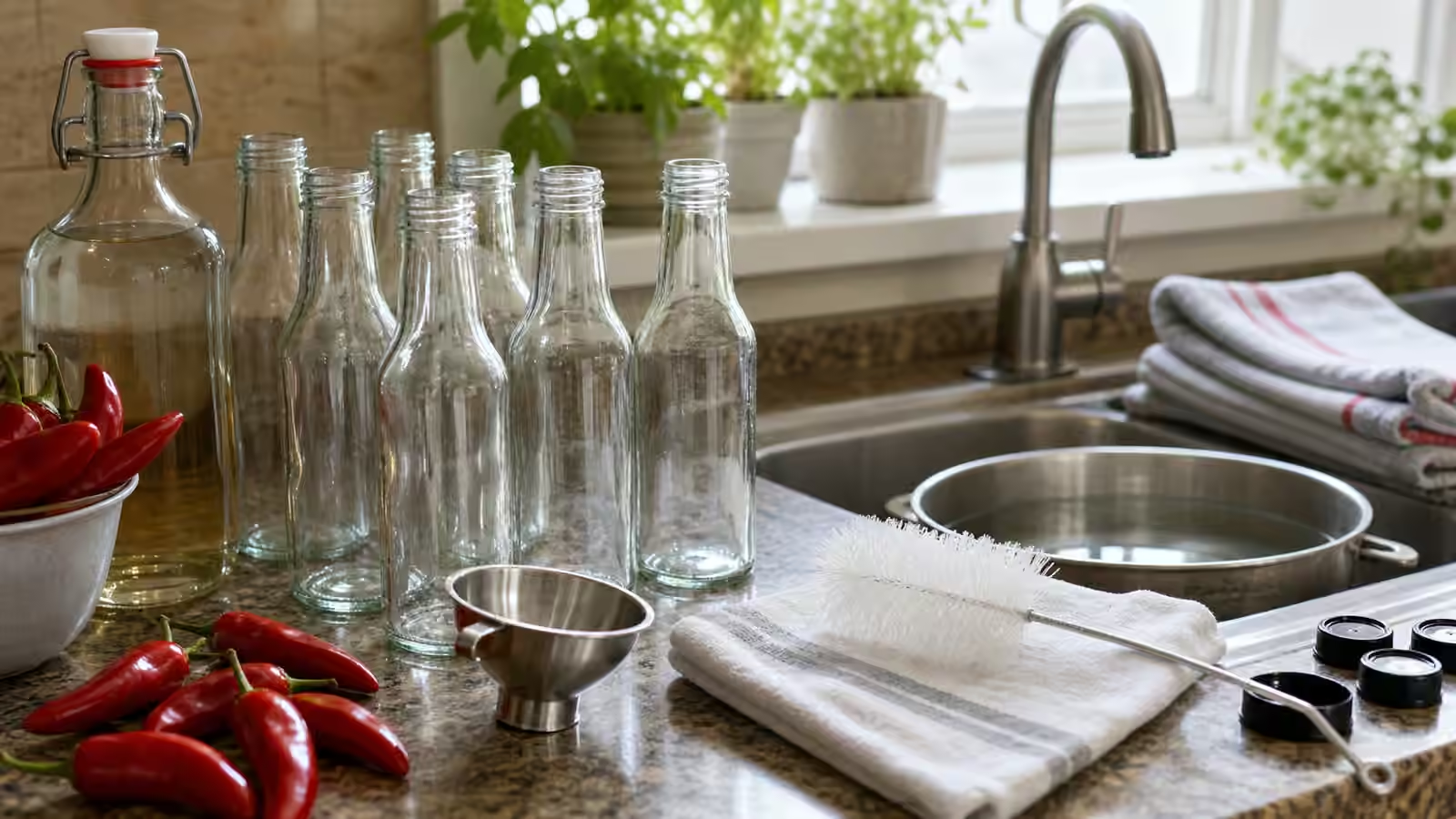
Resting and aging should happen under a storage plan that matches the recipe. Homemade sauces are usually best kept refrigerated unless you are following a tested process for shelf storage. Acidity, pH, sanitation, heat processing, bottle type, and recipe composition all matter. A cooked sauce is not automatically shelf stable. A fermented sauce is not automatically safe at room temperature. A vinegar sauce still deserves clean handling.
Small bottles can make better sauce than large ones because they reduce the time a bottle spends half full. A narrow bottle suits thin sauces that are used in drops. A jar suits thick sauces that are spooned. A fresh herb sauce may belong in a small container because its best life is short. A dense fermented red sauce may hold its character longer under refrigeration, but it still benefits from clean rims, tight caps, and steady cold. The larger storage frame is covered in Hot Sauce Storage and Safety .
The best use of time is observation. Taste the sauce when it is new, when it has rested, and when it has lived in the refrigerator long enough to show its direction. Notice whether the heat stretches, the acid softens, the garlic grows, the color dulls, or the texture separates. Those changes are not distractions from the recipe. They are part of the recipe’s real life. A sauce is finished when it tastes good in the bottle it will use, at the temperature it will be served, on the food it was made to improve.