Peri-Peri Style Hot Sauce
Peri-peri style hot sauce works best when it tastes quick, bright, and savory rather than simply sharp. The heart of the style is small red chiles, garlic, citrus, vinegar, and herbs, but the useful bottle is not built by making every one of those ingredients louder. It is built by letting the chile heat stay clean while the lemon, garlic, and green notes give the sauce somewhere to go.
This is a good gap to fill after reading Choosing Peppers for Hot Sauce because peri-peri style sauce depends on pepper character more than sweetness or heavy smoke. Bird chiles, small red Thai chiles, red serranos, cayennes, fresnos, and similar peppers can all point the sauce in the right direction, but they do not land the same way. Some burn fast and narrow. Some bring ripe red fruit. Some taste grassy even when red. The choice decides whether the finished bottle feels like a clean table splash, a grilled chicken sauce, or a garlic-heavy kitchen condiment.
Keep The Heat Narrow Enough To Taste
Small red chiles can be exciting, but a sauce made only from the hottest ones often becomes difficult to use. Peri-peri style sauce usually has a forward burn, yet the best versions leave room for acid, garlic, and herbs to register before the mouth goes numb. If the available peppers are very hot, widen the base with fresno, red jalapeno, roasted red pepper, or a little carrot rather than drowning the batch in vinegar later. Diluting with ingredients that belong to the flavor family keeps the bottle tasting intentional.
The shape of the burn matters too. A thin vinegar-heavy sauce carries heat quickly across the tongue and then moves on. A thicker sauce with roasted pepper, onion, or a small amount of oil clings longer. Neither texture is wrong. The decision should match the food. A splashy peri-peri sauce is excellent for eggs, soups, rice, and fried food. A medium-bodied version is better for grilled chicken, roasted potatoes, sandwiches, and vegetables because it can sit on the surface instead of running into the plate.
Garlic Should Support The Chile
Garlic is essential to the style, but it can push the sauce from lively to harsh very quickly. Raw garlic gives bite and aroma. Cooked garlic gives sweetness and depth. Blanched or briefly warmed garlic sits between those two extremes. If the sauce is meant to be fresh and used quickly, a little raw garlic can make the lemon and chile feel awake. If the bottle is supposed to rest for several days, raw garlic may bloom until it tastes metallic and persistent.
Garlic Hot Sauce Without Bitterness is useful companion reading here because peri-peri sauce concentrates garlic in an acidic environment. The practical move is to taste the garlic decision after a short rest, not only from the blender. A sauce that tastes politely garlicky in the first minute may become sharper after the air settles and the pepper aroma calms down. If the batch already has aggressive chile heat, use garlic for savoriness rather than another form of attack.
Lemon Is Aroma, Vinegar Is Structure
Lemon is one of the signatures that makes peri-peri style sauce feel lifted. The mistake is asking lemon juice to do every acid job. Lemon smells vivid, but its top notes fade faster than a steady vinegar backbone. A sauce that tastes brilliant right after blending can seem thin after a night if it was built mostly from lemon juice and water. Vinegar gives the sauce a clearer line, while lemon zest or a smaller splash of juice gives the aroma that people notice first.
White vinegar keeps the pepper direct. Rice vinegar makes the sauce gentler. Apple cider vinegar can work when the batch includes roasted onion, carrot, or warmer spice, but it can also pull the flavor away from the clean citrus edge. If the sauce tastes sour but not bright, more acid may not be the answer. It may need salt, fresh zest, a little more pepper flesh, or a brief rest. Vinegar and Acid Balance in Hot Sauce explains that distinction well.
Herbs Need A Clear Job
Parsley, cilantro, oregano, bay, thyme, and similar herbs can all appear around peri-peri style sauces, but herbs behave differently from dried spices. Fresh herbs make the bottle greener, fresher, and more fragile. Dried herbs make the sauce earthier and can turn dusty if too much is blended in. A little parsley can make lemon feel cleaner. Oregano can make roasted red pepper taste more savory. Cilantro can push the sauce toward tacos and rice bowls, which may be useful, but it changes the identity.
The herb choice should follow the intended food. A sauce for grilled chicken can handle garlic, lemon, parsley, and a warm spice note. A table sauce for eggs and beans may be better with fewer herbs and a thinner acid line. A sauce for fish may want lemon zest and parsley but less roasted onion or cumin. The goal is not to include every possible peri-peri signal. It is to make a bottle that knows where it belongs.
Roast Or Fresh, But Do Not Lose The Point
Roasting some of the peppers can make peri-peri sauce rounder and easier to blend. It softens skins, adds sweetness, and gives garlic something deeper to rest on. Heavy roasting can also erase the quick red chile character that makes the style exciting. A useful compromise is to roast part of the pepper base, then blend in some fresh or barely warmed chile for lift. This keeps the sauce from tasting like a generic roasted red puree.
If smoke or char is part of the batch, keep it modest. Peri-peri style sauce can handle grilled flavor, but it should not taste ashy or barbecue-heavy unless that is the whole point. The same restraint applies to paprika, cumin, and coriander. They can add warmth, yet the bottle should still lead with chile, garlic, and citrus. For a deeper look at keeping char in bounds, read Smoky Hot Sauce Without Ashy Flavor .
Finish For The Table
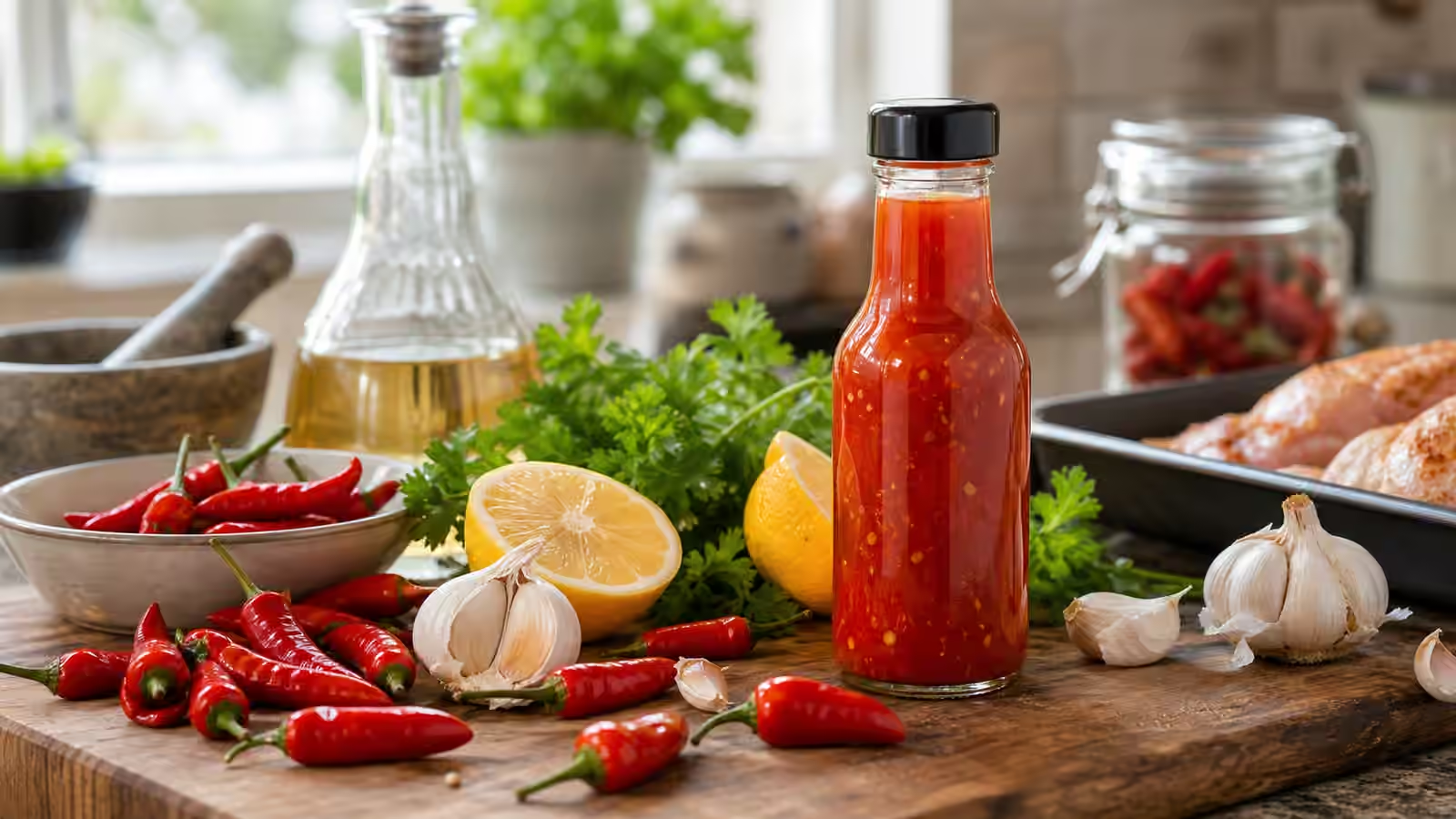
Peri-peri style hot sauce is often used both as a cooking ingredient and a finishing sauce, so the final texture deserves attention. If the sauce is going into a marinade, it can be slightly coarser because it will be spread, rubbed, or cooked. If it is going into a narrow table bottle, it should pour without clogging and should not separate into a watery top and a pepper plug. A partial strain can keep the sauce vivid while removing tough skins and large seeds.
Salt should be firm enough that the lemon tastes bright instead of watery. Sweetness should be present only if it makes the burn easier to read. Too much sugar turns the sauce into glaze before it becomes a useful table bottle. Rest the finished sauce, taste it with food, and decide whether it wants to live as a thin splash, a medium squeeze sauce, or a spoonable jar. Bottling Hot Sauce for the Table helps make that last decision practical.
The finished bottle should feel alert. It should smell of chile, garlic, and citrus before it announces heat. It should make grilled food brighter, wake up simple starches, and still taste clear when used sparingly. When peri-peri style sauce works, the burn is not the whole story. It is the reason the lemon, garlic, and herbs keep moving across the plate.