Pepper Vinegar Table Sauce
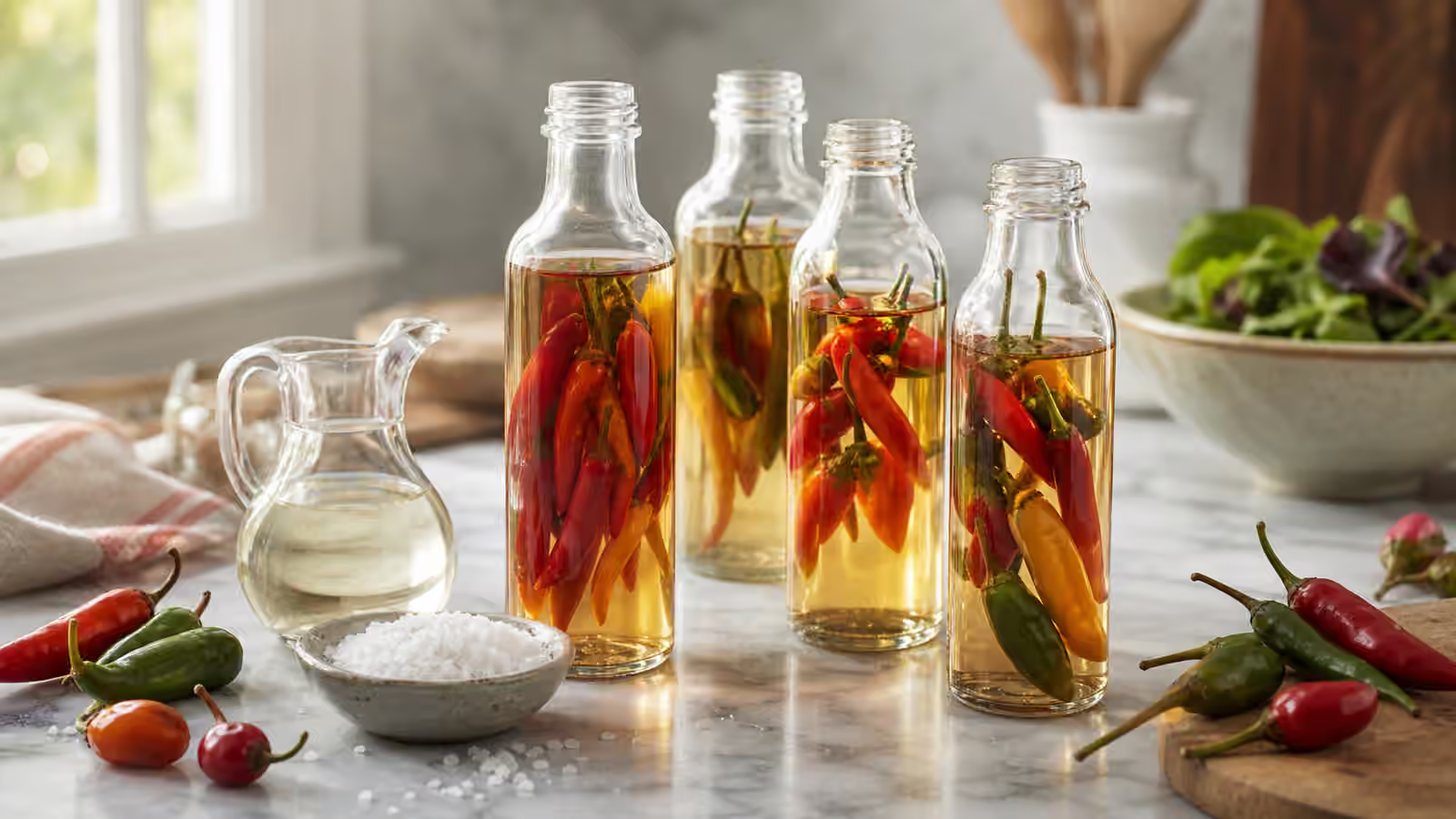
Pepper vinegar is one of the leanest forms of hot sauce. It does not ask peppers to become puree, paste, salsa, or glaze. Whole chiles steep in vinegar until the liquid picks up heat, aroma, color, and a little vegetable edge. The result is thin enough to splash over greens and beans, sharp enough to cut fried food, and quiet enough to season a plate without covering it in pulp.
This style belongs beside Louisiana-Style Vinegar Hot Sauce , but it is not the same thing. Louisiana-style sauce usually blends pepper flesh, vinegar, and salt into a thin red sauce. Pepper vinegar leaves the peppers mostly intact and treats the vinegar as the finished condiment. It is closer to seasoning vinegar with heat than making a blended pepper sauce.
Choose Peppers For Aroma, Not Only Fire
Because the vinegar carries the sauce, pepper choice matters in a different way. You are not building body from pepper flesh. You are infusing a liquid. Thin-skinned chiles with clean aroma are useful because they share heat and fragrance without turning the bottle muddy. Tabasco-type peppers, cayenne, Thai chiles, serranos, small ripe garden chiles, and mixed hot peppers can all work. A few green peppers can add a grassy bite. Ripe red or orange peppers bring warmer fruit.
Superhot peppers should be used with restraint. A single very hot chile can dominate a bottle of vinegar, and the thin liquid spreads heat quickly across the tongue. Pepper vinegar is usually used in splashes, but it still needs to taste like something besides alarm. If the peppers are fierce, pair them with milder chiles so the vinegar has aroma, not only capsaicin.
Choosing Peppers for Hot Sauce helps with that role-based thinking. For pepper vinegar, ask what the chile will lend to a clear liquid. A pepper that makes a wonderful thick sauce may not be the best infusing pepper if its charm depends on flesh, sweetness, or roasted body.
Vinegar Is The Main Ingredient
The vinegar should be clean enough to carry pepper flavor. Distilled white vinegar gives the sharpest, most direct version. Apple cider vinegar brings a softer fruit note and can be excellent with greens, pork, beans, and potatoes. Rice vinegar makes a gentler bottle, especially with smaller hot peppers and food that already has salty or fermented elements. Strong specialty vinegars can be interesting, but they can also make the peppers seem like an afterthought.
Acidity is not only flavor here. The style depends on vinegar as the steeping medium, so do not dilute it casually. If a finished bottle tastes too sharp, the better adjustment may be using less of it at the table, choosing a softer vinegar next time, or blending a small portion into another sauce. Watering down pepper vinegar can make the condiment less clear and less useful.
Salt is optional in some kitchens and essential in others. A small amount can make the pepper flavor easier to read and keep the vinegar from tasting hollow. Too much turns the bottle into liquid brine. If you add salt, dissolve it in the vinegar before pouring over the peppers so the bottle starts evenly seasoned. Vinegar and Acid Balance in Hot Sauce and Salt Balance in Hot Sauce are the relevant companions.
Prepare The Peppers Without Overworking Them
Pepper vinegar should look simple, but cleanliness still matters. Wash the peppers, remove damaged pieces, and trim stems if they are woody or likely to crowd the bottle. Some makers leave short stems for appearance, but they should be clean and sound. If the peppers are large or thick-skinned, a small slit helps vinegar reach the interior. Tiny peppers may not need much help.
Blanching is a style choice. Brief heat can soften raw green edges and help peppers fit into the bottle, but it also changes the aroma. Raw peppers make a brighter, sharper vinegar. Warmed peppers make a rounder one. Roasted peppers generally pull the style away from pepper vinegar and toward a cooked sauce. That can be delicious, but it is a different project.
Use a clean bottle with enough headspace to move the peppers and vinegar. A narrow neck looks traditional, but it can make packing awkward and cleaning harder. If the bottle will be refilled, choose one you can actually wash. A beautiful bottle that traps old pepper pieces is not a good long-term habit.
Time Does The Blending
Pepper vinegar needs patience more than technique. The first day tastes mostly like vinegar with an idea of heat. After several days, the peppers begin to season the liquid more clearly. After a longer rest, the bottle becomes integrated. The exact timing depends on pepper size, vinegar strength, temperature, and how much the peppers were cut. Taste decides more than the calendar.
The color may shift gradually. Red peppers can stain the vinegar gold, orange, or faintly red. Green peppers may leave a pale yellow-green tint. That color is not the goal. Flavor is. A clear vinegar with a clean pepper burn can be better than a dramatic bottle that tastes harsh. If the peppers soften over time, that is expected. If the aroma turns unpleasant or the bottle behaves in a way that concerns you, trust your senses and discard it.
Do not keep topping up the same peppers forever without judgment. The first infusion has the best balance. Later refills can be useful, but the peppers have already given much of themselves. At some point the bottle becomes old vinegar around tired vegetables. Fresh peppers make a better condiment than nostalgia.
Use It Where Pulp Would Get In The Way
Pepper vinegar shines when a thicker sauce would be too much. Greens, beans, lentils, peas, cabbage, fried fish, fried chicken, potatoes, eggs, soups, and rice all respond to a thin acidic splash. The vinegar cuts heaviness and the heat arrives quickly, then leaves room for the food. This is why the style has such staying power. It improves plain food without turning every bite into hot sauce flavor.
It is also useful as an ingredient. A spoonful can brighten a pan sauce, a pot of beans, a vinaigrette, or a marinade. It can wake up leftover rice or cut through a rich sandwich. Because it contains little or no pulp, it disappears into food more cleanly than a blended sauce. That can be an advantage when you want heat and acidity but not the texture of chile solids.
Pepper vinegar is modest, but not weak. Its strength is precision. It gives acid, salt if you choose it, and a clean thread of chile heat. When a meal needs lift rather than another layer of sauce, this bottle earns its place.