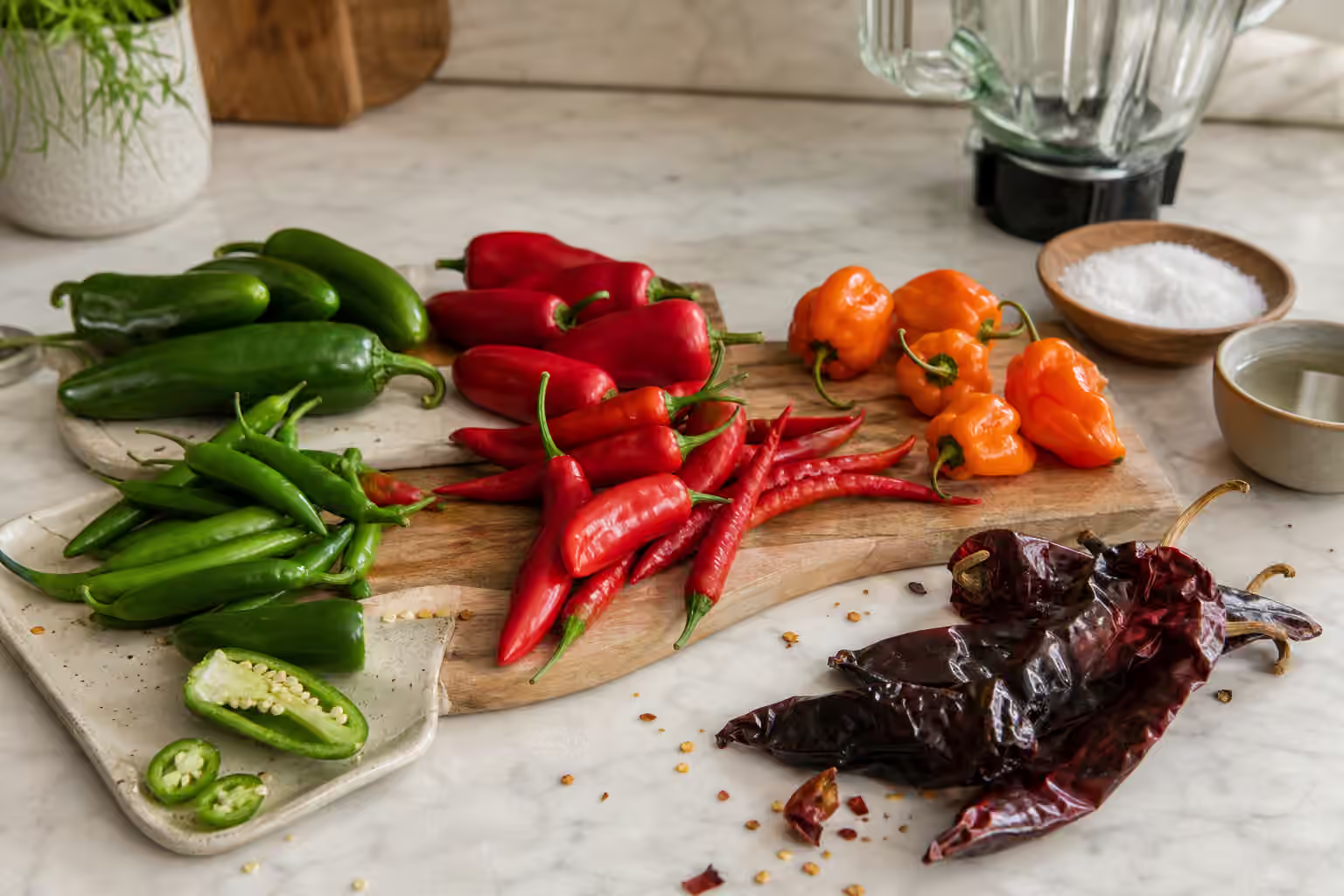
Pepper Substitutions for Hot Sauce
Hot sauce recipes often begin with a specific pepper, then the market disagrees. The fresnos are gone. The habaneros look tired. The cayennes are green instead of red. The garden produced poblanos, serranos, and one heroic plant of tiny mystery chiles, but not the pepper in the recipe. Substitution is normal. The trick is to replace the role of the pepper, not just the name.
A pepper brings several things at once: heat, aroma, color, flesh, water, sweetness, bitterness, skin thickness, and sometimes a regional expectation. If you swap only by Scoville level, the sauce can drift. A serrano may match jalapeno heat closely enough, but it has a sharper green profile and less body. A habanero may replace Scotch bonnet in heat, but the fruit character shifts. A dried guajillo can give red color and depth, but it cannot behave like a fresh red pepper without help from liquid and body ingredients.
Start With The Job Of The Original Pepper
Before substituting, ask what the original pepper was doing. Was it the main heat source, the color source, the body source, the fresh aroma, or just a small accent? A recipe built around cayenne needs a thin red pepper with clean heat. A recipe built around habanero needs floral fruit and high heat. A recipe using poblano may be asking for flesh and green depth more than burn.
This is why substitutions are easiest when the recipe has a clear style. A Louisiana-style vinegar sauce wants a lean, bright pepper. A thick roasted sauce can accept fleshier peppers. A fermented mash can smooth out sharper varieties. A dried chile table sauce needs pod aroma more than fresh crunch. If the style is still unclear, read Choosing Peppers for Hot Sauce first. It gives you the vocabulary to see what the recipe is really asking for.
When in doubt, preserve the dominant job and adjust the supporting ingredients. If the substitute is hotter, use less pepper and add mild red pepper for body. If it is milder, use more pepper and reduce watery fillers. If it is greener, choose acid and herbs that support green flavor rather than trying to force it into a red sauce identity.
Heat Can Be Adjusted, Aroma Is Harder
Heat is the most obvious part of substitution, but it is also the easiest to correct. You can use less of a hotter pepper, more of a milder pepper, or blend hot and mild peppers. Aroma is harder. A jalapeno will not become a habanero because you add more of it. A habanero will not become a cayenne because you remove the ribs. The nose of the pepper remains.
That can be an advantage. Serrano can make a jalapeno recipe sharper and cleaner. Fresno can make a cayenne-style sauce fruitier and fuller. Ripe red jalapeno can make a red sauce softer and less direct. Scotch bonnet can make a fruit sauce more aromatic than orange habanero, if you keep its heat in check. Substitution becomes creative when you accept the new pepper’s personality rather than punishing it for not being the old one.
For very hot peppers, reduce heat by changing the blend, not by pretending tolerance will appear later. Mix a small amount of habanero, Scotch bonnet, ghost pepper, or scorpion with mild ripe peppers, carrot, tomato, or fruit. That preserves aroma while keeping the sauce edible. Heat Tolerance and Balance is a useful reminder that the goal is tasting, not endurance.
Color And Ripeness Matter More Than They Seem
A green pepper substitution changes more than color. Green jalapenos, serranos, and poblanos bring grassy, vegetal, sometimes bitter notes. Ripe red versions of similar peppers taste sweeter and softer. Orange habaneros and Scotch bonnets bring tropical aroma. Dark dried pods bring earth, raisin, smoke, or tannin. If a recipe depends on a bright red sauce, a bowl of green peppers will not make the same bottle.
You can steer color with supporting ingredients. Mild red bell pepper, roasted red pepper, tomato, carrot, and dried red chiles can help a sauce stay warm in color. Tomatillo, cilantro, lime, and green herbs can make a green substitution feel intentional. What rarely works is hiding green flavor under red expectations. A green serrano sauce should be allowed to taste green.
Ripeness also changes sweetness and texture. Ripe peppers often blend smoother and taste rounder. Green peppers can taste crisper but may need more salt and acid to avoid a raw edge. If you switch from ripe red fresno to green jalapeno, the recipe may need less vinegar, more body, or a shorter storage plan if fresh aroma is the point.
Body And Water Change The Formula
Thin-walled peppers such as cayenne make lean sauces. Fleshy peppers such as jalapeno, fresno, poblano, ripe bell, and many habaneros thicken the blend. If you substitute a fleshy pepper into a thin vinegar sauce, you may need more liquid or a straining step. If you substitute a thin pepper into a sauce that expected body, you may need roasted carrot, onion, tomato, or mild pepper flesh to fill the gap.
Water content matters too. Some fresh peppers release a lot of liquid. Dried chiles absorb liquid and bring solids without fresh water. A sauce that uses dried chiles needs soaking liquid, vinegar, tomato, tomatillo, or another wet base. A sauce that replaces dried chile with fresh pepper may need less liquid and more cooking to concentrate flavor.
This is where Hot Sauce Texture and Body becomes a substitution guide in disguise. Every pepper swap changes texture. Do not wait until bottling to notice. Watch the blender. If the sauce moves like soup, it needs body. If it folds like puree and refuses to pour, it needs the right liquid for its style.
Fresh And Dried Are Not Direct Swaps
Fresh and dried chiles can speak to each other, but they are not interchangeable by weight or volume. Drying concentrates flavor, changes aroma, toughens skins, and removes water. A dried chile sauce needs toasting and soaking. A fresh pepper sauce needs a plan for water, raw aroma, and storage. Replacing one with the other changes the whole method.
If you want dried depth in a fresh sauce, add a small amount of toasted and soaked guajillo, ancho, pasilla, arbol, morita, or chipotle as an accent. If you want freshness in a dried chile sauce, add roasted tomato, tomatillo, fresh serrano, lime, or a small amount of fresh pepper at blending. The bridge should be deliberate. Dried Chiles in Hot Sauce covers the handling details that keep dried pods from tasting dusty or burnt.
Smoke is another substitution trap. Chipotle or morita can replace some dried red chile, but they bring smoke that will not disappear. Smoked paprika can add color and smoke, but it can also flatten a sauce quickly. If the original recipe was clean and bright, a smoky substitution changes the whole job of the bottle.
Test Small, Then Scale By Weight
The safest substitution is a small test. Blend a few spoonfuls of the pepper base with acid and salt, taste it on food, and let it sit for a short while. If the substitute pepper is hotter, more bitter, more watery, or more floral than expected, you learn before the entire batch is committed. Keep notes by weight so the successful version can be repeated.
Do not fix every difference at once. Change the pepper, then taste. Add body if needed. Add acid if needed. Add salt if needed. Rest and taste again. This slow sequence is not fussy. It prevents the common spiral where a hotter pepper leads to more fruit, which leads to more vinegar, which leads to more salt, until the finished sauce no longer resembles the idea that started the batch.
A good substitution keeps faith with the sauce’s purpose while accepting the ingredient in front of you. The bottle may become greener, fruitier, sharper, softer, or deeper than planned, and that can be a good thing. Hot sauce making becomes easier when recipes are treated as maps, not cages. The pepper you have can still lead to a clear, useful sauce if you understand what it is being asked to do.