Pepper Mash vs. Brine Fermentation
Fermented hot sauce usually begins in one of two ways. In a mash ferment, peppers are chopped or ground with salt until they become a wet, coarse paste. In a brine ferment, peppers sit in salt water, often sliced, halved, or left in larger pieces under a weight. Both methods can produce excellent sauce. They simply ask for different habits, and they push the finished bottle toward different textures and flavors.
The choice is not a contest between serious and simple. Mash fermentation can give dense pepper flavor because the sauce begins as the thing it will become: salted pepper pulp. Brine fermentation can be easier to manage visually because the liquid makes submersion obvious and gives you a built-in thinning liquid for the final blend. A confident maker can use either. A first-time maker can succeed with either. The better question is what kind of sauce you want and what kind of process you will actually maintain.
If the wider fermentation path is still new, read Fermentation Flavor Design first. This page narrows in on the vessel decision: mash or brine, paste or pieces, dense flavor or flexible finishing.
What A Mash Does Well
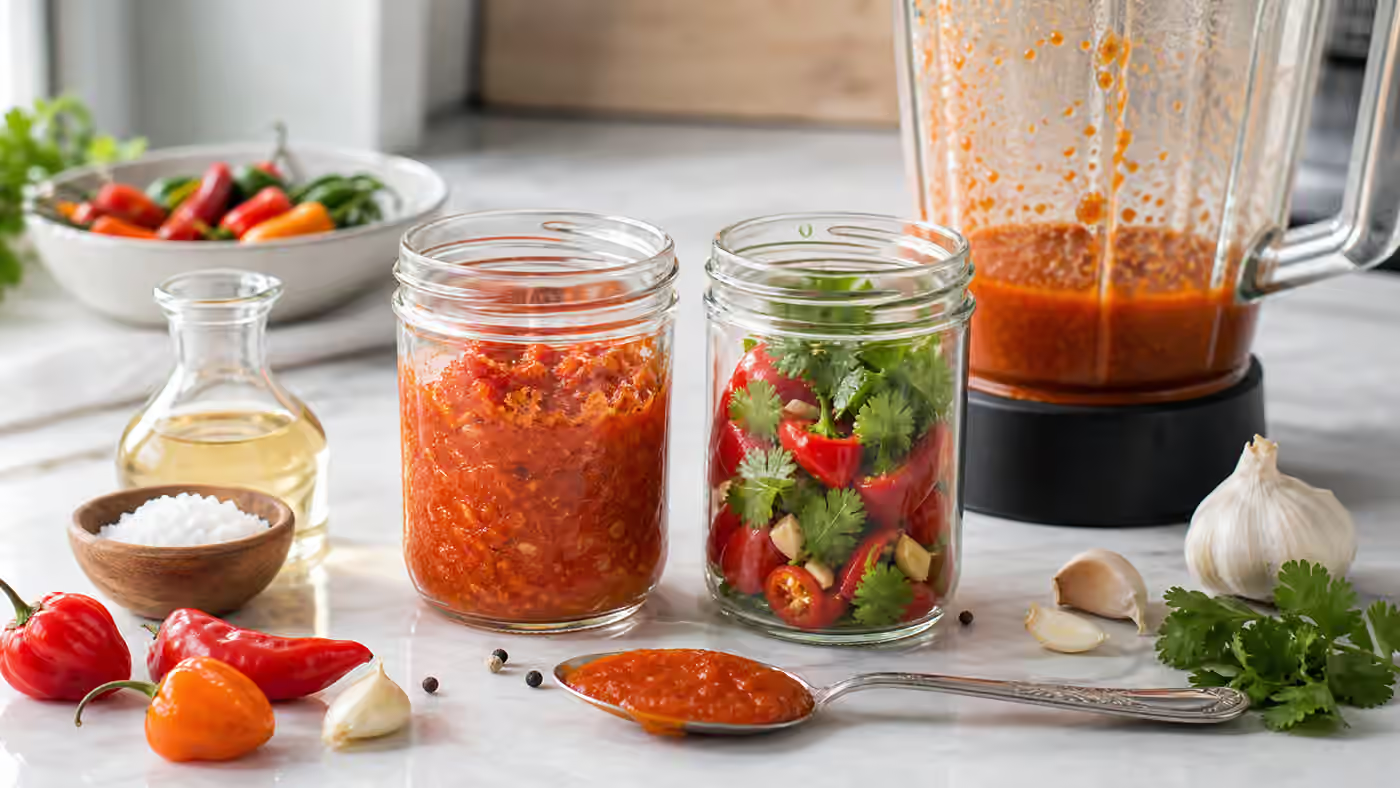
A pepper mash is direct. Peppers are chopped, salted by weight, and packed into a jar so the salt draws moisture out of the flesh. The mixture relaxes as it sits. At first it may look thick and stubborn. After a day or two, liquid begins to gather, bubbles appear, and the mash starts to smell less like raw pepper and more like a developing ferment. Because nearly everything in the jar is pepper, the final sauce can taste concentrated and specific.
That density is the main advantage. A mash made from ripe fresnos tastes like ripe fresno. A habanero mash carries habanero perfume without being diluted by a large volume of brine. A mixed red pepper mash can become a sauce with strong body before any carrot, fruit, onion, or vinegar joins it. If you want a thick fermented sauce that feels like pepper first, mash is a natural path.
Mash also makes salt calculation straightforward when you weigh carefully. Salt is usually measured as a percentage of the total weight of peppers and other fermentable ingredients in the jar. The exact percentage depends on the style and your process, but the habit matters more than memory. Weigh the produce, weigh the salt, mix thoroughly, and record what you did. Salt Balance in Hot Sauce helps connect that fermentation salt to the way the finished sauce tastes after blending.
The challenge is submersion. A mash can trap air pockets and push solids upward as fermentation becomes active. The top can dry out if there is not enough brine rising above it. A weight, a clean follower, a fermentation lid, and regular inspection all help, but mash asks for attention. If the jar is packed carelessly, the top layer may become the problem long before the flavor underneath is ready.
What A Brine Does Well
A brine ferment is easier to see. Peppers sit under salted water, and a glass weight or other food-safe weight keeps the pieces below the surface. When the liquid covers everything, the basic picture is clear. Bubbles move through the jar. The brine turns cloudy as fermentation develops. Peppers soften. The aroma shifts from raw and sharp to tangy, savory, and rounded.
Brine gives flexibility at blending time. The liquid in the jar carries salt, acid, and pepper aroma, so it can thin the finished sauce without making it taste watered down. This is especially useful for sauces that need to pour from a narrow bottle. A brine ferment also lets you pull some peppers for one blend and reserve liquid for another adjustment. If you are still learning texture, brine offers more room to steer after the ferment is complete.
Large pepper pieces can also make the process feel more forgiving. Halved or sliced peppers are easier to keep under a weight than a loose mash. Garlic cloves, onion pieces, carrot sticks, fruit chunks, and herbs are visible, which makes it easier to remove an ingredient if it looks wrong before blending. The tradeoff is that the final sauce may taste less dense unless you use enough solids and blend thoroughly.
Brine concentration deserves care. Salt in a brine is measured against water, not just peppers, and the produce contributes its own moisture as the jar sits. Too little salt can invite trouble. Too much can slow fermentation and make the final sauce hard to season. The numbers are less important here than the discipline: weigh, dissolve, cover, and write the batch down in a way you can repeat. Hot Sauce Batch Notes and Recipe Development is built for that habit.
Texture Starts In The Jar
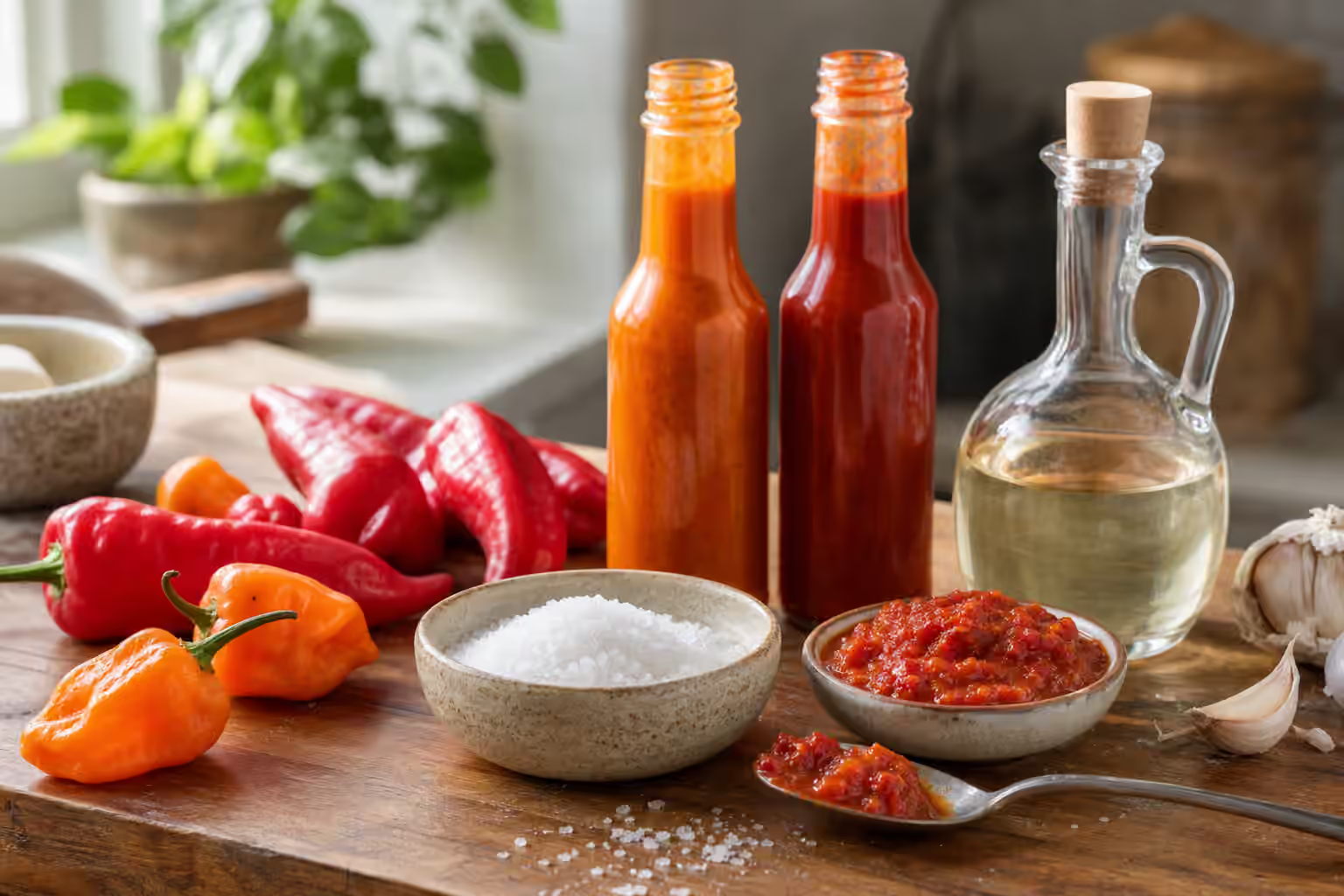
Mash and brine lead to different blender problems. A mash often begins thick, so the question is how much liquid to add without losing intensity. Reserved ferment liquid, vinegar, citrus, water, or cooked vegetable can all move the sauce, but each one changes flavor. A mash may need a longer blend and possibly partial straining if skins, seeds, or fibrous aromatics make the texture rough. Its strength is body. Its risk is heaviness.
A brine ferment often begins looser. The question is how much liquid to leave behind before blending. If all the brine goes into the blender automatically, the sauce may become thin and sour before the pepper flavor has a chance to land. Drain the solids first, blend with a modest amount of brine, then add more only after the pepper pulp is smooth. The extra brine is valuable, but it should be an adjustment tool, not an obligation.
This is where the two methods can meet. A brine ferment can become a thick sauce if you use many solids and little brine. A mash ferment can become a thin splash sauce if you strain and thin it deliberately. The jar nudges the texture, but it does not lock it forever. Hot Sauce Texture and Body is useful after fermentation because the final pour still has to match the food.
Seeds and skins deserve special attention. Mash ferments carry everything into the blend unless you remove it before chopping. Brine ferments let you trim larger pieces before they enter the jar, which can reduce bitterness and grit. Neither method excuses tired peppers or careless prep. Fermentation can deepen flavor, but it does not turn poor texture into silk without help from the blender, strainer, and final adjustment.
Flavor Density And Finishing Acid
Mash ferments often taste more concentrated because the solids dominate. They can handle a restrained vinegar finish without losing identity. A spoonful of vinegar may brighten the sauce and make it more useful at the table. Too much can turn an intense pepper ferment into ordinary sour heat. Taste the mash first, then decide what kind of acid supports it.
Brine ferments can taste rounder and lighter. The brine itself may be delicious, but it can also be salty enough that vinegar, salt, and water need to be adjusted with patience. A brine-fermented serrano sauce might need rice vinegar for lift. A red pepper brine ferment might need white vinegar for directness. A habanero-carrot brine ferment may like apple cider vinegar or a small citrus finish. The acid choice should clarify the pepper, not cover the fermentation.
Fermented acidity and vinegar acidity do not taste the same. Lactic acidity is often softer, deeper, and more savory. Vinegar is brighter and more immediate. Many good fermented hot sauces use both, but the amount depends on the jar. Vinegar and Acid Balance in Hot Sauce helps with the tasting side, while pH Testing Homemade Hot Sauce explains why taste and measurement are not the same thing.
Choose Based On The Sauce You Want
Choose mash when pepper density is the point. It suits sauces where the main ingredient should stay obvious: ripe red pepper ferments, habanero mashes, garlic-serrano pastes, or thick table sauces that cling to food. It also suits makers who like weighing precisely, packing carefully, and managing a jar that may need more attention at the surface.
Choose brine when flexibility is the point. It suits whole or sliced peppers, mixed vegetables, beginner-friendly submersion, and sauces where the final texture may need tuning. Brine is especially useful when you want a pourable bottle but do not yet know how much liquid the peppers will need. It gives you a flavorful thinning tool waiting in the jar.
There is also a hybrid path. Some makers salt chopped peppers heavily enough to draw out their own liquid, then add only a little brine if the jar needs help. Others ferment pepper pieces in brine, drain them, and blend them thick like a mash. The names matter less than the decisions: salt accurately, keep solids submerged, monitor aroma and surface growth, and finish the sauce with taste, texture, and acidity in mind.
When fermentation misbehaves, the method is only one part of the diagnosis. Temperature, salt, oxygen exposure, cleanliness, ingredient condition, and time all matter. Fermentation Troubleshooting is the right companion when a jar smells wrong, grows surface film, stalls, or pushes liquid out of the vessel. Mash or brine, the goal is the same: a clean ferment that gives the finished sauce depth without asking the bottle to explain the process.