No-Cook Fresh Hot Sauce
No-cook hot sauce is the fastest way to keep chile aroma vivid. A ripe fresno can taste bright and berry-like before heat changes it. A habanero can smell floral and tropical before simmering rounds the edge. A raw jalapeno or serrano can carry a green snap that disappears when it spends too long in a pan. When a fresh sauce works, it feels immediate: pepper, salt, acid, and a clean burn arriving without the sweetness, roast, or deeper bass notes of a cooked bottle.
That immediacy is also the risk. A no-cook sauce has nowhere to hide raw garlic that went too far, watery vinegar that thinned the body, pepper skins that refused to blend, or fruit that made the sauce taste more like salsa than condiment. Cooking can soften roughness and bring ingredients together. Fermentation can transform sharp edges over days or weeks. A no-cook sauce has to be designed cleanly from the beginning, then rested just long enough for salt, acid, and pepper pulp to settle into one another.
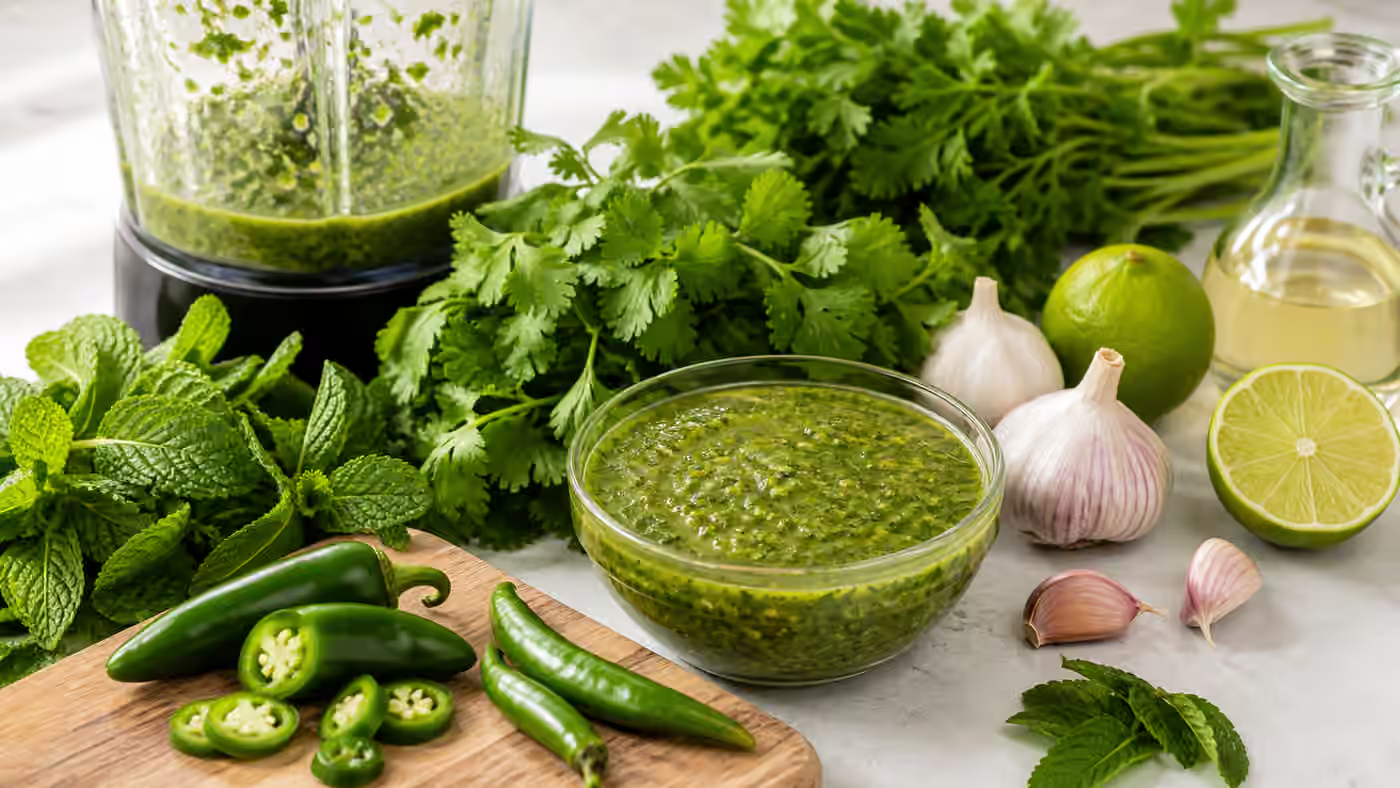
If you want the fresh green version of this idea, read Fresh Green Hot Sauce . This guide focuses on the broader no-cook method, especially red and orange sauces where ripe pepper perfume, fruit, carrot, citrus, and vinegar can build a bright bottle without a simmer.
Raw Does Not Mean Random
The best no-cook sauces begin with peppers that already taste good uncooked. That sounds obvious until a batch is built from tired chiles, mixed leftovers, or peppers chosen only for heat. Raw sauce magnifies freshness. Glossy ripe fresnos, red jalapenos, cayennes, habaneros, Scotch bonnets, serranos, and sweet red peppers all bring different kinds of aroma. Wrinkled, dull, or bruised peppers can still be cooked into something useful, but they rarely make a fresh sauce feel alive.
Pepper flesh matters as much as heat. Thin-walled cayennes make lean, splashy sauces. Fresnos and red jalapenos give more pulp and a softer texture. Habaneros and Scotch bonnets bring huge aroma but can dominate a sauce with both heat and perfume. Sweet red peppers or roasted carrot are sometimes used to widen the body, but if they become the base, the sauce can drift toward vegetable puree. Choosing Peppers for Hot Sauce is useful here because a no-cook sauce depends heavily on the first choice in the basket.
Trimming is a flavor decision, not only a heat decision. Some inner ribs bring capsaicin and the pepper’s full character. Too much pale membrane can make a raw sauce bitter, sharp, or scratchy. Seeds are not the source of most heat, but a large amount can make the blend feel gritty. For a clean fresh sauce, trim enough to control texture and bitterness, then use a hotter pepper or a small amount of reserved rib if the sauce needs more burn.
Acid Has To Support Freshness
No-cook sauce usually needs enough acid to taste awake, but acid can make the texture fall apart if it is treated as free liquid. White vinegar keeps red peppers direct. Rice vinegar is gentle and can make habanero or serrano sauces feel cleaner. Apple cider vinegar works when the sauce wants orchard warmth, carrot, peach, mango, or roasted onion notes, but it can cloud a very precise fresh pepper flavor. Lime and lemon give an aromatic lift that is hard to replace, though their top notes are more fragile than vinegar.
The strongest fresh sauces often combine a dependable vinegar backbone with a smaller citrus finish. Vinegar gives structure. Citrus gives scent. If lime carries the whole batch, the first taste may be exciting, but the sauce can become thin and less vivid after resting. Lime zest helps when you want citrus aroma without pouring in more liquid. Use only the colored outside of the peel, because the white pith turns bitter quickly in a raw blend.
Acid also changes the way heat feels. A sharp vinegar line can make a moderate pepper seem faster and hotter. A softer acid can make the same pepper feel rounder. If a sauce tastes both too hot and too sour, adding sweetness may not be the best first answer. It may need more pepper flesh, a milder companion pepper, or a small amount of body from carrot, fruit, or tomatillo. The larger acid logic is covered in Vinegar and Acid Balance in Hot Sauce , but fresh sauce adds one extra rule: every splash of acid changes the pour.
Garlic, Onion, And Herbs Get Louder
Raw aromatics do not behave politely in a bottle. Garlic is the clearest example. One raw clove can make a pint of sauce taste complete. Several cloves can become metallic, hot in the throat, and strangely persistent after a night in the refrigerator. Fresh onion can turn sulfurous. Scallion can become grassy. Cilantro stems can give welcome green depth or dominate the pepper entirely. Ginger can make a sauce sparkle, then take over if the pepper base is too quiet.
This does not mean aromatics should be avoided. It means they need a job. Garlic can give a ripe red sauce savory focus. Scallion can make serrano feel brighter. Ginger can push habanero toward tropical food. Cilantro stems can support lime and green chile. A small amount of raw shallot can be beautiful with red fresno and rice vinegar, but a heavy handful can make the sauce taste like uncooked salsa left too long on the counter.
When an aromatic is necessary but too sharp, use a barely warmed compromise. A quick blanch of garlic or onion softens the raw edge without turning the whole sauce into a cooked style. You can also pour hot water over sliced garlic for a brief moment, drain it well, and blend once it cools. That small step changes the sauce less than a simmer would, while keeping raw garlic from becoming the main flavor. Aromatics and Spices in Hot Sauce goes deeper on choosing support ingredients for the pepper instead of collecting them by habit.
Body Comes From Solids, Not More Liquid
A no-cook sauce becomes watery when the blender is asked to solve a body problem with vinegar, citrus, or water. Liquid helps the blades move, but too much of it makes pepper flavor float above a thin sour base. Start with just enough liquid to blend, then add more only after the pepper flesh has broken down. If the blender struggles, stop and scrape before flooding the jar.
Ripe peppers with thicker flesh are helpful. Fresno, red jalapeno, habanero, Scotch bonnet, and sweet red pepper all give more body than very thin cayennes. Carrot can work when grated or steamed and cooled first, but a raw chunk of carrot may stay fibrous in a modest blender. Mango, peach, pineapple, and ripe tomato add body and sweetness, though they should be chosen for flavor rather than used as filler. Fruit can make a sauce generous, but it can also make the bottle taste less like pepper if it becomes too loud.
Straining is optional. A fully strained no-cook sauce can be elegant, but it often loses the pulp that made it satisfying. A fully unstrained sauce can feel lively, but it may clog a narrow bottle. A partial strain is usually the best middle path. Blend the whole batch thoroughly, strain a portion, then stir it back into the rustic portion until the texture looks and tastes intentional. Hot Sauce Texture and Body covers the same decision for cooked and fermented sauces, but the fresh version is less forgiving because there is no simmer to smooth the fibers afterward.
Rest Before You Judge
Fresh sauce changes quickly after blending. Foam rises. Seeds and pulp settle. Salt dissolves. Garlic spreads. Lime calms down. Heat becomes easier to read once the first blast of aroma fades. A sauce that tastes perfect in the first minute may seem thin after twenty minutes, while a sauce that tastes harsh straight from the blender may become clear and lively after a short rest.
Taste in stages. First taste a tiny amount from a spoon to catch obvious flaws. Then let the sauce stand, stir it, and taste again with food. A tortilla chip, spoonful of rice, scrambled egg, bean, roasted potato, or piece of grilled chicken tells you whether the sauce is useful. The spoon exaggerates heat and acid. Food shows whether the sauce seasons.
Storage should match the fresh style. No-cook sauces belong in the refrigerator unless you are following a tested process for a specific recipe. Herb-heavy and citrus-heavy versions are best made in modest batches because their prettiest aromas are fragile. More vinegar-forward versions may hold longer, but clean handling, acidity, and cold storage still matter. For the broader discipline, keep Hot Sauce Storage and Safety nearby.
The point of no-cook hot sauce is not speed alone. It is preserving the part of the pepper that heat would change. When the peppers are fresh, the acid is chosen carefully, the aromatics stay restrained, and the texture has enough body to land on food, a raw sauce can taste more alive than any simmered batch. It should feel bright because the ingredients are clear, not because the blender was asked to shout.