Mustard-Backed Hot Sauce
Mustard-backed hot sauce can be bright, golden, savory, and surprisingly flexible. It can make habanero taste warmer, Scotch bonnet feel rounder, cayenne seem sharper, and roasted carrot or onion land with more purpose. It can also take over a batch quickly. Mustard is not a neutral thickener or a yellow color trick. It brings heat of its own, bitterness, acid, aroma, and texture, so it needs the same restraint as garlic, smoke, or fruit.
This guide fills the space between Aromatics and Spices in Hot Sauce and the style guides that use mustard as one supporting note. The goal is a pepper-forward sauce with mustard structure, not a mustard condiment that happens to burn. The difference matters because the bottle should still be useful wherever hot sauce is useful: eggs, sandwiches, roasted vegetables, grilled chicken, rice, beans, and fried food.
Choose The Mustard Form On Purpose
Mustard seed, mustard powder, and prepared mustard behave differently. Whole seeds give texture and small pops of bitterness unless they are softened, toasted, soaked, or blended thoroughly. Mustard powder spreads quickly and can become harsh if it is added heavily. Prepared mustard already contains vinegar, salt, sometimes turmeric, and sometimes sweetness, so it changes the sauce in several directions at once. None is automatically best.
For a smooth hot sauce, mustard powder or well-blended prepared mustard is easier to control. For a rustic jar sauce, soaked seeds can be appealing. For a golden habanero or Scotch bonnet sauce, a small amount of prepared mustard can connect vinegar, pepper, and carrot. For a darker dried chile sauce, mustard seed may be too sharp unless it has a clear job. The pepper should decide the mustard form, not the other way around.
Taste mustard before it enters the batch. Some prepared mustards are very salty. Some powders are pungent and bitter. Some seeds taste stale. Hot sauce concentrates these flaws. If the mustard tastes dull on its own, it will not become vivid in a bottle just because peppers are present.
Match Mustard To The Pepper
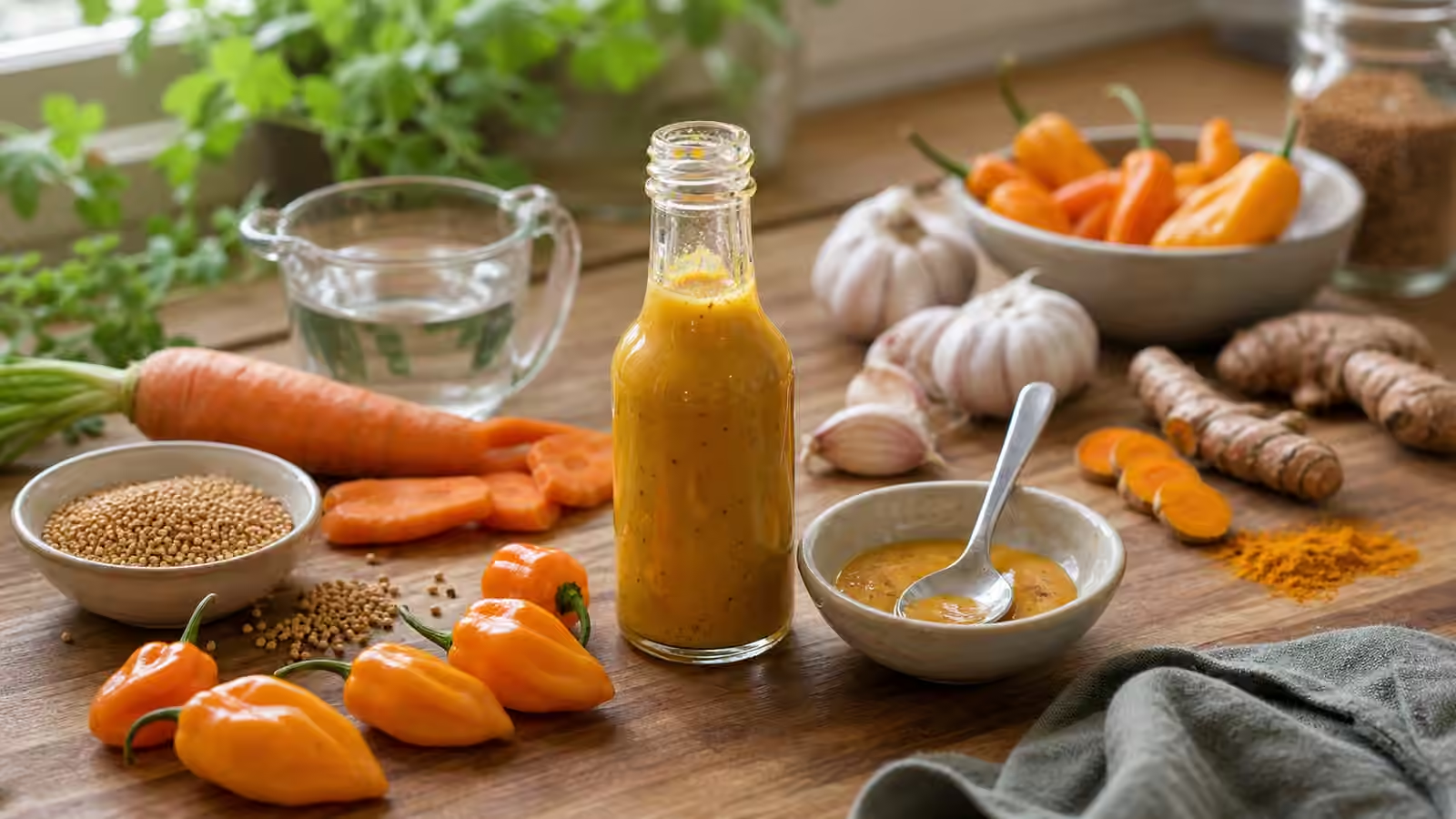
Orange and yellow peppers often handle mustard well. Habanero and Scotch bonnet have floral, tropical aromas that can use mustard as a savory anchor. A small amount of carrot, onion, or roasted yellow pepper can widen the body without making the sauce taste like salad dressing. Cayenne can work too, especially in a thinner vinegar-forward sauce where mustard adds bite and color. Jalapeno and serrano can take mustard, but the sauce may move away from fresh green brightness toward something more cooked and savory.
This is why Choosing Peppers for Hot Sauce matters before the spice shelf opens. Mustard is best when it extends what the pepper already suggests. A grassy green sauce may need lime and herbs more than mustard. A ripe orange sauce may need mustard’s warmth. A smoky dried chile sauce may need acid and salt before it needs another bitter element.
If the sauce tastes both hot and hollow, do not assume mustard will fix it. Under-salted pepper sauces often feel vague. Too little acid can make them heavy. Too little body can make them sharp. Mustard can add structure, but it cannot replace the basic salt-acid-pepper balance.
Turmeric Is Color And Flavor
Turmeric often appears in golden hot sauces because it reinforces yellow-orange color. It also tastes earthy, dry, and slightly bitter when overused. A small amount can make a mustard-backed sauce look focused. Too much can make the finish dusty and medicinal. Use turmeric as seasoning, not as paint.
Color should support the flavor story. A golden sauce built from habanero, carrot, mustard, vinegar, and a little turmeric makes visual sense. A red fresno sauce forced yellow with turmeric can look and taste confused. If the sauce wants to be red, let it be red. If it wants to be orange, build that color through peppers, carrot, fruit, and restrained spice. Hot Sauce Color Control is a useful check when the image in your head starts to overpower the taste in the jar.
Turmeric also stains, which is not a flavor problem but is part of kitchen reality. Use tools and towels accordingly. More importantly, blend thoroughly and rest the sauce before judging color. Air bubbles can make a fresh blend look paler. Overnight rest can deepen the tone and make spices more obvious.
Acid Keeps Mustard From Feeling Heavy
Mustard-backed hot sauce needs a clear acid line. Mustard can taste thick and blunt without enough vinegar or citrus. White vinegar keeps the sauce direct. Apple cider vinegar works when carrot, onion, fruit, or warm spice is part of the batch. Rice vinegar can keep a golden sauce lighter, especially with habanero, ginger, or garlic. Lemon or lime can add aroma, but they should usually support a steadier acid structure rather than carry the whole bottle.
The acid balance changes after rest. Mustard powder hydrates. Seeds soften. Garlic spreads. Turmeric becomes more obvious. A sauce that tastes bright at first may feel rounder later, while a sauce that tastes mildly mustardy at first may become mustard-forward by the next day. Save final acid and salt adjustments until the sauce has had time to settle.
If the sauce becomes too sharp, sweetness is not the only answer. More pepper flesh, cooked carrot, roasted onion, or a little body from fruit can soften the edge while keeping the sauce savory. If sweetness is added, it should remain quiet. A mustard-backed hot sauce that turns sweet too quickly begins to taste like glaze or dipping sauce rather than a bottle for the table.
Texture Can Be Smooth Or Speckled
Mustard changes texture as much as flavor. Powder can thicken slightly. Prepared mustard can help an emulsion feel smoother. Whole seeds can make a rustic sauce attractive, but they can also clog narrow caps and make the sauce feel gritty if they are not softened. Decide early whether the sauce should be sleek, speckled, or spoonable.
If the sauce is going into a squeeze bottle, blend longer and strain only if needed. A hard strain can remove pepper body and leave a mustardy liquid that tastes thin. A light strain can catch tough skins and stubborn seeds while keeping enough pulp. If the sauce is going into a jar, texture can stay more honest. A spoonable mustard-habanero sauce with visible seeds can work beautifully on grilled food, potatoes, and sandwiches.
Emulsified Hot Sauce is the next read if the sauce separates or if mustard is being used partly to hold oil and acid together. Mustard can help, but only when the underlying sauce has enough solids, salt, and acid to taste complete.
Let Mustard Be A Frame, Not The Subject
The finished bottle should still taste like hot sauce. Pepper aroma should arrive before mustard bitterness. Heat should carry through the bite. Vinegar should make the sauce useful with food. Mustard should give warmth, color, and a savory snap. If every dish tastes like mustard after one spoonful, the frame has become the subject.
Mustard-backed sauce is especially good where fat, starch, or char can meet it. Fried chicken, roasted potatoes, grilled vegetables, sausages, rice bowls, beans, eggs, and sandwiches all give the sauce something to cut through. Delicate foods need a lighter hand because mustard can flatten subtle flavors. Taste with real food before bottling, then choose the container that fits the texture.
When the balance is right, mustard-backed hot sauce feels generous rather than heavy. It has the brightness of vinegar, the glow of yellow-orange peppers, the savory pull of mustard, and enough chile character to keep the bottle from becoming a condiment in disguise.