Mexican Dried Chile Table Sauce
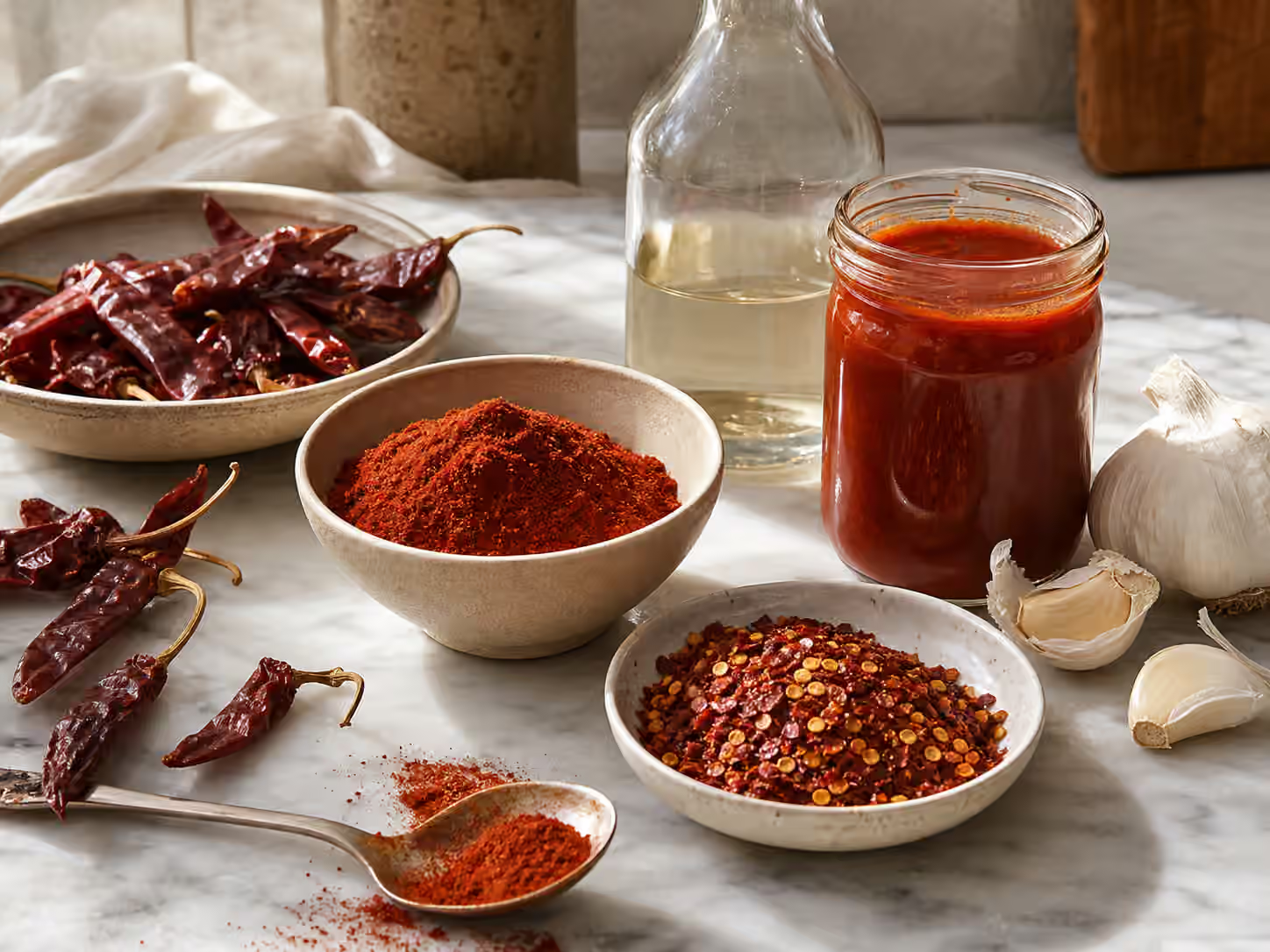
Dried chile table sauce has a different center of gravity from fresh pepper hot sauce. It is not trying to taste green, raw, and immediate. It carries toasted skins, raisiny fruit, smoke without smoke, earth, gentle bitterness, and a red depth that can make a plain spoonful of beans taste complete. The heat can be mild or fierce, but the real value is the flavor of the dried pods.
This style sits somewhere between salsa and hot sauce. It can be thin enough to drizzle from a bottle, but it often belongs in a bowl with a spoon. It can be sharpened with vinegar, but lime, tomatillo, tomato, and roasted garlic may do more of the balancing. If your mental model for hot sauce is mostly vinegar and fresh chiles, this style teaches another lesson: acid is important, but chile flavor can be the structure.
Toasting Is A Moment, Not A Roast
Dried chiles need heat to wake up, but they punish carelessness. A quick toast in a dry pan brings out aroma and makes the pods more expressive. A few seconds too long turns the skin acrid. The line between fragrant and burnt is thin, especially with small chiles like arbol. Watch color, smell, and flexibility. When the pods darken slightly, smell warm, and become a little more pliable, they are ready.
Remove stems before soaking. Seeds are a style choice. Some seeds can add rustic bitterness and heat, but many dried chile seeds taste dusty. If you want a cleaner sauce, shake out most of them. If you want a rougher taqueria-style sauce, keep some. The choice should match the food. A sauce for rich tacos can tolerate more bitterness. A sauce for breakfast eggs may need a cleaner finish.
The broader Dried Chiles in Hot Sauce guide covers pod selection and rehydration in detail. For this table sauce, the practical point is simple: the toast should make the chile smell more like itself, not like smoke from a mistake.
Choose A Base That Gives The Sauce Direction
Tomatillo makes the sauce bright, green-edged, and lively even when the finished color is red. It works beautifully with arbol, guajillo, pasilla, and morita because it keeps dried chile depth from becoming heavy. Tomato makes the sauce rounder and sweeter. It is useful when the chiles are sharp or when the sauce is meant for grilled meat, rice, or beans. A mix of tomato and tomatillo can give both brightness and body.
Roasting the base changes everything. Raw tomatillos taste tart and grassy. Roasted tomatillos taste softer and more savory. Fresh tomato can taste watery. Roasted tomato concentrates sweetness and adds body. Onion and garlic should be browned gently, not scorched. Burnt garlic can make the sauce taste bitter in a way that no amount of lime can repair.
If you want a pourable hot sauce rather than a spoon salsa, control the amount of base and soaking liquid. Too much tomatillo or tomato turns the sauce into salsa. Too little leaves a chile paste that may taste powerful but harsh. The sweet spot is a sauce where the pod character leads and the base gives it a place to land.
Build Heat With More Than One Chile
Arbol brings sharp, direct heat. Guajillo brings red fruit, mild tannin, and color. Ancho brings raisin, cocoa-like depth, and softness. Pasilla can add darker fruit and earth. Morita or chipotle brings smoke, but a little goes a long way. Blending pods gives the sauce a full voice. One chile can be clear and beautiful, but two or three often make the sauce more useful.
A good structure is to let one chile lead and another support. Guajillo can be the body while arbol supplies heat. Ancho can soften a sharper red chile. Morita can add a smoky accent without making the sauce taste like a campfire. This is the same flavor logic described in Choosing Peppers for Hot Sauce , only with dried pods instead of fresh peppers.
Taste the soaked chiles before blending if you can. Some pods are sweeter, some are bitter, and some are old enough to taste flat. Dried chiles are agricultural ingredients, not standardized seasoning packets. If the pods taste dull after soaking, no clever blender work will fully fix them. Buy from a source with turnover and keep extras sealed away from light and heat.
Blend For Texture, Then Season Like Food
After toasting and soaking, blend the chiles with roasted base ingredients and a little soaking liquid. Be careful with that liquid. It contains flavor, but it can also carry bitterness from seeds and skins. Add some, taste, and then decide. Clean water, vinegar, lime juice, or roasted tomato juice may be better than using all the soak.
Texture depends on use. For tacos, a slightly rustic sauce is welcome because it clings to meat, beans, and tortillas. For a bottle, strain lightly to remove tough skins. For a bowl sauce, a long blend may be enough. If you strain hard, taste again afterward. Straining can remove bitterness, but it can also remove body and chile aroma. Sometimes the better answer is a second blend with a little more roasted tomato or tomatillo.
Salt is the switch that turns the sauce from chile puree into table sauce. Add it gradually and taste on food, not just from the blender jar. Dried chiles can taste complete on a spoon and then vanish on beans if salt is too low. Acid works the same way. Lime can make the sauce vivid, vinegar can make it more bottle-friendly, and tomatillo can supply a softer tartness. Vinegar and Acid Balance in Hot Sauce helps if the sauce keeps tasting either flat or too sharp.
Know When Not To Bottle It
Some dried chile sauces are best treated as fresh table sauces rather than shelf projects. If the sauce relies on tomato, tomatillo, onion, garlic, lime, and a modest amount of vinegar, refrigeration is the practical home default. It may keep well for several days and often tastes better after a night, but that is different from claiming shelf stability. If your plan is storage beyond ordinary refrigerated use, consult Hot Sauce Storage and Safety and use tested preservation logic rather than guessing from flavor.
The good news is that this sauce does not need to last forever. It is quick once you know the rhythm. Toast, soak, roast, blend, season, rest, and serve. Each batch can follow the meal. Arbol and tomatillo for tacos. Guajillo and tomato for beans. Ancho and roasted garlic for eggs. A little morita when smoke belongs on the plate.
That meal-first quality is what makes Mexican dried chile table sauce so valuable in a hot sauce kitchen. It teaches you to think beyond heat levels and beyond vinegar. The bottle or bowl should taste like a specific chile, a specific base, and a specific job at the table.