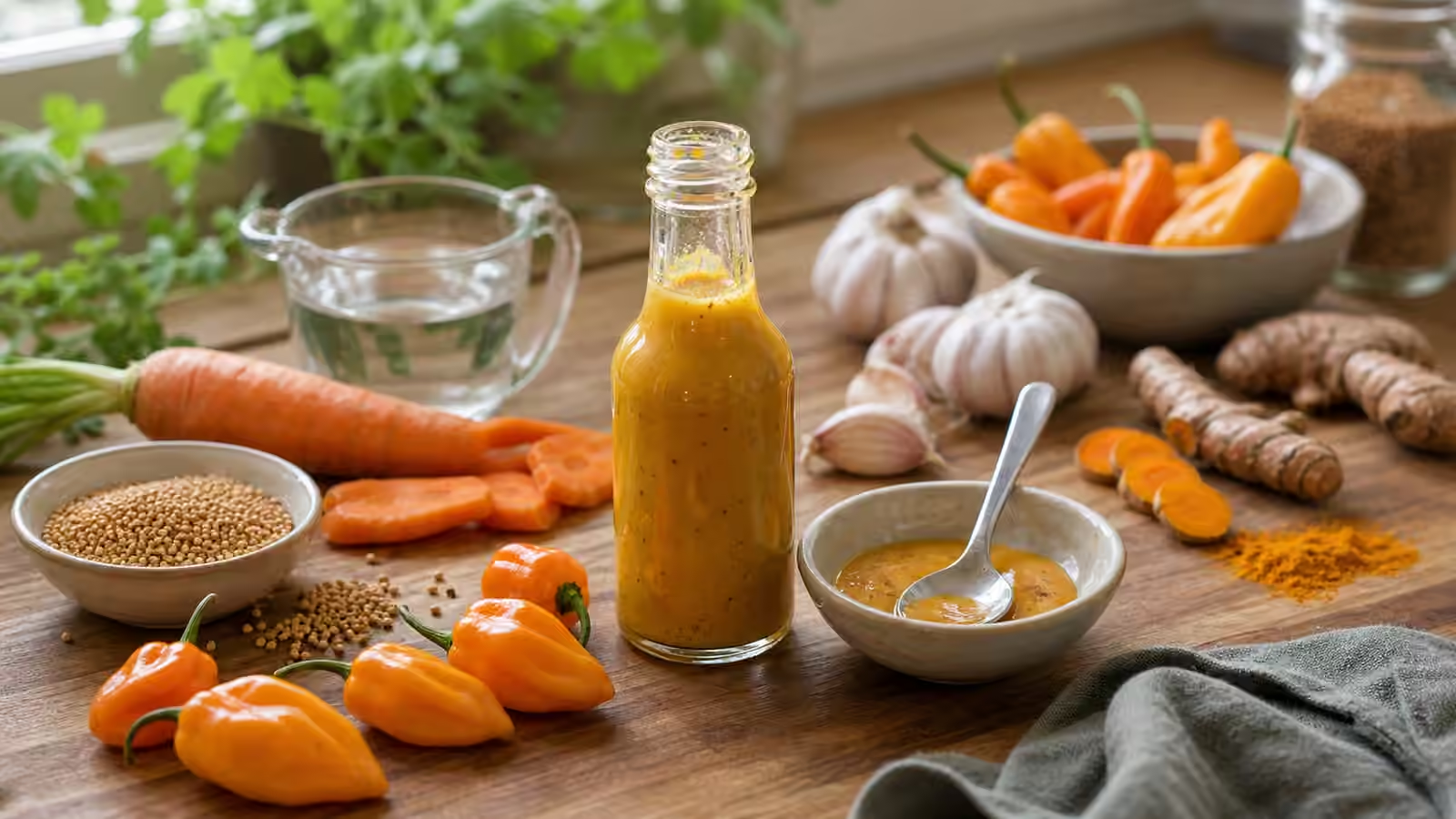
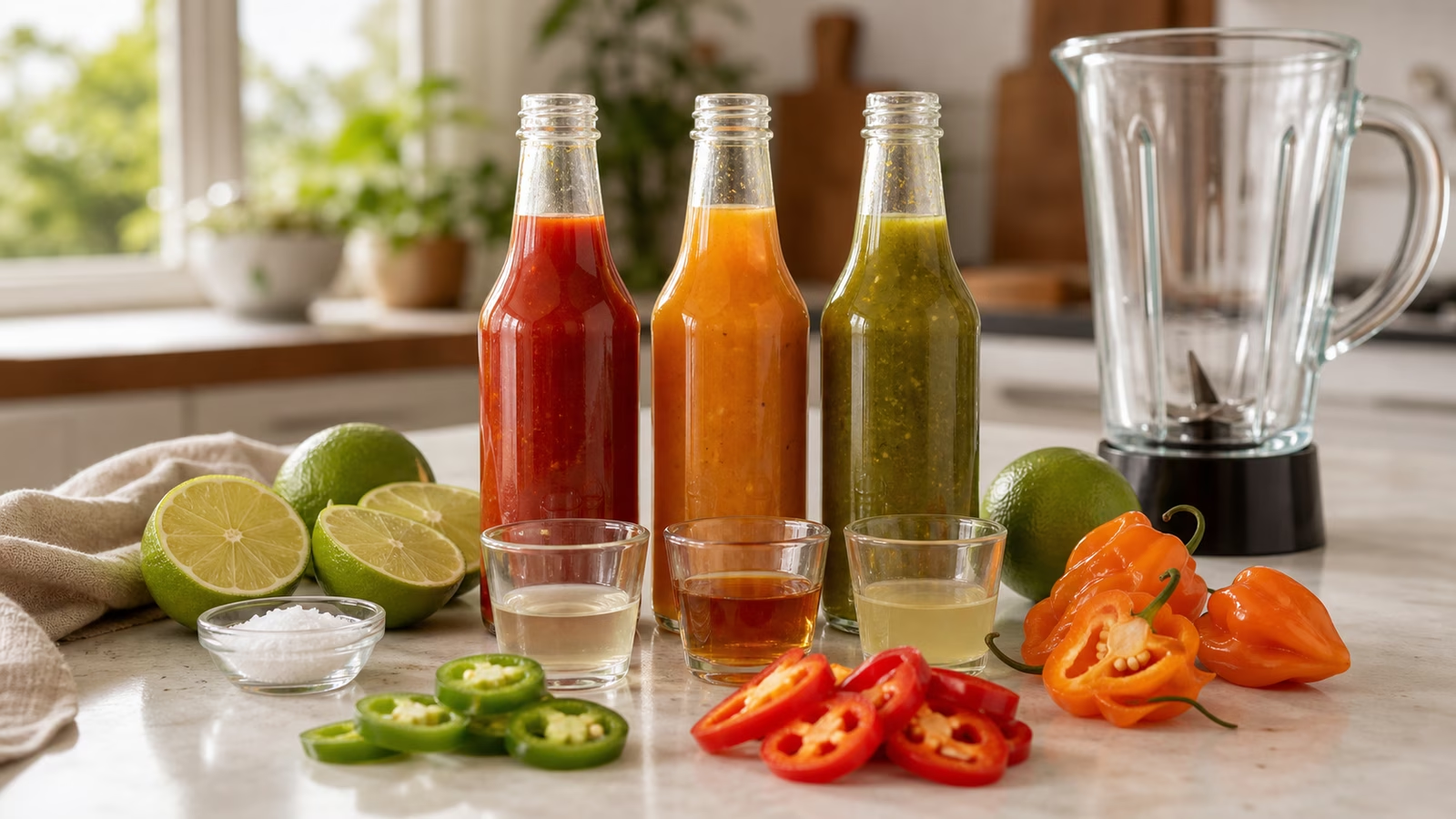
Louisiana-Style Vinegar Hot Sauce
Louisiana-style hot sauce is easy to underestimate because it looks so simple. The classic shape is thin, red, salty, and sharp, often built from peppers, vinegar, and salt with very little else. That simplicity is the point. This is not the sauce you make when you want mango, smoke, roasted garlic, or a slow fermented funk to announce itself first. It is the bottle you reach for when beans need lift, fried food needs a clean edge, eggs need brightness, or a bowl of greens tastes heavy.
The style works because it behaves more like seasoning than garnish. A few drops spread quickly. The vinegar cuts fat. The salt wakes up food. The pepper heat arrives fast enough to matter but usually fades before it ruins the next bite. If you want a thick spoon sauce, the Hot Sauce Texture and Body guide will take you in a different direction. For this bottle, the goal is clarity, motion, and restraint.
Start With The Right Pepper Shape
Cayenne is the familiar reference point, but the style is more flexible than one pepper. Fresno, ripe jalapeno, tabasco-type peppers, red serrano, and small ripe garden chiles can all work if they bring enough brightness and thin-skinned pepper flavor. What matters most is not extreme heat. It is a clean red pepper profile that can survive vinegar without disappearing.
Thin-walled peppers make a leaner sauce, which suits the style. Fleshier peppers make the blend softer and thicker, sometimes too close to a puree unless you strain well and thin carefully. A small amount of ripe sweet pepper can round harsh chiles, but too much turns the sauce into red pepper vinegar rather than hot sauce. If you are swapping peppers because the market did not have what you planned, read Pepper Substitutions for Hot Sauce alongside this guide. Substitution works best when you preserve the role of the pepper, not just the color.
Seeds are not the enemy, but they do change the finish. A few seeds add the familiar rustic edge of table sauce. Too many can make the bottle taste dry and bitter, especially after blending hard. For a clean version, remove most stems and any damaged pieces, then decide how much seed character you want before the peppers hit the blender.
Mash, Brine, Or Quick Cook
There are three useful ways into this style. A fermented pepper mash gives the deepest result. Salted chopped peppers sit under their own juices until acidity and aroma develop, then the mash is blended with vinegar. A brine ferment is a little looser and often easier to manage because the peppers stay submerged beneath measured saltwater. A quick cooked version skips fermentation and simmers peppers with vinegar and salt before blending.
The mash path is closest to the old logic of the style. Salt, time, and pepper flesh concentrate into something direct and savory. It does not have to ferment for months to be useful. Even a short active ferment can make vinegar feel less pointy because the pepper base has its own acidity and depth. If you are deciding between mash and brine, Pepper Mash vs. Brine Fermentation explains the tradeoff in more detail.
The quick cooked path is better when you want a same-day bottle. It will not have the same fermented roundness, but it can still be excellent if you keep the simmer gentle. Boiling hard drives off fresh aroma and can make vinegar fumes dominate the kitchen. A low simmer softens peppers enough to blend while keeping the sauce lively.
Vinegar Should Be Bright, Not Bullying
Vinegar is the frame of the sauce, so choose it with care. Distilled white vinegar gives the sharpest, cleanest line. Apple cider vinegar brings a little fruit and softness. Rice vinegar can make a gentler table sauce, especially with medium-heat peppers. Strong specialty vinegars can be interesting, but they easily steal focus.
The mistake is adding vinegar until the sauce is thin enough and then discovering it tastes hollow. Thinness and acidity are separate decisions. Blend the peppers first with some vinegar, then adjust in stages. If the sauce is too thick but already acidic enough, use a little clean water or reserved ferment brine rather than punishing it with more vinegar. If it is thin but dull, salt may be the missing piece.
Vinegar and Acid Balance in Hot Sauce is useful here because this style gives acid nowhere to hide. A rich fruit sauce can absorb a clumsy vinegar choice. Louisiana-style sauce cannot. Every adjustment shows.
Salt Gives The Sauce Its Snap
Salt is not only preservation support. It is what makes the pepper taste like pepper after vinegar enters the room. Too little salt and the sauce tastes sour, watery, and unfinished. Too much and it becomes a condiment that can only be used drop by drop. The target is a sauce salty enough to season food but not so salty that it tastes like brine on a spoon.
Taste it three ways before bottling. Taste a tiny drop alone, because that reveals harshness. Taste it on something plain, like rice or a piece of bread, because that reveals seasoning power. Taste it on something fatty, like egg, beans, or fried potatoes, because that shows why the style exists. A sauce that feels aggressive alone may be perfect on food. A sauce that tastes polite alone may disappear at the table.
The Salt Balance in Hot Sauce guide goes deeper on this point, but the short version is simple: salt should make the pepper clearer, not make the sauce taste louder.
Strain For A Clean Pour
A thin table sauce needs to leave the bottle without drama. Blend long enough to break the pepper flesh down, then let the sauce settle for a few minutes before straining. A fine mesh sieve removes skins and stubborn seed fragments that can clog narrow bottle tops. Press gently with a spatula, but do not force every dry bit through the mesh. The last paste in the sieve often carries bitterness.
If the strained sauce feels too lean, stir back a small spoonful of the finer pulp. That gives the bottle more pepper character without turning it into a spoon sauce. If it still separates after a day, shake it and judge the eating experience before you declare failure. Many thin pepper sauces settle a little. That is normal. Severe separation means the blend was too coarse or the liquid ratio went too far.
Let It Rest Before You Decide
Freshly blended vinegar sauce can taste sharper than it will tomorrow. The pepper particles hydrate, bubbles escape, and salt moves through the batch. Even a short overnight rest in the refrigerator can change the sauce from raw and prickly to clean and settled. This is especially true when the peppers were cooked quickly rather than fermented.
After resting, taste again and make one small correction at a time. A little more vinegar can lift a heavy sauce. A pinch of salt can clarify a sour one. A spoonful of pepper mash can return body to a thin one. The corrections should preserve the style: bright, direct, and useful.
Bottle it in small-neck bottles if the sauce is thin and strained. Use clean equipment, refrigerate home batches unless you are following a tested shelf-stable process, and keep an eye on changes in aroma, pressure, or appearance. For broader storage habits, keep Hot Sauce Storage and Safety close. The best Louisiana-style bottle is humble, but it is not careless. It earns its place because it makes ordinary food taste awake.