Hot Sauce Texture and Body
Flavor gets most of the attention in hot sauce, but texture decides how the sauce behaves once it reaches the plate. The same pepper blend can feel sharp and splashy when it is thin, rounded and generous when it is silky, or lively and homemade when it keeps a little pulp. Texture affects how heat arrives, how acid spreads, how much sauce clings to a taco, and whether the last spoonful in the bottle tastes like the first.
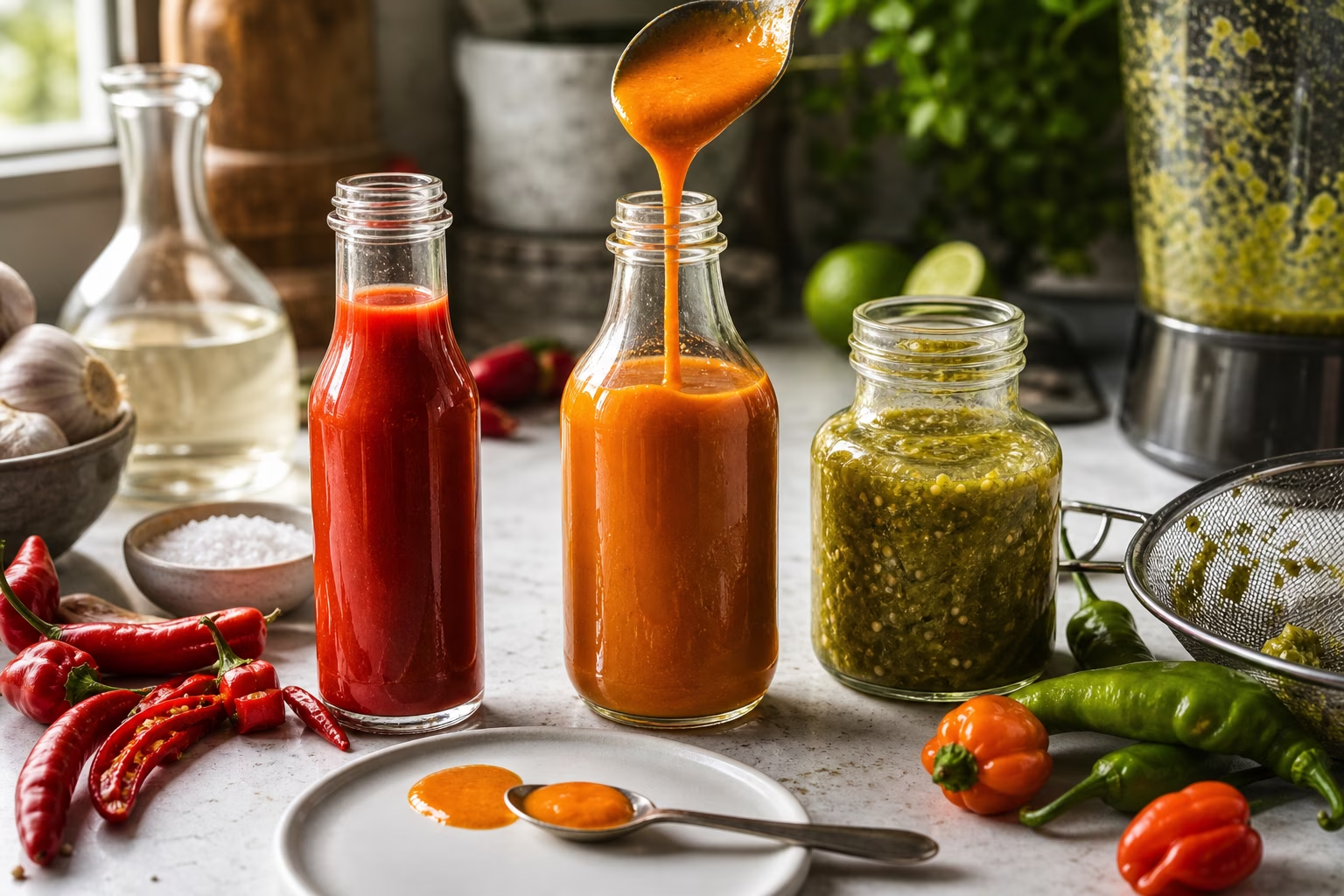
This is why two sauces with similar ingredients can land so differently. A thin cayenne-vinegar sauce moves fast. It wakes up fried chicken, beans, oysters, and greens because it cuts through fat and spreads in tiny droplets. A thick habanero-carrot sauce lands more slowly. It coats food, carries sweetness, and makes heat feel wider. A rustic green sauce with seeds and pepper skin behaves more like salsa: fresh, irregular, and better spooned than shaken. None of these textures is automatically better. Each one asks for a different method.
If you are still choosing a base recipe, start with Making Your Own Hot Sauce first. The method there gives you the broad paths: fresh, cooked, and fermented. This guide picks up at the point where the sauce already tastes promising but the pour is wrong. Maybe it separates after a day in the fridge. Maybe it refuses to leave the bottle. Maybe it tastes fine on a spoon but disappears on food. Texture is the tool that fixes those problems without rewriting the whole sauce.
Begin With The Job Of The Sauce
A useful texture starts with a serving idea. Ask where the sauce should go before you decide how thick it should be. A table sauce for eggs, rice, and soup needs to pour cleanly from a narrow bottle and disperse quickly. That points toward a strained or very finely blended sauce with enough vinegar, brine, or water to move. A sauce meant for grilled meat, roasted vegetables, sandwiches, or tacos can be fuller because cling is part of the point. It should sit on the food long enough to flavor each bite.
There is also a difference between splash and spoon. Splash sauces are seasonings. They are often bright, salty, and acidic, with a texture thin enough that a few drops can change a bite. Spoon sauces are condiments. They can carry roasted onion, fruit, herbs, charred peppers, or fermented mash because they are expected to show their body. Confusion happens when a sauce tries to do both at once. A chunky sauce in a woozy bottle frustrates people. A watery sauce served beside grilled food can run into the plate instead of staying where it is needed.
The best first adjustment is usually small. Thin a sauce gradually, then taste it on food, not only from a spoon. Hot sauce on a spoon is concentrated and dramatic. On a bite of beans or chicken, the same sauce may need more salt, a sharper acid line, or less thickness to register clearly. For a broader view of this food-first logic, the Sauce Pairing Guide is worth reading alongside this page.
What Actually Builds Body
Hot sauce body comes from solids, pectin, starch, emulsified fat, and dissolved seasoning. Pepper flesh is the main source. Thin-walled chiles like cayenne make lean sauces unless you use a lot of them or reduce the liquid. Fleshier peppers such as fresno, jalapeño, poblano, ripe bells, and many habaneros give more pulp and a smoother mouthfeel. Roasted carrot, onion, tomato, mango, peach, or pineapple can make a sauce feel rounder, but each addition changes flavor as much as texture.
Cooked vegetables thicken differently from raw ones. A raw pepper blend can taste crisp and sharp, yet its texture may feel grainy because skins and seeds stay distinct. Cooking softens cell walls, lets the blender work more completely, and helps vegetable sweetness integrate with vinegar or brine. This is one reason many daily-driver sauces are gently simmered before blending. The heat is not only about preservation or flavor mellowing; it also gives the sauce a more unified body.
Fermentation changes texture in its own way. A fermented mash often starts pulpy and stiff, then relaxes as salt draws moisture from the peppers and microbes reshape the flavor. The liquid in the jar is not just filler. Fermentation brine carries salt, acidity, and aroma, so it can thin the final sauce without making it taste watered down. If you are designing ferments specifically for flavor and body, Fermentation Flavor Design explains how salt, time, pepper choice, and finishing acid change the finished bottle.
Reduction is another path, but it has a cost. Simmering a blended sauce drives off water and thickens the pour, yet it can also mute fresh aromatics and make acid feel sharper. A short simmer can be helpful for cooked sauces. A long simmer can make a bright green sauce taste tired. When the goal is thickness rather than cooked flavor, adding more pepper solids or choosing a fuller base often gives a better result than boiling a sauce down until it behaves.
The Blender Is A Texture Tool
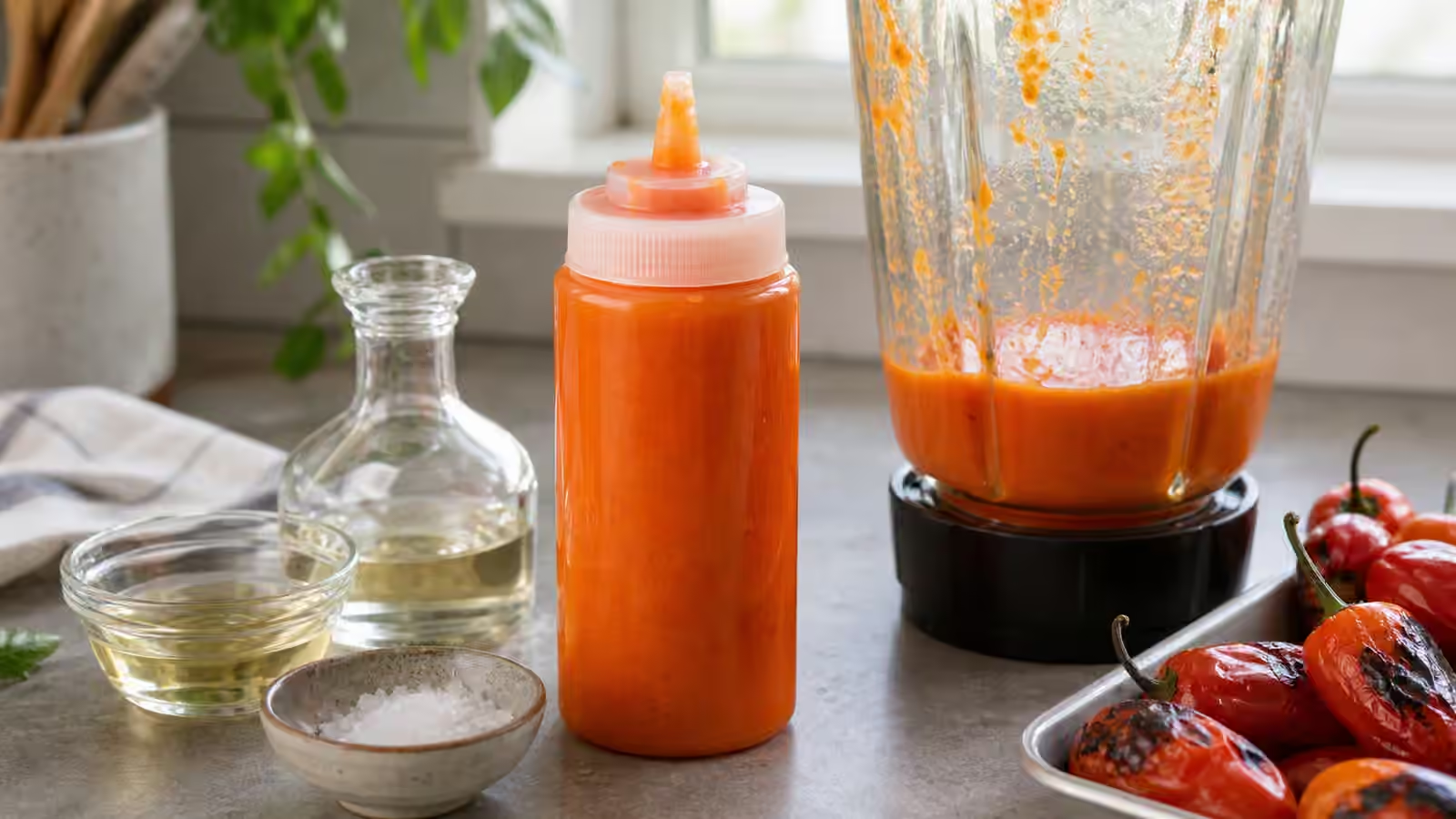
Blending time matters more than many recipes admit. A quick blend chops ingredients into a sauce that looks lively but may separate quickly. A longer blend breaks pepper flesh into finer particles, disperses seeds, and makes the sauce feel smoother. High-powered blenders can make a near-silky sauce from cooked peppers, while weaker blenders often need extra liquid or a later straining step. Neither result is wrong, but the bottle should match the machine.
Temperature also affects blending. Warm cooked peppers usually blend smoother than cold cooked peppers because softened solids move easily and the liquid flows around the blade. Very hot liquids need care and headspace, so this is not a call to fill a blender with steaming sauce and clamp down the lid. It is simply a reminder that a sauce blended while warm often takes less time to become cohesive than the same sauce blended straight from the fridge.
Oil is sometimes used to round a sauce, but it deserves restraint. A small amount can soften harsh edges and make the sauce feel glossy. Too much can dull brightness, complicate storage, and make the sauce feel heavy. If oil is part of the texture plan, treat the sauce as refrigerated unless you are following a tested process for the full recipe. For general storage habits, acidity thinking, and bottling discipline, keep Hot Sauce Storage and Safety close by.
Straining Without Flattening The Sauce
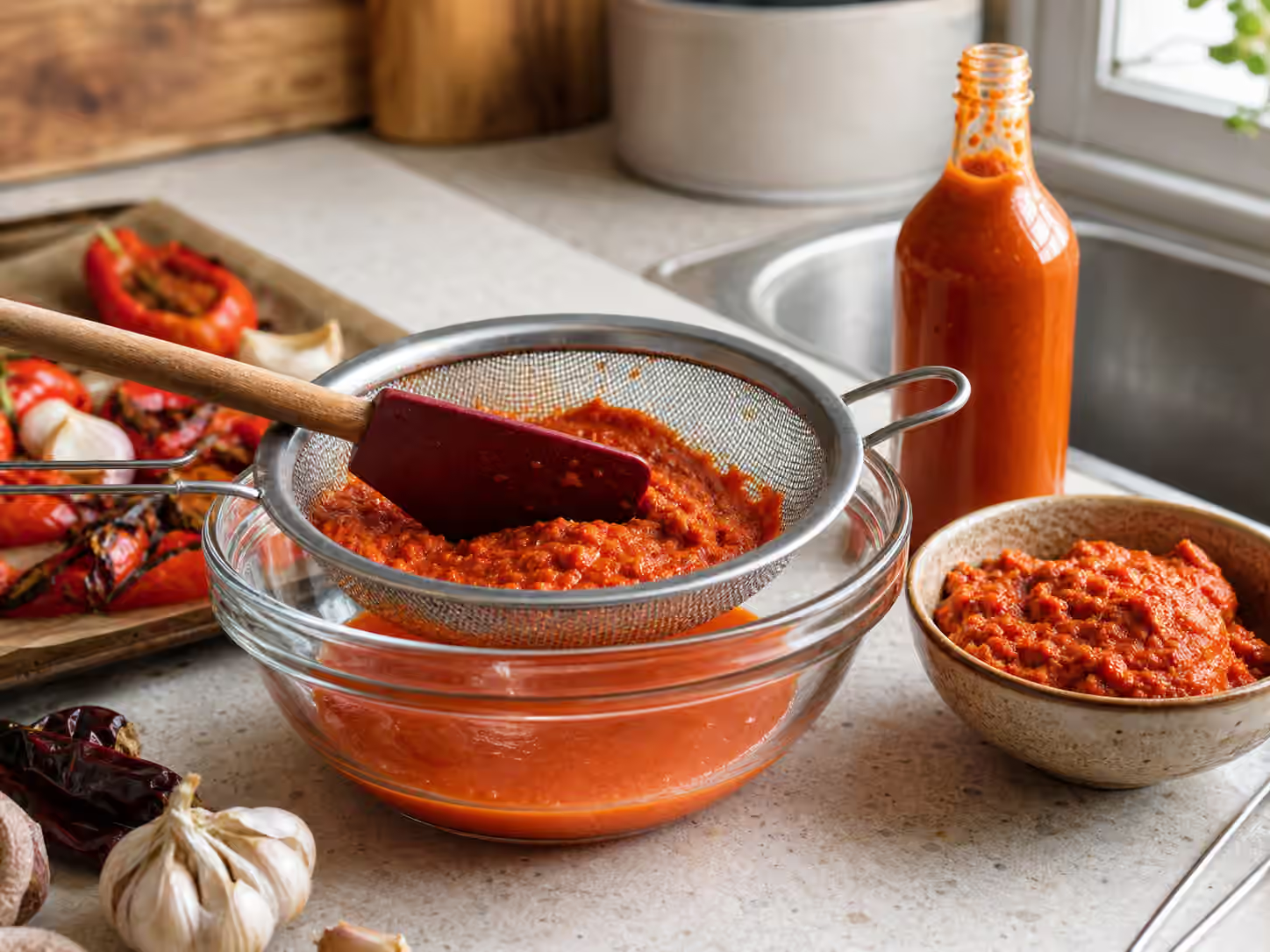
Straining is not a sign that the blender failed. It is a style choice. A fine mesh sieve removes tough skins, stubborn seeds, and coarse fibers that can make a sauce feel scratchy. The result is cleaner, more elegant, and easier to pour. The tradeoff is that straining also removes body. If the sauce was already thin, a hard strain can leave you with something closer to chile vinegar than table sauce.
A good straining method is gentle and deliberate. Blend first until the sauce is as smooth as your equipment can make it. Let it sit for a few minutes so bubbles rise and the texture settles. Then pass it through a sieve with a flexible spatula, pressing enough to recover sauce but not so hard that every bitter seed fragment and dry fiber gets forced through. Taste the strained sauce before throwing anything away. Sometimes the pulp is delicious and only needs a second blend with a little vinegar or brine to become a rustic side sauce.
For a smoother bottle with more body, strain only part of the batch. Blend the full sauce, strain half, then stir the strained portion back into the unstrained portion until the texture feels intentional. This gives you a sauce that pours cleanly but still tastes like peppers rather than flavored liquid. It is especially useful for habanero and fruit sauces, where a completely strained version can lose the plushness that makes the sauce appealing.
Separation Is A Message
Some separation is normal. Pepper particles are heavier than vinegar, brine, or citrus juice, so they settle. A sauce that says “shake well” is not necessarily flawed. The problem is severe separation, where a watery layer forms quickly and the thick layer packs into the bottom of the bottle. That usually means the sauce has too much free liquid for the amount and size of solids, or the blend is too coarse to stay suspended.
The first fix is blending longer. The second is adjusting the solids-to-liquid ratio. Add more cooked pepper flesh, roasted carrot, or a small amount of the reserved mash before reaching for specialty thickeners. These ingredients thicken while staying in the flavor language of hot sauce. If the sauce becomes dull after adding body, correct with acid and salt in small increments. Texture changes flavor perception. A thicker sauce often needs slightly more acid to feel as bright as it did when thin.
Some makers use gums or starches, especially when trying to make a very consistent commercial-style sauce. They can work, but they are easy to overdo at home. Too much turns a lively sauce into something slick or gummy. For most home batches, patient blending, better pepper choice, partial straining, and careful liquid control solve the problem more gracefully.
Fixing Common Texture Problems
When a sauce is too thin, the cause is usually excess vinegar, brine, water, or citrus relative to pepper solids. The cleanest fix is to blend in more cooked peppers or compatible cooked vegetables. If the flavor is already perfect, simmering briefly can help, but taste often because reduction concentrates salt and acid. A thin fermented sauce can sometimes be improved with reserved fermented mash, which thickens while keeping the same acidity and savory character.
When a sauce is too thick, thin it with the liquid that belongs to its style. Fermented sauces usually prefer reserved brine or a modest vinegar finish. Fresh green sauces often like lime juice, rice vinegar, or a little water if the seasoning is already firm. Cooked red sauces can take vinegar, water, or pepper cooking liquid. Add liquid slowly and let the sauce stand before judging it. Freshly blended sauce is full of tiny bubbles, and those bubbles can make it seem thicker than it will be an hour later.
When a sauce feels gritty, look at skins and seeds. Pepper skin can resist blending, especially after roasting if charred bits were left in the batch. Seeds can add bitterness and a hard texture. Straining helps, but the better solution may be earlier in the process: remove more seeds, cook the peppers a little longer, or choose fleshier varieties for a smoother style. If you want a rustic sauce, grit is still not the goal. Rustic should feel lively and textured, not dusty.
When a sauce feels flat after smoothing, the texture may have become too polite. Straining removes aromatic pulp and can reduce the sense of heat. Fix that with a small amount of fresh acid, a pinch of salt, or a spoonful of unstrained sauce stirred back in. Heat perception is tied to texture. A thin sauce often feels quick and sharp. A thick sauce can feel slower but more persistent. If the burn itself is the problem, Heat Tolerance and Balance explains how food, fat, acid, and repeated tasting change the experience.
Match Texture To The Table
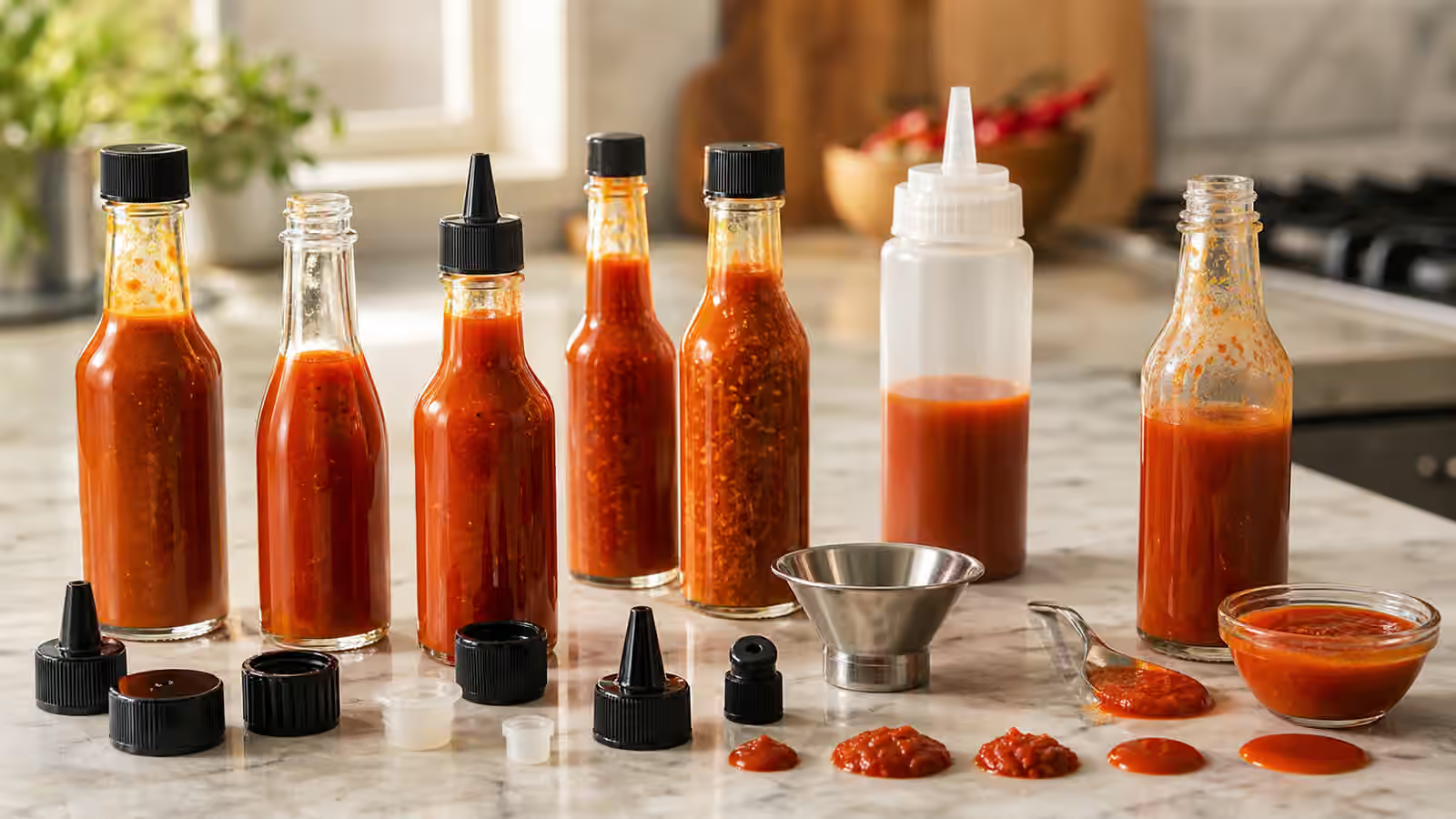
Once the sauce is bottled, texture becomes hospitality. A thin sauce in a narrow-neck bottle lets people season one bite at a time. A medium sauce belongs in a squeeze bottle or a bottle with enough opening to avoid thumping and clogging. A chunky sauce belongs in a jar with a spoon. These details sound small until someone shakes too hard and floods a plate, or gives up because the sauce will not pour.
Think of your shelf as a set of textures, not only a set of heat levels. A thin vinegar sauce covers fried food and soups. A smooth medium sauce handles eggs, tacos, roasted vegetables, and sandwiches. A rustic spoon sauce brings freshness to beans, grilled meat, and rice bowls. Building that range makes hot sauce more useful because each bottle has a job. The goal is not to make every sauce restaurant-smooth. The goal is to make the texture honest, repeatable, and suited to the food in front of it.