Hot Sauce Marinades and Glazes
Hot sauce is usually treated as a finishing condiment, but it can also work earlier in cooking. A spoonful can season a marinade, sharpen a mop sauce, brighten a pan sauce, or become the backbone of a glaze. Used well, it brings pepper, acid, salt, aroma, and color in one move. Used carelessly, it can make food sour, salty, scorched, or one-note before the bottle ever reaches the table.
Cooking with hot sauce requires a different sense of timing than pouring it on finished food. Heat changes aroma. Sugar browns and burns. Vinegar concentrates. Garlic can become harsh. A sauce that tastes balanced cold from the bottle may need dilution, fat, sweetness, or later application once it meets a grill, oven, skillet, or broiler.
Cooking With Hot Sauce gives the broad kitchen view. This page focuses on three common cooking roles: marinades that work before heat, mop sauces that work during heat, and glazes that finish with shine and cling.
A Marinade Is Not Just More Sauce
A marinade needs enough liquid to coat food, enough salt to season, enough acid to brighten, and enough restraint that the food still tastes like itself. Hot sauce already contains some of those parts, but not always in the right amounts. A thin vinegar sauce may bring plenty of acid and salt but very little body. A thick fruit sauce may bring sweetness and pepper aroma but need thinning. A fermented sauce may bring tang and savoriness but become too salty if used straight.
Think of hot sauce as the flavor base, then build the marinade around the food. For chicken, tofu, mushrooms, cauliflower, pork, or hearty vegetables, a hot sauce marinade may need oil or yogurt to distribute heat and keep the surface from tasting sharp. For shrimp or delicate fish, the sauce should be lighter and the timing shorter because acid can change texture quickly. For beans or roasted vegetables, the marinade can be more like a dressing that seasons before and after cooking.
Do not assume more time always means more flavor. Long exposure to acid and salt can make some foods unpleasantly firm, soft, or cured at the surface. A brief marinade followed by a fresh sauce at the table often tastes clearer than an overnight soak in an aggressive bottle.
Dilution Can Make Hot Sauce More Useful
Many sauces are too concentrated to use as cooking liquids straight from the bottle. Dilution is not weakness. It lets the pepper flavor spread over more surface without making every bite taste like vinegar and salt. Water, citrus juice, stock, beer, tomato, yogurt, oil, melted butter, honey, or reserved cooking liquid can all be useful, depending on the food and sauce.
The liquid should support the sauce’s direction. A green serrano sauce may like lime, yogurt, or a little oil. A smoky chipotle sauce may like tomato, orange, or a small amount of honey. A carrot-habanero sauce may like citrus and butter. A dried chile sauce may like cooking liquid from beans or roasted vegetables. Random dilution makes sauce taste thinner. Matched dilution makes it more usable.
Taste the diluted version before it touches food. If it tastes slightly too bold on a spoon, it may be right after cooking. If it tastes perfect before cooking, it may become dull once it coats food. If it tastes harsh before cooking, heat will rarely rescue it.
Sugar Needs Late Heat
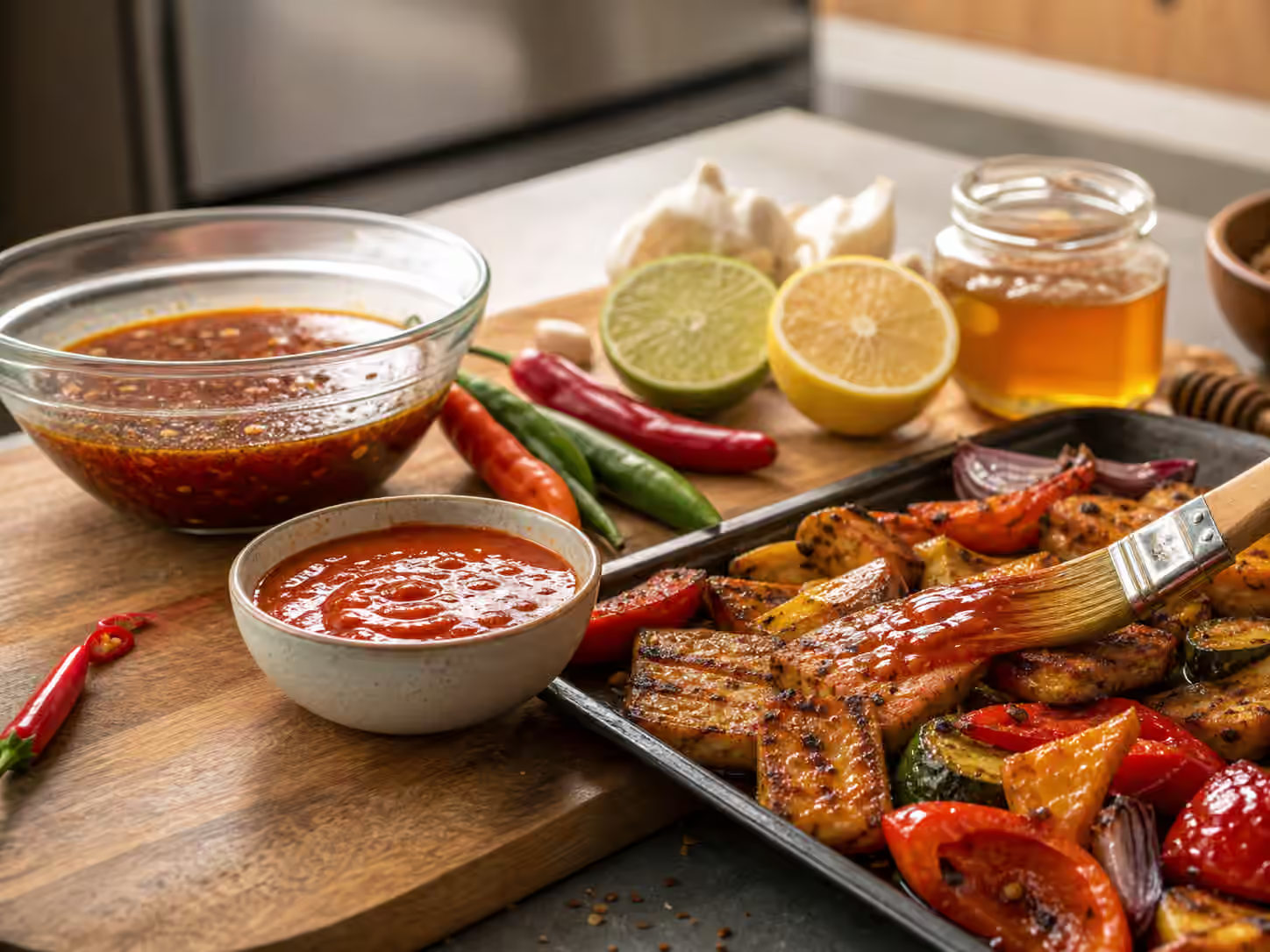
Glazes often need sweetness because sugar helps sauce cling and brown. Fruit-forward hot sauce, honey, maple syrup, brown sugar, jam, or reduced fruit juice can all make a beautiful glaze. They can also burn. A sweet hot sauce brushed onto food too early may darken before the food is cooked, leaving bitter edges and a sticky pan.
Apply sugary glazes late, when the food is mostly cooked and the surface is ready to take shine. Brush thin layers rather than one heavy coat. Let each layer set briefly. This gives you color and gloss without turning the sauce into a burnt shell. On a grill, keep glazed food away from the most aggressive heat. In an oven, a lower finish or short broiler pass is easier to control than a long blast.
Not every glaze should be sweet. A vinegar-forward mop sauce can be thin, sharp, and repeated during cooking. A butter and hot sauce glaze can be rich without much sugar. A fermented pepper glaze can get cling from reduction and body rather than sweetness. Fruit and Sweetness in Hot Sauce is helpful when you want roundness without making every cooked sauce taste like candy.
Salt And Acid Concentrate As Liquid Evaporates
Cooking removes water. What remains tastes stronger. That is useful when reducing a thin hot sauce into a glaze, but it can also push salt and acid too far. A sauce that was pleasant from the bottle may become harsh after simmering. A marinade left to reduce in a pan may taste more sour and salty than expected.
Reduce slowly and taste often. If the sauce is becoming intense before it thickens, add unsalted liquid or body instead of pushing harder. Tomato, roasted pepper puree, fruit, stock, or even a little water can keep the reduction from becoming sharp. If salt is already high, do not add salty condiments just because the glaze seems thin. Fix texture separately.
This is where Salt Balance in Hot Sauce and Vinegar and Acid Balance in Hot Sauce become cooking references. Salt and acid are not static once heat enters the picture.
Texture Decides Whether A Sauce Brushes, Clings, Or Burns
A smooth sauce brushes evenly. A pulpy sauce leaves texture and can scorch in spots. A thin sauce runs off food and seasons the pan more than the surface. A thick sauce can sit heavily and hide browning. None of these textures is wrong, but each needs a matching technique.
For marinades, medium-thin usually works best because the sauce needs contact. For mop sauces, thin is useful because repeated brushing should not build a heavy crust. For glazes, medium body is ideal: thick enough to cling, loose enough to spread. If a sauce is too pulpy for glazing, strain part of it or blend it longer. If it is too thin, reduce it gently or add body from pepper puree, tomato, fruit, or a small amount of honey.
Pepper seeds and flakes deserve attention. They can look attractive on grilled food, but they can also burn. If the sauce contains many flakes, use gentler heat or add them later. Chile Powder and Flakes in Hot Sauce covers the texture side of ground and crushed chiles in more detail.
Keep A Fresh Finish
Cooked hot sauce flavors often benefit from a fresh echo at the end. A marinade may season the food deeply, but a few drops of the same sauce at the table can restore brightness that heat softened. A glaze may give color and cling, while a squeeze of citrus or a spoonful of fresh sauce gives lift. A smoky mop sauce may taste deeper with a raw scallion, herb, or vinegar finish nearby.
This does not mean every dish needs two sauces. It means cooked heat and fresh heat play different roles. The cooked layer becomes part of the food. The fresh layer reminds the palate of the pepper. When both are in balance, the dish tastes seasoned rather than covered.
Hot sauce is useful in marinades and glazes because it is already a compact flavor system. The work is deciding how much of that system should survive heat, how much should be softened, and how much should return at the table. Treat the bottle as an ingredient with structure, not just as liquid fire, and it becomes far more flexible in the kitchen.