Hot Sauce for Rice Bowls and Noodles
Rice and noodles reveal hot sauce clearly because they give the sauce so much surface to season. A few drops can disappear into a bowl. A spoonful of the wrong sauce can make every bite sour, salty, or hot in the same way. The best match is not always the hottest bottle or the most complex ferment. It is the sauce whose texture, acid, salt, and aroma know how to move through starch.
This guide is a focused companion to Sauce Pairing and Hot Sauce for Every Dish . Those pages cover broader matching. Rice and noodles deserve their own attention because they are neutral enough to magnify mistakes and flexible enough to make almost any sauce useful when handled well.
Match Texture To The Bowl
Thin sauces move quickly. On plain rice, a vinegar-heavy sauce can spread through the top layer and season many bites with little volume. That is useful when the bowl is rich with fried egg, pork, tofu, beans, coconut, or oil. The acid cuts heaviness and the heat travels without adding bulk. The risk is a sour bottom layer if the sauce pools. Add thin sauces in small passes and toss or drizzle with intention.
Medium-bodied sauces cling better. A jalapeno-tomatillo sauce, habanero-carrot sauce, peri-peri style sauce, or smooth fermented blend can sit on a rice bowl or noodle nest without vanishing immediately. This is useful when the bowl has vegetables, grilled protein, roasted mushrooms, or other ingredients that need a sauce line rather than a splash. Medium body gives control.
Coarse sauces and chile crunches act more like toppings. Sambal-style paste, salsa macha-style sauce, and dried chile table sauce bring texture as well as heat. They are excellent when the bowl is soft or repetitive. A spoonful can make plain rice feel deliberate. On noodles, crunchy or coarse sauces should be distributed carefully so the first bite is not all chile and the last bite all plain starch.
Acid Should Cut, Not Flatten
Rice and noodles often need brightness, especially when they carry fat, egg, broth, or fried ingredients. Vinegar and citrus can make the bowl feel lighter, but too much acid flattens the grain or noodle flavor. The goal is lift. If the bowl already includes pickles, kimchi, lime, tomato, tamarind, or a sharp dressing, a strongly acidic hot sauce may be redundant.
Fresh green sauces can be beautiful on rice because herbs and lime make the bowl feel awake. A thin Louisiana-style sauce can be excellent with fried rice, beans and rice, or rice under rich stews. A smoky sauce can work with grilled meat or roasted vegetables, but it may turn dull on delicate noodles. Vinegar and Acid Balance in Hot Sauce helps explain why two sauces with similar heat can land so differently.
For noodle soups, add acid near the table rather than assuming the pot needs it. Broth changes as it sits, and noodles absorb seasoning. A hot sauce that tastes right in the first minute may become too sharp after the bowl rests. Taste the broth, add a little sauce, stir, then taste again.
Salt Has To Respect The Base
Rice can absorb seasoning quietly. Noodles may already be salted from cooking water, broth, soy-based sauces, miso, cheese, cured ingredients, or seasoned toppings. A hot sauce that tastes perfectly balanced alone can push a noodle bowl over the edge if the rest of the dish is already salty. This is especially true with fermented sauces, brine-heavy sauces, and chile crunches that include salted nuts or seeds.
The practical test is to taste the plain base first. If the rice or noodles are under-seasoned, a saltier hot sauce can help. If the base is already seasoned, choose a sauce with more aroma and less salt impact. A fresh green sauce, pepper vinegar, or lightly salted chile paste may work better than a heavy fermented mash.
Salt Balance in Hot Sauce is worth keeping in mind because hot sauce often acts as seasoning, not garnish. The bowl should taste more complete after the sauce, not merely hotter.
Heat Shape Changes With Starch
Starch softens heat, but it also extends it. A hot sauce on a chip hits quickly and fades. A hot sauce stirred through rice or noodles keeps returning because each bite carries a little. This can make medium sauces seem stronger over the course of a meal. It can also make superhot sauces exhausting even when the first taste seems manageable.
Build heat in layers. A mild sauce stirred through the base can season the whole bowl, while a hotter sauce stays on top for occasional sparks. This works better than trying to make one extremely hot sauce do every job. Heat Tolerance and Balance covers the palate side of that decision. In a rice or noodle bowl, the cooking side is just as important: where the sauce sits determines how the heat arrives.
Fat changes the burn. Sesame oil, egg yolk, coconut milk, peanut sauce, butter, cheese, and meat drippings can soften sharp heat and carry chile aroma. They can also make a sauce feel heavier. If the bowl is rich, choose acid and herb lift. If the bowl is lean, a chile crunch or roasted sauce can add depth.
Choose Sauce By Direction, Not Cuisine Labels
It is tempting to match sauces by cuisine alone, but bowls are often mixed, improvised, or built from leftovers. Direction is more useful. A bright green sauce fits when the bowl needs freshness. A dried chile sauce fits when it needs depth. A thin vinegar sauce fits when it needs lift. A garlic-chile paste fits when it needs intensity. A crunchy oil sauce fits when it needs texture and richness.
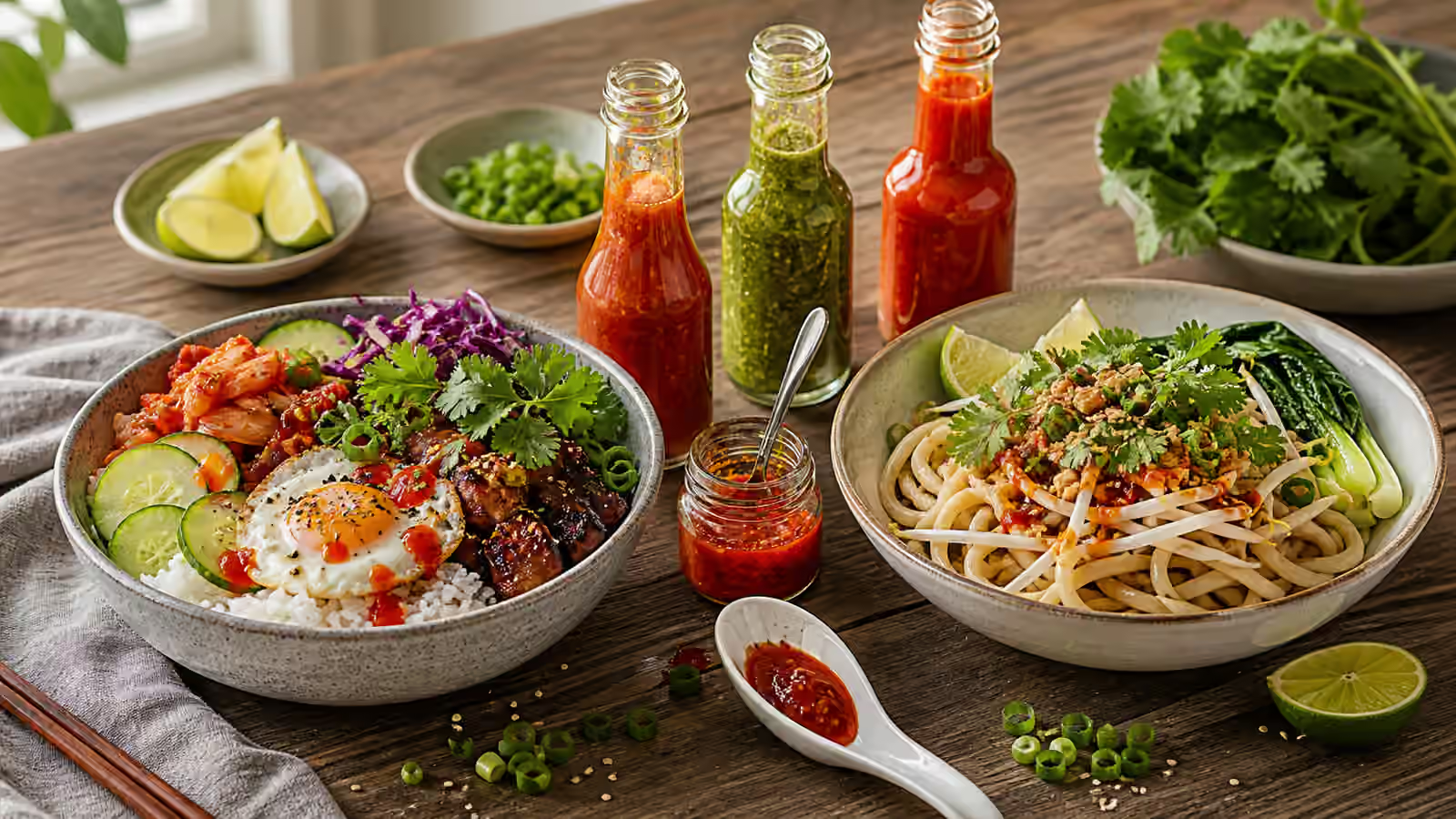
For rice bowls with eggs, beans, greens, grilled chicken, or roasted vegetables, medium-bodied red or green sauces are easy to use. For fried rice, a thin acidic sauce or sambal-style paste can cut oil without making the grains wet. For cold noodles, a sauce with acid, garlic, and controlled sweetness can wake up the dish. For brothy noodles, add sauce in small amounts so the broth remains readable.
Sweet sauces need caution. A little sweetness can connect heat to noodles or rice, especially with garlic and vinegar. Too much makes the bowl taste sticky and repetitive. Fruit and Sweetness in Hot Sauce is useful when the sauce seems exciting on a spoon but clumsy in a full meal.
Finish In Passes
The best way to use hot sauce on rice and noodles is often in passes. Add a little, mix or taste, then add more only where the bowl needs it. Keep one sauce for background seasoning and another for top notes if the meal calls for it. A thin vinegar sauce can season the base. A spoonful of chile crunch can finish the top. A fresh green sauce can brighten the last few bites.
This approach respects the food and the sauce. It prevents the bowl from becoming one-note, and it lets different bites carry different kinds of heat. Hot sauce should make rice and noodles more expressive, not erase their comfort. When texture, acid, salt, and heat are matched to the bowl, the sauce becomes part of the meal rather than a dare poured over it.