Hot Sauce for Breakfast and Eggs
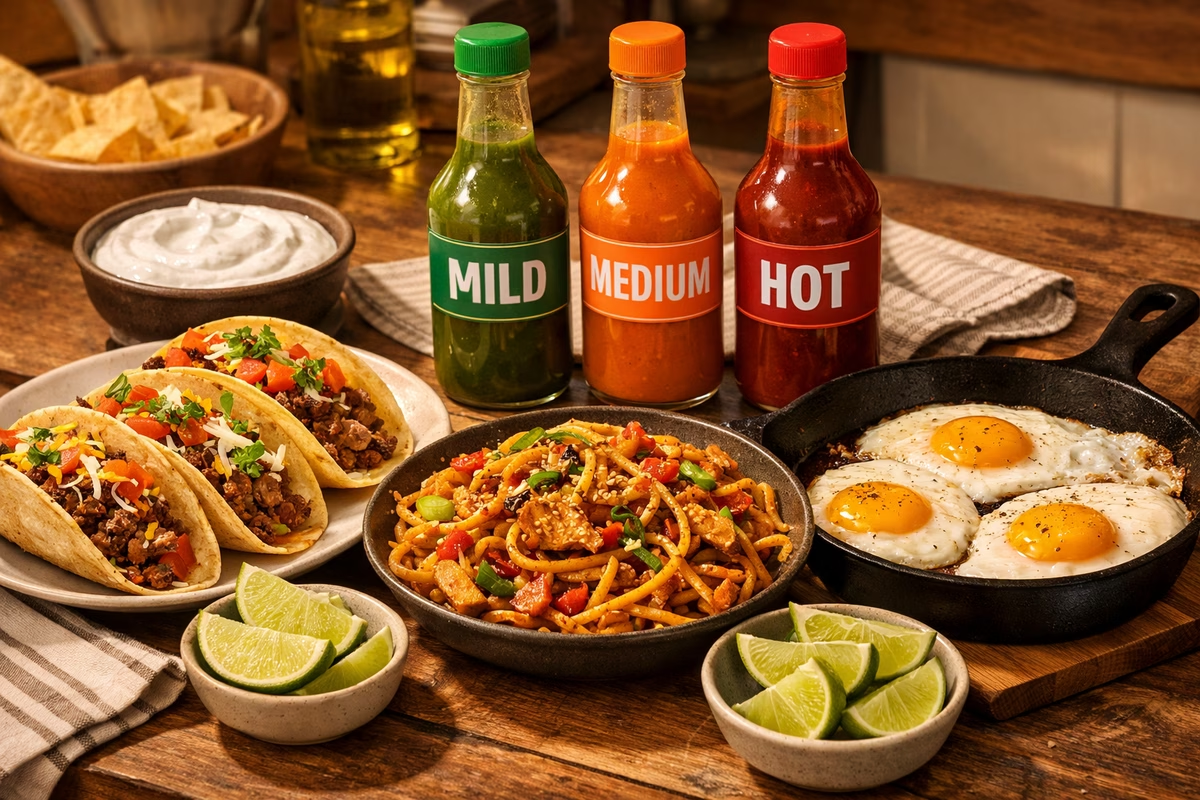
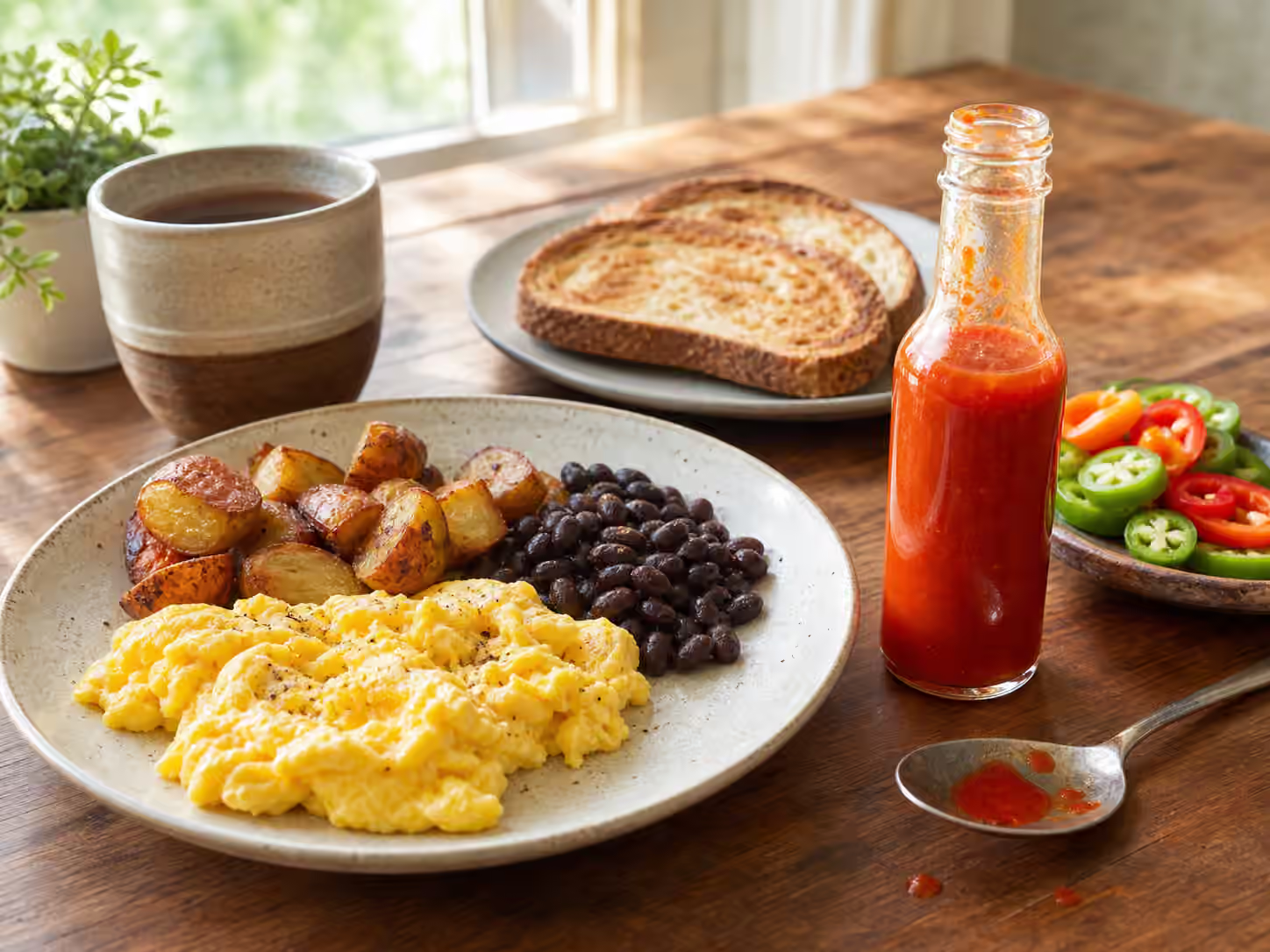
Breakfast is where many hot sauces become daily sauces. Eggs, potatoes, beans, toast, rice, leftovers, and simple bowls all make room for heat, but they do not all want the same bottle. A sauce that is exciting on grilled meat can bully scrambled eggs. A sharp vinegar sauce that wakes up fried potatoes may taste thin on beans. A fruity habanero sauce can be beautiful on a breakfast sandwich and strange on plain oatmeal-adjacent grains. Morning food is often mild, fatty, starchy, or delicate, so the sauce has nowhere to hide.
The point is not to make breakfast timid. It is to dose heat so the first bite still tastes like breakfast. Eggs should taste like eggs. Potatoes should taste browned and salted. Beans should taste savory. Hot sauce should sharpen, brighten, warm, or deepen those foods instead of turning the whole plate into a pepper test.
For a broad pairing framework, start with Hot Sauce Pairing Guide . This page stays at the breakfast table, where small amounts and soft foods make balance easier to notice.
Eggs Need Brightness And Restraint
Eggs are rich but quiet. Scrambled eggs, fried eggs, omelets, soft-boiled eggs, and egg sandwiches all welcome acid because acid cuts fat and wakes up salt. They also reveal harshness quickly. Too much raw garlic, too much smoke, stale chile powder, or a sauce that is mostly vinegar can make eggs taste metallic or sour instead of lively.
Thin red vinegar sauces work well when the eggs are rich and the plate needs lift. A few drops can brighten scrambled eggs or a fried egg on toast without changing the whole dish. Green sauces work when the egg has herbs, potatoes, beans, or tortillas nearby. Habanero-carrot or Scotch bonnet fruit sauces can be excellent on an egg sandwich because bread, fat, and cheese give the heat somewhere to land.
The mistake is pouring before tasting. Eggs carry salt differently depending on butter, cheese, cured meat, beans, or bread. Taste one bite, then add sauce to the next. A good breakfast sauce often arrives in two small passes rather than one dramatic pour.
Potatoes Like Acid, Salt, And A Clean Burn
Breakfast potatoes can take more sauce than eggs because they are starchy, browned, and often salty. Home fries, hash browns, roasted potatoes, and potato hash all benefit from acid. A lean cayenne or fresno vinegar sauce cuts through oil and makes the browned edges taste clearer. A smoky sauce can work too, especially when the potatoes have onion, peppers, or sausage-like seasoning nearby.
Texture matters with potatoes. A thin sauce seasons the surface quickly. A thicker sauce sits in pockets and can make a hash feel saucier. Both can be good, but they change the plate. If the potatoes are crisp, add sauce at the table so they stay crisp longer. If they are soft or folded into a hash, a thicker sauce can become part of the dish.
Heat also feels gentler with potatoes than with eggs because starch absorbs and spreads the burn. That makes potatoes a good place to learn a hotter bottle. Heat Tolerance and Balance explains why food context changes how spice lands. Breakfast potatoes prove it quickly.
Beans And Rice Want Depth
Beans, rice, and grain bowls can handle deeper sauces than eggs alone. Fermented red pepper sauce, dried chile table sauce, chipotle adobo sauce, tomato-based sauce, and savory umami hot sauce all make sense here. The food is earthy and filling, so the sauce can bring more bass: smoke, roasted garlic, cumin-like warmth, dried chile fruit, or fermentation tang.
Acid is still important. Beans without acid can taste heavy, and rice can make a sauce seem flatter than it did on a spoon. A sauce with enough vinegar or fermented tang can make a simple bowl feel finished. If the sauce is very thick, stir a little into the beans or rice rather than leaving a mound on top. If it is very thin, add it in small passes so one area does not become sour.
Breakfast bowls often include leftovers. Roasted vegetables, chicken, tofu, greens, beans, rice, eggs, and potatoes may all share the same dish. Choose the sauce for the quietest ingredient, not the loudest. If the sauce works on the egg or rice, it will usually work on the rest. If it only works on the spiciest, fattiest, or smokiest bite, it may dominate the bowl.
Toast And Sandwiches Need Spreadable Logic
Toast changes hot sauce because bread absorbs liquid. A thin sauce can disappear into toast and leave only acid. That can be pleasant with buttered toast and eggs, but it can also make bread soggy. A medium-bodied sauce, a pepper pulp blend, or a sauce mixed into mayo, yogurt, cream cheese, or butter often works better when the food is handheld.
Egg sandwiches especially reward body. A carrot-habanero sauce, mild roasted pepper sauce, mustard-backed sauce, or thick green sauce can cling to the egg without running out the back of the sandwich. A very hot sauce should be used carefully because each bite may trap sauce against the tongue. When in doubt, spread a small amount across the bread rather than pouring it in one spot.
If the sandwich has cheese, avocado, bacon, sausage, tofu, mushrooms, or fried potatoes, the sauce can be brighter and hotter. Fat softens the burn and bread slows it down. If the sandwich is just egg and toast, use less sauce and choose a cleaner profile.
Match Sauce Color To Morning Flavor
Color is not a rule, but it predicts flavor. Green sauces often taste fresh, grassy, herbal, or sharp. They fit eggs with herbs, tortillas, avocado, beans, and potatoes. Red sauces often taste direct, ripe, vinegary, or roasted. They fit eggs, hash, toast, and breakfast sandwiches. Orange sauces often bring fruit, carrot, habanero perfume, or Scotch bonnet warmth. They fit richer plates and anything with cheese, fried potatoes, or roasted vegetables.
Dark dried chile sauces can be wonderful at breakfast, but they need the right base. They shine with beans, potatoes, mushrooms, leftover meat, tofu, or rice. On plain scrambled eggs, they can taste heavy unless the sauce has enough acid. A spoonful of deep chile sauce beside eggs is different from a few drops of thin vinegar sauce. One is a condiment; the other is almost a side ingredient.
This is why Hot Sauce for Every Dish is useful after you find a breakfast favorite. The same bottle can move through the day, but only if you understand whether it is adding brightness, body, smoke, fruit, or heat.
Use Morning Portions As A Test
Breakfast is a good testing ground because the foods are familiar. If a sauce tastes wrong on an egg, potato, bean, or piece of toast, you can usually tell why. Too sour. Too hot. Too sweet. Too smoky. Too thin. Too garlicky. That direct feedback is valuable for making sauce as well as using it.
When testing a homemade batch, put a small amount on the side of the plate rather than covering the food. Try one bite plain, one bite with a little sauce, and one bite with a little more. Notice when the food improves and when it disappears. That point is the useful dose. It can guide bottle choice too. A sauce that only needs a few drops may want a reducer cap. A sauce that tastes best in a stripe may want a squeeze bottle. A spoon sauce may belong in a jar.
The best breakfast hot sauce becomes part of the morning rhythm because it behaves. It pours cleanly, wakes up simple food, and leaves room for the plate. Heat is welcome at breakfast when it feels like seasoning, not a dare before coffee has cooled.