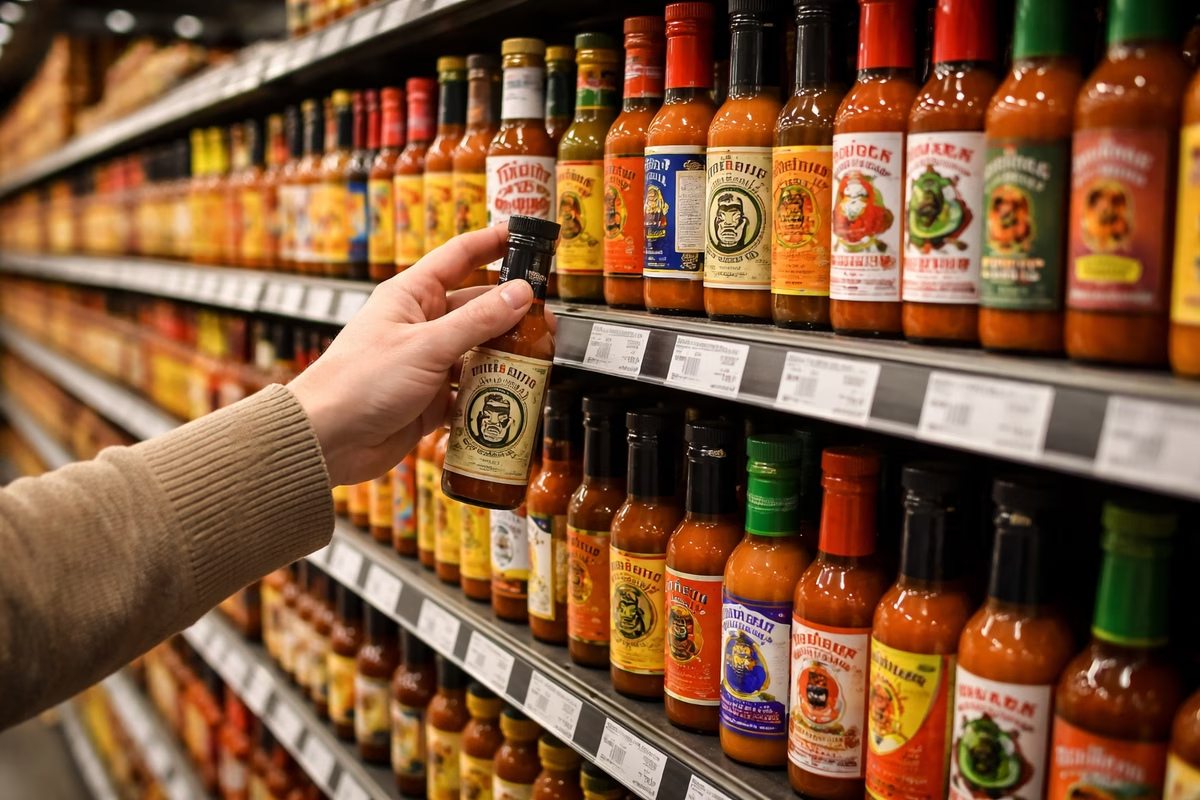
The hot sauce shelf is noisy.
Some bottles look polished. Some look homemade. Names can be aggressive or silly. Heat claims range from mild to absurd. Ingredient lists can be short or long.
Somewhere on that shelf is a bottle you will actually use. This guide helps you find it without buying ten disappointments first.
What’s Actually in the Bottle
The Ingredient Trinity
Most hot sauces are built from three components in varying ratios:
Peppers are the heat source and the primary flavor, so the variety named on the label matters more than almost anything else. Vinegar or fermentation provides tang and helps preserve the sauce. Salt makes the pepper flavor clearer and keeps the sauce from tasting thin.
That’s it for a Louisiana-style sauce: peppers, vinegar, salt. Many of the best sauces in the world are this simple.
More complex sauces add supporting flavors. Garlic and onion create a savory base, fruit brings sweetness and aroma, spices push the sauce toward a specific cuisine, and sugar or honey can soften the collision between heat and acid. Thickeners such as xanthan gum are not automatically a problem; they usually mean the maker wanted a more controlled body and pour.
What to Watch For
Short ingredient lists generally mean the sauce is pepper-forward and clean. Long ingredient lists aren’t bad, but they signal a more complex (and potentially less pepper-focused) sauce.
“Natural flavors” is vague and can mean almost anything. It’s not a red flag in itself, but it’s less transparent than listing specific ingredients.
Extracts. Some super-hot sauces use capsaicin extract (oleoresin capsicum) to boost heat beyond what whole peppers provide. Extract-based heat often feels one-dimensional, pure burn without the flavor complexity of real peppers. If a sauce’s heat comes from “pepper extract” rather than named pepper varieties, expect heat without nuance.
Some sauces are fermented before bottling. The peppers are salted and left to culture, which gives the sauce a deeper, tangier flavor. Other sauces are cooked and bottled fresh, with vinegar handling the tang. Neither is better. They are just different styles.
Understanding Heat Levels
The Scoville Scale (Quick Version)
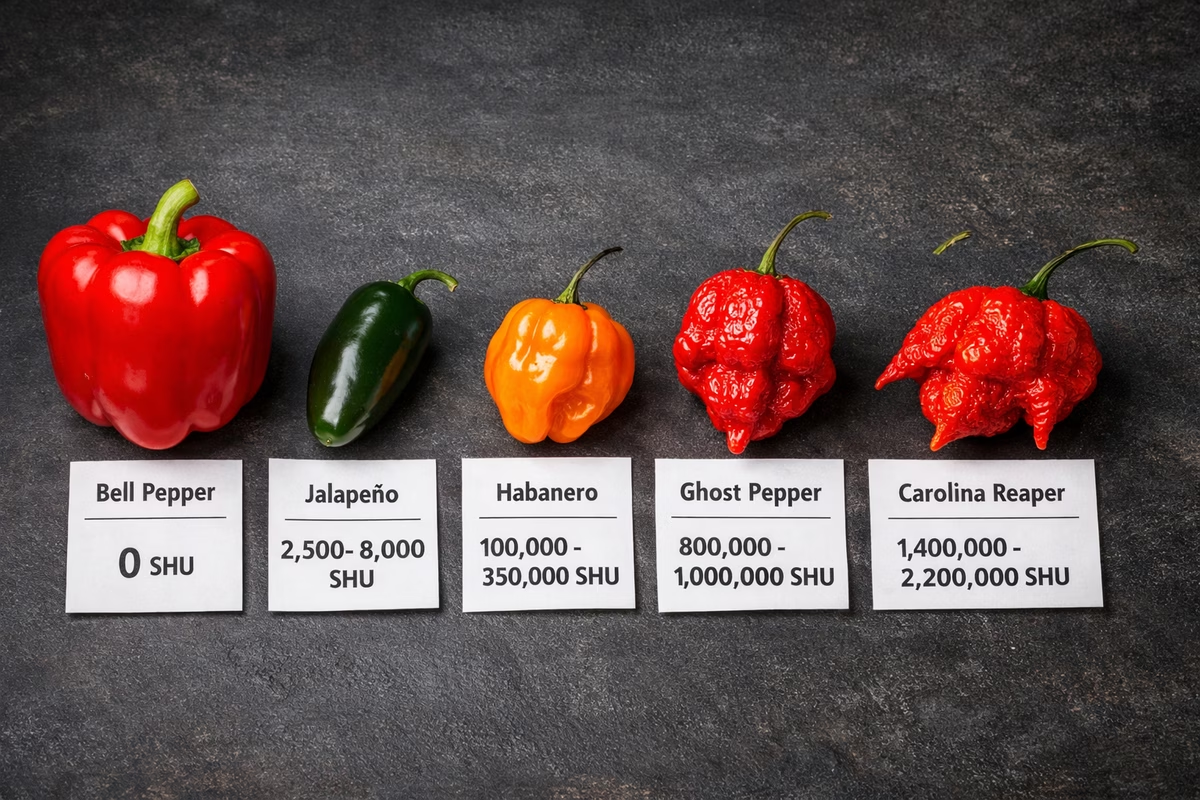
The Scoville Scale measures capsaicin concentration. For buying purposes, here’s the practical range:
| Scoville Range | Heat Level | Examples | What It Feels Like |
|---|---|---|---|
| 0–700 | Mild | Pepperoncini, banana pepper | Warm, barely spicy |
| 700–3,000 | Low-Medium | Jalapeño, Anaheim | Noticeable heat, comfortable for most |
| 3,000–15,000 | Medium | Serrano, Tabasco | Clearly spicy, makes you pay attention |
| 15,000–50,000 | Medium-Hot | Cayenne, chile de árbol | Seriously spicy, some sweating |
| 50,000–350,000 | Hot | Habanero, Scotch bonnet | Hot enough to dominate the dish if overused |
| 350,000–1,000,000 | Very Hot | Ghost pepper, 7 Pot | Extreme; use in drops, not splashes |
| 1,000,000+ | Nuclear | Carolina Reaper, Pepper X | Challenge-level; not for casual use |
How Heat Is Labeled
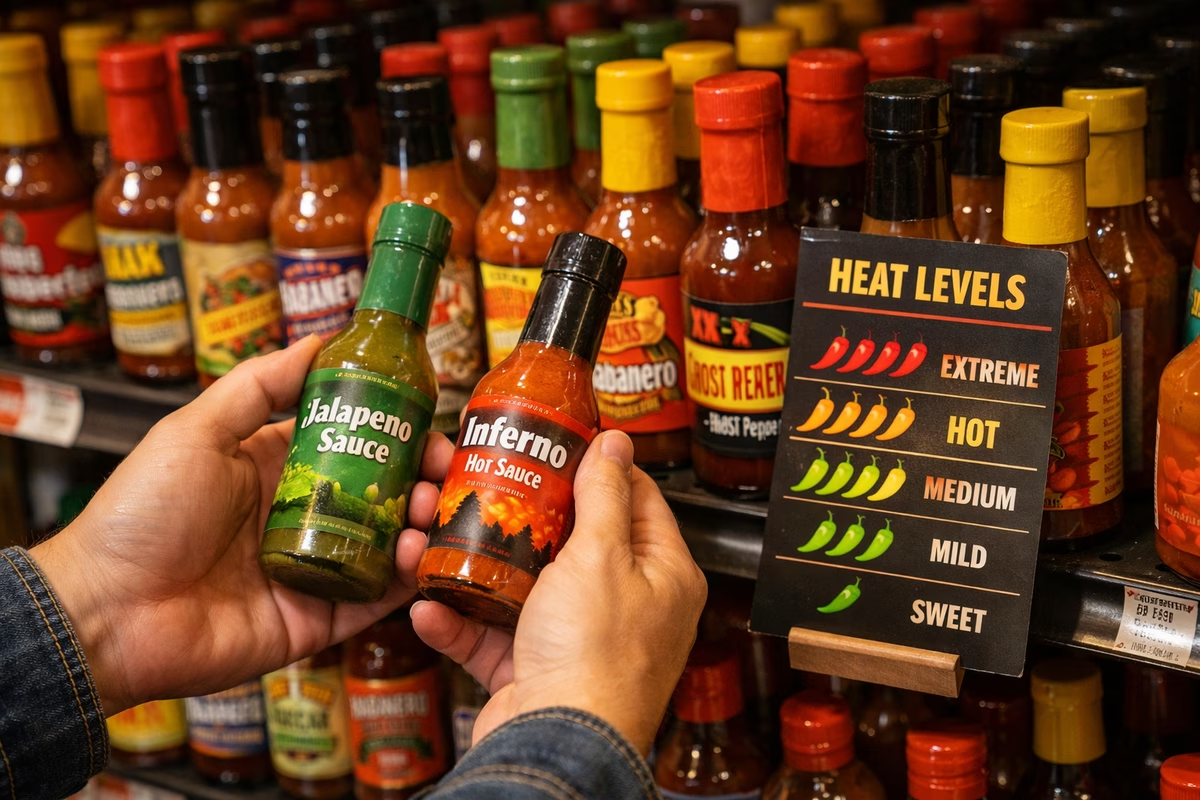
Sauces rarely list exact Scoville ratings, so use the label as a set of clues rather than a promise.
Pepper variety is the best clue: habanero means meaningful heat, ghost pepper means restraint, and jalapeño usually means a more casual bottle unless the label says otherwise. Brand heat scales can help, especially within one maker’s lineup, but they do not translate cleanly across brands. Words like “mild,” “medium,” and “extra hot” are useful only as rough direction.
When in doubt, search the sauce name online. Enthusiast communities usually rate heat more honestly than marketing copy.
Shopping by Use Case
The Everyday Sauce
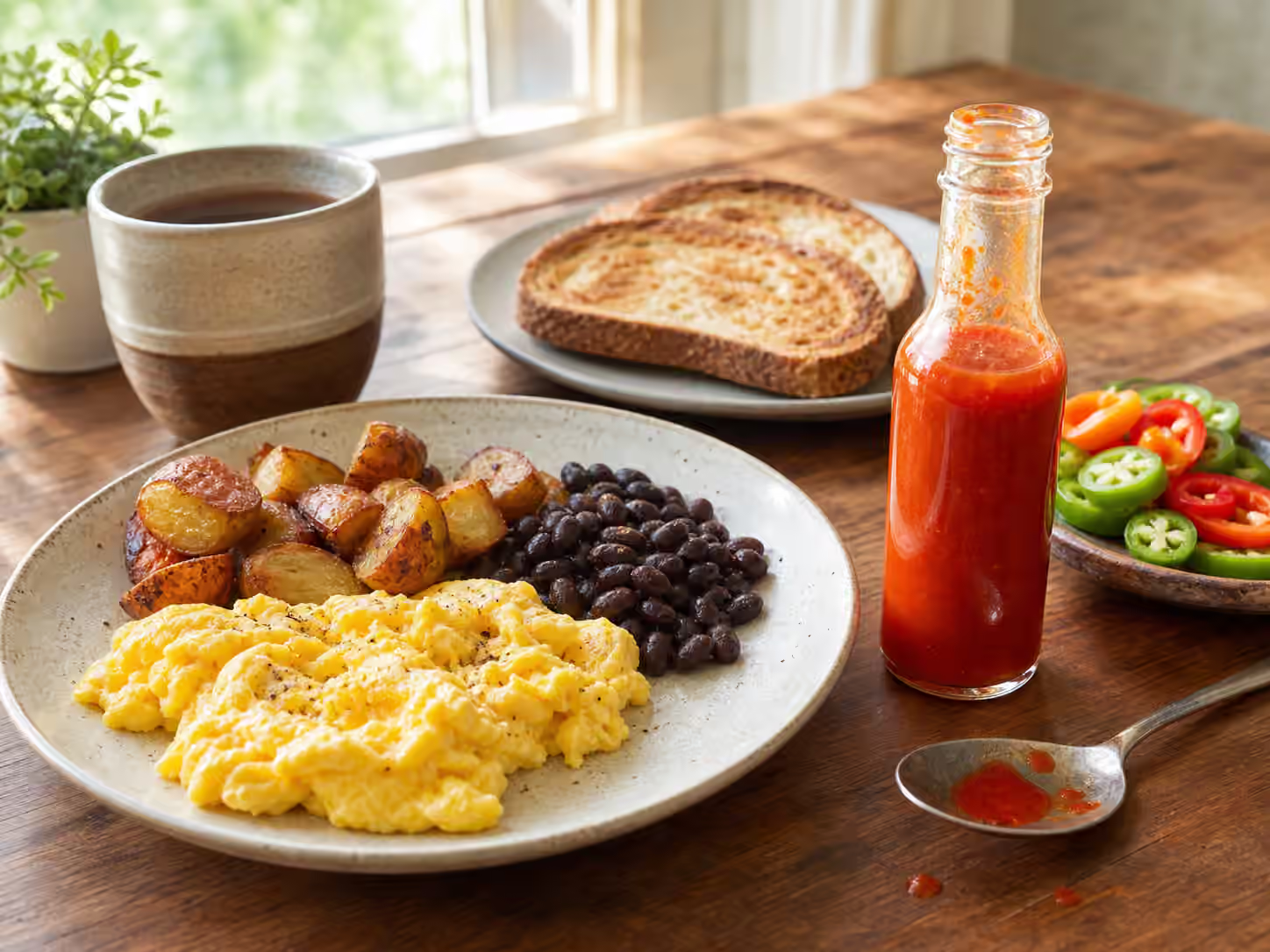
This is the workhorse, the sauce you put on eggs, tacos, pizza, sandwiches, soup, and anything else that needs a lift. It should be hot enough to be interesting, mild enough to use freely, and versatile enough that it does not drag every meal into one cuisine. Availability matters too: if you use it constantly, you should be able to replace it without treating the purchase like a treasure hunt.
Louisiana-style sauces (Tabasco, Crystal, Cholula, Frank’s RedHot) are the classic everyday sauces. Sriracha fills this role for many people. A good craft everyday sauce has slightly more complexity while maintaining versatility.
The Cuisine-Specific Sauce
Match the sauce to the food tradition instead of treating heat as interchangeable. Mexican food often wants Cholula, Valentina, salsa macha, or a good chipotle sauce. Noodles, rice, and stir-fries may want sriracha, sambal oelek, chili garlic paste, or gochujang. Caribbean food makes room for Scotch bonnet and habanero-mango sauces, while harissa, peri-peri, and berbere-based sauces point in different African directions. For Southern food and barbecue, Louisiana-style and vinegar-pepper sauces usually fit better than fruit-forward super-hot bottles.
For pairing specifics, see the Sauce Pairing guide and Hot Sauce for Every Dish .
The Flavor Sauce (Heat Secondary)
Some sauces prioritize flavor complexity over heat. These are the bottles where the pepper variety, fermentation process, fruit addition, or spice blend creates something you’d want to taste even without the burn. Named peppers such as ají amarillo, Scotch bonnet, and guajillo are good signs because they bring recognizable flavor, not just capsaicin. Fermented sauces tend to add depth and tang; fruit-forward sauces add aroma and sweetness; smoked sauces give tacos, grilled food, and beans an easy shortcut to depth.
The Heat-Bomb
For those who want pure intensity. These sauces exist to be hot, and they serve that purpose well, but they’re meant to be used in drops, not splashes. Look for sauces made with super-hot peppers (Carolina Reaper, Ghost Pepper, Scorpion) from reputable makers who balance heat with at least some flavor.
Avoid extract-based sauces if flavor matters to you. The best super-hot sauces achieve their heat from whole peppers alone.
Start with three sauces: one everyday sauce, one that fits the food you cook most, and one that is mostly about flavor. That covers most uses.
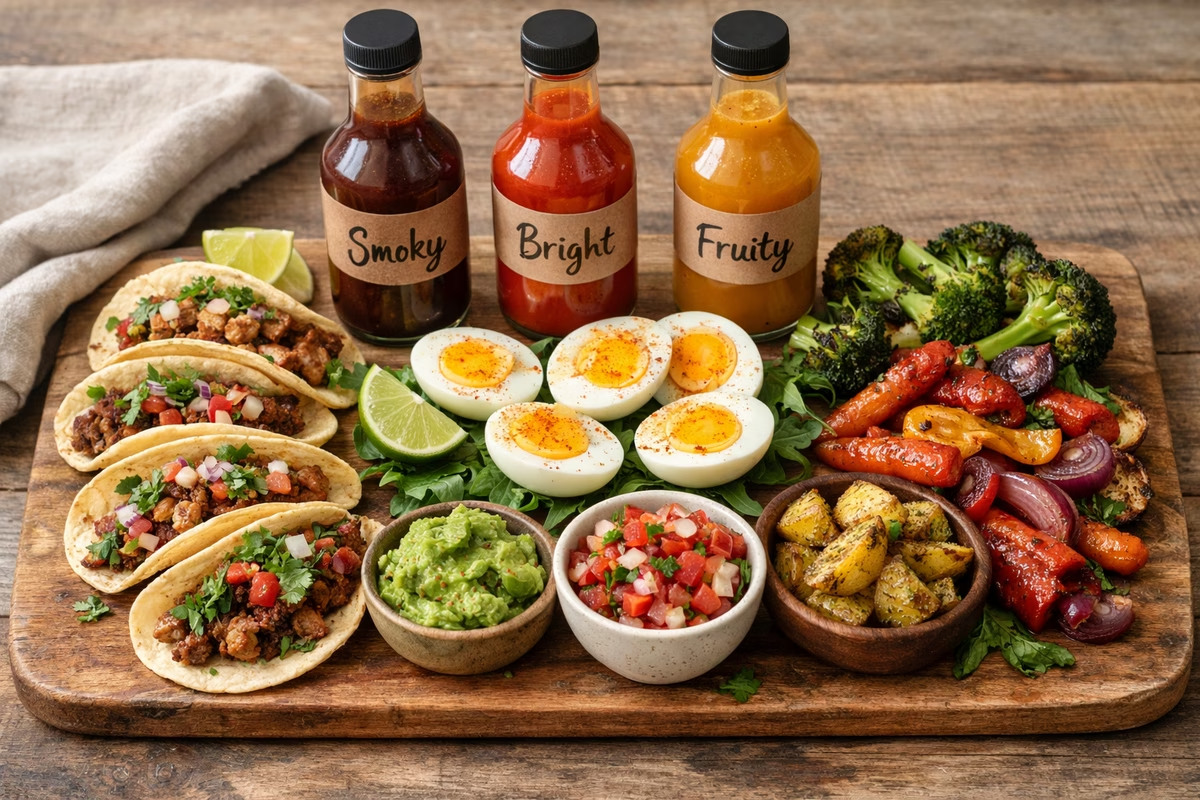
If you want to compare sauces side by side, start with a small tasting set.
Where to Buy
Grocery stores
The hot sauce aisle in most grocery stores covers the basics: Tabasco, Cholula, Sriracha, Frank’s, a few local or regional brands. This is fine for everyday sauces but won’t show you the craft world.
Some stores have a “specialty” or “international” section with a wider selection. Look there for sambal, harissa, gochujang, and regional sauces.
Online
The best selection is online. Specialty retailers, individual makers, and subscription services offer access to sauces you’ll never find in a store. Online also lets you read reviews and heat ratings before buying.
Many small-batch makers sell directly from their websites. Buying direct supports the maker and often gets you the freshest product, especially for seasonal releases or sauces that sell through quickly at retailers.
Farmers markets and hot sauce festivals
Small-batch makers sell direct at farmers markets and hot sauce festivals. The advantage: you can usually taste before you buy. If there’s a hot sauce festival near you, go. Tasting fifty sauces in an afternoon teaches more about your preferences than months of random purchases.
From the source
If you visit a region known for hot sauce (Louisiana, Mexico, the Caribbean, Southeast Asia), buy local sauces that don’t export. The best hot sauce in the world might be in a hand-labeled bottle at a roadside stand.
Common Buying Mistakes
Buying by heat alone
The hottest sauce is rarely the best one. Heat without flavor gets old fast. Look for sauces where heat is balanced with flavor.
Ignoring the ingredient list
The label art means nothing. The ingredient list tells you what you are actually buying. Peppers listed first means a pepper-forward sauce. Sugar listed high means a sweet sauce. Vinegar listed first means a tangy, thin sauce.
Buying large bottles of untested sauce
Buy the smallest size available until you know you like it. A 5-ounce bottle of a sauce you love is better than a 12-ounce bottle of one you tolerate.
Assuming “artisanal” means “better”
Craft hot sauce is often excellent, but not automatically. Some $12 craft sauces are worth it. Some are just pepper, vinegar, and a nice label. Read ingredients, check reviews, and taste when possible.
Building a Hot Sauce Collection
A well-rounded shelf does not need dozens of bottles. Start with an everyday Louisiana-style sauce for eggs, sandwiches, and soup; a sriracha or Asian chili sauce for noodles, rice, and stir-fries; a chipotle or smoky sauce for Mexican food and barbecue; and a habanero or Caribbean sauce when you want fruity heat. Add one wildcard craft sauce for curiosity. Keep a super-hot bottle only if you genuinely use serious heat rather than just liking the idea of owning it.
Replace sauces as they empty with something new in the same slot. Over time, your collection becomes a curated reflection of your palate.
Next Steps
For the science of measuring heat, read The Scoville Scale Explained . For matching sauces to food, continue with the Hot Sauce Pairing Guide . If buying bottles has made you curious about making them, start with Making Your Own Hot Sauce or the more narrative A Fermented Hot Sauce Weekend . For broader context, A Brief History of Hot Sauce gives the long view.