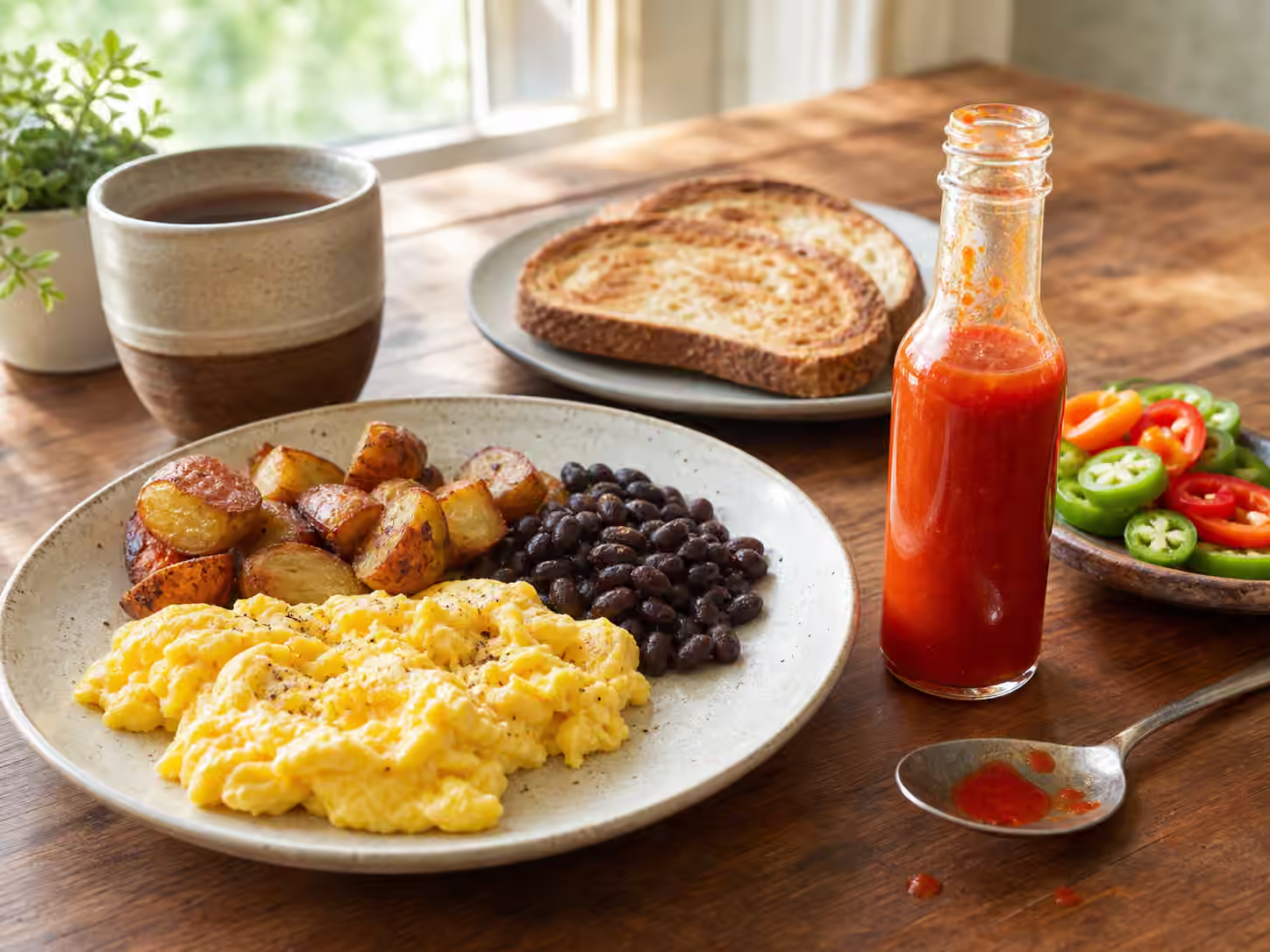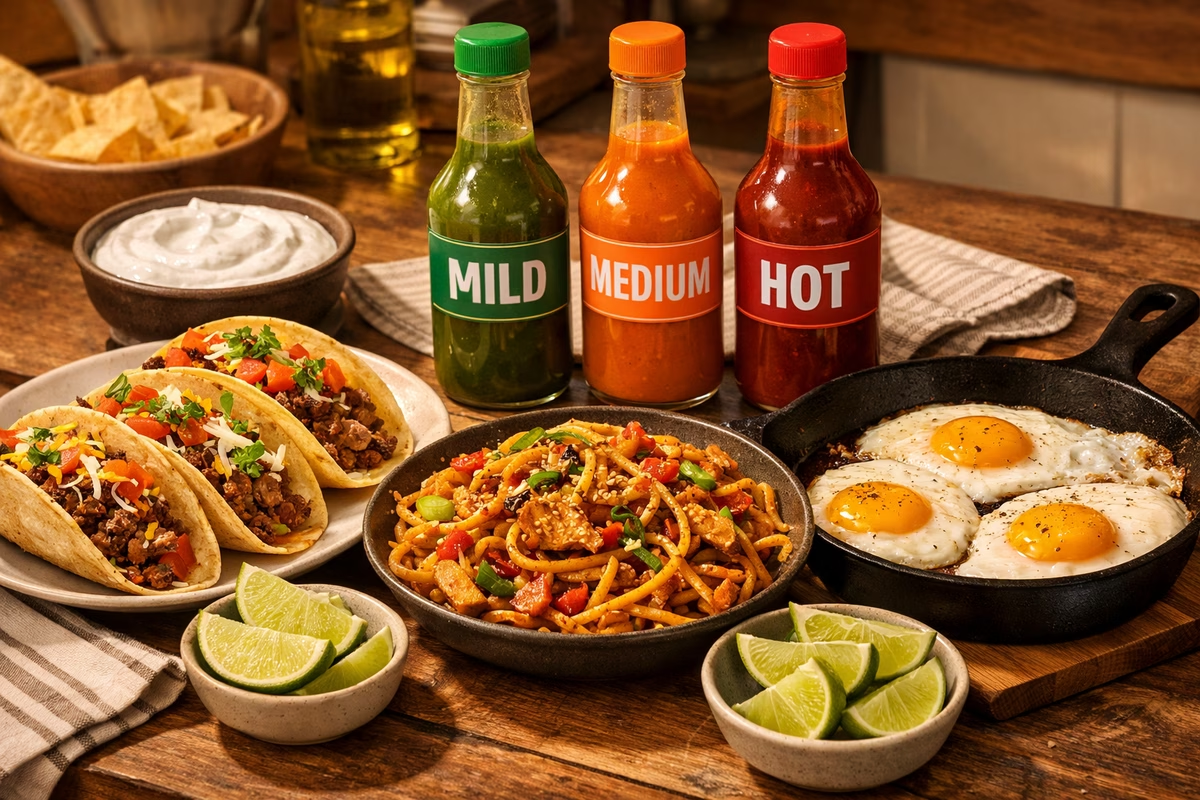
Heat tolerance is not a personality contest. It is a relationship between pepper chemistry, food, repetition, attention, and the small choices that decide whether a sauce tastes exciting or simply loud. The goal is not to prove you can suffer through the hottest bottle on the shelf. The goal is to taste more clearly at higher heat without losing the dish underneath.
Beginners often treat hot sauce like a volume knob. If the food is bland, add more. If the sauce is good, add more. If the burn feels exciting, add more again. That approach can be fun for one bite, but it quickly teaches the palate to notice only alarm. A better approach is to treat heat as structure. It has a beginning, a rise, a peak, and a finish. It can sharpen sweetness, lift fat, wake up starch, or flatten everything if it overwhelms the plate.
Start below your limit
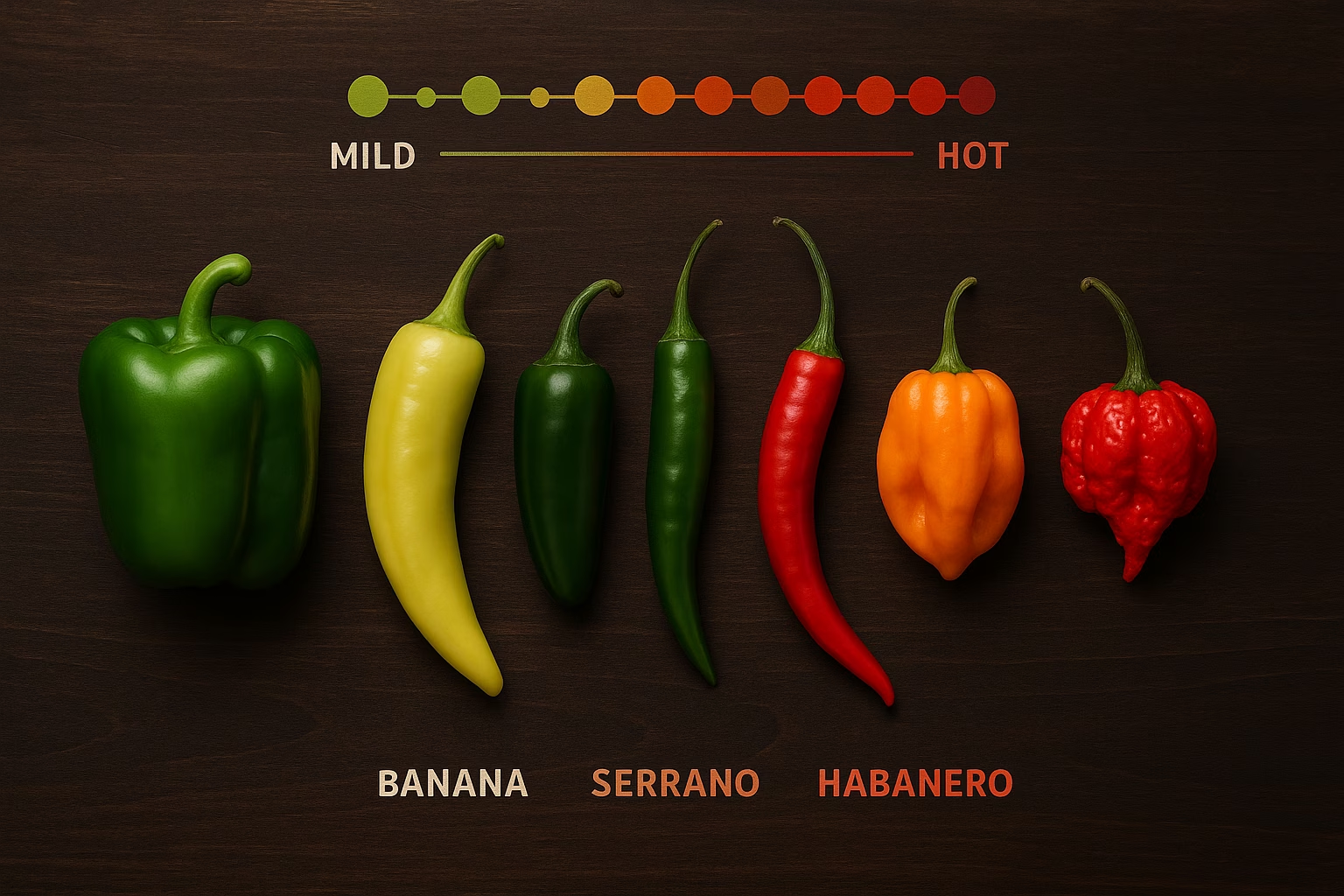
The fastest way to build tolerance is not to start at the edge. It is to spend time just below the edge, where you can still taste the food. A sauce that makes your eyes water immediately is not a teacher. It is a fire drill. A sauce that warms the mouth while leaving room for garlic, fruit, smoke, vinegar, pepper flavor, and salt will teach much more.
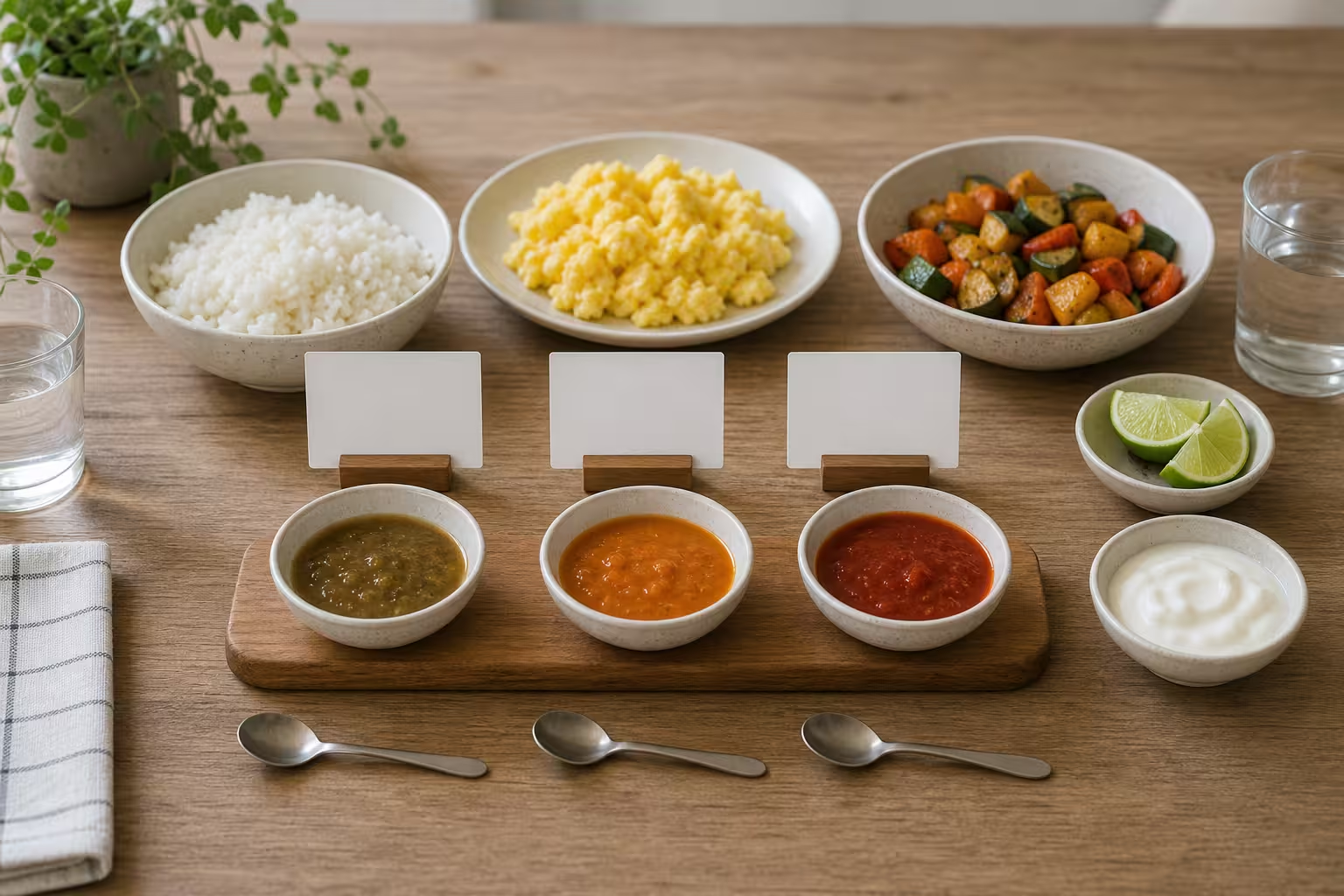
Choose three sauces that form a calm ladder: mild, medium, and hot. They do not need matching brands or pepper varieties. They do need enough separation that each step feels different. Taste them with neutral foods instead of straight from a spoon. Plain rice, eggs, potatoes, beans, roasted vegetables, tortillas, or simple grilled chicken will show how heat behaves with food. Hot sauce is a condiment, not a dare, and food is where its design makes sense.
Start with a small amount of the mild sauce on a bite of food. Notice the first flavor before the burn arrives. Is it vinegary, fruity, garlicky, grassy, smoky, fermented, sweet, salty, or earthy? Then notice where the heat lands. Some peppers hit the front of the tongue quickly. Some spread across the mouth. Some build slowly in the throat. Some burn fast and vanish. This map matters because different burns fit different dishes.
Balance heat with the plate
Heat rarely stands alone. Acid, fat, sweetness, salt, and starch decide whether it feels bright or punishing. Vinegar-based sauces cut through fried food and rich eggs because acid and heat point in the same upward direction. Fruity sauces can make grilled meat or roasted vegetables feel fuller because sweetness rounds the burn. Fermented sauces bring depth and tang that can make simple rice or beans taste complete. Thick chile pastes cling differently than thin splashes, so the same pepper level can feel stronger just because more sauce stays on the bite.
Fat changes heat by carrying flavor and softening the edges. Yogurt, sour cream, avocado, cheese, eggs, and oil can all make chile feel rounder. That does not mean fat erases heat. It gives the burn somewhere to sit. Starch gives it a buffer. Rice, bread, tortillas, potatoes, and noodles slow the experience and make repeated tasting easier. Acid can either sharpen or balance depending on the dish. A squeeze of lime can make a dull hot sauce wake up, but too much acid can make a sharp sauce feel aggressive.
Salt is the hidden lever. Some hot sauces are already salty enough to season the food. Others bring heat and acid but leave the dish tasting under-seasoned. If a sauce tastes thin even though it burns, the food may need salt rather than more sauce. This is why tasting on plain rice can be revealing. Rice exposes whether the sauce actually seasons or merely burns.
Build tolerance through repetition, not escalation
Tolerance grows when the body learns that the sensation is manageable. That usually means repeated moderate exposure, not occasional extremes. Add a small amount of medium heat to ordinary meals for a week. Let the burn stay noticeable but not distracting. If the sauce becomes comfortable, increase slightly or move to a hotter style. If meals stop tasting like themselves, step back.
There is no prize for making dinner unpleasant. A person who enjoys medium heat every day understands hot sauce better than a person who destroys one meal a month with an extract sauce. Extract-heavy sauces can be useful in tiny amounts for certain cooks, but they often taste narrow because the heat is separated from pepper flavor. For learning, whole-pepper sauces are better teachers. They let you understand habanero fruitiness, jalapeno green snap, chipotle smoke, cayenne brightness, serrano sharpness, scotch bonnet perfume, or ghost pepper’s slow bloom.
Pay attention to fatigue. After several hot bites, the palate can stop reading detail. Everything becomes heat plus memory. That is a good time to pause, eat something plain, or end the tasting. Water may refresh the mouth, but it does not dissolve capsaicin the way fat can. Dairy helps some people because it brings fat and protein, but the larger point is pacing. If you taste slowly, you will learn more and recover faster.
Separate pain from flavor
A sauce can be hot and beautifully made. A sauce can also be hot and badly balanced. Beginners sometimes excuse harsh sauce because it is powerful. Do not. If the sauce tastes metallic, muddy, flat, chemical, stale, or painfully acidic before the pepper flavor appears, more tolerance will not make it better. Good heat should carry an idea. It may be tropical and sharp, smoky and deep, fermented and savory, clean and vinegary, or earthy and slow. Even when the burn is intense, there should be something to taste.
Try each sauce on at least two foods before judging it. A bright vinegar sauce that seems too sharp on rice may be perfect on fried eggs. A sweet mango habanero sauce may seem obvious on chicken but cloying on roasted carrots. A smoky sauce may rescue beans and overwhelm fish. A garlic-heavy fermented sauce may be brilliant with noodles and too loud on a delicate omelet. Context is not an excuse for imbalance, but it can reveal the intended use.
Know when not to add sauce
The most mature hot sauce move is sometimes restraint. If a dish already has delicate herbs, careful broth, subtle seafood, or expensive cheese, heat may erase the reason you are eating it. If the dish is already acidic, a vinegar-heavy sauce can push it out of balance. If the dish is already salty, a salty sauce can make the final bite tiring. Hot sauce should make food more itself, not turn every plate into the same plate.
This is also how tolerance stays useful. When you can handle more heat, you gain range. You do not gain an obligation. Some meals want a small green sauce. Some want a smoky red sauce. Some want a fermented chile paste folded into cooking instead of splashed on top. Some want nothing.
Building heat tolerance is really building judgment. Start below your limit. Taste with food. Notice where the heat lands. Use fat, starch, acid, sweetness, and salt on purpose. Repeat moderate heat until it becomes familiar. Then climb slowly, keeping flavor in front. The best hot sauce habit is not bravery. It is attention.