Harissa-Style Hot Sauce
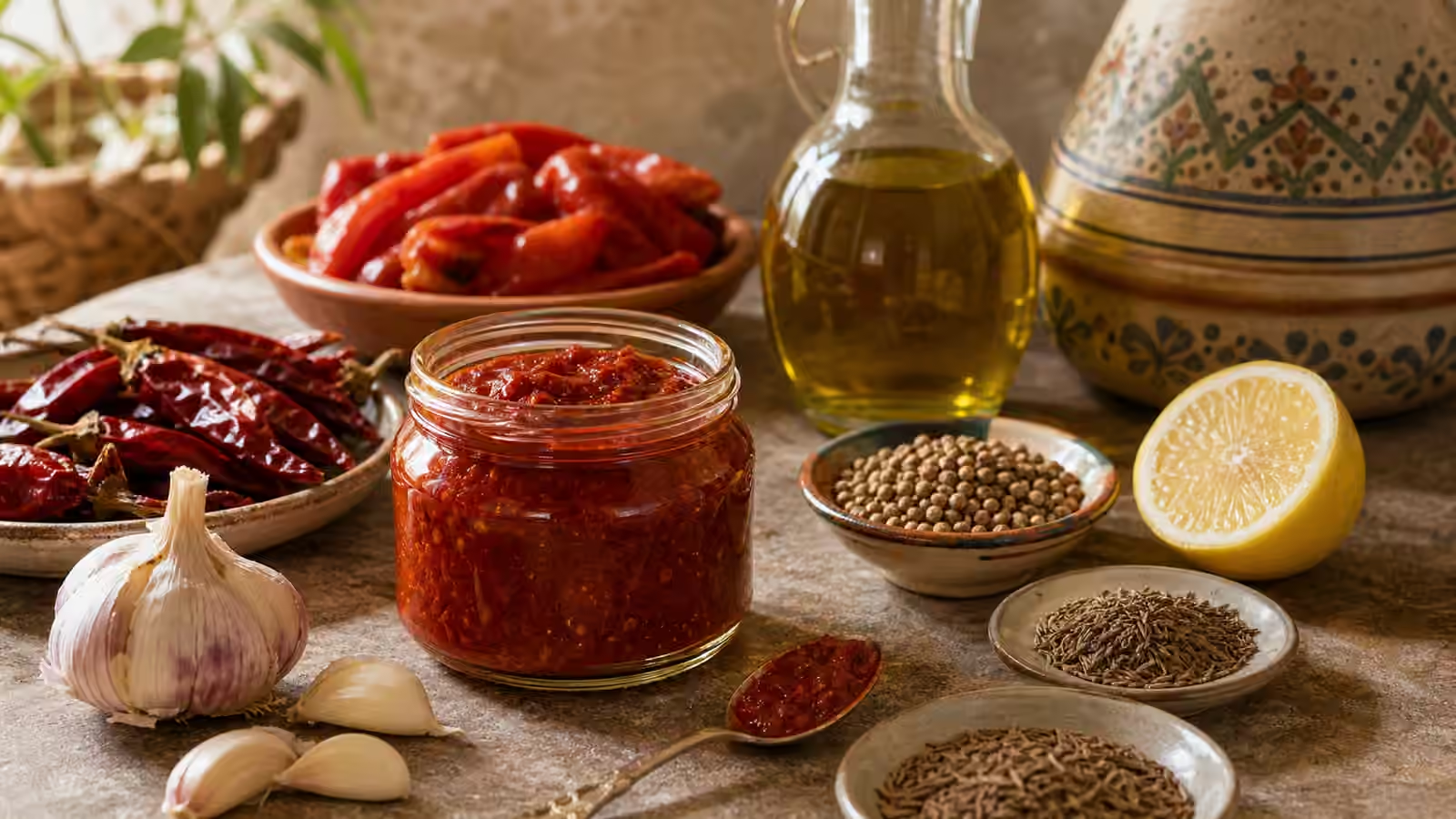
Harissa-style hot sauce is for the moment when heat wants depth, warmth, and a little earth instead of pure brightness. It lives near the line between sauce and paste. Dried chiles give it bass notes. Roasted red pepper can add body. Garlic makes it savory. Cumin, coriander, and caraway can point it toward North African cooking without turning the bottle into a dry spice mix. The challenge is keeping the pepper in charge.
Harissa is not one single formula, and a home hot sauce version should be honest about that. Some versions are thick and spoonable. Some are loosened with vinegar, lemon, or oil. Some taste mostly of dried chile and garlic, while others lean heavily on warm spice. This guide focuses on a hot sauce approach: a bottle or jar that tastes like harissa’s flavor family while staying balanced enough to use across eggs, beans, roasted vegetables, grilled meat, soups, and sandwiches.
Dried Chiles Set The Center
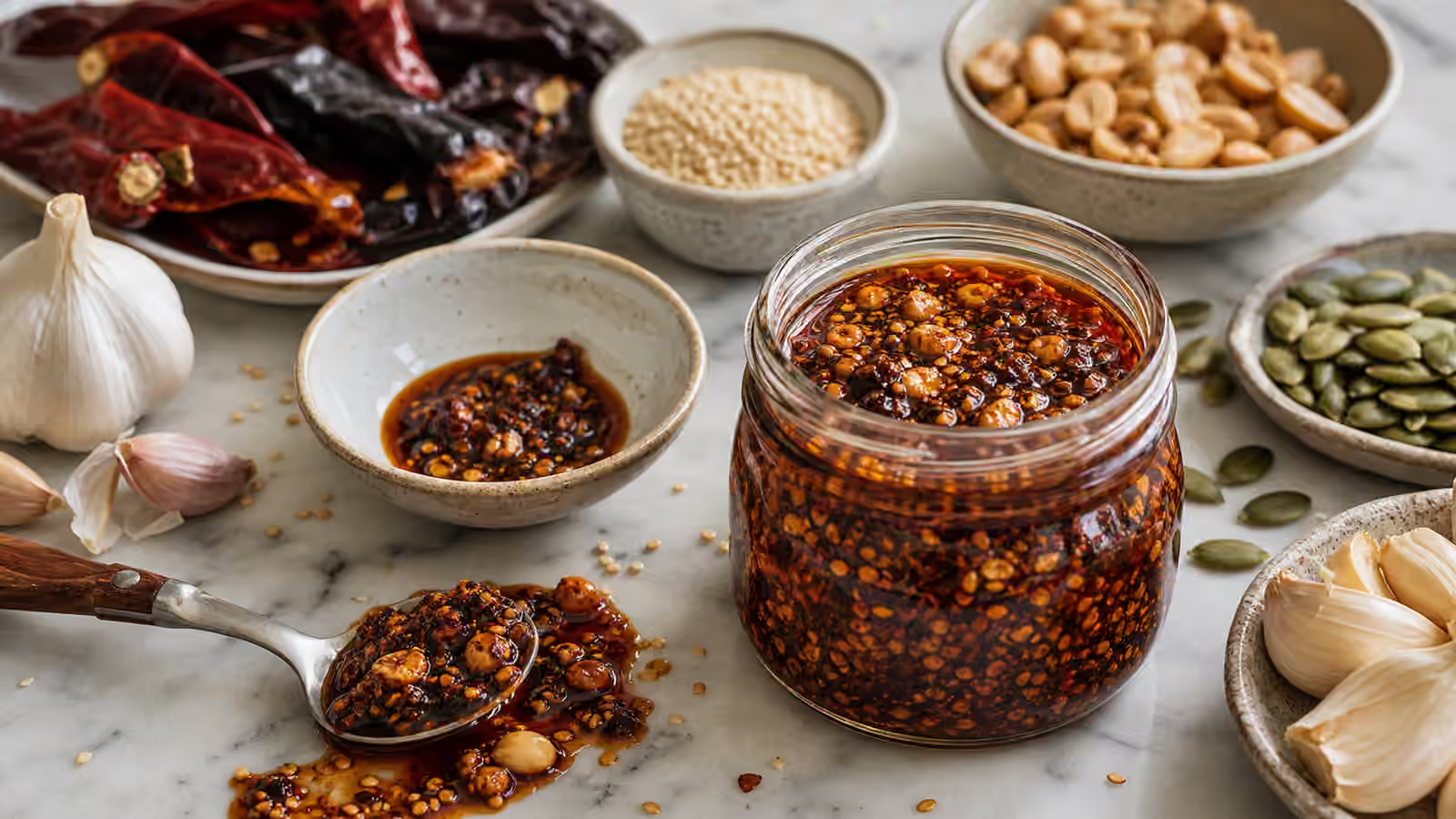
The dried chile base matters more than the spice blend. Ancho brings raisin, tobacco, and mild warmth. Guajillo gives red fruit and a cleaner dried chile note. New Mexico chiles can taste round and direct. Arbol adds sharp heat without much body. Chipotle or morita brings smoke, which can be beautiful in small amounts and heavy when it dominates. A useful harissa-style sauce often blends a flavorful mild or medium dried chile with a smaller amount of a hotter chile.
Before blending, treat dried chiles with care. Remove stems. Shake out loose seeds if they seem dusty or excessive. Toast gently only until the aroma wakes up. Burned dried chile becomes bitter fast, and bitterness survives vinegar, garlic, and sugar. Rehydrate the chiles until they soften fully, then taste the soaking liquid before using it. If it tastes clean and chile-rich, it can help thin the sauce. If it tastes bitter or stale, use fresh water, vinegar, lemon, or roasted pepper juice instead.
Dried Chiles in Hot Sauce covers that preparation in more depth. Harissa-style sauce rewards those habits because the dried chile is not a background accent. It is the main structure.
Roasted Pepper Adds Body Without Taking Over
Roasted red pepper can make harissa-style sauce smoother and easier to use. It widens the body, softens the dried chile edge, and helps the sauce cling to food. The risk is bland sweetness. If roasted pepper becomes most of the batch, the sauce may taste like red pepper puree with spice rather than chile sauce. The dried chiles should still be visible in the aroma and finish.
Use roasted pepper as a bridge. It can connect the dried chile to garlic, vinegar, and oil. It can also make the texture more forgiving in a squeeze bottle. If the sauce is intended as a paste, less roasted pepper keeps it concentrated. If it is intended as a table sauce, more roasted pepper can make the pour easier and less aggressive. Hot Sauce Texture and Body is a useful companion because this style can move from thick paste to splashable sauce depending on one or two blending choices.
Roasting should taste sweet, not black. A little char can make the sauce savory. Too much char plus dried chile tannin can make the finish harsh. Peel the most bitter blackened patches if they smell acrid, but do not strip every roasted signal away. The point is warmth, not smoke for its own sake.
Spices Should Point, Not Bury
Cumin, coriander, and caraway are common anchors in harissa-style flavor, but they are powerful in a small bottle. Toasted lightly and ground fresh, they can make the sauce smell round and warm. Added heavily, they can turn the pepper into a delivery system for dry spice. If the batch tastes dusty, the fix is rarely more vinegar alone. It may need more pepper flesh, more oil or roasted pepper for body, or a smaller spice load next time.
Caraway is especially decisive. A little gives the sauce a recognizable edge. Too much can make every spoonful taste the same. Cumin adds earth, coriander adds citrus-like warmth, and garlic ties the spices back to food. Paprika can deepen color, but if the dried chile base already tastes rich, paprika may be redundant. Smoked paprika should be used only when smoke is the point, because dried chiles and roasted peppers may already carry enough darkness.
Aromatics and Spices in Hot Sauce is the broader rulebook here. The spice should clarify what the chile is doing. It should not decorate the sauce until the original flavor disappears.
Acid And Oil Need Boundaries
Harissa-style sauces often include lemon, vinegar, and olive oil, but each changes the bottle differently. Lemon gives aroma and brightness. Vinegar gives a steadier acid line. Oil gives richness and helps carry spice, but it also changes storage expectations and texture. A sauce with a noticeable oil component should be treated conservatively at home and kept refrigerated unless it is part of a tested process. Oil is a culinary tool, not a shortcut to preservation.
If the sauce tastes heavy, add acid before adding more salt. If it tastes sharp and thin, add body before adding sweetness. If it tastes dull, check salt before adding more cumin. The dried chiles need enough salt to separate their fruit, smoke, and earth. Under-salted harissa-style sauce can taste muddy even when the ingredient list is strong.
The acid should match the intended use. A lemon-forward version is excellent with grilled chicken, fish, vegetables, yogurt, and chickpeas. A vinegar-forward version is better as a general hot sauce because it feels cleaner on eggs, sandwiches, and beans. A thicker oil-enriched paste behaves almost like a seasoning base for soups, stews, marinades, and roasted vegetables.
Decide Between Paste And Pour
The most important finishing decision is whether the sauce should be spooned or poured. A paste can stay concentrated, textured, and spice-rich. It belongs in a jar and can be stirred into oil, yogurt, soup, beans, grains, or pan juices. A pourable sauce needs more liquid, finer blending, and a cleaner acid line. It belongs in a bottle or squeeze container and should move without leaving most of the chile solids behind.
Do not force a paste through a narrow bottle just because hot sauce usually comes that way. A thick harissa-style sauce in the wrong container feels broken. The same sauce in a jar feels generous and intentional. Bottling Hot Sauce for the Table helps make that serving choice part of the recipe instead of an afterthought.
Resting helps too. Dried chile particles hydrate. Spices spread. Garlic relaxes. Acid becomes easier to judge. A sauce that tastes slightly separate right after blending may become coherent after a night. A sauce that tastes perfectly spiced immediately may become too spice-heavy later. Save a little acid and salt for the final adjustment after the sauce settles.
Keep The Pepper Legible
Harissa-style hot sauce should taste deep, but depth is not the same as clutter. The dried chiles should still be recognizable after the spices arrive. The garlic should make the sauce savory without becoming raw and sharp. The lemon or vinegar should lift the finish without turning the body sour. Oil, if used, should carry flavor rather than make the sauce greasy.
The best version has a clear role. It can wake up beans, sit beside grilled meat, turn roasted vegetables into dinner, or add warmth to yogurt and eggs. It should feel concentrated, but not closed. When the pepper, spice, acid, and body all point in the same direction, harissa-style hot sauce becomes one of the most useful dark red bottles on the shelf.