Hot Sauce & Pepper Glossary
Your complete reference for hot sauce and chile pepper terminology. From cultivation to consumption, master the language of heat.
A
Acetic Acid: Acid produced during fermentation, gives vinegar-based sauces their tang.
Aftertaste: Lingering heat and flavor after swallowing hot sauce.
Ají: South American term for chile pepper.
Anaheim: Mild green chile (500-2,500 SHU), California favorite.
Ancho: Dried poblano pepper, sweet and mild (1,000-2,000 SHU).
Annuum: Species including jalapeños, bell peppers, cayenne (Capsicum annuum).
Aroma: Scent of hot sauce or fresh peppers.
Árbol: Bright red, nutty Mexican chile (15,000-30,000 SHU).
B
Baccatum: Pepper species including ají amarillo (Capsicum baccatum).
Base: Primary ingredients of hot sauce (peppers, vinegar, etc.).
Bird’s Eye: Small, extremely hot Thai chile (50,000-100,000 SHU).
Brine: Salt-water solution used in fermenting peppers.
Buffalo Sauce: Cayenne-based hot sauce mixed with butter, popularized by Buffalo wings.
Burn: Sensation of heat from capsaicin.
C
Calabrian Chili: Italian pepper, fruity and moderately hot (25,000-40,000 SHU).
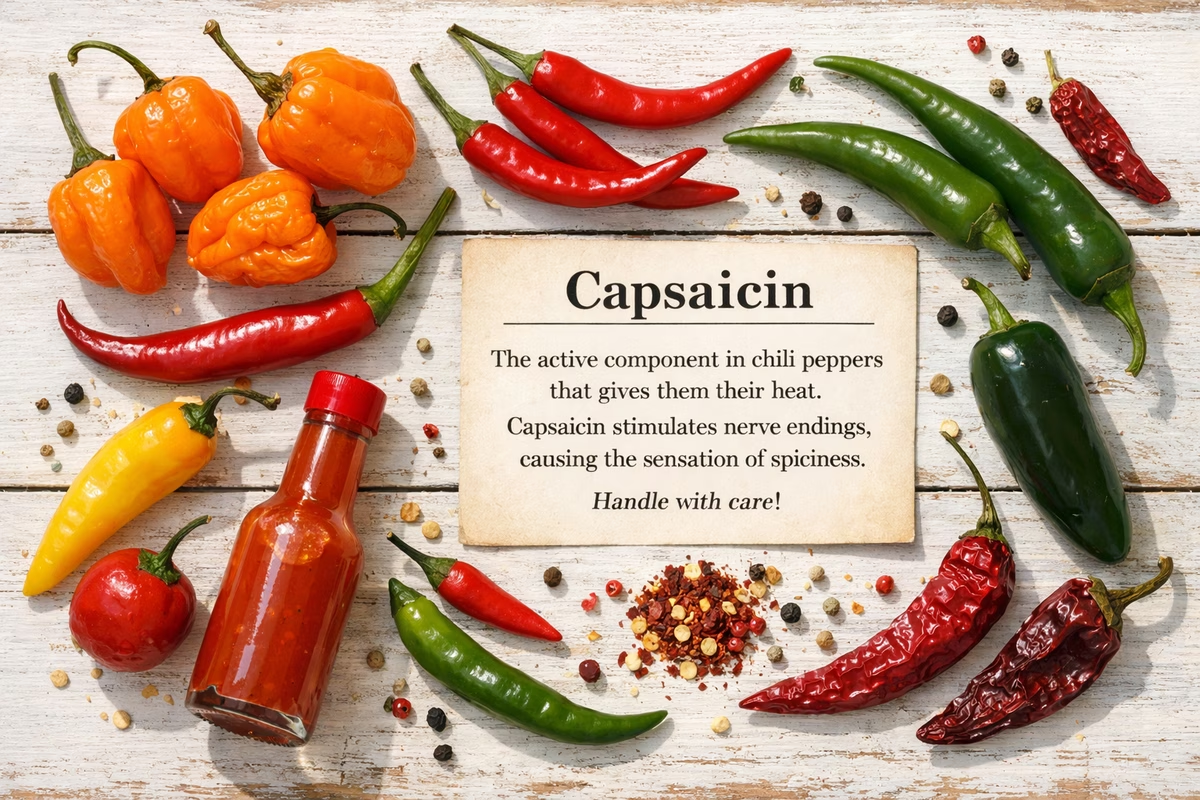
Capsaicin: Chemical compound creating heat sensation in peppers (pronounced cap-SAY-ih-sin).
Capsaicinoid: Family of compounds including capsaicin creating heat.
Capsicum: Genus of pepper plants.
Carolina Reaper: World’s hottest pepper 2013-2023 (1,400,000-2,200,000 SHU).
Cayenne: Long red pepper, common in hot sauce (30,000-50,000 SHU).
Chinense: Species including habanero, Scotch bonnet, ghost pepper (Capsicum chinense).
Chipotle: Smoked jalapeño, earthy and smoky (2,500-8,000 SHU).
Cilantro: Herb commonly used in fresh green sauces.
Conching: Rare in hot sauce; stirring/grinding to develop flavor (more common in chocolate).
Criollo: Term for local/native pepper varieties in Latin America.
D
Datil: Florida pepper, sweet and hot like habanero (100,000-300,000 SHU).
Dehydrator: Appliance for drying peppers.
Destemming: Removing pepper stems before processing.
Dried Chile: Pepper dried for storage and different flavor.
Drizzle: Light application of hot sauce.
Dulce: Sweet (often describes mild peppers).
E
Endorphin Rush: Natural high from body releasing endorphins in response to capsaicin.
Extract: Concentrated capsaicin added to ultra-hot sauces (often listed in SHU millions).
Extra Hot: Informal term for very spicy sauces (100,000+ SHU).
F
Fermentation: Process using beneficial bacteria to preserve peppers and develop complex flavors.
Filler: Ingredients like carrots or tomatoes used to bulk sauce and balance heat.
Finishing Sauce: Hot sauce added after cooking, tableside.
Fire-Roasted: Peppers charred over flame for smoky flavor.
Flakes: Crushed dried peppers.
Fresno: Red jalapeño-like pepper, slightly hotter (2,500-10,000 SHU).
Frutescens: Pepper species including tabasco (Capsicum frutescens).
G
Ghost Pepper (Bhut Jolokia): Extremely hot Indian pepper (800,000-1,000,000+ SHU).
Green Sauce: Hot sauce made from green (unripe) peppers or tomatillos.
Guajillo: Mild dried Mexican chile, fruity (2,500-5,000 SHU).
Güero: Yellow pepper (generic term for various yellow chiles).
H
Habanero: Very hot, fruity orange pepper (100,000-350,000 SHU).
Heat Level: Measurement of spiciness, typically in Scoville units.
Heirloom: Open-pollinated pepper variety passed down through generations.
Hot Fill: Bottling hot sauce at high temperature for shelf stability.
Hot Pepper: Any chile pepper with significant capsaicin content.
Hybrid: Pepper created by cross-breeding two varieties.
I
Immersion Blender: Hand-held blender useful for hot sauce making.
Infused Oil: Oil with peppers steeped for heat and flavor.
J
Jalapeño: Most popular medium-hot pepper (2,500-8,000 SHU).
Jamaican: Often refers to Scotch bonnet pepper from Jamaica.
K
Kahm Yeast: Harmless white film sometimes forming on ferments (skim off).
Korean Chili Flakes (Gochugaru): Coarse red pepper flakes used in Korean cuisine.
L
Lacto-Fermentation: Fermentation using lactobacillus bacteria, creates lactic acid.
Lactobacillus: Beneficial bacteria used in fermenting peppers.
Lactic Acid: Preservative acid produced during fermentation, gives tangy flavor.
Louisiana-Style: Thin, vinegar-forward hot sauce (Tabasco, Crystal, Frank’s).
Lubrication Theory: Using sauces to enhance food moisture and flavor delivery.
M
Mash: Ground pepper mixture, especially fermented.
Membrane (Pith): White tissue inside pepper holding seeds, contains high capsaicin.
Mild: Heat level typically under 2,500 SHU.
Morita: Smoked red jalapeño, similar to chipotle but fruitier.
Mouth Burn: Immediate heat sensation when hot sauce hits palate.
Mulato: Mild dried poblano, chocolate-like flavor (2,500-3,000 SHU).
N
‘Nduja: Spreadable Italian salami with Calabrian chilies.
New Mexico: State pepper variety, mild to medium (0-5,000 SHU depending on type).
Nitrile Gloves: Protective gloves for handling hot peppers (better than latex).
O
Oleoresin: Capsaicin extract used in industrial hot sauces and pepper spray.
Orange Habanero: Classic habanero color and variety.
Oxidation: Exposure to air causing flavor changes (usually undesirable in hot sauce).
P
Pasilla: Dried chilaca pepper, mild and raisin-like (1,000-2,500 SHU).
Passata: Tomato purée sometimes used in hot sauce bases.
Pepper Mill: Grinder for dried pepper flakes or peppercorns.
Pequin/Piquin: Tiny, very hot Mexican pepper (30,000-60,000 SHU).
pH: Acidity measure; hot sauce should be below 4.6 for safety.
pH Meter: Device measuring acidity for safe sauce preservation.
pH Strips: Paper strips indicating acidity level.
Pimiento/Pimento: Sweet red pepper, no heat (0 SHU).
Pith: See Membrane.
Placenta: Botanical term for membrane inside pepper.
Poblano: Large, mild green chile (1,000-2,000 SHU).
Powder: Ground dried peppers.
Pubescens: Pepper species including rocoto (Capsicum pubescens).
Q
Queso: Cheese (often paired with mild hot sauces).
R
Red Savina: Habanero cultivar, once world’s hottest (200,000-500,000 SHU).
Reducer Cap: Bottle cap controlling sauce flow.
Rehydrate: Soaking dried peppers in warm water to reconstitute.
Rind: Pepper skin.
Ristra: String of dried peppers, traditional decoration and storage.
Roasting: Charring peppers to add smoky flavor and ease skin removal.
Rocoto: South American pepper resembling bell pepper, very hot (30,000-100,000 SHU).
S
Salsa: Spanish for sauce; typically chunky, fresh sauce with tomatoes/tomatillos.
Salsa Macha: Mexican oil-based salsa with dried chiles and nuts.
Salsa Verde: Green sauce from tomatillos and green chiles.
Sambal: Indonesian chili paste or sauce.
Sauce Consistency: Thickness or viscosity of hot sauce.
Scoville Heat Units (SHU): Standard measure of pepper heat.
Scoville Scale: System for rating pepper heat from 0 (bell pepper) to 2,000,000+ (superhots).
Scotch Bonnet: Caribbean pepper similar to habanero (100,000-350,000 SHU).
Seed: Pepper seed (contains less capsaicin than membrane, contrary to popular belief).
Serrano: Medium-hot green pepper, brighter than jalapeño (10,000-25,000 SHU).
Shelf-Stable: Hot sauce that doesn’t require refrigeration when sealed.
Shishito: Mostly mild Japanese pepper, occasional hot one (50-200 SHU, rarely 1,000+).
Smoke: Flavor from smoking or roasting peppers.
Sriracha: Thai-style garlic chili sauce, moderately hot and sweet.
Superhot: Peppers over 1,000,000 SHU.
T
Tabasco: 1) Pepper variety (30,000-50,000 SHU); 2) Famous Louisiana hot sauce brand.
Taco Sauce: Mild, tomato-based sauce for tacos.
Thai Chili: General term for small, hot Thai peppers (50,000-100,000 SHU).
Tincture: Capsaicin dissolved in alcohol, extremely concentrated.
Tomatillo: Green tomato-like fruit used in salsa verde.
Trinidad Scorpion: Extremely hot pepper with scorpion-tail shape (1,200,000-2,000,000 SHU).
Tuong Ot: Vietnamese chili sauce (sambal-like).
U
Ultrasonic Cleaner: Device using sound waves to clean equipment (rare in home sauce-making).
Umami: Savory flavor, fifth taste; can be present in fermented sauces.
V
Varietal: Specific type or cultivar of pepper.
Vinegar-Based: Hot sauce using vinegar as primary liquid (Louisiana-style).
Volatile Compounds: Aromatic molecules creating pepper fragrance.
W
Wax Pepper: Hungarian yellow pepper, medium heat (5,000-10,000 SHU).
Wiri Wiri: Small Guyanese pepper, berry-like (100,000-350,000 SHU).
Woozy Bottle: Classic 5oz hot sauce bottle shape.
X
Xanthan Gum: Thickener used to prevent sauce separation.
Xinjiang: Chinese pepper-growing region.
Y
Yellow Wax: See Wax Pepper.
Yuzu Kosho: Japanese condiment with yuzu citrus and chili.
Z
Zest: Citrus peel, sometimes added to hot sauce for brightness.
Quick Reference: Heat Levels
| Scoville Heat Units | Heat Level | Example Peppers |
|---|---|---|
| 0-100 | No Heat | Bell Pepper |
| 100-1,000 | Mild | Pimiento, Pepperoncini |
| 1,000-10,000 | Medium | Poblano, Jalapeño |
| 10,000-50,000 | Hot | Serrano, Cayenne |
| 50,000-100,000 | Very Hot | Thai Chili, Tabasco |
| 100,000-350,000 | Extremely Hot | Habanero, Scotch Bonnet |
| 350,000-1,000,000 | Superhot | Ghost Pepper, Red Savina |
| 1,000,000+ | Ultra Superhot | Carolina Reaper, Trinidad Scorpion |
Common Hot Sauce Styles
- Louisiana: Thin, vinegar-forward (Tabasco, Crystal)
- Buffalo: Cayenne + butter (Frank’s RedHot style)
- Sriracha: Thick, garlicky, sweet-hot (Huy Fong)
- Salsa Verde: Tomatillo-based, green, fresh
- Habanero: Fruit-forward, very hot
- Chipotle: Smoky, thick, moderate heat
- Caribbean: Fruity, mustard-based, scotch bonnet
- Asian Chili Paste: Thick, garlicky (sambal, gochujang)
Master this vocabulary and you’ll navigate hot sauce discussions, understand pepper varieties, and make informed choices about heat levels. Keep this glossary handy for your spicy adventures!