The first pepper I ever grew took four months to ripen and nine seconds to eat.
I’d planted it in March—a jalapeño seedling started indoors on a windowsill in a yogurt cup filled with potting soil. By April it was three inches tall and looked like it might die. By June it had survived a transplant into a raised bed and was covered in small white flowers that fell off every time the wind blew. By July it had produced a single green pepper that refused to turn red.
By August, it turned. Deep red, glossy, hanging from the plant like a tiny lantern.
I picked it, sliced it in half on the kitchen counter, and took a bite.
The heat arrived three seconds after the flavor—a bright, green, almost grassy sweetness that I’d never tasted in a store-bought jalapeño. Then the capsaicin hit: a clean, building burn that started at the tip of my tongue and spread to my lips, my cheeks, the back of my throat. My eyes watered. My nose ran.
I stood at the counter, grinning, on fire.
That pepper was objectively unremarkable—a single jalapeño from a single plant. But it was the first food I’d grown from seed. The heat felt earned.
This is the story of that growing season, and everything I learned about peppers along the way.
Starting seeds: the windowsill nursery
Hot peppers are slow starters. While tomatoes and basil can go from seed to transplant in 4–6 weeks, most hot peppers need 8–12 weeks indoors before they’re ready for the garden. Some superhots (like the Carolina Reaper or Bhut Jolokia) need even longer.
I started my seeds in early March, which in my climate (Zone 6b, mid-Atlantic US) was about right for a late-May transplant.
What I used
- Seeds: Jalapeño, serrano, and habanero from a seed catalog
- Containers: Recycled yogurt cups with drainage holes punched in the bottom
- Soil: Standard seed-starting mix (light, sterile, well-draining)
- Heat mat: A $20 seedling heat mat from the garden center
- Light: A south-facing windowsill (not ideal, but it worked)
The process
I filled each cup with damp seed-starting mix, pressed two seeds about ¼ inch deep, covered them lightly, and placed them on the heat mat next to the window.
Then I waited. And waited. And waited.
Hot pepper seeds are notoriously slow to germinate. Jalapeños took 10 days. Serranos took 14. Habaneros took 21 days—three full weeks of staring at dirt and wondering if I’d done something wrong.
The seedling stage: tiny plants, big needs
Once the seeds sprouted, I had a new problem: keeping them alive.
Pepper seedlings are delicate. They need strong light, consistent moisture (but not soggy soil), and warmth. My south-facing windowsill gave them about 5–6 hours of direct light per day—enough to survive, but not enough to thrive. The seedlings grew tall and thin, stretching toward the light, with spindly stems that leaned at alarming angles.
This is called etiolation—the plant’s response to insufficient light. It stretches upward, sacrificing structural strength for height, hoping to reach brighter conditions. It’s not fatal, but it produces weak plants that struggle when transplanted.
What I should have done
A cheap shop light with 6500K fluorescent or LED bulbs, positioned 2–3 inches above the seedlings for 14–16 hours per day, would have produced short, stocky, strong plants. I learned this the hard way when two of my serrano seedlings snapped at the stem during transplant.
What I did instead
I rotated the cups a quarter turn every day so the seedlings didn’t lean permanently in one direction. I moved them outdoors on warm afternoons (above 65°F) for a few hours of real sunlight—a process called hardening off that acclimates indoor plants to outdoor conditions.
It was fussy, imperfect, and exactly the kind of attentive gardening that teaches you more than reading ever does.
Transplanting: the garden awakens
Late May. Nighttime temperatures consistently above 55°F. Time to move the seedlings outside.
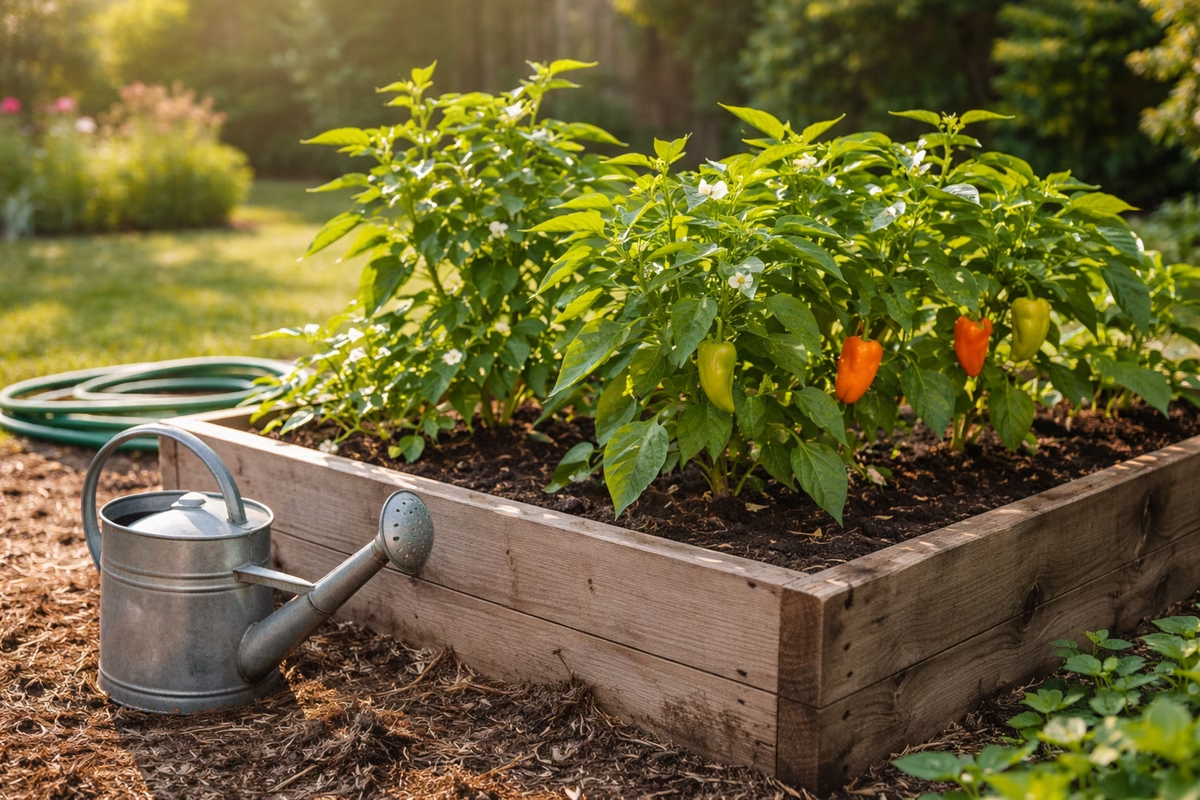
I had a 4×8-foot raised bed with a mix of compost, garden soil, and perlite. Peppers want:
- Full sun: 8+ hours per day
- Warm soil: 65°F or above
- Good drainage: Standing water rots pepper roots faster than almost anything
- Space: 18–24 inches between plants for good airflow
I dug holes, dropped in the seedlings, watered deeply, and mulched with straw to retain moisture and suppress weeds.
For two weeks, nothing visible happened. The plants sat there, looking the same size they’d been in the yogurt cups. Underneath the soil, though, roots were establishing—spreading into the new space, finding nutrients, anchoring.
Then, almost overnight, the plants started growing. First the jalapeños—vigorous, branching, deep green. Then the serranos. The habaneros were last, because habaneros do everything on their own schedule.
Flowers, pollination, and the great flower drop
By mid-June, the plants were covered in small white flowers—star-shaped, delicate, hanging downward from the branch nodes.
Pepper flowers are self-pollinating: each flower contains both male and female parts, and a gentle breeze or the vibration of a visiting bee is usually enough to move pollen from anther to stigma. No cross-pollination required.
But self-pollination doesn’t mean guaranteed fruit. My first lesson in pepper heartbreak was the flower drop.
Over one particularly hot week (daytime highs above 95°F), roughly half the flowers on all three varieties fell off without setting fruit. The plants looked like they were shedding confetti.
This is normal—and it’s the plant’s survival mechanism. When temperatures exceed 90°F (or drop below 55°F), pepper plants abort their flowers to conserve energy. They’re prioritizing survival over reproduction.
The flowers that survived the heat wave pollinated successfully. Small green nubs appeared at the base of each surviving flower, swelling daily. These would become peppers.
The growing season: watching heat develop
From late June through August, the peppers grew. Slowly at first, then steadily. Green and firm, hanging from the branches, gaining size.
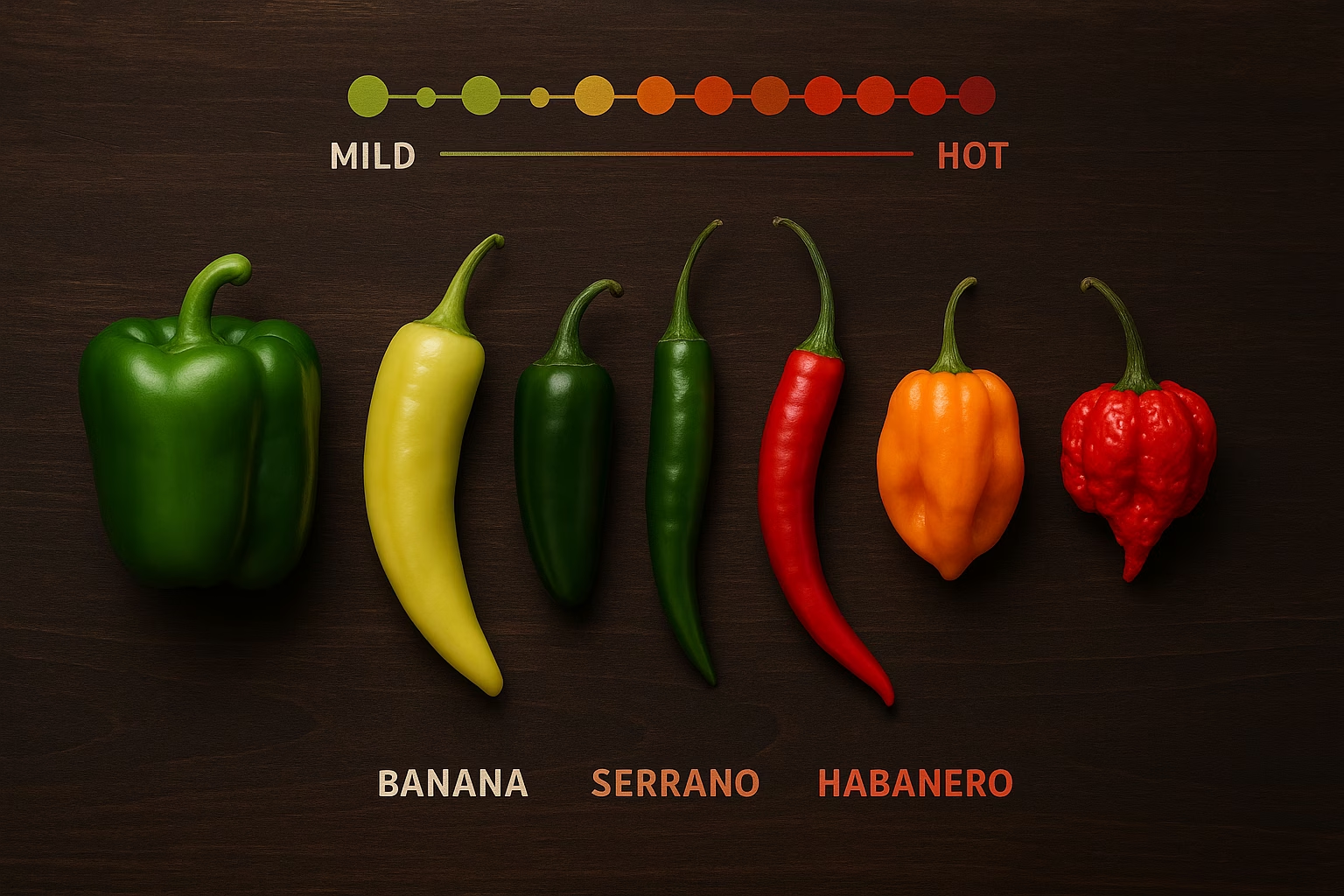
Jalapeños
Fast growers. The first fruit was harvestable (green, 3 inches long, firm) by early July—about 70 days from transplant. The plants produced prolifically: each plant set 15–20 fruit.
Serranos
Smaller, thinner, hotter. They took about 10 days longer than the jalapeños. Each plant produced 20–30 small, tapered fruit. They were beautiful—slender and packed with heat.
Habaneros
The divas. They flowered later, set fruit later, and grew slower. The first fruit didn’t appear until late July. But when they came, they were stunning: lantern-shaped, deeply ridged, with a waxy sheen. The plants produced fewer fruit (8–12 per plant), but each one was an event.
The first red jalapeño: a revelation
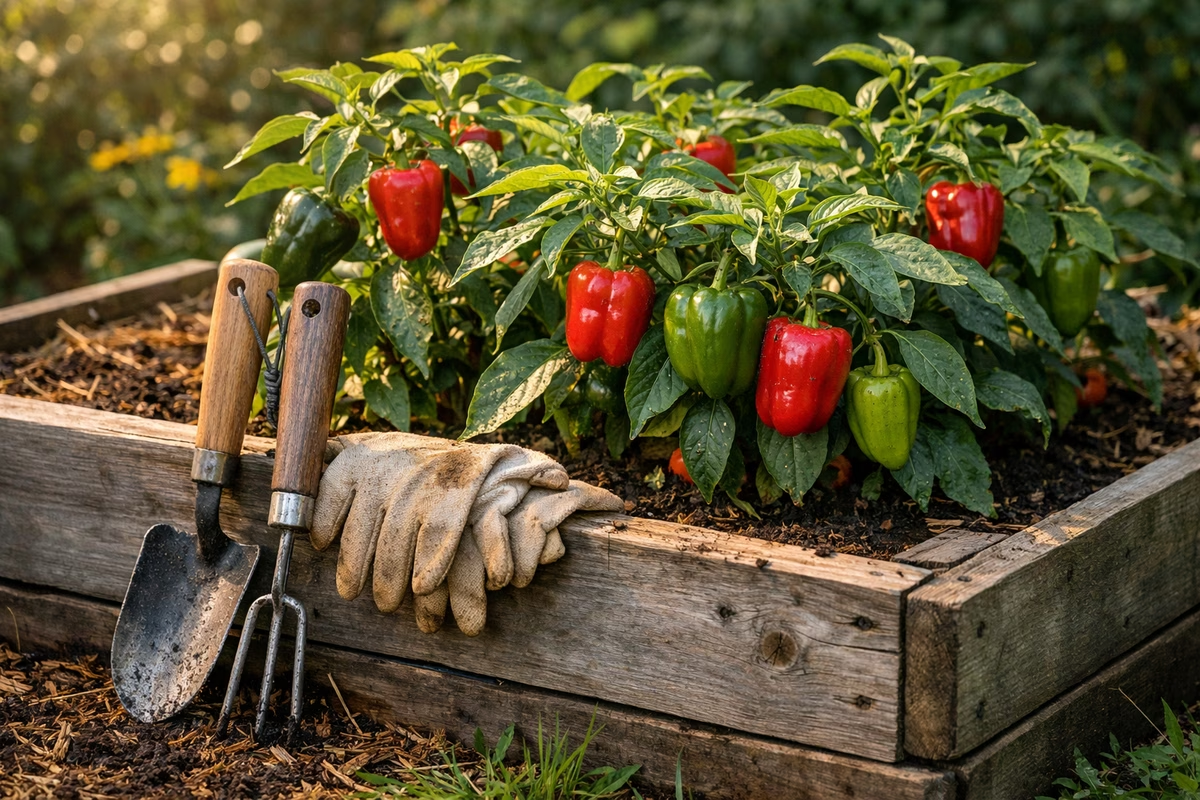
In early August, I noticed one of the jalapeños changing color. The tip was blushing red, and over four days the color spread upward until the entire pepper was a deep, glossy crimson.
A red jalapeño is not the same thing as a green one. The flavor is sweeter, fruitier, with a slight berry quality underneath the heat. The heat itself is slightly more intense but also more rounded—less sharp, more warm.
Most people never taste a red jalapeño because supermarkets sell them green. The green jalapeño is picked early for shelf stability and because consumers associate “jalapeño” with green. But on the plant, given time, it becomes something better.
That first red jalapeño was the moment I understood why people grow their own food. The flavor was incomparable—not because I’m a skilled gardener, but because the pepper was picked at peak ripeness and eaten within minutes. No shipping, no cold storage, no compromises.
Harvest and first sauce
By late August, I had more peppers than I could eat fresh. The kitchen counter was covered: red jalapeños, green serranos, orange habaneros, all glossy and fragrant.
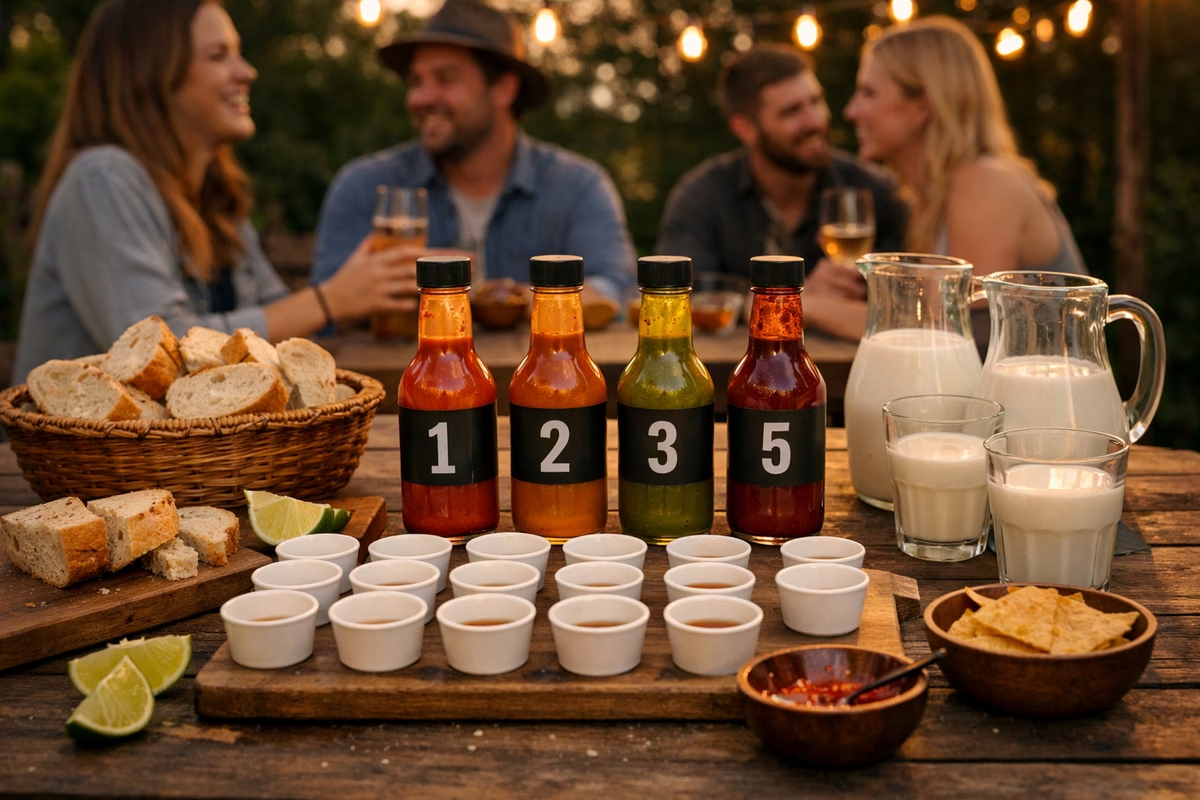
I made three sauces that first season:
Sauce 1: Simple red jalapeño
Roasted red jalapeños, garlic, white vinegar, salt. Blended smooth. It tasted like the garden—bright, clean, moderately hot, with a sweetness that commercial jalapeño sauces never have.
Sauce 2: Serrano-cilantro verde
Raw green serranos, cilantro, lime juice, garlic, olive oil. The heat was sharper—serranos are about twice as hot as jalapeños—and the raw preparation kept it bright and herbaceous.
Sauce 3: Habanero-mango (the ambitious one)
Roasted habaneros, fresh mango, lime, ginger, a pinch of salt. This was the sauce that taught me about habanero flavor: floral, tropical, almost fruity, with a heat that builds and builds and doesn’t stop for several minutes. The mango and ginger weren’t there to mask the habanero—they were there to harmonize with it, because habanero’s natural flavor profile is already tropical.
For detailed sauce-making processes, see Making Hot Sauce at Home.
What growing peppers teaches you about hot sauce
Freshness transforms flavor. A garden-fresh pepper has a brightness and complexity that no dried or store-bought pepper can match. When people say homemade hot sauce “tastes different,” this is why. The ingredient quality ceiling is higher when the ingredients are walking distance from your kitchen.
Heat is not the whole story. Growing multiple varieties side by side teaches you that each pepper has a flavor independent of its heat. Jalapeños are grassy and clean. Serranos are sharp and bright. Habaneros are floral and fruity. Choosing peppers for sauce is like choosing ingredients for cooking—you’re composing a flavor, not just selecting a heat level.
Patience grows flavor. A red pepper is sweeter, more complex, and hotter than the same pepper picked green. But getting to red means waiting an extra 2–3 weeks, risking weather damage, pest loss, and the daily temptation to just pick it now. The garden teaches the same lesson as fermentation: time is an ingredient.
Small gardens produce abundance. Six pepper plants in a 4×8 bed produced enough fresh peppers for three batches of sauce, dozens of fresh meals, and a bag of dried peppers that lasted through winter. You don’t need acreage. You need sunlight, water, and attention.
The ending: the seeds I saved
After making the sauces, I did something I hadn’t planned: I saved seeds.
From the best red jalapeño—the one that had ripened first, the one that tasted like a garden in August—I scraped the seeds onto a paper towel, let them dry for a week, and stored them in a labeled envelope in a cool drawer.
The following March, I planted them. They germinated in eight days.
Those plants grew taller than their parent. They fruited earlier. And the peppers—red, glossy, sweet-hot—tasted the same. The garden was continuing.
There’s something about growing food from seed that changes your relationship with eating. You stop being a consumer and start being a participant. The hot sauce on your shelf isn’t a product anymore—it’s a season compressed into a bottle. The heat in your mouth is sunlight, soil, and four months of paying attention.
The garden didn’t just burn my tongue. It burned through the distance between me and my food.
Next steps
- Read Growing Your Own Peppers for the complete growing reference
- Explore Scoville Scale Explained to understand the heat levels of different varieties
- See Making Hot Sauce at Home for turning your harvest into sauce
- Try Sauce Pairing for matching your homemade sauces to food
- Check A Fermented Hot Sauce Weekend for the fermentation path