
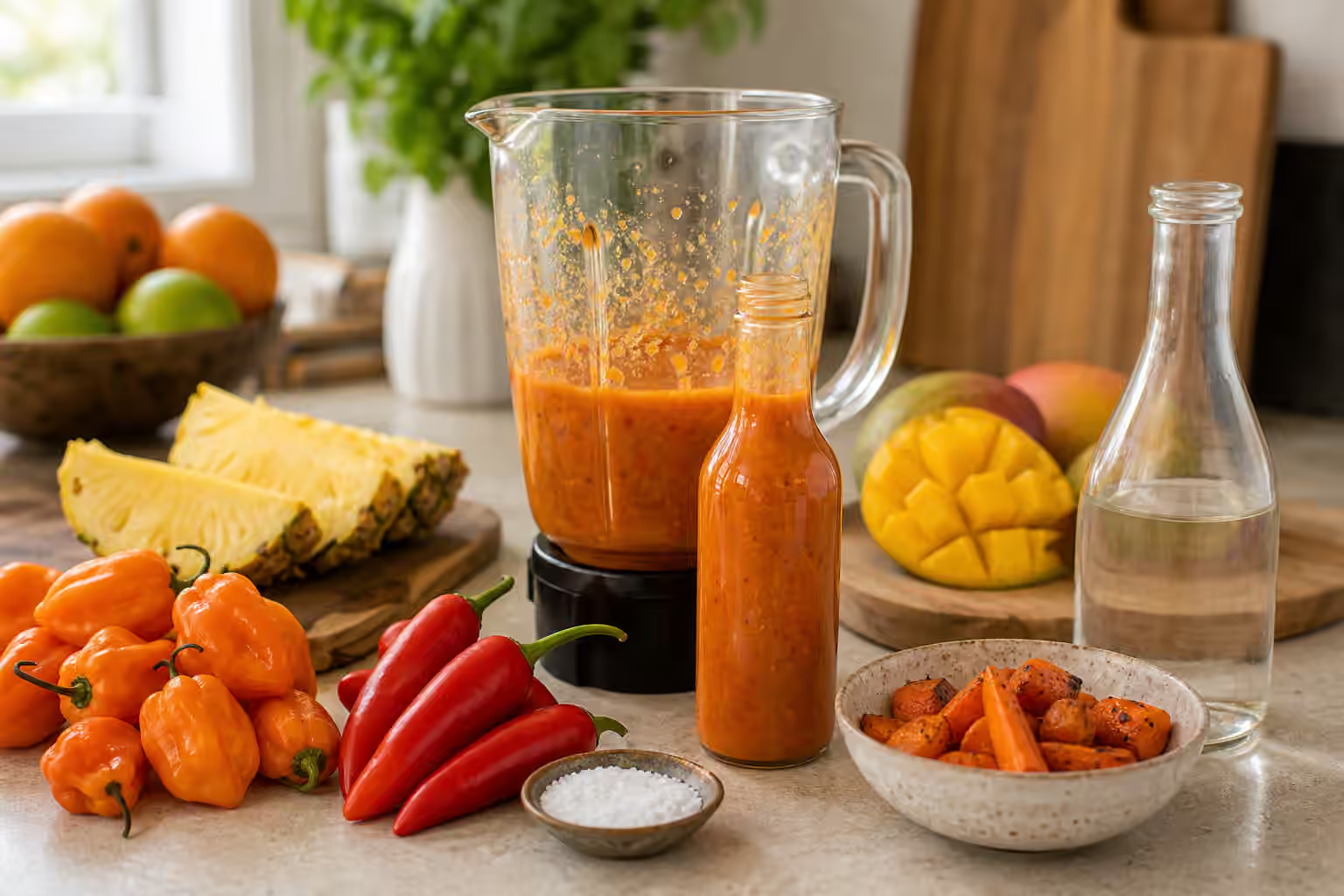
Fruit and Sweetness in Hot Sauce
Sweetness is one of the most useful tools in hot sauce, but it is also one of the easiest to overuse. A little sweetness can lengthen the finish of a sharp sauce, make habanero taste more floral, round the edge of vinegar, and help a sauce cling to grilled food. Too much turns the bottle into pepper jam. The difference is not only the amount of sugar. It is the source of sweetness, the pepper beside it, the acid supporting it, and the way the sauce will be used at the table.
Fruit-forward sauces work best when the fruit has a job beyond making the burn easier to tolerate. Mango can echo the tropical aroma of habanero. Pineapple can bring brightness and a little tang to grilled pork or chicken. Peach can make Scotch bonnet feel soft and warm. Roasted carrot can add body and gentle sweetness without making the sauce taste like dessert. Honey, maple, or plain sugar can be useful too, but they are finishing tools, not the main idea. If the pepper disappears behind sweetness, the sauce may still be pleasant, but it has stopped behaving like hot sauce.
If you are still choosing the chile base, read Choosing Peppers for Hot Sauce first. Fruit is most convincing when it extends what the pepper already suggests. A green jalapeno sauce usually wants lime, tomatillo, herbs, or a modest amount of green apple more than it wants mango. A ripe habanero sauce can handle mango or pineapple because the pepper already smells tropical. A dried chile sauce may prefer roasted tomato, raisin-like ancho, or a small spoon of molasses because those flavors sit in the same deeper register.
Sweetness Should Explain The Pepper
The cleanest fruit sauces feel inevitable. You taste the pepper first, then the fruit makes sense. Habanero with mango is popular because habanero has a floral, apricot-like aroma before the heat builds. Mango does not hide that quality. It gives the pepper a softer place to land. Pineapple works differently. It brings sharper acidity, so it can keep a very hot sauce from feeling heavy while still adding sweetness. Peach is rounder and quieter, which makes it useful with Scotch bonnet, fresno, or cayenne when you want warmth instead of a tropical shout.
The same rule applies to vegetables that taste sweet after cooking. Carrot, roasted red pepper, onion, tomato, and butternut squash can make a sauce feel fuller without declaring itself a fruit sauce. Carrot is especially useful because it supports orange peppers, thickens the blend, and gives sweetness that reads as savory. Roasted onion can soften harsh vinegar and deepen a cooked red sauce. Tomato can add body and glutamate-rich depth, though it also pulls the sauce toward salsa if used heavily.
Before adding sweet ingredients, smell the pepper and imagine the food. A grassy serrano sauce for tacos may need freshness, not sugar. A smoky chipotle sauce for beans might need a touch of molasses or roasted onion, not pineapple. A bright cayenne vinegar sauce for fried food may need no sweetness at all. Sweetness is not a default correction. It is a decision about direction.
Fruit Changes Texture, Not Just Flavor
Fruit brings water, fiber, pulp, acid, aroma, and sugar at the same time. That is why fruit sauces can change quickly from elegant to loose or sticky. Mango makes a sauce plush because its flesh blends into a thick puree. Pineapple can make a sauce thinner and brighter because it is juicier and more fibrous. Peach lands between the two. Berries bring color and perfume, but their seeds and skins can make a sauce feel rustic unless it is blended and strained carefully.
This texture effect matters because heat follows texture. A thin pineapple-habanero sauce can feel fast and sharp. A thick mango-habanero sauce can feel slower, wider, and more persistent. A roasted carrot-habanero sauce can feel mellow even when the pepper level is high because the body spreads the burn across the bite. None of those effects is wrong. They just need to match the bottle. A fruit sauce that should drizzle over grilled chicken can be medium-bodied. A sauce meant to splash on oysters, soup, or fried eggs should be thinner and cleaner.
If the sauce tastes good but pours badly, do not fix it by adding sweetness automatically. Thin it with the liquid that belongs to the style, such as vinegar, fermented brine, citrus, or a small amount of water. Thicken it with more pepper flesh, cooked carrot, or fruit puree only when that flavor helps. Hot Sauce Texture and Body goes deeper on the difference between a sauce that is silky, splashable, rustic, or simply too watery.
Acid Keeps Sweetness Honest
Sweet hot sauce needs acid because sweetness without lift makes heat feel dull. This is why many good fruit sauces taste brighter than their ingredients suggest. Mango needs lime, rice vinegar, white vinegar, or apple cider vinegar to keep it from tasting heavy. Pineapple already has some tang, but it still often needs a vinegar backbone if the sauce is meant to hold its shape beyond a quick meal. Peach and apricot usually want a cleaner acid line because their sweetness can turn soft fast.
The acid should fit the fruit. White vinegar keeps the pepper direct and is useful when the fruit is already aromatic. Apple cider vinegar adds orchard warmth and works well with peach, carrot, mango, roasted onion, and habanero. Rice vinegar keeps the finish lighter, especially with pineapple, ginger, garlic, and green or yellow peppers. Lime is excellent as a top note, especially in small fresh batches, but its aroma fades faster than its first impression suggests. For longer storage habits and pH thinking, keep Hot Sauce Storage and Safety close by.
Add acid in stages. Fruit puree can make a sauce taste balanced in the blender because sugar and aroma are loud when fresh. After a short rest, the same sauce may taste flatter as air bubbles settle and the pepper heat comes forward. Add vinegar or citrus gradually, blend completely, and taste on food. A spoonful of sauce exaggerates sweetness and heat. A bite of roasted chicken, rice, beans, eggs, or fried potatoes shows whether the sauce actually seasons the meal.
For a broader look at the sour side of the equation, Vinegar and Acid Balance in Hot Sauce is the natural companion to this page. Fruit and acid are partners. Fruit gives roundness, perfume, color, and body. Acid keeps those qualities from becoming sleepy.
Fermenting With Fruit Requires Restraint
Fruit can be part of a fermented hot sauce, but it changes the jar. Fruit adds sugar, and sugar gives fermentation more to work on. That can produce lively acidity and aroma, especially in small amounts, but it can also push a ferment faster than expected. Very sweet additions can make activity surge early, then leave the final sauce tasting thinner or more alcoholic if the batch is neglected or handled casually. The practical answer is not fear. It is restraint, cleanliness, and tasting early.
A moderate approach is usually better than a fruit-heavy ferment. Let peppers make up the main body, then add fruit as an accent. Habanero, fresno, or Scotch bonnet can ferment with a modest amount of mango, pineapple, peach, or carrot, but the pepper should still be the majority voice. Some makers prefer fermenting the peppers first, then adding fresh or cooked fruit during blending. That keeps the fermentation more predictable and preserves brighter fruit aroma, though the finished sauce should then be treated according to its storage plan.
Fermented fruit sauces often need a finishing adjustment. The jar may smell vivid, but the blended sauce can taste hollow until salt, acid, and texture are brought into line. A splash of vinegar can sharpen it. A small amount of cooked fruit can restore aroma. A little reserved brine can thin it without making it taste watered down. If you are building this style intentionally, Fermentation Flavor Design will help with salt, time, pepper choice, and finishing balance.
Use Direct Sweeteners Like Seasoning
Honey, maple syrup, agave, brown sugar, and plain sugar are powerful because they bring sweetness without much bulk. That makes them useful when the sauce is almost right. A sharp vinegar sauce may need a small sweet adjustment to stop the acid from scraping. A smoky sauce may need a darker sweet note to make the smoke feel round instead of dry. A glaze-style sauce may need enough sweetness to cling and caramelize, but that is a different job from a daily table sauce.
Direct sweeteners should be added in tiny increments. Blend, taste, rest, then taste again. Sweetness blooms after salt dissolves and heat settles, so a sauce that seems only mildly sweet at first can become obvious later. When a sauce crosses that line, more vinegar may not fully rescue it. The bottle can become a tug of war between sour and sweet, while the pepper gets lost in the middle.
There is also a cooking question. Sugary sauces can scorch faster when used over high heat, especially as glazes. Add them near the end of grilling or roasting rather than painting them on early and expecting them to behave like a thin vinegar sauce. At the table, the same sweetness can be excellent with salty, smoky, fatty, or charred food. It just needs the right setting.
Match Sweet Heat To Food
Fruit and sweetness shine when the food gives them contrast. Grilled chicken, pork, roasted carrots, squash, sweet potatoes, fried foods, salty snacks, beans, and rice bowls can all make a fruit hot sauce feel balanced. The food supplies fat, salt, starch, char, or earthiness. The sauce supplies fruit, acid, and heat. Together they taste fuller than either one alone.
Delicate foods need more restraint. A mango-habanero sauce that works beautifully on grilled wings may flatten a simple omelet. A pineapple-ghost sauce may be exciting on pork tacos and clumsy on mild white fish. A sweet smoky sauce can make beans taste deep but turn a fresh salad heavy. The question is not whether sweet heat is good. The question is whether the dish needs roundness, brightness, or a clean spark. Sauce Pairing is useful here because it treats hot sauce as part of the plate rather than a topping added after the thinking is done.
The best fruit hot sauces still taste like peppers. They have enough sweetness to make heat generous, enough acid to keep the finish awake, enough salt to make the fruit taste vivid, and enough body to land where the food needs it. Start with a pepper that has a clear voice. Choose fruit or sweetness that explains that voice. Then stop before the sauce becomes candy with capsaicin.


