Fresh Green Hot Sauce
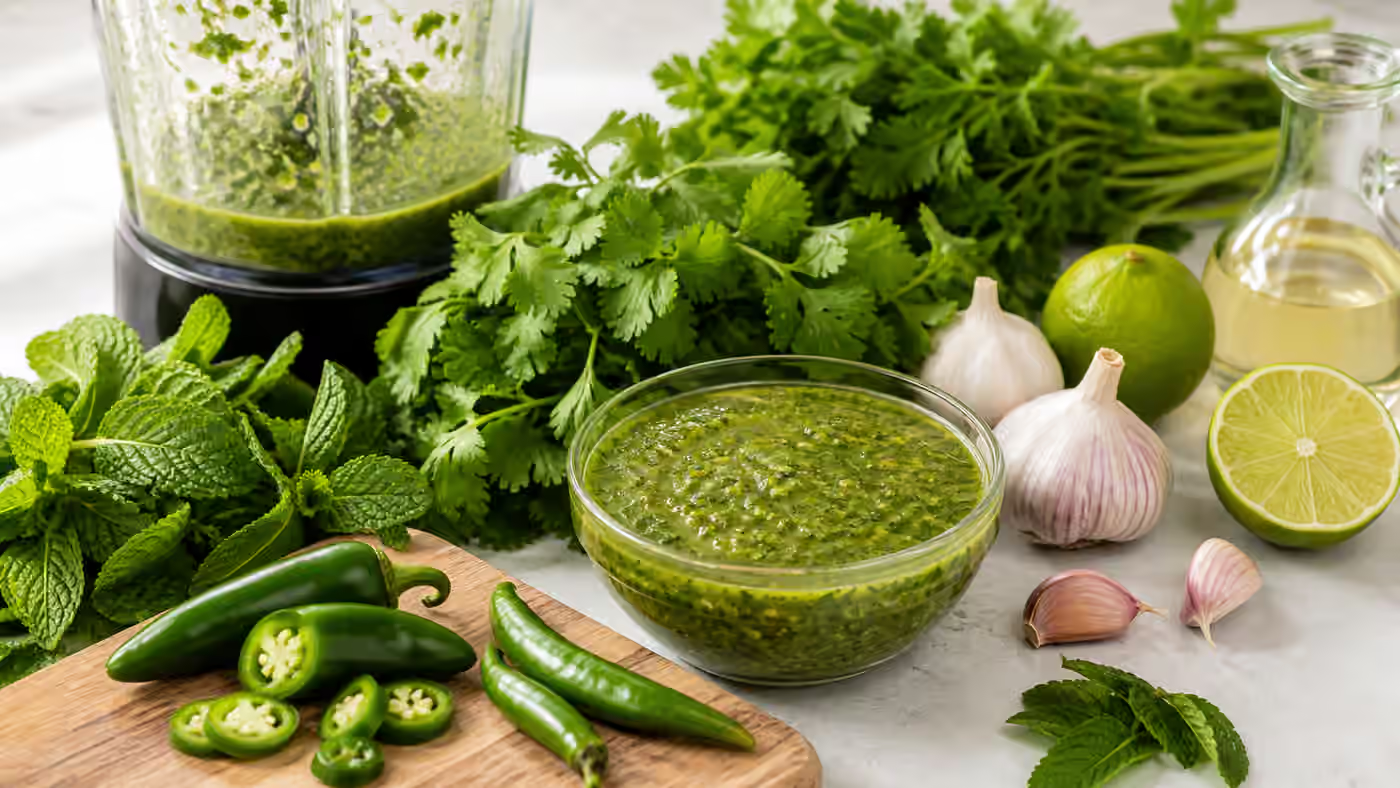
Fresh green hot sauce has a different kind of energy from a cooked red sauce or a long ferment. It smells alive before it tastes hot: cut grass, lime peel, green chile skin, cilantro stems, scallion, raw garlic, and the sharp edge of vinegar. The best versions feel quick and clean. They wake up eggs, tacos, beans, grilled fish, rice bowls, roasted potatoes, and fried food without dragging a heavy sweetness or smoky finish behind them.
That freshness is also why green sauce punishes careless blending. A red sauce can hide a little heaviness behind roasted pepper, dried chile, carrot, or fruit. A green sauce has fewer places to hide. Too much raw garlic turns metallic. Too much lime makes the sauce taste thin. Too much herb makes it grassy in a tired way. Too much water makes the heat seem detached from the flavor. A good green sauce is not just a blender full of green things. It is a set of small choices that protect brightness.
If pepper choice still feels uncertain, start with Choosing Peppers for Hot Sauce . Green sauce depends on the pepper’s raw character more than many styles do, because there is no long simmer or fermentation window to reshape it. Jalapeno, serrano, poblano, Anaheim, green cayenne, and green habanero can all work, but they do not make the same bottle.
Green Heat Has A Shape
Jalapeno gives familiar heat, thick flesh, and a rounded vegetable flavor. It is useful when the sauce should be approachable, medium-bodied, and easy to pour generously. Serrano is brighter, sharper, and usually hotter. It makes a leaner sauce that tastes more immediate, especially with lime, rice vinegar, cilantro, and scallion. Poblano brings low heat and deep green body, especially when roasted or briefly blistered, but it can pull the sauce toward salsa if it becomes the main ingredient. Green habanero has serious heat and a sharper, underripe aroma than its orange version. It can be exciting in small amounts, but it rarely makes a friendly table sauce by itself.
Mixing green peppers gives the sauce better range. Jalapeno can provide body while serrano gives lift. Poblano can widen the texture while a smaller amount of hotter chile creates the burn. A little green habanero can add a high, floral edge without turning the whole bottle into a test of endurance. The trick is to decide which pepper is the main voice and which one is there for support. Random leftovers usually taste like random leftovers.
The inner ribs matter more than the seeds. Much of the heat lives in the pale tissue that holds the seeds, and that tissue also affects bitterness and texture. For a clean green sauce, remove some ribs when you want the pepper aroma without the full burn. Leave more when the sauce needs bite. Seeds are not forbidden, but a blender full of them can make the texture gritty and the flavor dusty. If the goal is a sauce that pours from a narrow bottle, a little trimming early saves a lot of straining later.
Tomatillo, Lime, And Vinegar Do Different Jobs
Tomatillo is one of the most useful green sauce ingredients because it brings tartness, pectin, and body at the same time. Raw tomatillo tastes crisp and slightly sour, with a green apple edge. Roasted or simmered tomatillo becomes rounder and more salsa-like. Both can work, but they create different sauces. Raw tomatillo keeps the bottle sharp and vivid. Cooked tomatillo softens the texture and makes the sauce feel more comfortable on tacos, grilled chicken, potatoes, and beans.
Lime is the aroma that many people expect from green sauce, but it should not carry the whole structure alone. Fresh lime juice tastes bright at first and then fades faster than vinegar. Lime zest can be even more useful because it gives a vivid citrus smell without thinning the sauce as much. Use zest carefully, only from the colored outside of the peel, and keep the bitter white pith out of the blender. A green sauce with lime zest, a little juice, and a steadier vinegar backbone often tastes fresher after a day than one built on lime juice alone.
Vinegar gives the sauce a more dependable line. White vinegar keeps the pepper direct. Rice vinegar feels softer and works well with serrano, cilantro, ginger, garlic, and food that leans toward rice bowls or seafood. Apple cider vinegar can be good with jalapeno and tomatillo, but it brings an orchard note that may make a very clean green sauce taste less precise. For a deeper look at how sourness changes heat and texture, read Vinegar and Acid Balance in Hot Sauce . In fresh green sauce, acid should make the chile clearer, not make the bottle taste like pickle brine.
Herbs And Aromatics Need Restraint
Cilantro is powerful because its stems and leaves do different work. Leaves give the familiar fresh aroma. Stems bring more concentrated flavor and blend more easily into sauce. A sauce made with only leaves can taste pretty for a moment and then fade. A sauce with some tender stems often tastes more grounded. Parsley can make a green sauce cleaner and less polarizing. Mint can be excellent with lamb, cucumber, yogurt, or grilled vegetables, but it takes over quickly. Basil can work with green chile and vinegar, though it pulls the sauce toward pesto if garlic and oil join in.
Scallion is often friendlier than raw onion in green sauce. It gives a clean allium note without the heavy sweetness of cooked onion or the sharp persistence of raw white onion. Garlic needs more caution. One raw clove can make a pint of sauce taste complete. Several can make it taste hot in the wrong way, especially after the sauce rests overnight. If you want a rounder garlic note, blanch the cloves briefly or simmer them with the tomatillos before blending. That small step softens the bite while keeping the sauce savory.
Ginger, cumin, coriander, and black pepper can all fit, but they should be chosen for a reason. Ginger makes a serrano or green habanero sauce feel quick and fragrant. Toasted cumin makes a tomatillo and jalapeno sauce feel warmer and better with beans or grilled meat. Coriander seed adds citrus-like depth. Black pepper adds a second bite that can be useful in tiny amounts. The broader habit is the same one described in Aromatics and Spices in Hot Sauce : choose one direction, then stop before the sauce becomes a list of ingredients.
Raw, Blanched, Roasted, Or Simmered
A fully raw green sauce is the brightest version. It keeps the snap of fresh chile, herb, and lime, and it can taste electric on food that needs lift. It also has the shortest graceful life. Raw garlic grows louder. Herbs darken. The sauce can separate as pepper pulp settles and watery acid rises. This is not a flaw if the batch is small and refrigerated. It is simply the style.
Blanching is a useful middle path. A quick dip in boiling water softens raw harshness without making the sauce taste cooked. Jalapenos, serranos, garlic, and tomatillos can all benefit when the sauce tastes too sharp in a green, sappy way. After blanching, cool the ingredients before blending so the herbs stay greener and the sauce does not steam in the jar. Blanched green sauce often tastes less dramatic on the spoon and more useful on food.
Roasting changes the sauce more. Charred jalapeno, poblano, or tomatillo adds sweetness, smoke, and a darker green color. It can be excellent, but it is no longer the same fresh style. Roast when the sauce is meant for grilled meats, beans, roasted vegetables, or tacos with deep fillings. Keep some fresh element nearby, such as lime zest, cilantro stems, raw scallion, or a little raw serrano, so the roasted notes do not make the bottle dull. If char becomes the main idea, Roasting Peppers for Hot Sauce is the better companion.
Texture Decides How The Sauce Lands
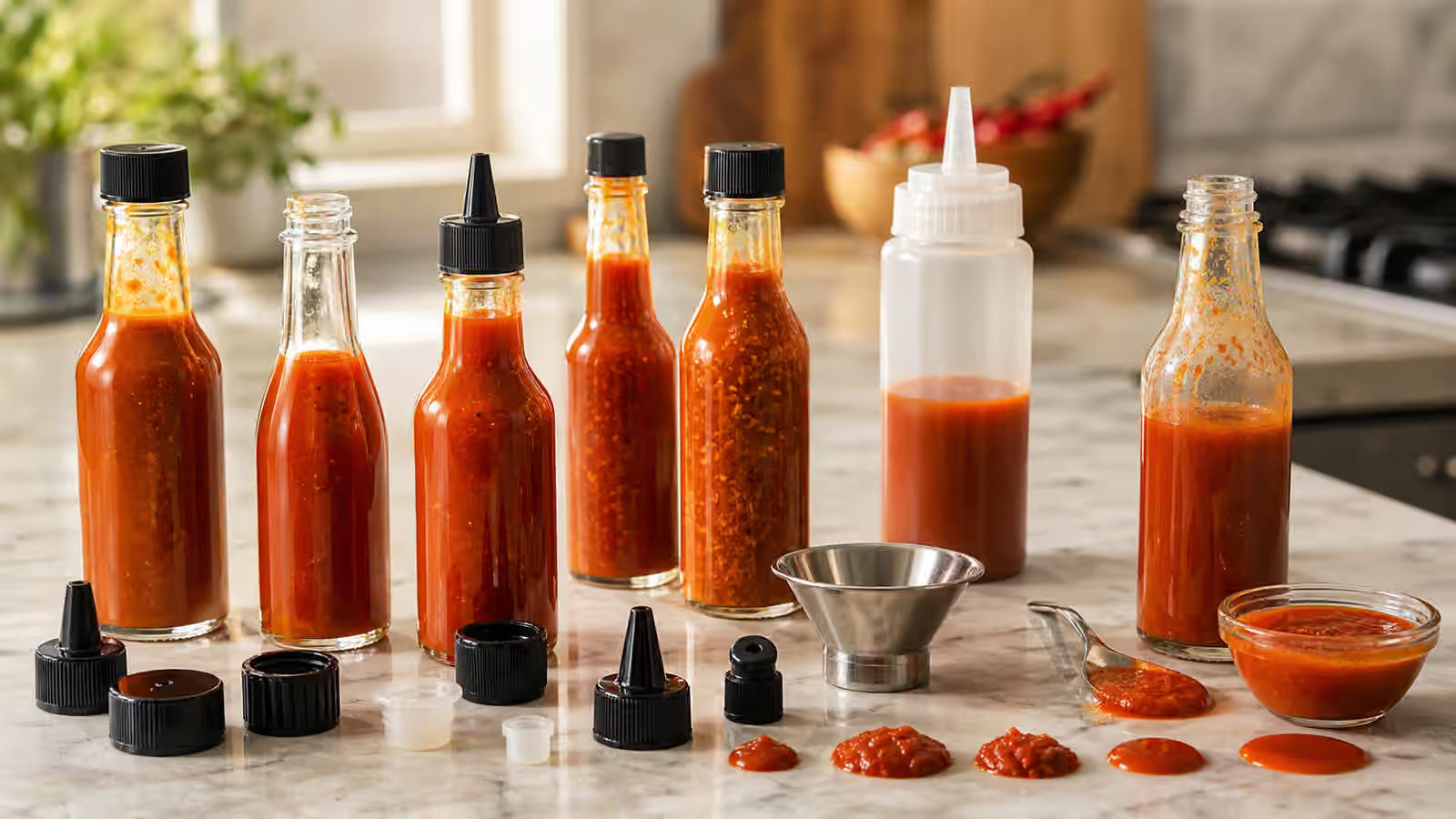
Green sauce can be thin, silky, or rustic, but it should know which one it wants to be. A thin serrano vinegar sauce acts like seasoning. It splashes onto eggs, noodles, fried chicken, soups, and beans. A medium tomatillo-jalapeno sauce clings to tacos, roasted vegetables, sandwiches, and grilled food. A rustic herb-heavy sauce behaves more like salsa and belongs in a jar with a spoon. Problems happen when a chunky sauce is forced into a narrow bottle or when a watery sauce is expected to stay on a taco.
Blend longer than seems necessary if the sauce is meant to pour. Pepper skin, tomatillo seeds, cilantro stems, and scallion fibers all need time to break down. If the blender is weak, add liquid gradually rather than flooding the jar at the start. Too much liquid helps the blades move but can leave the finished sauce thin and separated. A small amount of pepper flesh, tomatillo, or cooked poblano can add body without adding sweetness.
Straining is a style choice, not a moral one. A strained green sauce looks cleaner and pours more easily, but it loses some pepper body and herb character. A partial strain often works better: strain some of the batch, then stir it back into the unstrained portion until the texture feels deliberate. Hot Sauce Texture and Body covers that decision in more detail, especially when a sauce tastes good but pours badly.
Season After The Sauce Settles
Fresh green sauce changes in the first hour. Air bubbles rise. Salt dissolves. Garlic spreads. Lime seems less flashy. Serrano heat becomes clearer. This is why final seasoning should not happen in the first ten seconds after blending. Taste, adjust lightly, let the sauce rest, then taste again on food. A tortilla, spoonful of rice, potato, egg, bean, or piece of grilled chicken tells the truth better than a plain spoonful.
Salt is usually the first correction. Under-salted green sauce tastes watery even when it has plenty of acid. Add a little salt and the pepper suddenly becomes easier to read. If the sauce still feels heavy, add acid. If it tastes sharp and thin, add body before adding more lime. If garlic is too loud, the fix may be more pepper or tomatillo rather than sweetness. Sweetness has a place in some green sauces, especially with roasted tomatillo or green fruit, but it should be quiet. Fresh green sauce loses its point when it starts tasting candied.
Storage should match the ingredients. Fresh herb-heavy sauces belong in the refrigerator and are best made in modest batches. Cooked or vinegar-forward versions may last longer, but home storage still depends on acidity, clean handling, and refrigeration unless a tested process says otherwise. For the broader discipline, keep Hot Sauce Storage and Safety nearby.
The best fresh green hot sauce tastes like the pepper was picked for a reason. It has enough acid to stay awake, enough salt to make the chile clear, enough body to land on food, and enough restraint to let the green notes stay green. When those pieces line up, the sauce does not need drama. It just makes the next bite brighter.