Saturday morning is the best time to start fermented hot sauce because you have the one thing fermentation rewards more than any ingredient: a calm pace. Fermented hot sauce doesn’t need you to be heroic. It needs you to be consistent. The work up front is small, but it’s also the moment that decides whether the next two weeks are going to feel easy or vaguely haunted by worry. So you clear the counter, open a window, and make a quiet promise to yourself: today is not about improvising. Today is about building a jar that behaves.
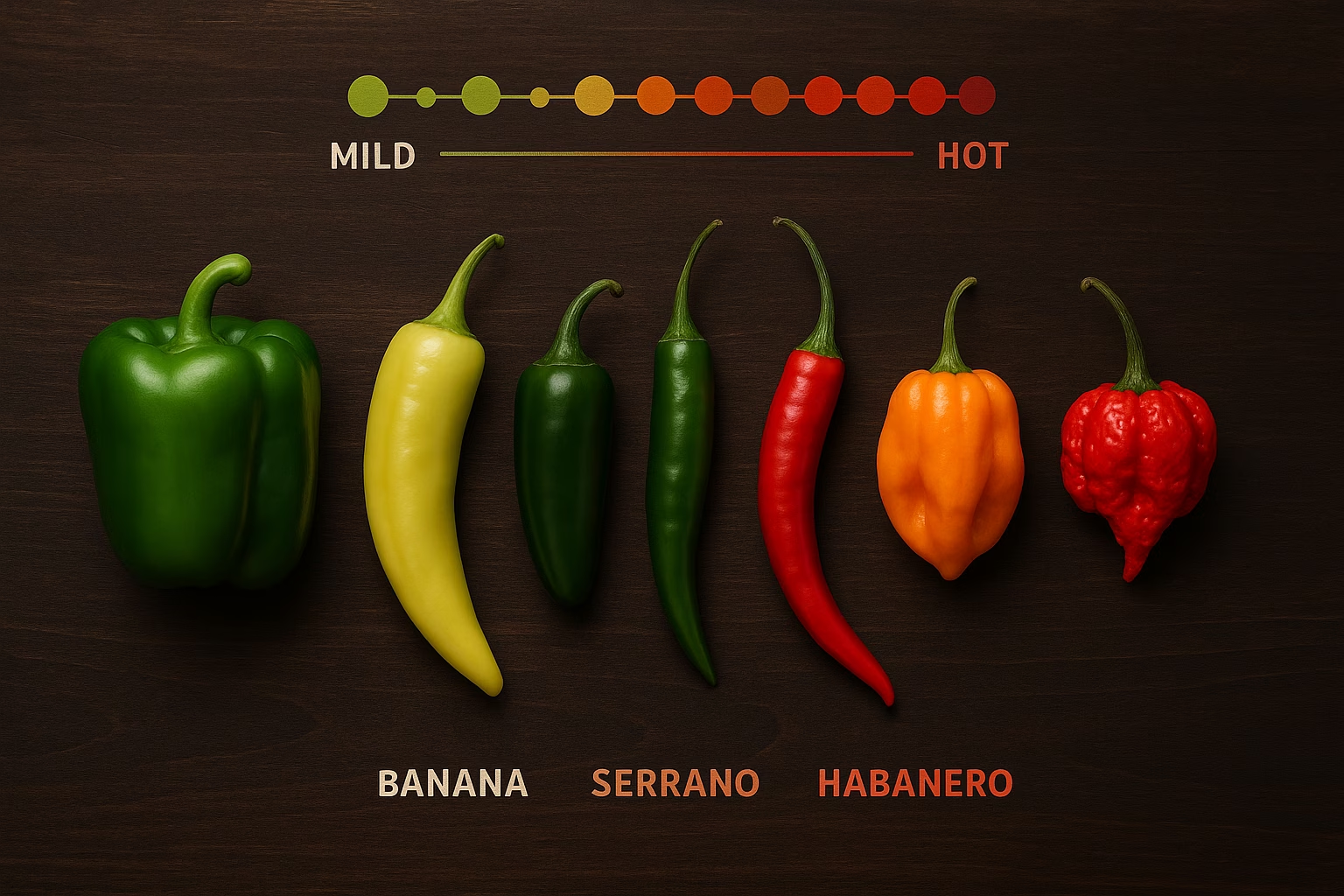
The peppers look innocent until you cut into them. A bright, green smell snaps into the room, then the first hint of heat rises like vapor when your knife drags through the white pith. This is the first real lesson: hot sauce begins as produce, not punishment. The goal is flavor that happens to be spicy, not spice that happens to be edible. You choose peppers the way you choose fruit—by aroma, firmness, and the kind of mood they suggest. A handful of jalapeños for body, a few fresnos for fruit, maybe one habanero because you want the final sauce to have a little danger in the corners.
You weigh what you chopped, because fermentation becomes friendly the moment it becomes measurable. Salt isn’t there to make the jar taste salty; it’s there to make the jar selective. In the right range, it supports the microbes you want and discourages the ones you don’t. It also steadies the process, which means fewer surprises. You sprinkle the salt over the peppers and watch it disappear into the glossy cut surfaces, and within minutes the bowl starts to sweat. It’s a small, satisfying magic trick: vegetables turning their own water into the start of a brine.
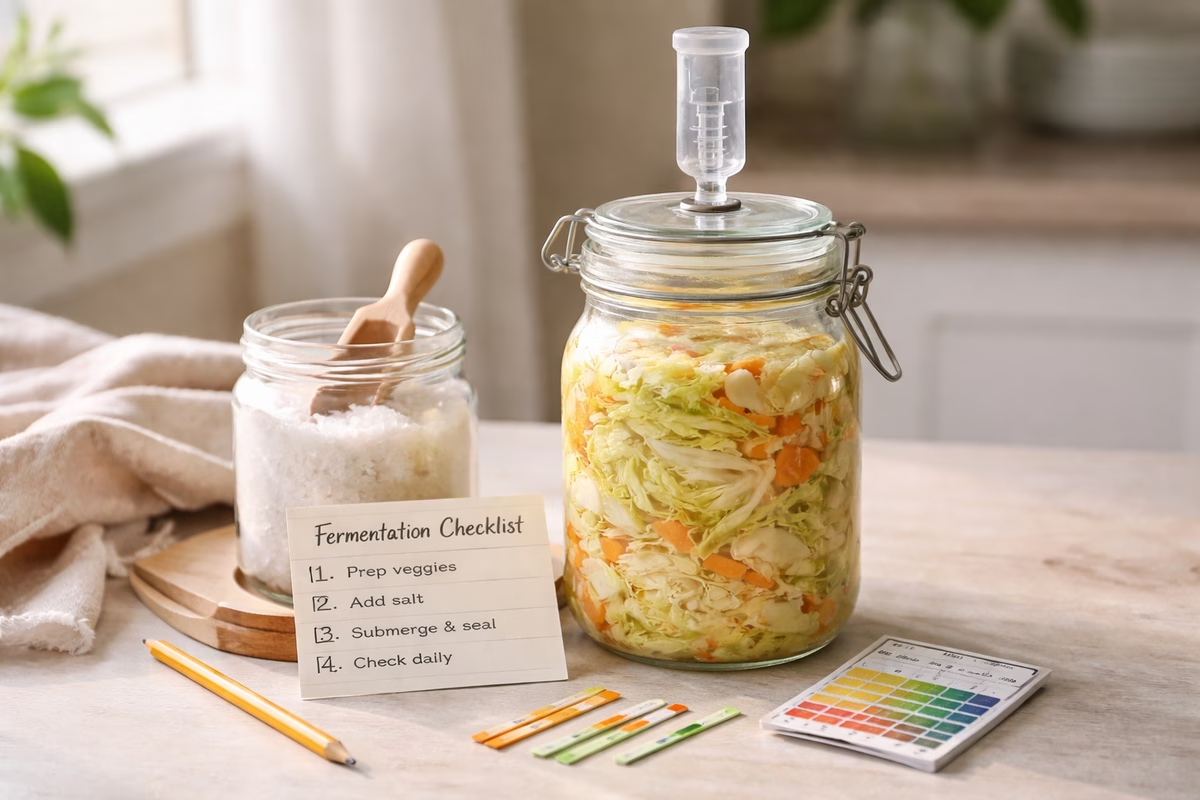
When you pack the jar, you’re not “filling a container,” you’re building an environment. You want everything submerged, not because of tradition, but because oxygen invites the wrong kind of drama. Fermentation likes anaerobic calm. The pieces sink unevenly at first, stubborn as puzzle parts, and you press them down gently until the brine rises. The jar becomes a tiny landscape: pale garlic pieces, orange pepper skin, a few seeds floating like punctuation. You wipe the rim, fit the airlock, and for a moment it feels like you’ve done nothing at all—just vegetables in a jar. But the jar already feels different from ordinary food, because it now has a future.
The first night, you check it too often. Almost everyone does. You lean in as if you could hear the microbes negotiating. Nothing happens in the way a new hobby expects to be rewarded. The jar is quiet, and that quiet is the point. The next morning, you notice the brine has climbed slightly and the colors look more saturated, as if the peppers have decided to take the process seriously. By day two or three, there’s the first real sign: tiny bubbles lifting up through the mash like a slow, patient applause. The jar smells alive—vegetal, tangy, and clean. If it smells like rot, something went wrong. If it smells sharp in a way that makes you want to keep smelling, you’re on track.
Around the middle of the first week, the fermentation becomes confident. The bubbling may peak, then settle, and this is where beginners make their second common mistake: they assume “less activity” means “it stopped.” In reality, the early fireworks are just the easy sugars. After that, the jar works quietly, and the best thing you can do is stop interfering. You keep it at a steady room temperature, out of direct sunlight, and you resist the urge to open it “just to see.” Every time you open the lid you invite oxygen and you interrupt the stable little world you worked to create.
When you finally open it for real—maybe after ten days, maybe after two weeks—the smell tells you what kind of sauce you’re about to make. A bright, citrusy tang suggests a sauce that will feel clean and lively. A deeper, almost savory funk suggests a sauce that will pair with grilled meat and roasted vegetables. You taste a tiny bit of brine. It should read as pleasantly sour, not like vinegar, and it should feel integrated with the pepper flavor rather than separate from it. That’s how you know the jar isn’t just “fermenting.” It’s becoming something.
Blending day is where fermented hot sauce becomes personal. You pour the contents into a blender and listen to the sound shift from chunky to smooth. This is the moment you decide what kind of sauce you want to live with. A little brine makes it thinner and brighter. More solids make it thicker and more assertive. You can add a small amount of vinegar for stability and lift, but you don’t need to drown the ferment—your jar already has its own acid story. You blend until the sauce looks glossy and coherent, then you taste and feel the temptation to “fix” it. This is the third common mistake: over-correcting. Fermented flavors open up in the bottle over the next day or two. Give the sauce a chance to settle into itself.
When you pour the first bottle, the color looks like you captured an afternoon. You label it, because otherwise future-you will forget what you did and you’ll never be able to repeat the magic. And then you put it in the fridge and realize something quietly satisfying: the process wasn’t hard. It was attentive. The biggest upgrade wasn’t a special pepper or a secret ingredient. It was learning what to notice—submersion, aroma, bubbles, and the way the jar tells you it’s healthy.
The best fermented hot sauce isn’t just heat. It’s a living, bright layer you can use like seasoning: a few drops on eggs, a line across tacos, a spoon into soup right before serving. Over time, you’ll start building sauces the way cooks build dishes—by mood. A green sauce for spring. A red sauce for comfort. A smoky sauce for winter. But your first jar is the one that teaches you you’re allowed to do this.
If you want the more technical safety checklist after the story, pair this with Fermented Hot Sauce Safety and Storage and Safety.