Emulsified Hot Sauce
Emulsified hot sauce is what happens when heat, acid, pepper solids, and a little fat become one texture instead of separating into layers. It can be glossy and pourable, creamy without dairy, or rich enough to cling to roasted vegetables and grilled food. The goal is not to make every hot sauce thick. The goal is to understand when a stable, silky sauce serves the food better than a thin splash.
This topic sits beside Hot Sauce Texture and Body , but it deserves its own attention because emulsions behave differently from ordinary pepper purees. A puree is mostly solids suspended in liquid. An emulsion asks fat and water-based ingredients to hold together. That can make heat feel rounder and acid less sharp, but it also introduces new limits around flavor, storage, and serving.
Know Why You Want An Emulsion
An emulsion should solve a real problem. Maybe the sauce tastes good but runs off grilled chicken. Maybe the acid is correct but feels pointy. Maybe the pepper aroma is beautiful, yet the sauce separates into a watery top and a dense bottom. A small amount of oil, mustard, cooked vegetable body, or careful blending can make the sauce feel more cohesive.
It is not always the right move. A Louisiana-style vinegar sauce should stay thin and bright. A fresh green sauce may taste better as a quick refrigerated splash than as a creamy drizzle. A dried chile paste may want to be spooned rather than forced into a squeeze bottle. Emulsification is most useful when the sauce has medium body and a food-facing job: wings, roasted potatoes, sandwiches, bowls, grilled vegetables, eggs, and marinades that need to cling.
The eating experience changes with texture. Thin sauces make heat arrive quickly. Emulsified sauces slow the burn and spread it across the bite. That can make a hot sauce feel gentler, even when the pepper amount has not changed. If the sauce is built from superhot peppers, this can be helpful. If the sauce is supposed to be crisp and cutting, it can make the bottle feel dull.
Oil Is Powerful In Small Amounts
Oil carries chile aroma and softens sharp edges, but it should be used carefully. Too much oil makes a hot sauce heavy, greasy, or muted. It can also change storage expectations, especially in homemade sauces. Do not add oil to a fermenting jar, and do not treat an oil-enriched sauce as shelf-stable unless you are following a tested process. For home batches, refrigeration and modest batch sizes are the sensible default.
Neutral oil keeps pepper flavor clear. Olive oil adds its own personality and can turn bitter if blended aggressively or paired with the wrong chile profile. Toasted oils are even stronger and can dominate a sauce quickly. Butter belongs more to finishing sauces than bottled hot sauce because it changes texture as it cools. If the sauce is meant to live in a bottle, choose the fat with the final temperature and use case in mind.
The amount can be surprisingly small. A spoonful of oil in a blender jar can change the way a sauce coats food. If the batch still separates, the answer is not automatically more oil. It may need more blending, finer solids, mustard, cooked carrot, tomato, or a different liquid ratio. Severe separation often begins before the oil arrives.
Mustard, Pepper Solids, And Natural Helpers
Mustard can help an emulsion because it contains compounds that encourage oil and water to stay together. It also brings flavor, acid, bitterness, heat, and color. That means it should be chosen for taste first and function second. Yellow mustard, mustard powder, whole mustard seed, and Dijon-style mustard do not behave the same way. A mustard-backed hot sauce can be excellent, but an accidental mustard sauce is easy to create.
Pepper solids are also part of stability. A sauce with enough blended pepper flesh, cooked carrot, roasted onion, tomato, or fruit has more material to hold liquid in place. A sauce made mostly from vinegar and thin chile juice has very little structure. If the sauce tastes watery, adding oil may create droplets floating in water rather than a better sauce. More solids, better blending, or a partial reduction may solve the problem more cleanly.
Some makers use tiny amounts of xanthan gum for stability. It can work, but it should be treated as a precise texture tool, not a shortcut around flavor design. Too much can make the sauce feel slick or elastic. If you use it, hydrate and blend carefully, then let the sauce rest before judging. Many home sauces can avoid it entirely by balancing solids, liquid, and blending time.
Blend For Cohesion, Not Foam
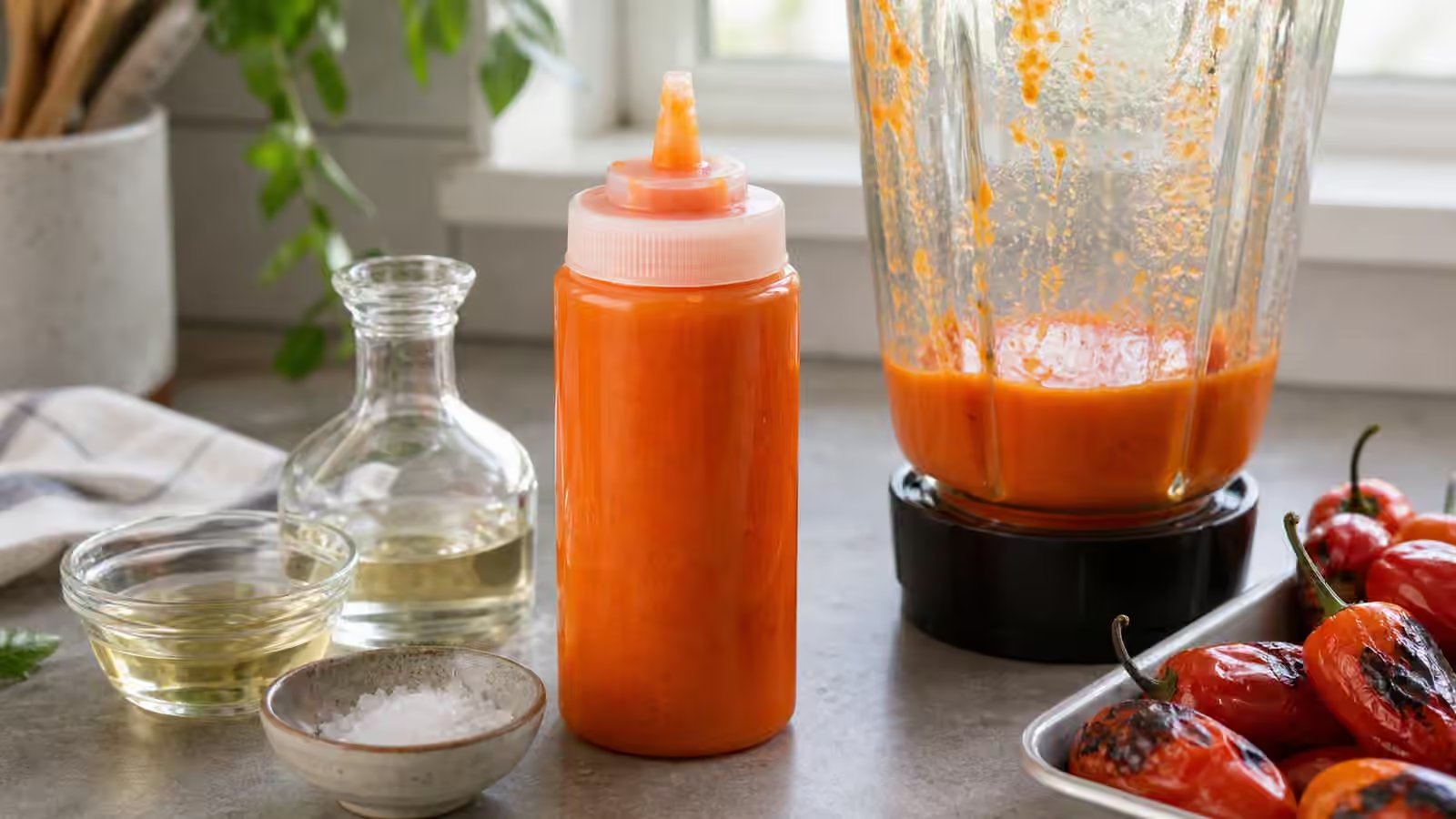
The blender is where most emulsified sauces succeed or fail. Warm, softened ingredients often blend smoother than cold raw ones. A sauce with cooked peppers, garlic, carrot, or roasted red pepper can become cohesive without much added fat because the solids are already tender. Add liquid gradually so the blade can pull the sauce into a vortex. Flooding the jar early often creates a thin sauce that never quite comes back together.
If oil is part of the plan, add it slowly while the blender is running when possible. This helps create smaller droplets and a smoother texture. A stick blender can work well for small batches because it lets you watch the texture change closely. High-speed blending can make a sauce glossy, but it can also whip in air. Fresh foam makes the sauce look thicker than it will be later, so rest it before bottling.
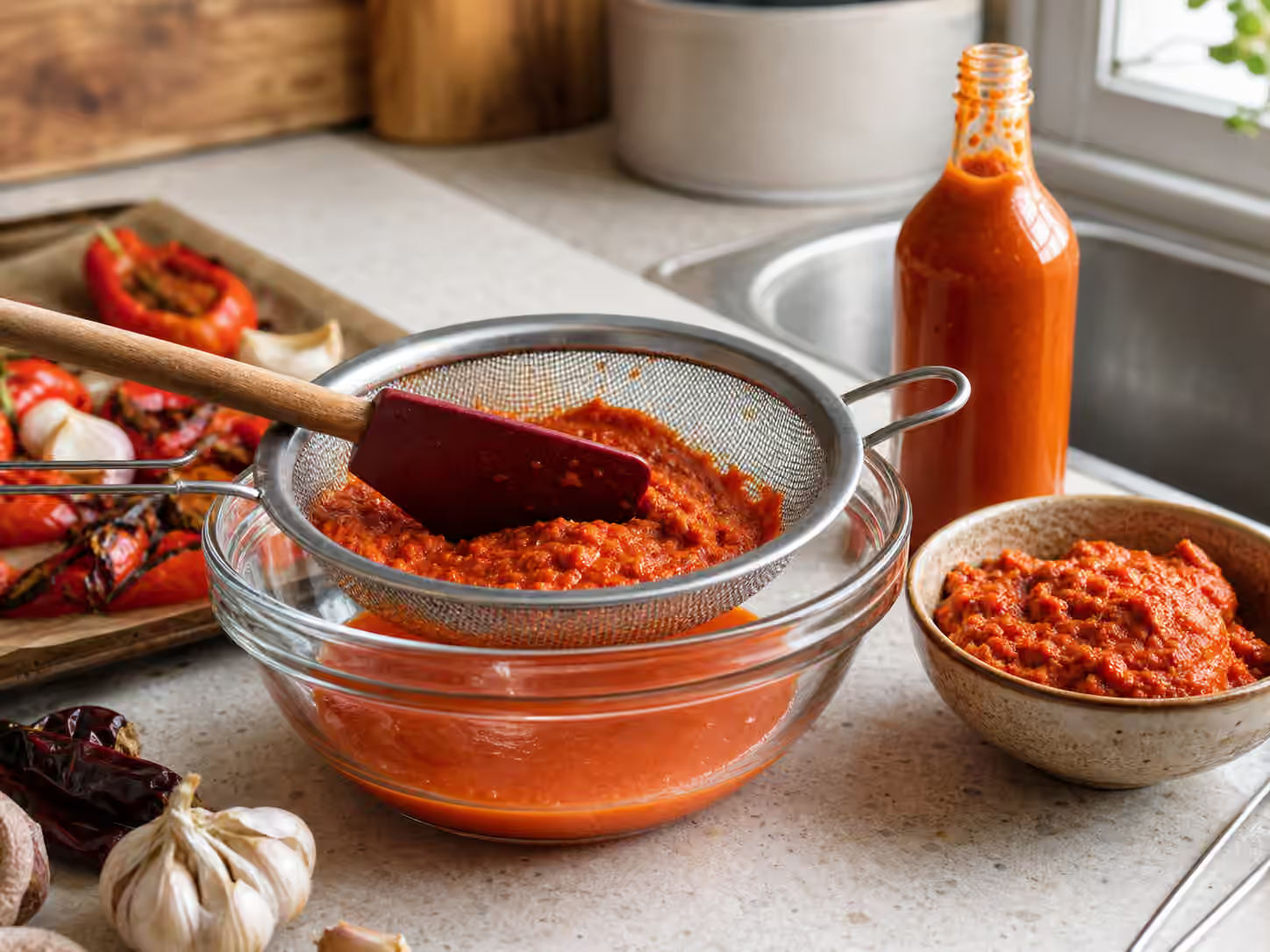
Straining changes the emulsion. A hard strain can remove the solids that were helping the sauce stay stable. A light strain can remove seed grit and tough skins while leaving enough body. If the sauce is meant to be silky, strain gently and then reblend. If it is meant to be rustic, do not polish away the character that makes it useful.
Taste After The Texture Settles
Emulsified sauces often taste less acidic than thin sauces because fat and body soften the edges. That does not mean the sauce has enough acid for storage or enough brightness for food. Taste after the sauce rests, then taste on the foods it is supposed to serve. A silky orange sauce may seem balanced on a spoon and then taste sleepy on roasted potatoes. A little vinegar, lemon, or salt can bring it back into focus.
Salt also changes when texture changes. Thick sauces can hide salt briefly and then reveal it after resting. Under-salted emulsified sauce tastes heavy because the fat has softened the acid and the pepper is not clearly defined. Add salt in small increments and wait long enough for it to dissolve. Salt Balance in Hot Sauce is especially relevant when a sauce tastes rich but vague.
Storage should stay conservative. Clean bottles, measured acidity when relevant, refrigeration, and good handling matter more when a sauce includes oil or fresh aromatics. Hot Sauce Storage and Safety gives the broader frame. An emulsion can be delicious and still belong in the refrigerator.
Choose The Right Container
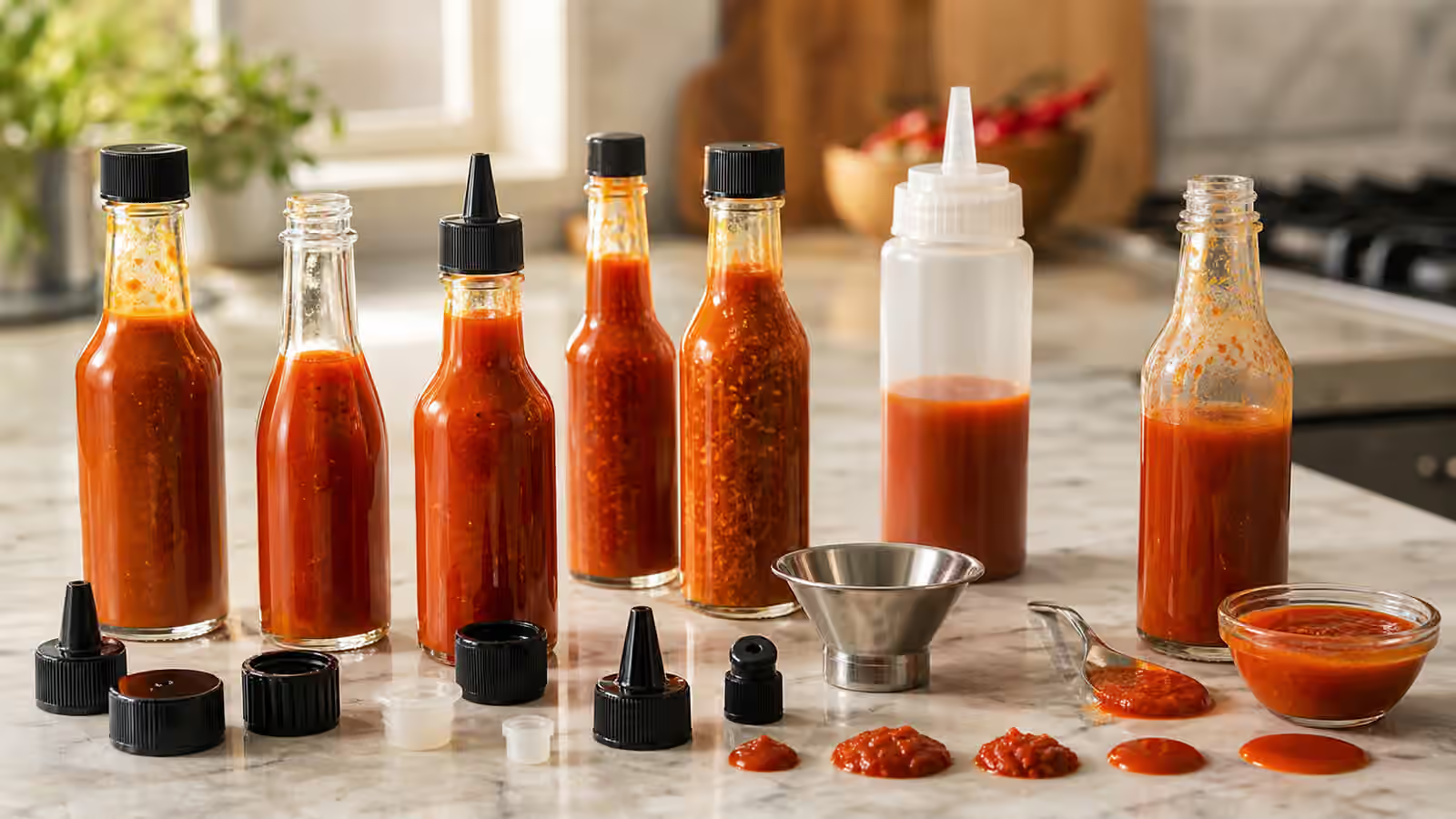
An emulsified sauce often shines in a squeeze bottle because the texture lands exactly where it is aimed. It can draw a line over eggs, tacos, vegetables, sandwiches, or rice bowls. It can also work in a jar if it is thick enough to spoon. A narrow woozy bottle may be frustrating if the sauce is too plush or contains fine pepper solids that settle near the reducer cap.
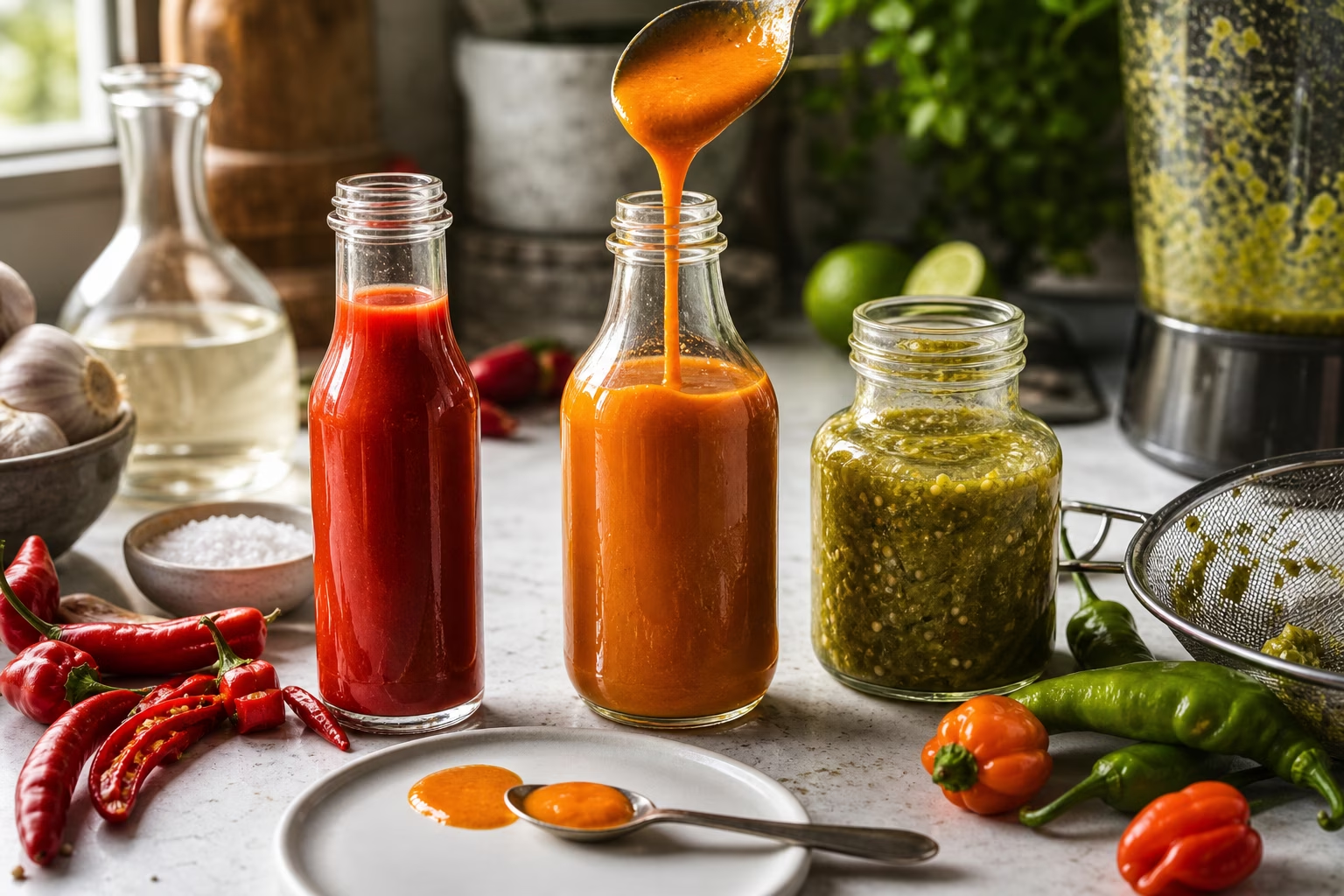
Before bottling, pour a spoonful onto a plate and tilt the plate. The sauce should move at the speed that fits its job. If it crawls, it may need thinning. If it races and leaves oil behind, it needs more cohesion. If it looks perfect but tastes dull, do not confuse texture success with flavor success. The final bottle has to do both.
The best emulsified hot sauces feel calm and deliberate. They let heat spread, help acid behave, and give the sauce enough body to stay on food. They are not better than thin sauces. They are better for certain jobs. When the texture, storage plan, and food all agree, a silky hot sauce can become the bottle people reach for because it is easy to use, not because it is the loudest thing on the shelf.