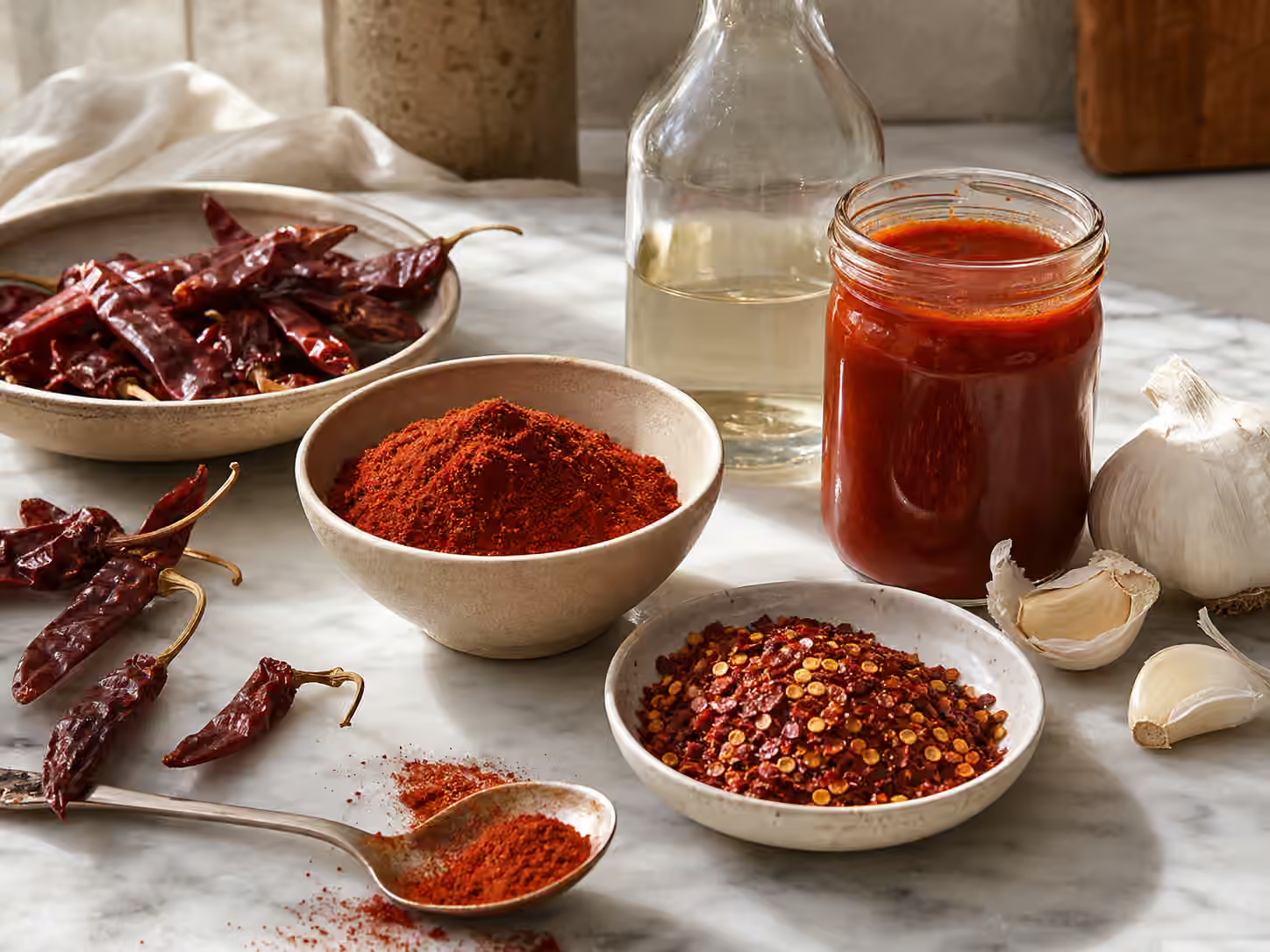
Dried Chiles in Hot Sauce
Dried chiles give hot sauce a kind of depth that fresh peppers cannot imitate. Fresh jalapeno, fresno, serrano, habanero, and Scotch bonnet can taste green, floral, grassy, crisp, or tropical. Drying pulls a pepper in another direction. Water leaves, sugars concentrate, skins toughen, color darkens, and the aroma moves toward raisin, tobacco, berry, leather, smoke, earth, or warm spice depending on the chile. A sauce built with dried ancho will not behave like a sauce built with ripe poblano, even though they are related. The dried pod brings its own architecture.
That depth is useful, but it is not automatic. Dried chiles can make a sauce taste rounded and savory, or they can make it taste dusty, bitter, and flat. The difference is usually not a secret ingredient. It is the condition of the pods, the way they are toasted, how they are rehydrated, and whether the finished sauce has enough acid, salt, and fresh contrast to keep the dried flavor from becoming heavy. Dried chile hot sauce is less about chasing maximum heat and more about building a base note that can carry heat gracefully.
If you are still learning how pepper choice shapes a bottle, read Choosing Peppers for Hot Sauce first. This page assumes you already know the general role of chile variety and focuses on the different behavior that appears once the peppers are dried.
Start With Flexible, Fragrant Pods
Good dried chiles should still feel alive. They may be wrinkled, dark, and dry, but they should not be brittle like old leaves unless the variety is naturally thin. A pliable ancho, guajillo, pasilla, morita, or cascabel usually signals better storage and more remaining aroma. When you bend the pod, it should flex before it cracks. When you open the bag or jar, the smell should be clear. Some chiles smell fruity, some smell smoky, some smell earthy, but they should not smell stale, cardboard-like, musty, or faintly rancid.
Color matters too, though it changes by variety. A good guajillo often looks shiny and red-brown. An ancho can be dark mahogany, almost black in places, but still glossy. A dried chipotle or morita may be smoky and leathery. Faded pods can still add heat, but they often lack the aroma that makes dried chile sauce worth making. If the pod smells dull before it goes into the pan, vinegar and garlic will not restore what age has taken away.
This is one reason dried chile sauces reward smaller batches. A few excellent pods can give a pint of sauce real character. A large bag of tired chiles can make a quart of sauce that tastes broad but empty. Buy only what you will use within a reasonable stretch, keep the pods sealed away from heat and light, and trust your nose before you trust a recipe.
Heat Is Only Part Of The Selection
Dried chiles are often chosen by flavor family rather than heat level. Ancho is broad, sweet, and raisiny, with mild warmth. Guajillo is brighter, smoother, and more red-fruited. Pasilla can lean dark, earthy, and bittersweet. Chile de arbol is lean, hot, and direct. Morita and chipotle bring smoke, though morita often tastes fruitier and less blunt than the driest chipotle styles. These are general impressions, not rigid rules, but they help you decide which pod should lead the sauce.
A useful dried chile sauce often combines a deep chile with a sharp chile. Ancho can provide body while arbol gives a clean burn. Guajillo can provide color and brightness while morita adds smoke. Pasilla can give darkness while a fresh or roasted red pepper softens the edges. The blend should have a clear first impression. If every dried chile in the pantry goes into the blender, the result often tastes muddy because each pod is pulling the sauce toward a different kind of depth.
The fresh-versus-dried decision also changes the way heat lands. A fresh habanero sauce may smell floral before the burn rises. A dried arbol sauce can feel faster and narrower because the pepper has less juicy aroma around it. Dried chile heat often needs body from softened pods, roasted vegetables, tomato, carrot, onion, or fresh pepper flesh so the sauce does not taste like hot acid poured over powder. The body question connects directly to Hot Sauce Texture and Body , especially when a dried chile sauce starts smooth but becomes grainy after resting.
Toast Lightly, Then Stop
Toasting dried chiles is powerful because the pods are concentrated. A few seconds in a dry pan can wake up nutty, fruity, and smoky aromas. A few seconds too long can turn that same pod bitter. The goal is not to roast dried chiles the way you would blister fresh peppers. The goal is to warm the oils and deepen the aroma without scorching the skin.
Use moderate heat and stay close. Press a seeded, opened pod against the pan just until it becomes more fragrant and slightly more flexible. It may darken a shade, but it should not blacken. Small thin chiles can cross the line quickly, so they need less time than broad pods. If a chile smokes aggressively or smells acrid, it has moved from toasted to burned. One burned pod can make a whole sauce taste harsh because the bitterness disperses through every spoonful.
This is where dried chile technique differs from the new guide on Roasting Peppers for Hot Sauce . Fresh peppers can tolerate blistered skin when the sauce wants char. Dried chiles already have concentrated skins, seeds, and sugars. Heavy blackening does not add the same kind of fresh fire note. It usually adds bitterness, especially once vinegar exposes it.
Rehydration Builds The Blending Liquid
After toasting, dried chiles need water. Warm water softens the skins, loosens the flesh, and creates a chile tea that may or may not belong in the finished sauce. The soaking liquid is not neutral. It can taste fruity, smoky, and useful, or it can taste tannic and bitter. Taste it before using it. If it tastes clean, it can thin the sauce while preserving chile identity. If it tastes harsh, use only the softened pods and thin with vinegar, fresh water, roasted pepper liquid, fermentation brine, or another liquid that fits the sauce.
The soaking time does not need to be dramatic. Many pods soften enough in warm water by the time the rest of the ingredients are ready. Very leathery chiles may need longer. The practical test is texture. A softened chile should tear easily and blend without leaving large flakes of skin. If it resists the blender, the finished sauce may taste dusty even if the flavor is good.
Seeds and ribs deserve attention before soaking. Dried seeds can bring heat, but they can also bring bitterness and a rough texture. Removing most of them gives you more control. If you want more heat, it is usually cleaner to add a hotter chile such as arbol than to leave a large amount of old seed in the blend. The sauce will taste more like chile and less like dry pepper dust.
Give Dried Flavor A Fresh Edge
Dried chile sauces can become heavy because their best qualities are low and deep. Acid, salt, and a small amount of freshness keep that depth usable at the table. White vinegar can make an arbol or guajillo sauce feel direct and bright. Apple cider vinegar can round ancho, morita, roasted garlic, and carrot. Lime can lift a darker sauce when used as a finishing note, though it often works better alongside vinegar than as the only structure for a sauce you plan to keep.
Salt is just as important. Under-salted dried chile sauce tastes flat in a distinctive way: hot, brown, and indistinct. Add enough salt and the fruit, smoke, and earth begin to separate. Too much salt, though, makes dried chile bitterness more obvious. Adjust in small passes after the pods are fully blended, then taste with food rather than judging only from a spoon. The salt logic in Salt Balance in Hot Sauce applies strongly here because dried chiles can hide seasoning until the sauce sits.
Fresh contrast can come from a little raw garlic, a squeeze of citrus, fresh ripe peppers, roasted tomato, cilantro stems, scallion, or a modest amount of fruit. The key is restraint. A dried ancho and guajillo sauce with a little roasted tomato may taste complete. Add too much fruit, smoked paprika, cumin, and raw garlic, and the chile base becomes background. Aromatics and Spices in Hot Sauce is useful here because dried chile sauces are especially vulnerable to over-seasoning. They already have spice-like complexity before the spice drawer opens.
Decide Whether The Sauce Is A Base Or A Bottle
Some dried chile sauces are best as table sauces. They pour easily, taste bright enough to use in drops, and bring a clear chile flavor to eggs, tacos, beans, roasted vegetables, grilled meat, and soups. Others behave more like cooking bases. They are thicker, darker, and better stirred into beans, braises, marinades, stews, or pan sauces where heat and liquid can open them further. Both can be excellent, but they should not be confused.
A table sauce needs a cleaner pour. Blend longer than you think, rest the sauce, then decide whether it needs partial straining. Full straining can make a dried chile sauce elegant, but it can also remove the body that keeps acid from tasting exposed. Partial straining is often better: strain some of the batch, stir it back into the unstrained portion, and let the texture land between smooth and substantial. If the sauce thickens after a day, thin it with a liquid that belongs to the flavor rather than reaching automatically for more vinegar.
A cooking-base sauce can stay denser. It may not need to pass neatly through a narrow bottle, and it can tolerate more chile pulp because it will be diluted by food. The caution is storage and labeling. A thick dried chile concentrate can look like a finished condiment while behaving like an ingredient. Date it, refrigerate it unless you have a validated process for shelf storage, and read Hot Sauce Storage and Safety if the plan is to keep or gift homemade sauce.
Pair Around The Dark Notes
Dried chile sauces pair beautifully with foods that can meet their depth. Beans, lentils, eggs, grilled chicken, pork, roasted mushrooms, winter squash, potatoes, corn, cheese, and browned onions all give the sauce a place to land. A guajillo-arbol sauce can make a fried egg and tortilla taste complete. An ancho-morita sauce can make beans feel slow-cooked even when dinner is moving quickly. A pasilla-forward sauce can bring darkness to roasted vegetables without needing much sweetness.
Delicate foods need a lighter hand. Fresh fish, tender herbs, mild salads, and simple steamed vegetables can be overwhelmed by dried chile bitterness or smoke if the sauce is too dark. That does not mean dried chiles cannot work there. It means the sauce needs a brighter acid line, a thinner texture, or a fresher chile in the blend. The broader habit is the same one described in Sauce Pairing : match the sauce’s structure to the food instead of matching only the heat level.
The best dried chile hot sauces do not taste like nostalgia for a spice cabinet. They taste like peppers that have been concentrated, awakened, softened, and then brought back into balance. The pod gives the bottle depth, but the maker still has to decide how much toast, how much soak, how much acid, and how much fresh contrast the sauce can carry. When those decisions line up, dried chiles give hot sauce a long finish: not just burn, but warmth, color, and a flavor that keeps arriving after the first spark fades.