Cooking With Hot Sauce
Hot sauce is usually treated as a finishing move. A few drops land on eggs, beans, tacos, fried chicken, noodles, soup, or rice after the food is already cooked. That is still one of its best uses. A finished sauce has volatile aroma, clean acid, and a direct burn that can wake up a plate in seconds. But hot sauce can also be an ingredient. It can season a marinade, sharpen a pot of beans, glaze roasted vegetables, brighten pan sauce, or give a braise a slow chile background.
Cooking with hot sauce asks for a different mindset than shaking it over the plate. Heat changes aroma. Sugar can scorch. Vinegar can concentrate. Garlic can become louder or disappear. A sauce that tastes balanced cold may become harsh after a long simmer, while a sauce that seems too sharp from the bottle may be perfect when it meets fat, starch, and salt. The goal is to use hot sauce where its acid, salt, pepper flavor, and heat actually help the dish.
If you mostly want to match finished sauces with finished food, Sauce Pairing and Hot Sauce for Every Dish are the better starting points. This guide is about what happens before the food reaches the table.
Add Early For Background, Late For Brightness
Timing decides what kind of heat you get. Add hot sauce early in cooking and it becomes part of the dish’s background. The vinegar softens into the liquid, the pepper aroma spreads, and the burn becomes less pointed. This works well in beans, stews, braises, chili, tomato sauces, and long-cooked greens. The sauce seasons the pot rather than sitting on top of it.
Add hot sauce late and it stays brighter. The vinegar aroma remains clearer, the pepper tastes fresher, and the burn arrives faster. This is better for scrambled eggs, fried rice, pan sauces, soups just before serving, roasted vegetables after they leave the oven, and anything where the sauce’s personality should be obvious. A fermented habanero sauce added at the end will taste more alive than the same sauce boiled for half an hour.
There is no universal best moment. A gumbo, bean pot, or tomato braise may benefit from a small early addition and a final splash at the table. The early addition gives depth. The late addition gives lift. Think of timing as a way to place heat in the bite.
Marinades Need More Than Heat
Hot sauce can make a good marinade, but only when it is supported. Vinegar and salt help season the surface of meat, tofu, mushrooms, or vegetables. Pepper solids bring flavor. Garlic, onion, fruit, or spices in the sauce can point the dish in a specific direction. The mistake is assuming hot sauce alone can do everything. A marinade still needs enough fat, salt, aromatics, and time for the food in front of you.
Very acidic marinades can change texture if food sits too long, especially delicate fish or thin chicken pieces. Thicker cuts and sturdy vegetables are more forgiving. For quick cooking, a short rest with hot sauce, oil, and a little extra salt can be enough. For longer marinating, use hot sauce as one part of the mixture rather than the entire liquid. Taste the marinade before it touches raw food so you understand the salt and acid balance.
Sweet fruit sauces deserve care. A mango habanero sauce may be excellent with grilled chicken, but the sugar in the fruit can brown quickly. That is useful near the end of cooking and risky at the beginning. Fruit and Sweetness in Hot Sauce covers the sweetness side of this problem. In the pan, sweetness is not only flavor. It is behavior under heat.
Glazes Should Land Near The End
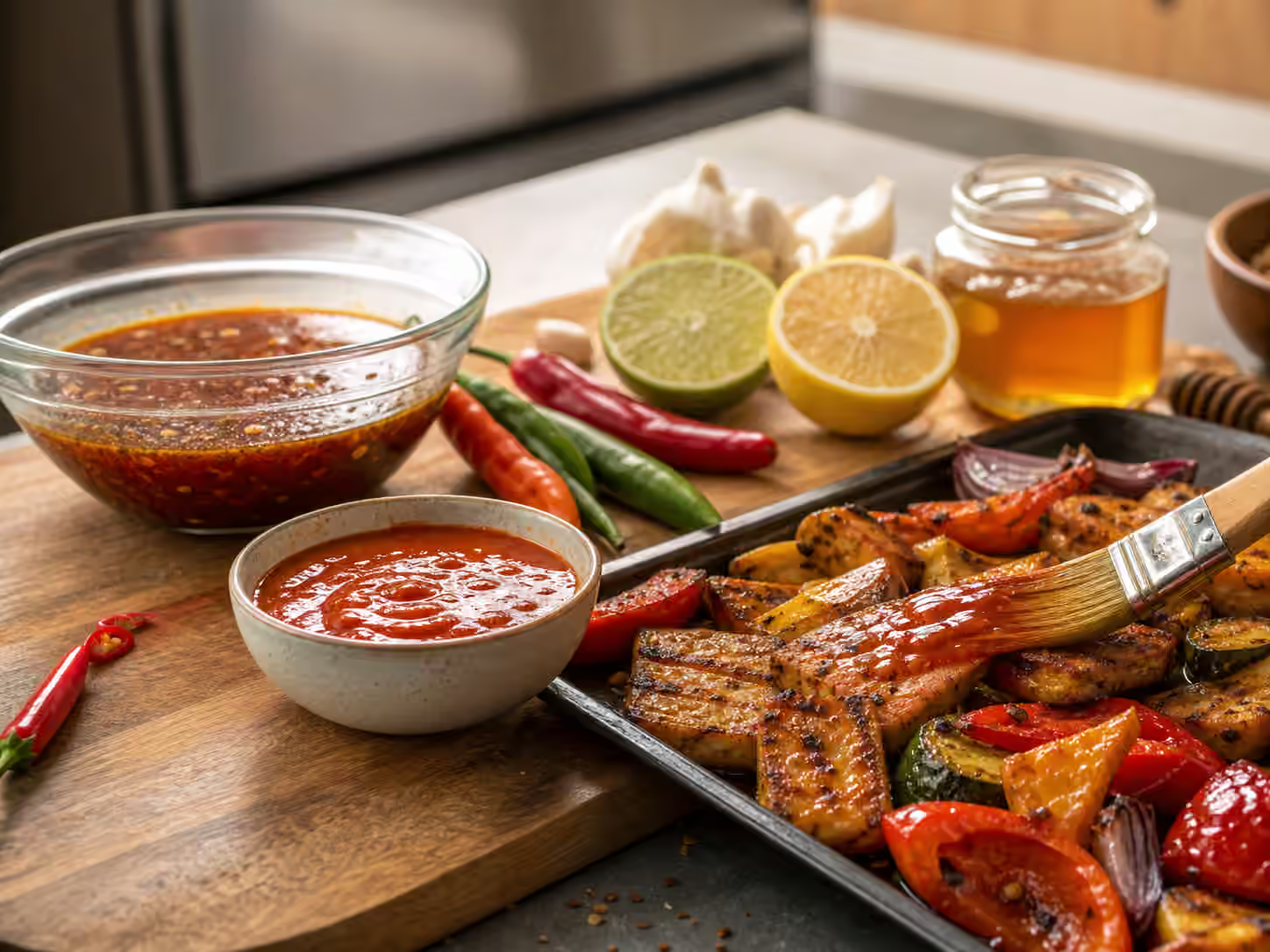
A glaze is different from a marinade. It is meant to coat, shine, and cling. Hot sauce becomes a glaze when it is mixed with something that helps it stick: honey, syrup, reduced cooking juices, butter, oil, fruit puree, or a thick pepper base. This can be excellent on roasted carrots, wings, ribs, mushrooms, tofu, cauliflower, squash, salmon, or grilled chicken. It can also burn if applied too early over high heat.
The safer move is to cook the food most of the way, then brush or toss with the hot sauce glaze near the end. Let it set for a few minutes, turn the food, and add a second light coat if needed. You want the glaze to tighten and shine, not blacken into bitterness. If the sauce is already smoky or roasted, extra burning will make it taste flat and ashy.
Texture matters here. A thin vinegar sauce may run off grilled vegetables unless it is mixed with oil or reduced slightly. A thick fruit sauce may cling beautifully but taste too sweet unless vinegar or lime keeps it awake. A fermented sauce may bring savory depth but lose some of its aroma if cooked hard. Hot Sauce Texture and Body helps explain why some bottles glaze naturally and others behave more like seasoning vinegar.
Soups, Beans, And Braises Like Small Repeated Additions
Long-cooked dishes are forgiving, but they can swallow hot sauce. Beans, lentils, stews, braised greens, tomato soups, and meat braises have starch, fat, protein, and liquid that absorb heat. A spoonful that seems intense at the start may taste faint after an hour. Instead of dumping in a large amount, add a modest amount early, let the dish cook, then taste near the end.
The second addition should answer what the dish needs. If the pot tastes deep but sleepy, add a brighter vinegar sauce. If it tastes acidic but thin, add a thicker pepper sauce or a small amount of roasted chile paste. If it tastes hot but not seasoned, salt may be the missing piece. Heat can distract from salt, but it cannot replace it. A bean pot with enough salt and a little hot sauce often tastes spicier and clearer than one with twice as much sauce and not enough seasoning.
Dried chile sauces are especially good in cooked dishes because their earthy depth holds up. A guajillo, ancho, chipotle, or pasilla-based sauce can behave almost like a seasoning paste when stirred into beans or braises. Dried Chiles in Hot Sauce is useful if you want that deeper register without turning every dish smoky.
Eggs And Quick Pans Need Gentle Heat
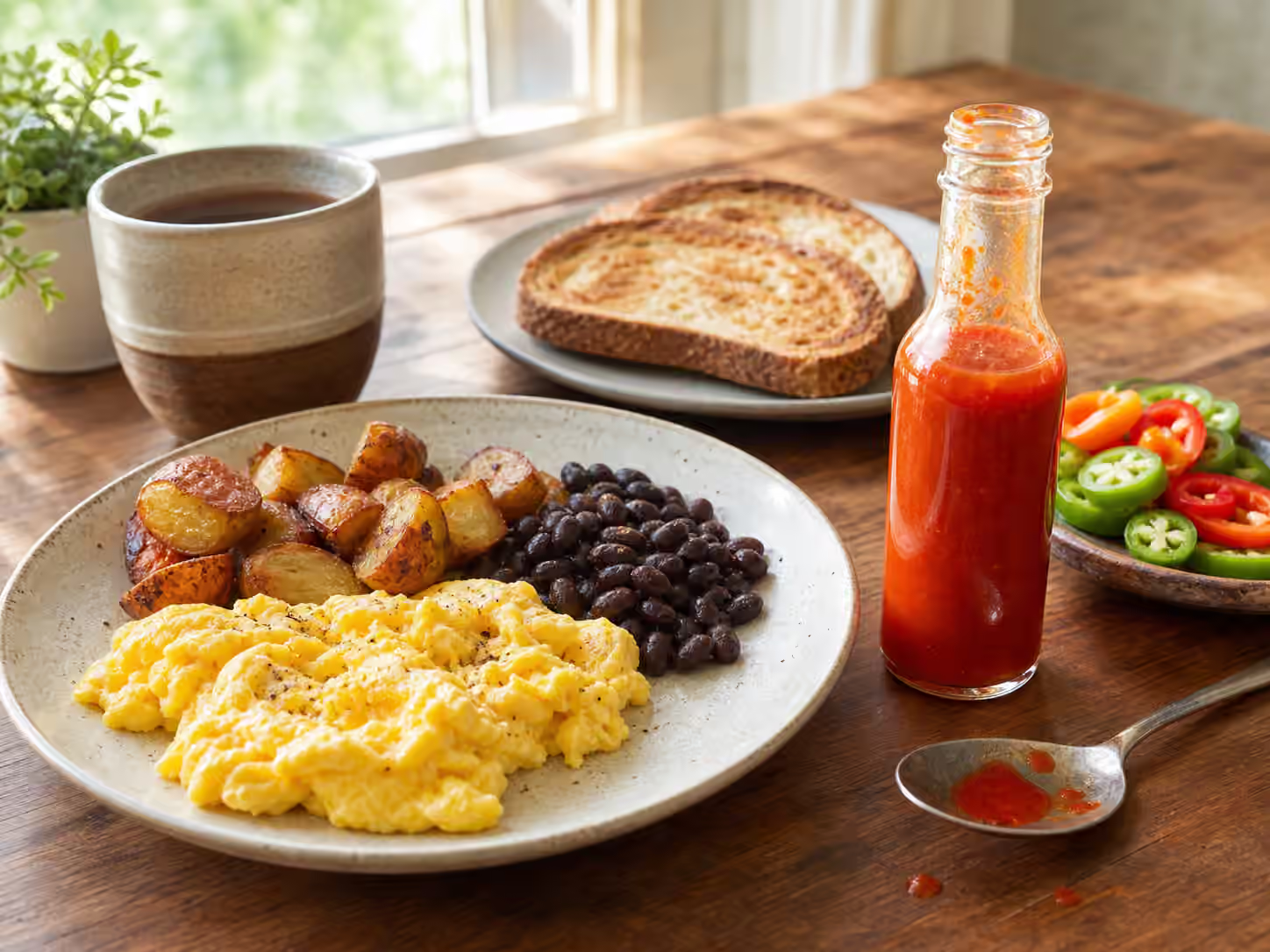
Eggs show hot sauce clearly because they are rich, mild, and fast. A few drops in scrambled eggs before cooking can season the curds from within, but too much acid can make the mixture taste sharp or watery. A better approach is often to whisk in a small amount, cook gently, then finish with more sauce at the table. The cooked-in portion gives background warmth. The finishing portion keeps the sauce vivid.
Quick pans behave the same way. Fried rice, noodles, sauteed greens, leftover grains, and skillet potatoes can all use hot sauce during cooking, but the sauce should meet fat and food rather than bare scorching metal. Add it after the food is mostly hot, toss quickly, and taste. If the sauce hits the pan alone and burns, the pepper can turn bitter before it seasons anything.
Butter, oil, yogurt, sour cream, mayonnaise, and tahini can all soften hot sauce for quick cooking or serving, but they change the style. A butter-hot sauce pan finish feels round and rich. A yogurt-hot sauce drizzle feels tangy and cooling. A tahini-hot sauce mixture becomes nutty and thick. These are not cheats. They are ways to decide how the heat should travel.
Do Not Waste Your Most Fragile Sauce
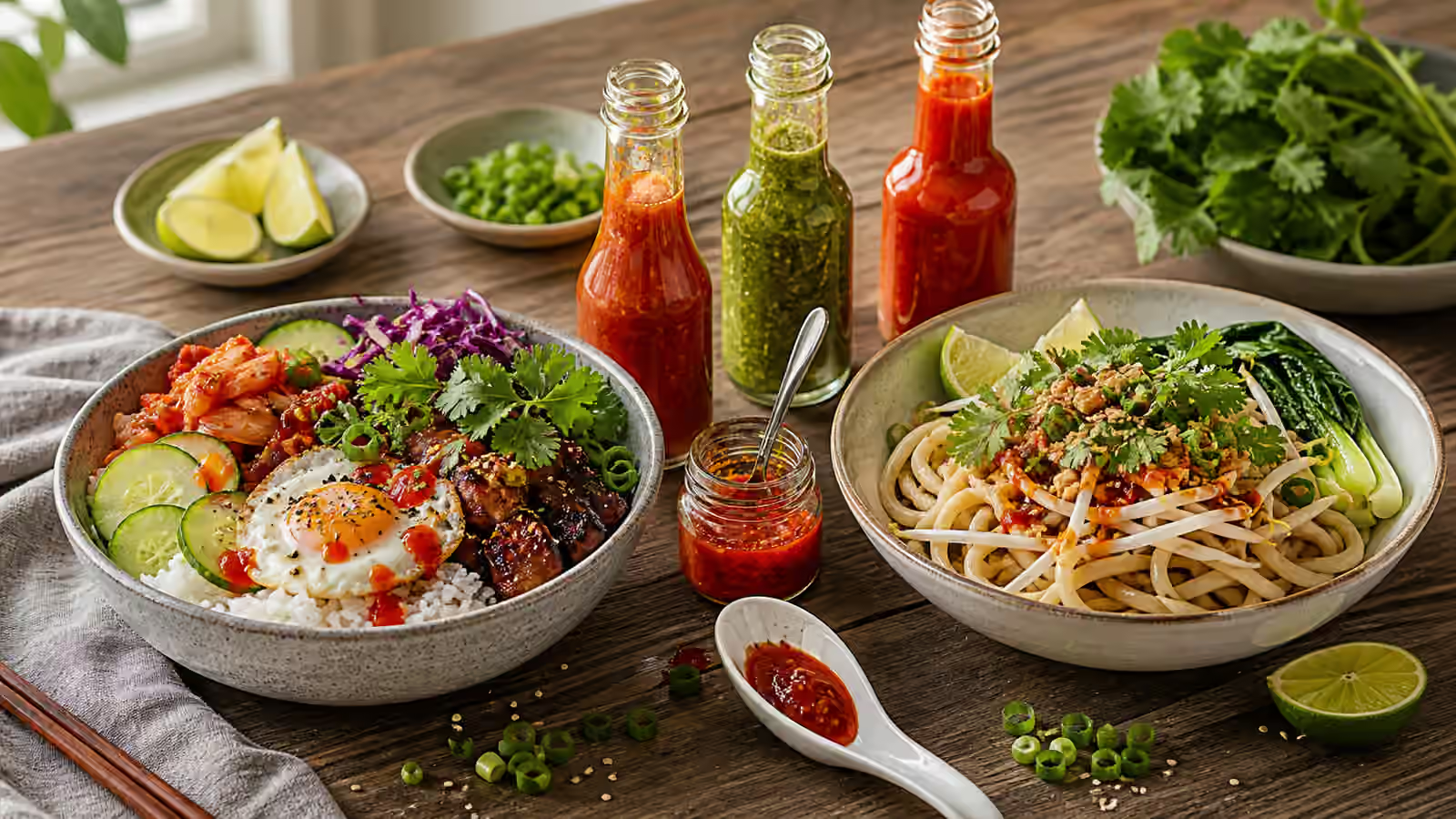
Some sauces are built for heat. Cooked red sauces, dried chile sauces, roasted pepper sauces, and sturdy vinegar sauces can handle time in a pan. Fresh green sauces, herb-heavy sauces, citrus-forward sauces, and delicate fermented sauces are often better added late or kept for the table. Their best aromas are volatile. Long cooking turns them quiet.
This does not mean fresh sauces never enter cooked food. A spoonful of green hot sauce stirred into soup just before serving can be excellent. A cilantro-serrano sauce folded into warm rice can taste bright. A fermented garlic sauce whisked into a pan sauce off the heat can make everything deeper. The key is to protect the qualities that made the sauce worth using in the first place.
When you make a new batch, taste it warm and cold. Put a spoonful in a small pan with butter or oil and see what happens. Stir another spoonful into cooked beans. Brush a little on roasted vegetables for the last five minutes. These small tests tell you whether the sauce wants to be cooked, finished, or left alone until the plate.
Cook With A Purpose
Hot sauce brings four main tools to cooking: acid, salt, pepper flavor, and heat. Sometimes you need all four. Sometimes you only need one. If a stew is rich but dull, the acid may matter more than the burn. If roasted vegetables are sweet, the chile may be the point. If a pan sauce tastes flat, salt and vinegar from the hot sauce may do the work together. If a marinade tastes exciting but the cooked food tastes muted, the sauce may need a late addition instead of a larger early one.
The best cooked uses of hot sauce do not taste like someone emptied a bottle into the pan. They taste seasoned. The sauce becomes part of the dish while still leaving a trace of its pepper character. Start small, taste on the food, and decide whether the sauce should become background warmth, glossy glaze, or final brightness. Hot sauce is a condiment, but in the kitchen it can also be a cook’s shortcut to acid, heat, and focus.