Cleaning Bottles and Equipment for Hot Sauce
Cleaning is not the glamorous part of hot sauce, but it is where many good batches are protected or quietly damaged. Peppers, garlic, fruit, brine, vinegar, oil, and spices all cling to tools. A blender gasket can hold old aroma. A funnel can hide dried pulp. A bottle that looks clean can still smell like the last sauce. Good cleaning does not make a homemade sauce shelf-stable by itself, but it keeps the flavor honest and supports the storage decisions you make later.
This guide belongs beside Hot Sauce Storage and Safety and Bottling Hot Sauce for the Table . Storage depends on acidity, salt, refrigeration, process, and judgment. Bottling depends on texture and serving. Cleaning is the baseline habit underneath both. It is not a promise of preservation. It is the difference between working cleanly and asking a finished sauce to overcome residue.
Clean Before You Think About Sanitizing
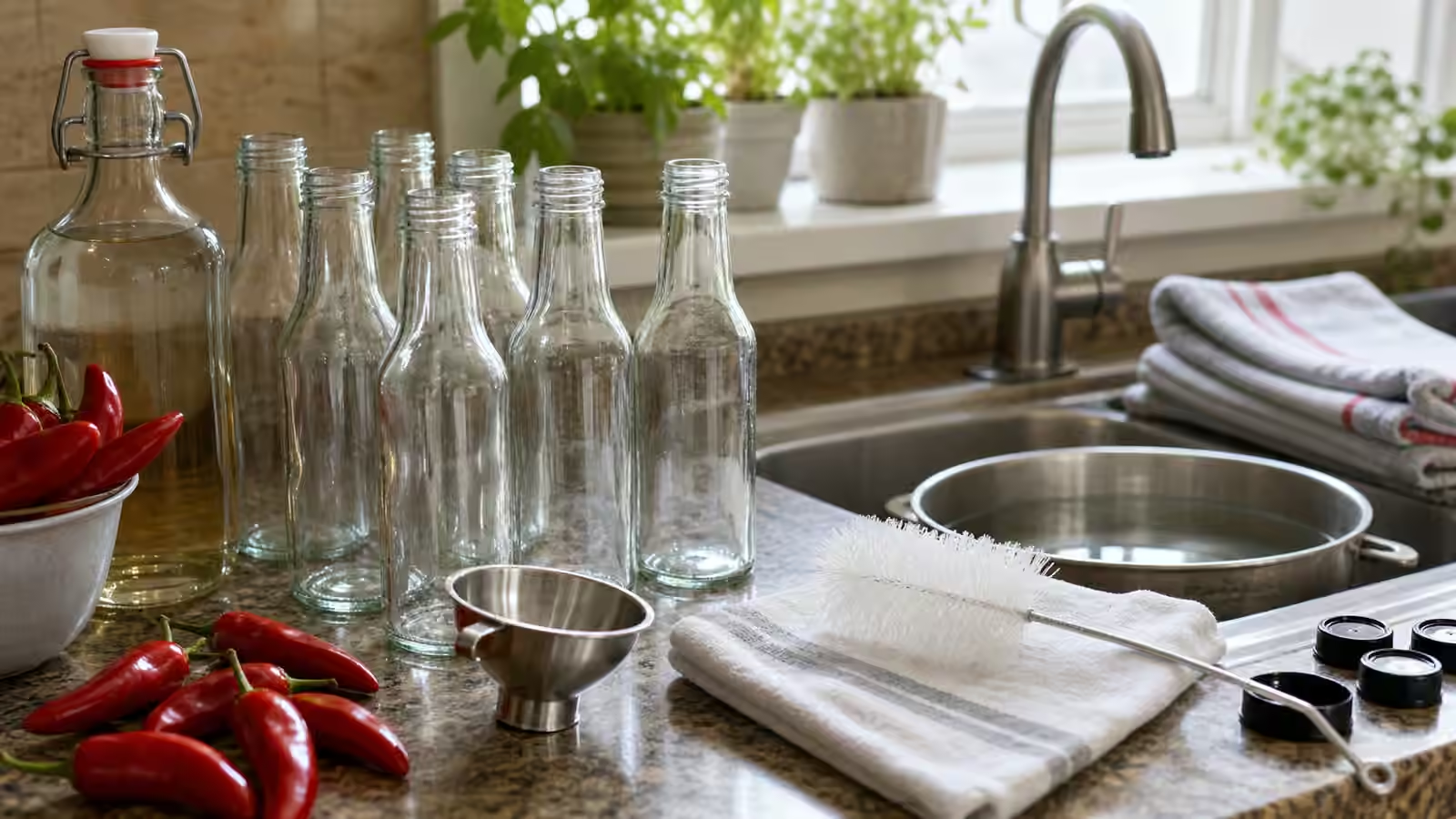
Sanitizing dirty equipment is a weak shortcut. Food residue protects microbes, traps odor, and interferes with heat or sanitizing solution. The first job is ordinary cleaning: remove pulp, seeds, oil, labels, dust, and dried sauce. Warm water, dish soap, a bottle brush, and patient rinsing solve more problems than dramatic last-minute boiling.
Bottles deserve special attention because their shoulders and necks hide residue. A narrow hot sauce bottle can look clear while a ring of pulp clings near the reducer cap line. Soak bottles soon after emptying them if they will be reused. Use a brush that reaches the bottom and the shoulder. Rinse until the water runs clean and the bottle no longer smells like soap, vinegar, garlic, or old pepper.
Funnel stems, squeeze bottle tips, caps, reducer inserts, blender lids, rubber gaskets, and jar threads are just as important as the visible bottle. These small parts often hold the strongest odors. Garlic and fermented pepper brine are persistent. If the gasket smells like last month’s sauce, a delicate green batch can inherit that smell before it reaches the table.
Separate Pepper Oil From General Kitchen Cleanup
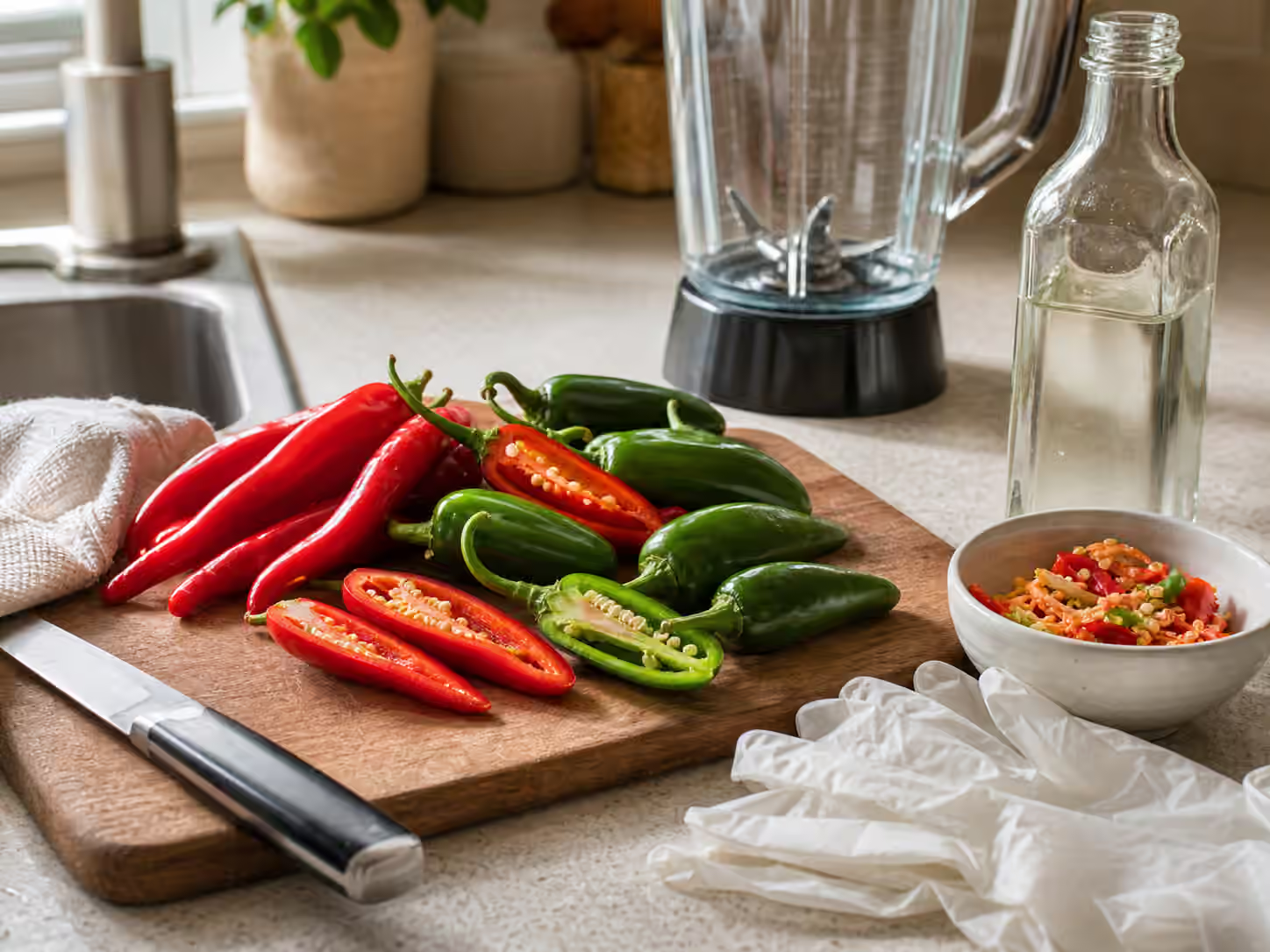
Capsaicin travels on hands, towels, cutting boards, and sponge surfaces. A sponge used to scrub superhot pepper residue can make the next dishwashing round unpleasant. Gloves help during prep, but cleanup needs the same attention. Wash knives, boards, blender parts, and counters with soap before pepper oil dries. Rinse with plenty of water. Keep hot pepper towels separate from face towels, baby items, or anything that might touch eyes.
This is ordinary kitchen discipline, not alarm. The goal is to avoid surprise transfer. A cutting board that handled habaneros can make a cucumber taste faintly hot. A blender lid with pepper oil in the gasket can sting later when someone handles it casually. If you are working with very hot peppers, read Superhot Peppers With Restraint for the broader habit of keeping intensity controlled from prep to serving.
Oil-enriched sauces need extra cleanup because fat holds aroma and clings to plastic. Wash oily tools promptly with enough soap to break the film. If a plastic squeeze bottle or lid keeps smelling like garlic, smoke, or chile oil after washing, retire it from delicate sauces. Reuse is practical, but not when the container starts seasoning every batch without permission.
Heat Helps, But It Is Not Magic
Hot water can help clean bottles, loosen labels, and warm glass before filling, but heat should not be treated as a universal safety spell. Boiling a bottle does not fix a sauce with uncertain acidity. Pouring hot sauce into a warm bottle does not automatically make it shelf-stable. Heating tools is useful only as one part of a clean process.
Glass tolerates heat better than many plastics, but sudden temperature changes can crack glass. Warm bottles gradually rather than shocking cold glass with boiling water. Caps, reducer inserts, and squeeze bottles may deform under high heat, so follow the material’s limits. If a cap warps, the seal and pour can become unreliable. A damaged cap is not worth saving.
For home batches, it is often more practical to clean thoroughly, use bottles in good condition, fill carefully, wipe rims, cap cleanly, and refrigerate when the sauce is not part of a tested shelf-stable process. If you measure pH, do it with clean sampling habits. pH Testing Homemade Hot Sauce explains why dipping a probe or strip directly into a storage bottle is a poor habit.
Match The Bottle To The Sauce Before Filling
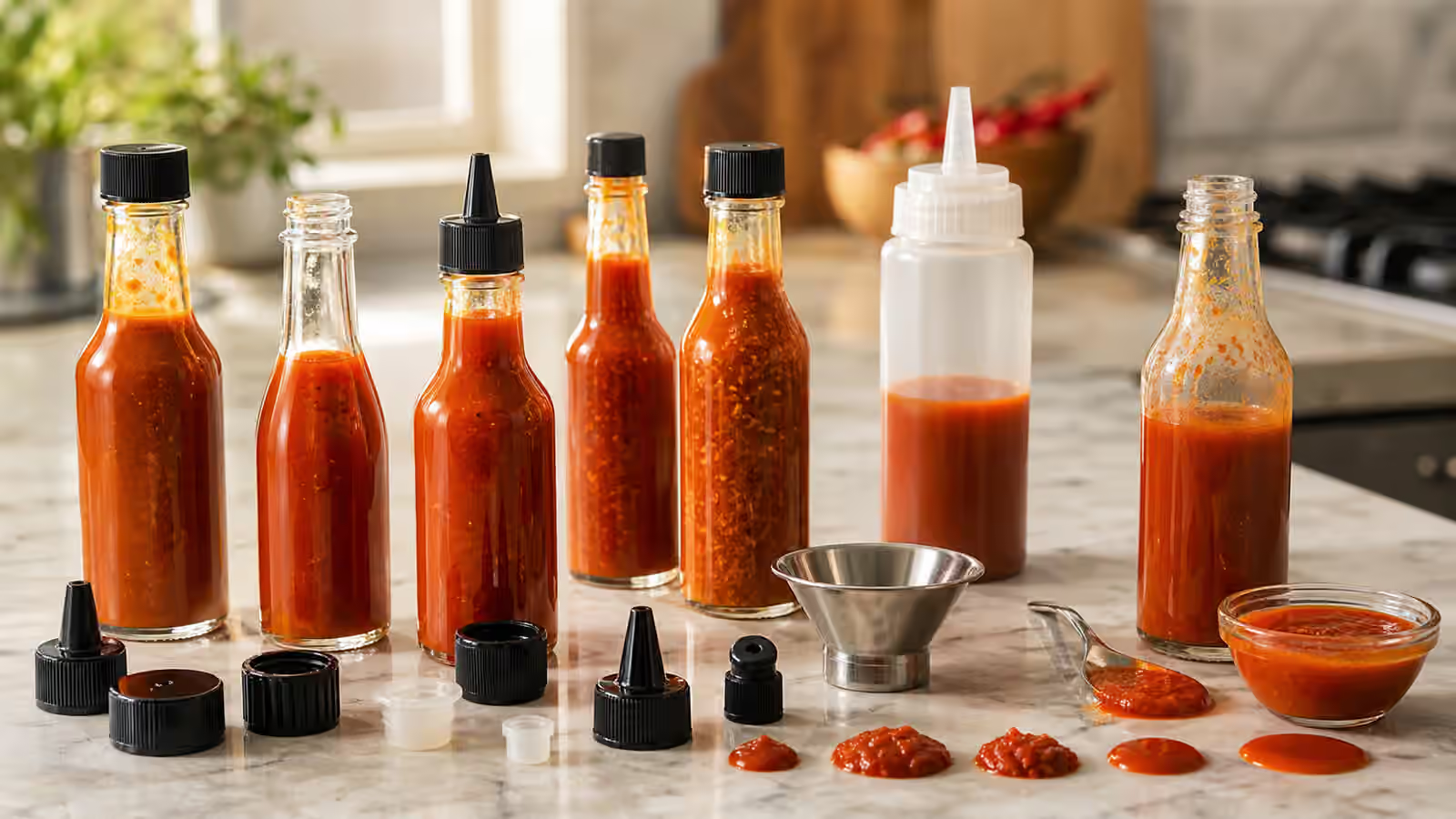
Cleaning is easier when the container fits the sauce. A smooth vinegar sauce can live in a narrow bottle with a reducer cap. A rustic sauce with seeds, herbs, fruit fiber, or dried chile fragments may be better in a jar or squeeze bottle. If you force a chunky sauce into a narrow neck, cleaning and serving both become worse. The bottle clogs, people shake harder, sauce dries in the cap, and the next cleaning round becomes a chore.
Inspect the sauce before choosing the container. Does it separate quickly? Does it have visible seeds? Does it cling like a condiment? Does it need stirring? These questions are not only aesthetic. A sauce that needs stirring belongs in a container that allows stirring. A sauce that leaves pulp in a reducer cap wastes flavor and creates residue. Hot Sauce Texture and Body helps connect texture to serving before the funnel comes out.
Leave enough headspace to cap cleanly, and wipe the rim if sauce touches it. A sticky rim can interfere with the cap and attract dried sauce around the threads. After filling, check the outside of the bottle. A clean bottle should not carry pepper oil down the sides. This matters for both handling and presentation.
Keep Tools Organized During The Batch
Hot sauce making often creates a messy sequence: raw peppers, cooked peppers, fermented mash, vinegar, blender, strainer, funnel, bottles, tasting spoons. The easiest way to stay clean is to keep the flow simple. Dirty tools move away from the clean filling area. Clean bottles stay covered or inverted until needed. Tasting spoons do not return to the blender after touching mouths or food. Towels used for spills do not become bottle-polishing towels.
This does not require restaurant equipment. It requires deciding which side of the counter is clean and which side is still in prep. If a ferment is being blended, keep the jar, weights, and old brine away from freshly cleaned bottles. If a cooked sauce is cooling, keep condensation and splashes from dripping into clean containers. Small habits prevent confusion when the batch is hot, fragrant, and moving quickly.
Labels and dates also belong to cleanup. A reused bottle without a clear date becomes a mystery later. Even a small piece of tape can prevent guessing. The date does not make the sauce safe, but it gives storage decisions context. A fresh herb sauce from three days ago and a vinegar-forward cooked sauce from three weeks ago deserve different attention.
Know When Not To Reuse
Some bottles and caps are not worth rescuing. Chips around the rim, rusted caps, warped plastic, lingering rancid oil smell, cloudy residue that will not wash away, and caps that no longer tighten cleanly are all reasons to move on. A good sauce deserves a container that does not fight it. Reusing bottles is sensible when the bottle is sound, odor-free, and cleanable. It is false economy when the container damages the batch.
Caps are especially easy to underestimate. Metal caps can corrode. Plastic reducer inserts can hold old aroma. Squeeze bottle tips can split or clog. If the closure is questionable, the bottle is questionable. Hot sauce is acidic, aromatic, and often brightly colored. It will reveal weak containers quickly.
Cleaning will not replace good recipe design, measured acidity when needed, cold storage, or a tested preservation method. What it does is remove avoidable problems. A clean blender lets garlic taste intentional. A clean funnel keeps old smoke out of a fresh green sauce. A clean bottle lets the finished hot sauce taste like the batch you made, not the last three batches that passed through the same tools.
The final habit is simple: finish the batch by cleaning for the next one. Rinse before residue dries, disassemble what can be disassembled, dry thoroughly, and store bottles where dust and kitchen odors will not settle inside. The next sauce starts cleaner because the last one ended properly.