
Choosing Peppers for Hot Sauce
The pepper is not just the heat source in hot sauce. It is the main ingredient, the color, the aroma, the texture, and often the difference between a bottle that tastes sharp for one bite and a bottle people keep using all week. Vinegar, salt, garlic, fruit, smoke, and fermentation can all shape the final sauce, but they work best when the pepper choice already points in a clear direction.
This is why pepper selection deserves its own moment before the cutting board comes out. Two peppers with similar heat numbers can produce very different sauces. Serranos and cayennes may both bring a clean burn, but one tends to taste green and grassy while the other leans bright, red, and direct. Habaneros and Scotch bonnets both burn hot and aromatic, yet they can push a sauce toward tropical fruit, flowers, or savory warmth depending on ripeness and what you put beside them. Dried anchos, guajillos, and chipotles can make a sauce taste deep before any spice cabinet gets involved.
If you need a basic heat ladder, start with the Scoville Scale Guide . The scale is useful because it keeps you from accidentally building a sauce around more fire than you wanted. This guide begins where the number stops helping. Once you know roughly how hot a pepper is, the more useful questions are how it smells, how thick its walls are, how ripe it is, what color it will give the sauce, and what kind of food you imagine pouring it on.
Heat Is Only The First Filter
Heat matters, but it is a blunt filter. It tells you how much burn a pepper may bring, not whether the sauce will taste good. A jalapeno can taste green, snappy, and familiar. A ripe red jalapeno can taste softer and fruitier. A smoked ripe jalapeno, which becomes chipotle, tastes like an entirely different ingredient. Treating all three as the same pepper because they come from the same plant would miss the point.
For a first homemade sauce, it is usually better to choose a pepper that leaves room for tasting. A sauce built entirely from very hot peppers can be exciting, but it can also make every adjustment harder. If the burn arrives before the flavor, you may keep adding vinegar, salt, or sweetness just to make the sauce manageable. That can turn a promising batch into a thin, sour, sweet, or muddy bottle. When you want intensity, consider blending a very hot pepper with a milder one that has good body and color. Habanero with carrot and ripe fresno can stay vivid without becoming a punishment. Ghost pepper with roasted red pepper can deliver a serious burn while still giving the sauce something to taste besides heat.
This is the same thinking behind Heat Tolerance and Balance . The goal is not to prove that a sauce can be hot. The goal is to make heat readable enough that the pepper flavor stays present. A sauce that lets you taste the first bite, the fifth bite, and the food underneath is usually more useful than one that wins the first spoonful and loses the meal.
Green Peppers Taste Like Freshness
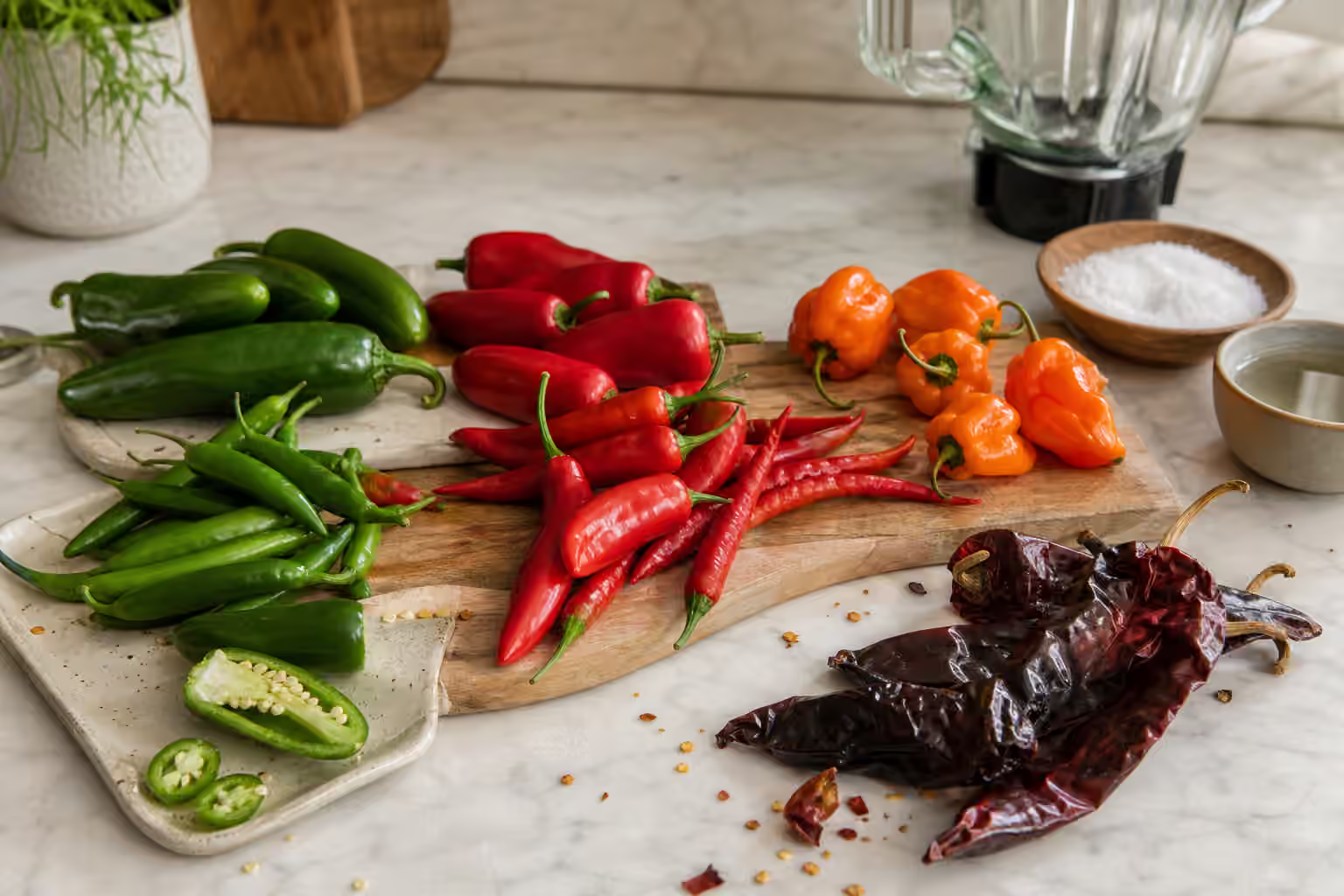
Green peppers tend to make sauces that feel fresh, sharp, herbal, and immediate. Jalapenos bring a familiar garden flavor that works with lime, cilantro, scallion, garlic, tomatillo, cucumber, and rice vinegar. Serranos are usually slimmer, brighter, and cleaner, with a little more edge. Green Thai chiles can be direct and piercing, especially when paired with garlic, lime, fish sauce style savoriness, or ginger. Poblanos are much milder, but roasted poblanos can add a deep green body that helps a hotter green sauce feel less thin.
The main risk with green pepper sauces is harshness. Raw green peppers can taste grassy in a good way, but they can also taste bitter or unfinished if the sauce has too little salt, too much raw garlic, or not enough acid. A short rest in the refrigerator often helps. A gentle cook can round the edges, though it will also mute some of the fresh snap that made the pepper appealing in the first place. That tradeoff is worth deciding before you start, because a fresh green table sauce and a cooked green pepper sauce are not trying to be the same thing.
Green sauces usually belong on foods that can use lift. Eggs, tacos, grilled fish, beans, rice bowls, and soups all welcome that clean chile line. If you are building a sauce for richer food, give the green peppers enough acid and salt to cut through. If the sauce is meant for delicate food, keep the garlic and vinegar restrained so the pepper stays crisp rather than loud.
Red And Orange Peppers Bring Fruit And Color
Red and orange peppers usually taste rounder than their green versions because they have ripened longer. Ripe fresnos are one of the most useful hot sauce peppers because they bring moderate heat, bright red color, thin enough skin to blend well, and a clear chile flavor that does not need much help. Red jalapenos are softer and sweeter than green ones. Cayennes make lean, classic vinegar sauces with a quick, clean burn. Red Thai chiles can be intense and direct, useful when a small amount of pepper needs to carry a lot of heat.
Orange peppers often bring the most perfume. Habaneros are famous for it: floral, tropical, sometimes almost apricot-like before the burn arrives. Scotch bonnets share that aromatic family but can feel warmer and fuller, especially in sauces with allspice, citrus, fruit, or savory aromatics. These peppers reward careful balancing because their flavor is powerful enough to survive vinegar, fermentation, and fruit. They also punish careless blending because a sauce made only from high-heat orange chiles can become hard to taste clearly.
Color is not cosmetic. A red sauce signals one kind of eating before anyone tastes it. An orange sauce suggests fruit, warmth, and a broader burn. A green sauce reads as fresh. If the sauce color fights the flavor, the bottle can feel confusing. A smoky brown sauce can be beautiful with dried chiles and roasted garlic. A pale muddy sauce made from random leftovers rarely has the same appeal. Choose peppers partly for the color of sauce you want to put on the table.
Dried Peppers Add Depth Before Heat
Dried peppers are one of the easiest ways to make hot sauce taste less one-dimensional. Ancho brings raisin, tobacco, and mild warmth. Guajillo gives red fruit, gentle tannin, and a clean dried chile flavor. Pasilla can taste dark and earthy. Arbol is small, hot, and sharp. Chipotle brings smoke because it is a smoked, dried ripe jalapeno. These peppers do not behave like fresh peppers. They need rehydration, blending, and enough liquid to release their flavor.
A dried chile sauce often benefits from a fresh pepper partner. Fresh fresnos can brighten guajillo. Roasted red pepper can give body to arbol. Habanero can add high aromatic heat above ancho’s darker base. The blend works because dried peppers bring depth while fresh peppers bring lift. If you use only dried chiles, the sauce can become heavy unless acid and salt are dialed in carefully.
When working with dried peppers, remove stems and shake out loose seeds before soaking. Toasting can wake up aroma, but it should be brief and gentle. Burned dried chile tastes bitter fast, and no amount of vinegar will make that bitterness disappear. After soaking, blend with some of the soaking liquid only if it tastes clean. If it tastes dusty or bitter, use fresh water, vinegar, or stock-like cooking liquid instead. For the acid side of that decision, Vinegar and Acid Balance in Hot Sauce is the useful next read.
Flesh, Skin, And Seeds Change Texture
Pepper structure matters because hot sauce is blended food, not just flavored liquid. Thin-walled peppers like cayenne make bright, lean sauces. They are excellent when you want a splashable table sauce, but they may need more pepper volume or careful reduction if you want body. Fleshier peppers like jalapeno, fresno, habanero, poblano, and ripe bells give the blender more to work with. They can make a sauce feel round without relying on starches, gums, or heavy sweetness.
Seeds are often blamed for heat, but much of a pepper’s burn lives in the pale ribs and surrounding inner tissue. Seeds can carry heat because they touch that tissue, but their bigger contribution to sauce is texture and bitterness. A few seeds are normal. Too many can make a smooth sauce feel gritty or dusty. If the sauce is meant to be rustic, leaving more seeds and pulp can be fine. If it is meant to pour cleanly from a narrow bottle, remove more inner material, blend longer, or plan to strain.
The skin also matters. Roasted peppers can bring sweetness and smoke, but charred skin may need to be rubbed off if you want a silky sauce. Raw thin skins can disappear in a strong blender, while tougher skins may stay as flecks. None of this is a flaw by itself. It is a style choice. The practical question is whether the finished texture fits the way the sauce will be served. Hot Sauce Texture and Body goes deeper on those blending, straining, and thinning decisions.
Match Peppers To The Method
Fresh sauces favor peppers with clean aroma. Jalapeno, serrano, fresno, habanero, and Thai chiles can all work well when the sauce is made quickly and kept refrigerated. The pepper flavor remains close to raw produce, so any bitterness, grassiness, or harsh garlic will be obvious. That is part of the charm when the ingredients are good and the sauce is meant to taste alive.
Cooked sauces favor peppers that become sweeter or rounder with heat. Ripe fresnos, cayennes, habaneros, poblanos, roasted red peppers, and dried chiles all respond well to simmering. Cooking softens the flesh, helps the blender make a smoother sauce, and integrates onion, garlic, carrot, tomato, or fruit. The cost is that some top-note freshness fades. If the whole point of the sauce is a bright green bite, cook gently or not at all.
Fermented sauces reward peppers with enough sugar, aroma, and structure to stay interesting after time in brine. Fresnos, habaneros, serranos, ripe jalapenos, and mixed ripe peppers are all strong candidates. Very green peppers can ferment well, but they may need aromatic support if their grassiness becomes too dominant. Dried peppers can be used in fermented blends, though they are usually better as accents or rehydrated additions rather than the entire base. For a fuller picture of salt, time, and finishing choices, read Fermentation Flavor Design .
Build A Pepper Blend With A Main Voice
A useful pepper blend has a main voice and supporting parts. The main pepper should provide the identity. Fresno might make a bright everyday red sauce. Habanero might make an aromatic orange sauce. Guajillo might make a dried chile table sauce. Supporting peppers should solve specific problems: more body, deeper color, cleaner heat, fruitier aroma, smoky bass, or a softer burn.
Random pepper mixes can work, but they are harder to repeat and harder to fix. If five peppers are shouting at once, it is difficult to know which one made the sauce bitter, floral, thin, or muddy. A better habit is to begin with one primary pepper and one helper. Fresno with habanero. Jalapeno with poblano. Guajillo with arbol. Serrano with green jalapeno. Once that blend tastes coherent, additions like fruit, vinegar, garlic, onion, or fermentation can support the idea instead of hiding confusion.
Taste peppers before committing when you can. A tiny raw piece tells you about aroma and heat, though very hot peppers should be handled carefully and tasted in small amounts. Smell matters too. A pepper that smells floral will carry that through the sauce. A pepper that smells dull, old, or musty will not become vivid in the blender. Choose firm peppers with lively color and avoid produce that is soft, moldy, leaking, or tired. If you grow your own, Growing Your Own Peppers can help you think about harvest timing and variety choice before the sauce stage.
Let The Food Decide
Pepper choice should end at the table, not in the abstract. A thin cayenne or fresno vinegar sauce is excellent when the food needs a clean spark. Fried chicken, eggs, beans, greens, soup, and oysters all benefit from a sauce that cuts quickly and moves on. A habanero-carrot sauce, a Scotch bonnet fruit sauce, or a fermented ripe pepper sauce can handle grilled chicken, pork, roasted vegetables, tacos, sandwiches, and rice bowls because the body and aroma linger longer.
Dried chile sauces often belong with richer or earthier food. They make sense with beans, braises, roasted squash, grilled meat, mushrooms, and anything that can use depth rather than just brightness. Green sauces are better when freshness is the point. Spoon them over tacos, fish, breakfast, bowls, or simple vegetables where their herbal edge can stay clean. If the sauce tastes good on a spoon but wrong on dinner, the pepper may be fine and the pairing may be off. The Sauce Pairing Guide is built around that table-first way of thinking.
Choosing peppers well is mostly an act of listening before blending. Heat tells you one part of the story. Ripeness, aroma, color, flesh, skin, seeds, and method tell the rest. Start with a pepper that gives the sauce a clear point of view, add supporting peppers only when they have a job, and keep tasting on real food. The result is a bottle that tastes like a decision, not just a collection of chiles.


