Chipotle Adobo Hot Sauce
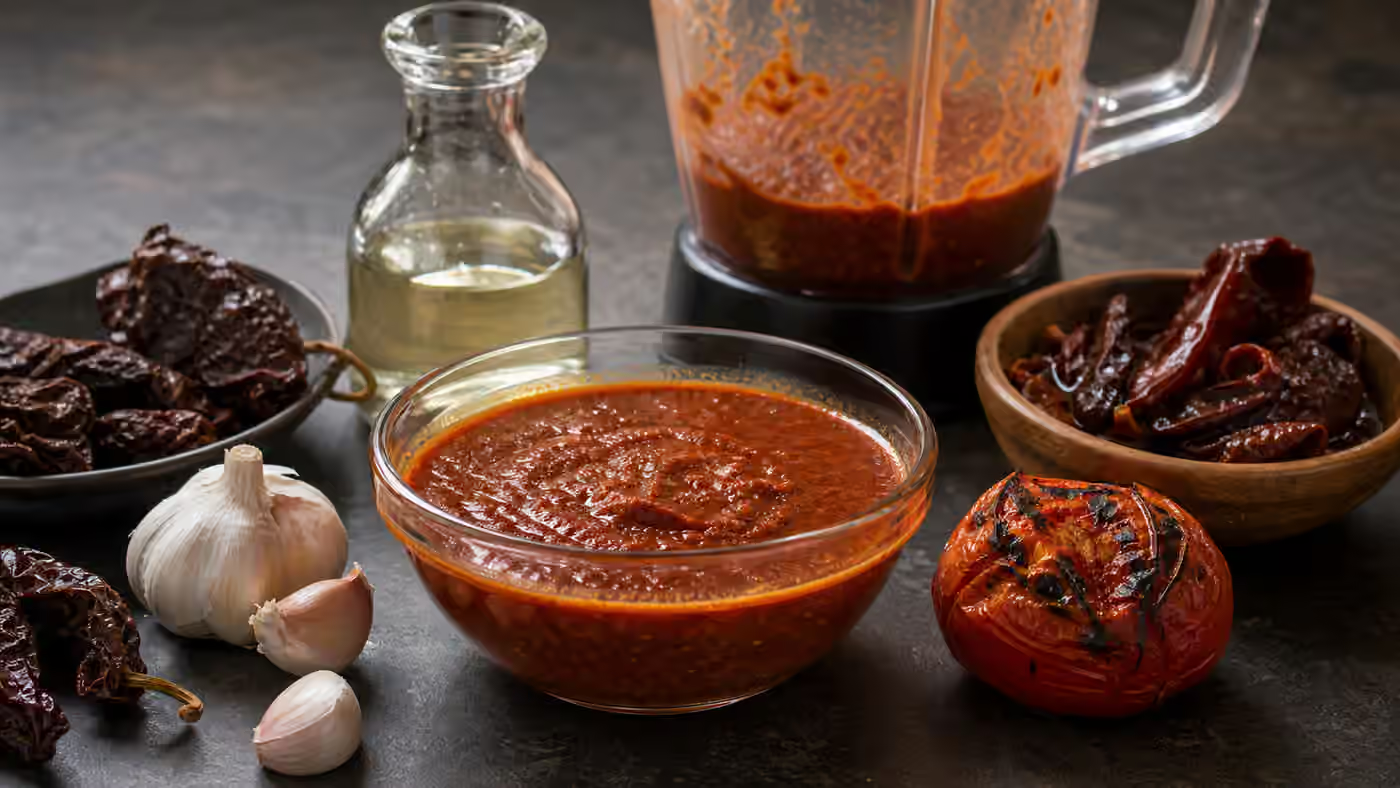
Chipotle adobo hot sauce sits in the space between smoked chile paste and pourable table sauce. It should taste deep, warm, and savory, with enough vinegar to stay awake and enough body to cling to food. The danger is obvious: smoke can become heavy, tomato can turn the sauce into thin barbecue, and sweetness can flatten the chile. The best version tastes like chipotle first, with adobo depth supporting it from underneath.
This guide builds on Dried Chiles in Hot Sauce and Smoky Hot Sauce Without Ashy Flavor . Chipotle is a smoked dried jalapeno, so it brings two strong forces at once: dried chile concentration and smoke. That makes it powerful, but it also means the sauce needs restraint from the first soak to the final salt adjustment.
Start With Good Smoke
Chipotle can taste fruity, leathery, raisiny, tobacco-like, or harsh depending on the peppers and how they were smoked. Before building a sauce, smell the chiles. Pleasant smoke should feel warm and integrated. If the aroma is acrid, dusty, or stale, no amount of vinegar will make the sauce clean. Dried chiles are pantry ingredients, but they still age. A tired pod gives tired sauce.
Many chipotle sauces work best when chipotle is not the only chile. Guajillo can add red fruit and body. Ancho can add raisin depth and mild sweetness. Fresh red peppers can brighten the blend. A small amount of hotter chile can lift the burn if the chipotle is mild. This is not dilution. It is architecture. Chipotle sets the smoke and identity; the other peppers keep it from becoming one-dimensional.
Toasting should be brief, if it happens at all. Dried chiles can move from fragrant to bitter quickly. Warm them just until they loosen and smell alive, then stop. If the chiles are already strongly smoked, skip aggressive toasting and focus on rehydration. Smoke compounds are persistent, and adding char on top can make the sauce taste like ash rather than food.
Rehydrate With Intention
Rehydration is where texture begins. Hot water softens dried chiles so the blender can turn skins and flesh into sauce. The soaking liquid may taste useful, but it can also be bitter. Taste before using it. If it tastes smoky and pleasant, add some to the blender. If it tastes harsh, use clean water, vinegar, tomato, or broth-like vegetable liquid instead.
Remove stems and consider removing seeds before soaking. Seeds are not the only source of heat, but in dried chile sauces they can add texture and bitterness. A rustic sauce can tolerate some grit, but a pourable chipotle adobo sauce usually benefits from cleaner prep. If the finished sauce is meant for a squeeze bottle, seed management matters even more.
Tomato is common because it supports chipotle with sweetness, acid, and body. Roasted tomato gives depth, while canned tomato can be convenient and consistent. Use enough to round the sauce, not so much that the chile disappears. The sauce should not taste like smoky tomato soup. It should taste like smoked chile made useful.
Build Adobo Depth Without Mud
Adobo-style depth can come from garlic, onion, oregano, cumin, vinegar, and a restrained sweet note. Each one can help. Each one can also crowd the sauce. Garlic should be softened, not scorched. Onion should add body, not browned sweetness that fights the smoke. Oregano should be present only if it supports the chile. Cumin can turn heavy fast, especially when the sauce will be used by the spoon.
Vinegar is the line that keeps the sauce from becoming dull. White vinegar gives direct brightness. Apple cider vinegar fits the warm profile but can become too round if the sauce is already sweet. A little lime at the end can lift the aroma, though it should not erase the chipotle. Vinegar and Acid Balance in Hot Sauce is useful here because smoke often tricks the palate into asking for sugar when it actually needs acid.
Sweetness should be quiet. A small amount of brown sugar, molasses, honey, roasted onion, or tomato sweetness can soften the edge of dried chile. Too much turns the sauce into glaze. If the sauce tastes bitter, first check salt, acid, and whether the soaking liquid was harsh. Sugar can cover bitterness for a moment, but it rarely fixes the structure.
Blend Smooth, Then Decide How Polished It Should Be
Chipotle skins can be stubborn. A high-speed blender helps, but time matters as much as power. Blend until the sauce looks cohesive, then let it rest. Dried chile sauces often thicken after a few minutes as the solids hydrate fully. If you thin too early, the sauce may become loose later. If you bottle too early, it may set up in the neck.
Straining changes the sauce dramatically. A hard strain gives a polished pour, but it may remove some of the dried chile depth. A medium strain can catch skins and seeds while leaving body. If the sauce is destined for tacos, eggs, beans, grilled meat, or roasted vegetables, a little texture can be welcome. If it is destined for a narrow bottle, polish matters more.
Oil is optional and should be handled carefully. A small amount can bloom chile flavor and make the sauce glossy, but oil also changes the way the sauce stores and feels. For a home bottle, a no-oil or very low-oil version is simpler and cleaner. Emulsified Hot Sauce is the better reference if you want a richer chipotle sauce that behaves like a drizzle.
Use Smoke As A Seasoning
Chipotle adobo hot sauce is strongest when it seasons food rather than covers it. It can wake up beans, eggs, rice, tacos, roasted squash, mushrooms, grilled chicken, burgers, corn, and soups. It also works as a small addition to marinades and pan sauces, but heat changes it. Long cooking can mute vinegar and deepen smoke, so add some early for depth and a little late for brightness if the dish allows.
If the sauce tastes flat on food, do not automatically add more chipotle. More smoke may make the problem worse. Add salt if the chile flavor is vague. Add vinegar if the finish is heavy. Add mild red pepper or tomato if the burn is detached from the body. Add a tiny amount of sweetener only when the sauce is sharp and complete but still slightly severe.
For storage, keep the process conservative. Clean bottles, refrigeration, and reasonable batch sizes are the safest default for a homemade sauce with tomato, garlic, and rehydrated chiles unless you are following a tested preservation method. The flavor will often settle overnight, and the smoke may feel stronger the next day. Leave room for that change before declaring the batch finished.
The best chipotle adobo sauce is not the smokiest one possible. It is the one that keeps smoked chile connected to food. It has enough acid to cut, enough tomato or pepper body to pour, enough garlic to feel savory, and enough restraint that the second bite still tastes like dinner.