Chile Powder and Flakes in Hot Sauce
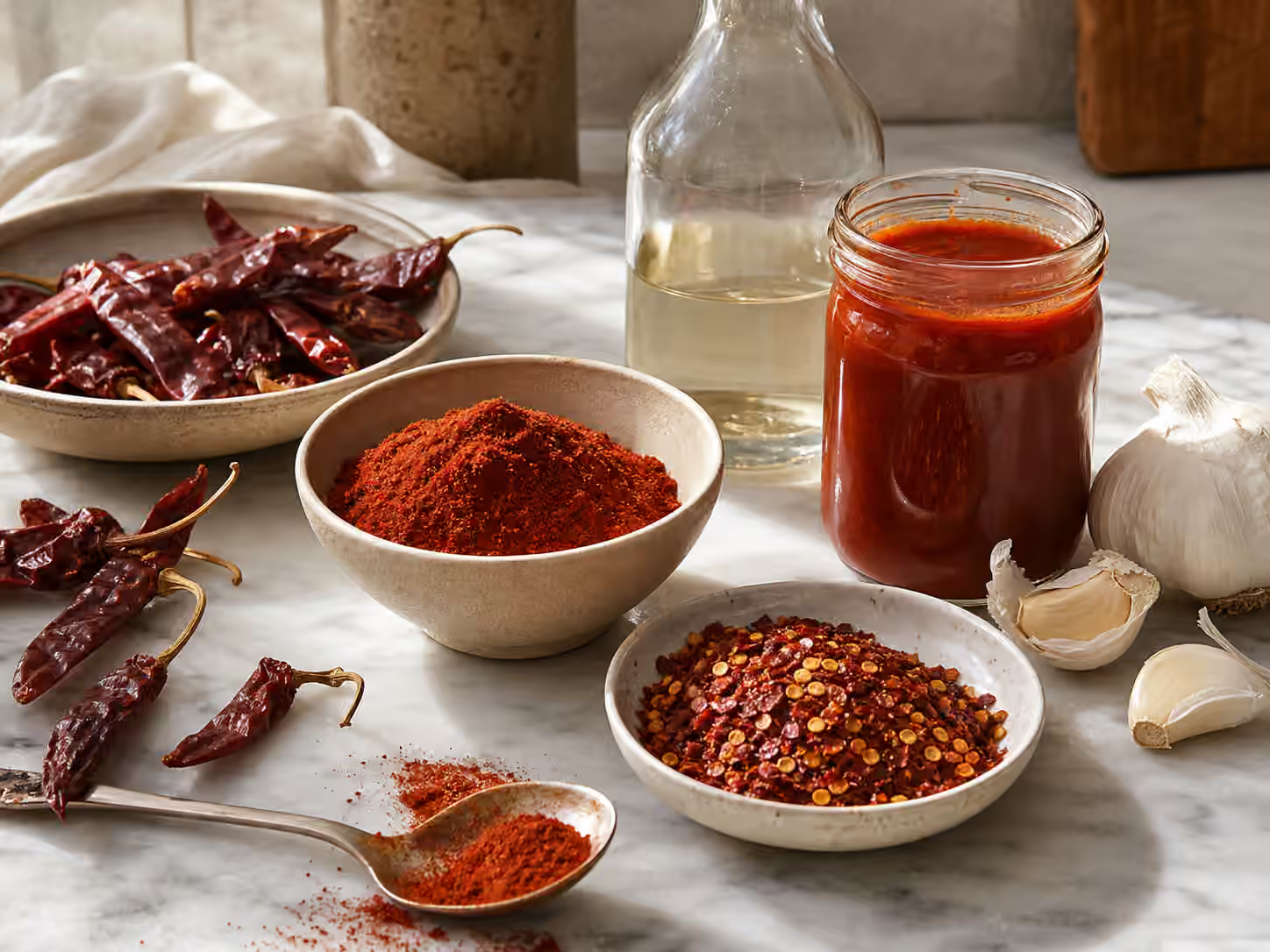
Whole peppers get most of the attention in hot sauce, but powders and flakes are everywhere in real kitchens. A spoonful of cayenne powder sharpens a mild batch. Crushed red pepper adds a quick back-of-throat burn. Smoked paprika deepens color. Ground ancho, guajillo, chipotle, arbol, or habanero can rescue a sauce that has the right body but not enough chile presence. These ingredients are convenient, but they are not invisible.
Powder changes texture, aroma, color, and bitterness as well as heat. Flakes need time to hydrate. Old ground chiles can taste dusty before they taste spicy. A sauce built with powder can be excellent when the powder is fresh and handled with care. It can also become flat, gritty, and harsh when the powder is treated like red magic.
If you are working with whole dried pods, read Dried Chiles in Hot Sauce first. This page is for the ground and crushed forms: useful pantry ingredients that need a different kind of restraint.
Freshness Matters More Once Chiles Are Ground
A whole dried chile protects some of its aroma inside the pod. Powder exposes everything. It loses perfume faster, absorbs cabinet smells more easily, and turns stale without looking obviously spoiled. The first test is smell. Fresh chile powder smells like a pepper with a direction: fruity, earthy, smoky, sharp, floral, raisiny, or warm. Tired powder smells flat, dusty, or vaguely red. If the aroma is dull in the jar, it will not become vivid in the blender.
Color helps but does not tell the whole story. Bright red powder can still be bland if it is old or mostly color pepper. Dark powder can be wonderful if it is a smoky chipotle or deep ancho, but it can also signal age. Rub a pinch between your fingers and smell again. The aroma should bloom. If it smells like paper, the sauce will need fresh peppers, toasted whole chiles, or better powder to carry the flavor.
Store powders tightly closed, away from heat and light. Do not keep them over the stove just because the spice rack fits there. Hot sauce asks more from chile powder than a pinch over pizza does, so weak powder becomes obvious quickly.
Bloom Powder Before It Becomes Sauce
Dry powder dropped straight into a finished sauce often tastes raw and floats around as grit. It needs liquid and time. In a cooked sauce, bloom it gently in warm oil, pepper puree, tomato, vinegar, or cooking liquid before the final blend. The goal is not frying it hard. High heat can scorch chile powder fast. Gentle warmth wakes the aroma and helps the particles hydrate.
In a no-cook sauce, give powder a wet resting place before judging. Stir it into a small amount of vinegar, lime, brine, tomato, or pepper juice, then let it sit until the texture softens. Blend it into the sauce only after it has stopped behaving like dust. This short wait can prevent a batch that tastes correct for heat but feels sandy on the tongue.
Fermented sauces need even more thought. Powder can be added before fermentation, but it may cloud the brine, settle unevenly, or make the ferment harder to read. Added after fermentation, it can sharpen heat and color without changing the jar’s earlier behavior. Either way, use small amounts and taste after resting. Fermentation already gives depth; powder should support it, not smother it.
Flakes Need Hydration And A Job
Pepper flakes are not just coarse powder. They include skin, seeds, and uneven pieces. That makes them useful when you want visible chile character in a spoon sauce, marinade, glaze, or rustic table sauce. It makes them less useful in a narrow bottle with a reducer cap. The flakes can swell, clog, or keep releasing heat after the sauce seems finished.
Hydrate flakes before deciding whether they belong. Warm vinegar, tomato, pepper cooking liquid, or brine can soften them. A short simmer can make them more integrated. In a fresh sauce, a longer rest in the refrigerator helps them absorb liquid, though the sauce may still remain textured. If the sauce needs to pour cleanly, blend thoroughly and consider a partial strain.
Flakes are good when their roughness matches the food. A chili-garlic sauce, a wing glaze, a spooned dried chile sauce, or a cooking paste can carry visible flakes beautifully. A delicate green sauce or thin breakfast vinegar sauce usually cannot. Texture has to match use, which is why Hot Sauce Texture and Body keeps showing up in decisions that first look like flavor choices.
Powder Can Fix Heat Without Fixing Flavor
Powder is a tempting rescue when a sauce tastes too mild. A little cayenne, arbol, habanero, or ghost pepper powder can raise heat quickly. The problem is that heat alone does not create a better sauce. If the batch tastes watery, under-salted, or short on acid, powder may add burn while leaving the sauce hollow. Correct structure first, then add powdered heat if the pepper voice still needs a sharper edge.
Think of powder as an accent unless the sauce is designed around it. A fresh fresno sauce may need a pinch of cayenne to lengthen the finish. A roasted tomato sauce may need smoked paprika or chipotle powder for bass. A fruit sauce may need habanero powder for aroma and heat. In each case, the powder has a job. It is not a substitute for the main pepper doing its work.
If a sauce needs deep dried chile flavor, whole pods often do the job better than powder. Toasted and soaked guajillo, ancho, pasilla, morita, or arbol bring body and aroma that powder struggles to match. Powder is faster. Whole chiles are usually more dimensional. Use the convenience when it helps, not when it weakens the sauce.
Watch Bitterness, Smoke, And Salt
Some powders carry bitterness. Seeds, scorched skins, old pods, and aggressive drying can all show up once the powder is concentrated in sauce. If a pinch tastes bitter on your tongue, do not assume vinegar will hide it. Acid can make bitterness more pointed. Salt can clarify it. Sweetness can soften it, but too much sweetness turns the sauce in another direction.
Smoke is also easy to overdo. Smoked paprika, chipotle powder, and smoked chile flakes can make a sauce taste deep with very little effort. Too much can make it taste like ash or old barbecue rub. Smoky Hot Sauce Without Ashy Flavor is the companion here because smoky powders are useful only while they leave room for pepper, acid, and food.
Check salt before adding blends labeled as chili powder or seasoning mixes. Some contain salt, garlic powder, onion powder, cumin, oregano, anti-caking agents, or other spices. They may be useful in cooking, but they make hot sauce harder to control. Single-chile powders are easier to read. If you use a blend, taste it as a blend and adjust the rest of the sauce around it.
Finish With Rest And A Food Test
Powder and flakes keep changing after the blender stops. They hydrate, settle, and spread heat through the batch. A sauce that tastes perfect immediately can become hotter and thicker later. A sauce that tastes gritty may smooth out after a night. A sauce that smells smoky in the first minute may become dominated by smoke by the next day.
Rest the sauce, stir it well, and taste again with food. Eggs, beans, rice, potatoes, roasted vegetables, and grilled food all reveal whether the powder supports the meal or sits on top of it. If the sauce tastes hot but not flavorful, it may need salt, acid, fresh pepper body, or a better dried chile base. If it tastes dusty, strain, dilute with real pepper puree, or start again with fresher powder.
Good chile powder and flakes are practical tools. They let you adjust heat, color, and depth without another shopping trip. They just need the same respect as fresh peppers: freshness, hydration, restraint, and a clear idea of what the sauce is supposed to do.