Carrot Habanero Hot Sauce
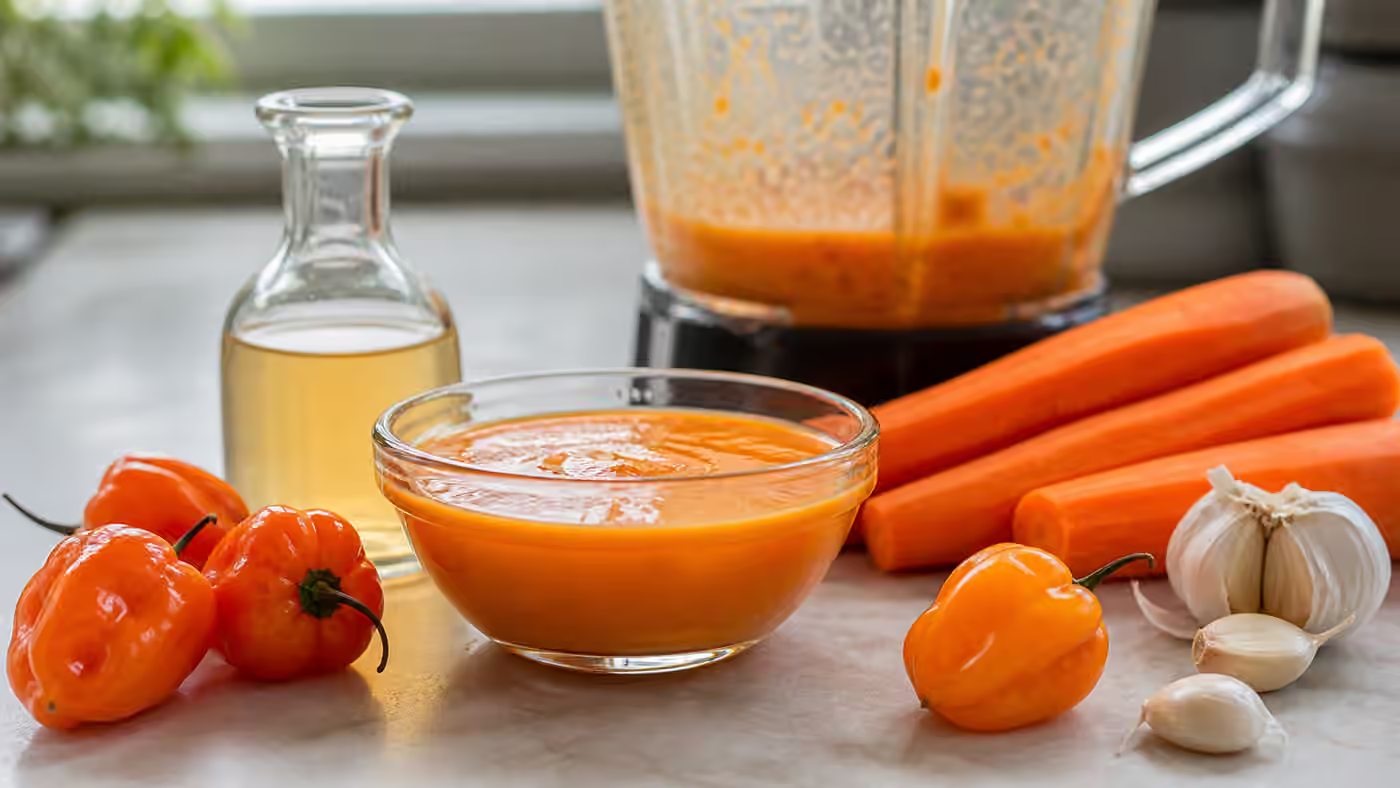
Carrot habanero hot sauce works because it solves two problems at once. Habaneros bring a high, floral heat that can smell like citrus peel, tropical fruit, and fresh-cut pepper before the burn arrives. Carrots bring sweetness, color, and enough body to keep that heat from feeling thin or sharp. The best versions do not taste like carrot soup with chiles. They taste like a bright orange pepper sauce that happens to have a soft landing.
This style belongs near Fruit and Sweetness in Hot Sauce and Hot Sauce Texture and Body because carrot is doing both jobs. It rounds the burn and thickens the pour. It also belongs near Superhot Peppers With Restraint because habanero is not usually called a superhot, yet it can still dominate a batch when the sauce has no structure.
Let Habanero Stay Aromatic
The first mistake is treating habanero only as heat. A ripe orange habanero can be intensely aromatic, and that aroma is the reason to use it instead of a blunter pepper. If the sauce is cooked too hard, buried under garlic, or sweetened until it tastes like candy, the pepper becomes a warning label rather than the center of the sauce. Start by deciding how much habanero flavor you want people to taste before they feel the burn.
For a friendly table sauce, habaneros often work best beside milder orange or red peppers. A few habaneros can perfume a larger base of sweet pepper, fresno, ripe jalapeno, or roasted carrot. That does not make the sauce timid. It makes the heat legible. The eater can taste the pepper instead of bracing for it.
Carrot helps because it carries color and sweetness without adding a separate fruit identity. Mango and pineapple announce themselves. Carrot usually supports the pepper more quietly. It also makes the sauce feel less watery, which matters because a thin habanero vinegar sauce can deliver heat faster than flavor.
Cook The Carrot Enough
Raw carrot is too firm and grassy for most hot sauce. It needs to soften so the blender can turn it into body rather than grit. The simplest path is a gentle simmer with a little water or vinegar until the carrot yields easily to a spoon. Roasting also works, but deep browning changes the sauce. A little roasted edge can taste round and savory. Too much makes the sauce heavy and pulls it away from the clean orange profile.
Garlic and onion can join the carrot, but they should not shout. A small amount of softened onion gives body and sweetness. A few garlic cloves give savory depth. If the garlic is raw, the sauce may smell exciting in the blender and harsh after resting. If the garlic is browned, it can pull bitterness into a sauce that should feel sunny. Brief warming is usually enough.
The cooking liquid matters. Water keeps the carrot neutral. Vinegar sharpens the sauce early and can help the ingredients blend. A mix of the two gives more control. If all the acid goes into the pot at the start, the final sauce may taste fixed before you have adjusted salt and heat. Holding back some vinegar until after blending makes the final pass easier.
Build Acid Around Sweetness
Carrot habanero sauce needs acid because carrot is sweet and habanero heat can feel round rather than cutting. White vinegar gives a clean snap. Apple cider vinegar adds a softer fruit note. Rice vinegar keeps the sauce gentle and bright. Citrus can be excellent, especially lime, but it often works best as a finishing accent rather than the whole acid backbone.
Taste the sauce on food before deciding the acid is right. On a spoon, habanero can seem loud and vinegar can seem sharp. On grilled chicken, tacos, eggs, rice, beans, or roasted vegetables, the same sauce may need more lift. Vinegar and Acid Balance in Hot Sauce is useful here because the goal is not simply to make the sauce sour. The acid should make the pepper and carrot clearer.
Salt is just as important. Under-salted carrot habanero sauce tastes sweet, hot, and vague. Proper salt makes the carrot taste less like baby food and the habanero more like fruit. Add it in small increments after blending, then let the sauce sit for a few minutes before tasting again. Thick sauces hide salt at first and reveal it after resting.
Choose A Texture With A Job
This sauce can be silky, rustic, or somewhere between. A very smooth version is ideal for squeeze bottles, bowls, eggs, and sandwiches. A lightly rustic version can be spooned over grilled food or tacos. The difference is not only blender time. Pepper skins, carrot fiber, seeds, and the amount of liquid all decide how the sauce moves.
Blend longer than you think, then rest the sauce before judging. Freshly blended carrot can trap air and look thicker than it will be later. If the sauce is too thick, thin it with vinegar, water, or a small amount of cooking liquid. If it is too loose, do not solve everything with more carrot. A sauce with too much carrot can taste flat even when the color is beautiful.
Straining is optional. A hard strain can make the sauce elegant but remove the solids that carry body. A light strain can catch seed grit while preserving the smooth orange pour. If you plan to use a narrow bottle with a reducer cap, test the pour before filling every bottle. A sauce that clogs at the table is not finished, even if the flavor is right.
Keep Heat Useful
Carrot habanero sauce is easy to oversweeten because sweetness makes heat feel less aggressive. The better move is to make the sauce useful through balance. Carrot softens the burn. Acid brightens it. Salt clarifies it. Mild peppers stretch it. A small amount of fruit can fit, but it should not turn the sauce into dessert.
If the batch is too hot, add more cooked carrot and mild pepper rather than only adding sugar. If it tastes dull, add acid and salt before adding more habanero. If it tastes thin, adjust body before increasing heat. These corrections keep the sauce in the same family instead of dragging it into a new recipe every time something feels off.
For storage, stay conservative. Clean bottles, cold storage, measured acidity when it matters, and small batches are sensible defaults for homemade sauce. Hot Sauce Storage and Safety gives the broader frame, especially if the sauce includes cooked vegetables and is not part of a tested shelf-stable process.
The best carrot habanero sauces feel bright but calm. They let habanero smell like itself, give carrot a supporting role, and leave enough acid on the finish that the next bite of food still tastes good. When the balance is right, the bottle does not need to prove how hot it is. It keeps returning to the table because it makes ordinary food sharper, warmer, and more alive without taking it over.