Caribbean-Style Scotch Bonnet Hot Sauce
Scotch bonnet hot sauce should smell alive before it tastes hot. The pepper has a round, tropical aroma that can suggest apricot, citrus peel, flowers, and warm fruit even when no fruit is in the bottle. A good Caribbean-style sauce protects that perfume. It uses vinegar, carrot, onion, garlic, thyme, allspice, mustard, or fruit as supports, not as a disguise for heat.
The common mistake is treating Scotch bonnet like a generic superhot. It is not only a source of burn. It is the main flavor. If you bury it under too much sugar, too much vinegar, or too much dried spice, the sauce may still be hot, but it loses the reason to use Scotch bonnet in the first place. For a broader view of restraint with very hot peppers, read Superhot Peppers With Restraint before building a large batch.
Respect The Pepper First
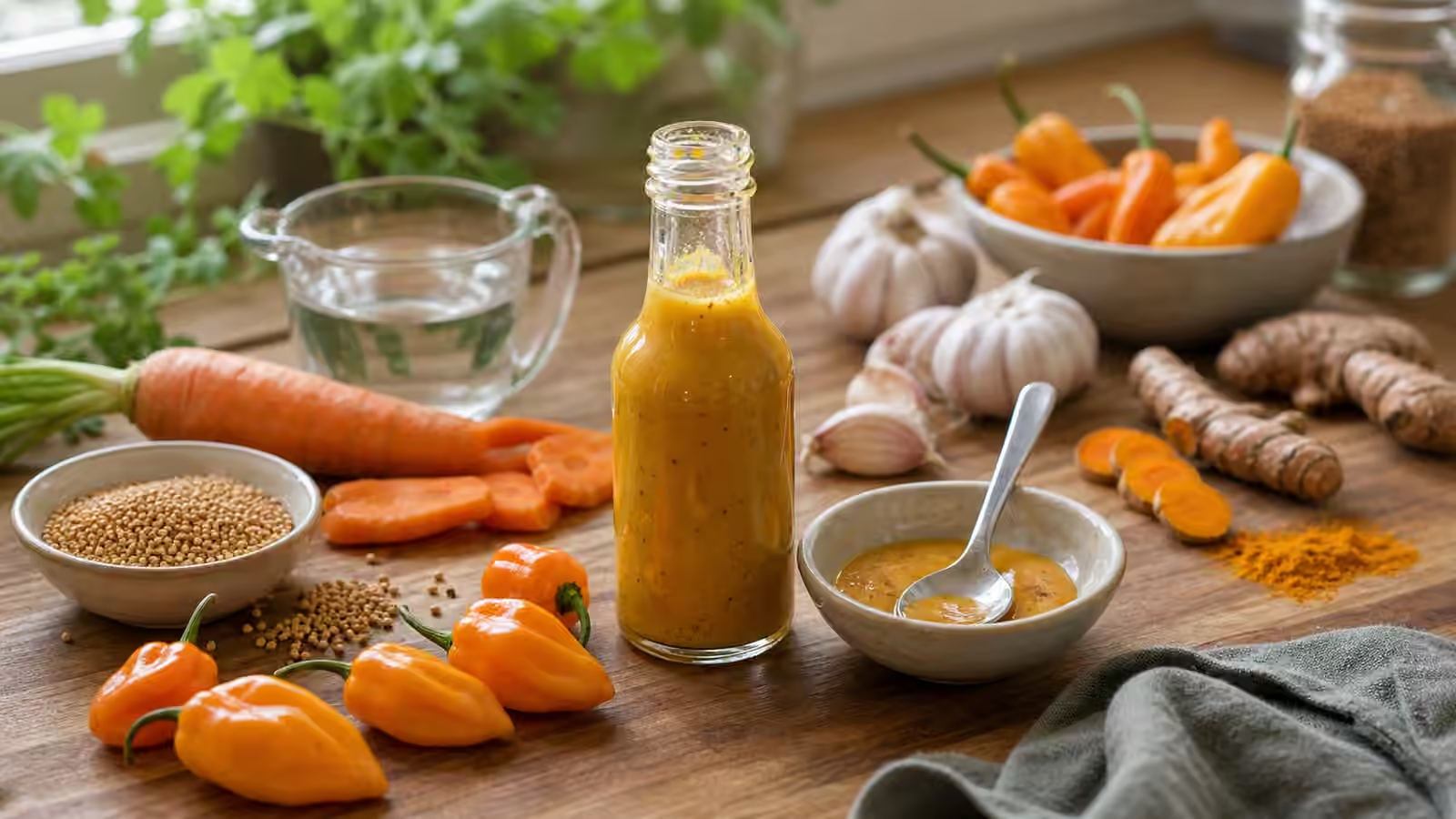
Scotch bonnets are hot enough that the sauce needs a plan. That does not mean the bottle has to be punishing. It means every supporting ingredient should either carry the pepper aroma farther or make the heat easier to taste. Carrot is useful because it adds body and gentle sweetness without making the sauce taste like dessert. Onion and garlic give a savory floor. Vinegar draws the sauce into focus. Thyme, allspice, ginger, and mustard can add identity, but only in amounts that leave the pepper in charge.
Wear gloves when trimming the peppers, ventilate the kitchen, and avoid touching your face. This is ordinary kitchen discipline, not a dramatic warning. Once the peppers are cut, decide how much interior membrane to keep. The pale ribs carry much of the heat, while the flesh carries more of the fruity aroma. Removing every rib can make a sauce milder but less vivid. Leaving everything in can make it difficult to taste nuance. A balanced batch often keeps some rib material while using carrot, onion, or ripe sweet pepper to spread the heat.
If Scotch bonnets are unavailable, habaneros can work, but they are not identical. Habaneros tend to be a little sharper and more floral in a different way. Some orange habaneros make excellent sauce, but the substitution should be tasted with care rather than assumed. Choosing Peppers for Hot Sauce is a useful companion when you need to make that decision.
Fruit Should Lift, Not Turn The Sauce Into Jam
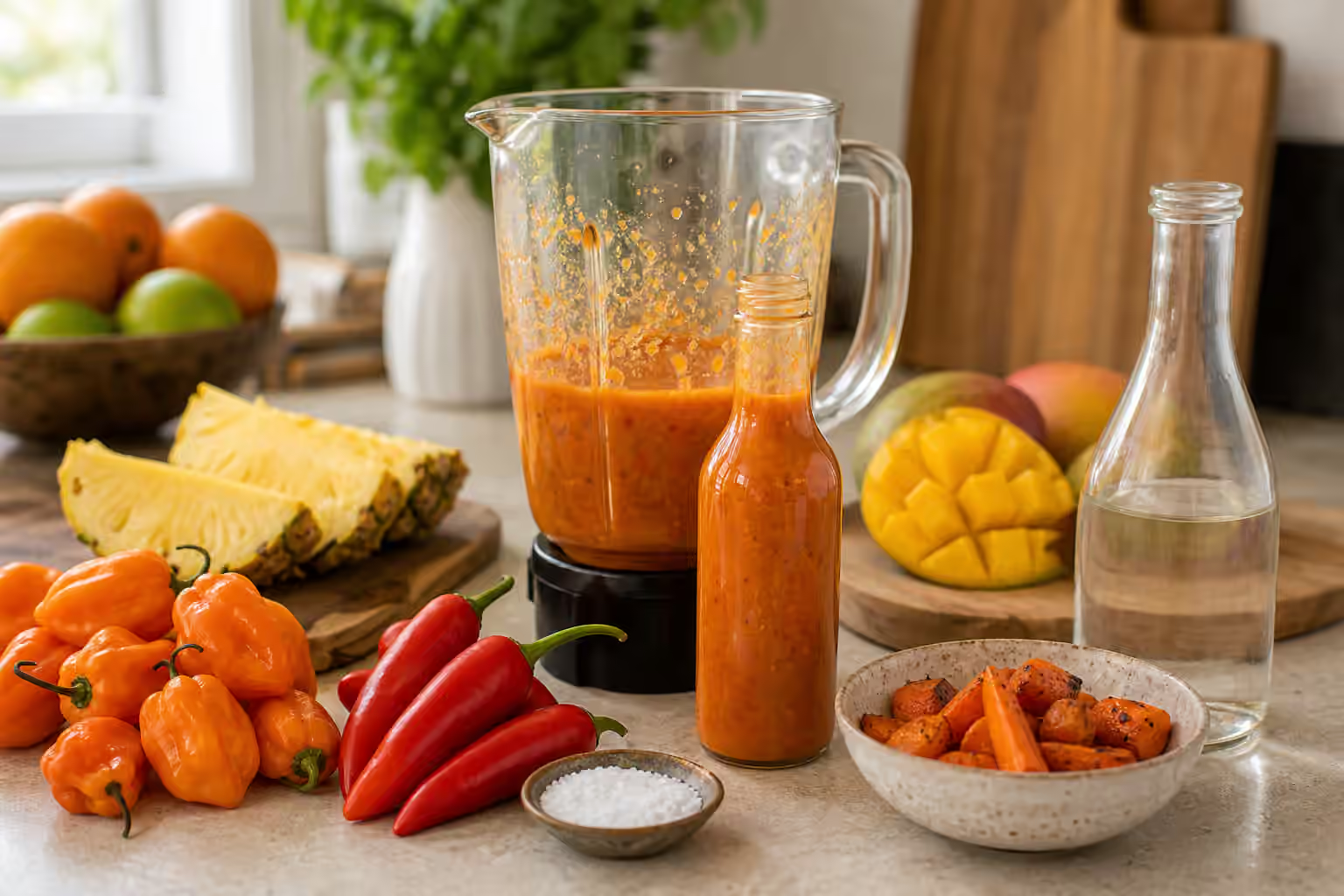
Mango, pineapple, papaya, citrus, and ripe peach can all make sense with Scotch bonnet because they echo the pepper’s aroma. The goal is not sweetness for its own sake. Fruit should give the sauce a bright top note and a softer landing. If the fruit takes over, the sauce becomes sweet heat, which can be fun for grilled chicken but less useful across a table.
Cooked fruit behaves differently from raw fruit. Raw pineapple or mango can taste bright but watery after blending. A short simmer softens the fruit, integrates it with onion and pepper, and reduces some of the raw edge. Too long a simmer can dull the Scotch bonnet aroma and make the fruit taste heavy. The best point is usually brief: enough heat to bring the ingredients together, not enough to turn them into chutney.
For balance, add fruit gradually. A small amount can make the sauce feel generous. A large amount demands more acid and salt, which then pushes the sauce away from the pepper. The Fruit and Sweetness in Hot Sauce guide explains this tension well. Sweetness is a tool for roundness, not an apology for heat.
Acid Needs A Softer Hand
Scotch bonnet aroma can be bruised by harsh acid. Distilled vinegar works in many Caribbean-style sauces because it is clean, but it should not be poured in blindly. Apple cider vinegar, cane vinegar, rice vinegar, or a blend of vinegar and lime can create a gentler frame. Lime juice tastes vivid, but it can fade and shift in storage, so use it thoughtfully and refrigerate home batches.
Taste the sauce warm, then again after it cools. Hot sauce straight from the pot often tastes flatter and less acidic than it will later. If you correct too aggressively while it is hot, the chilled bottle may become sharp. A short rest lets the fruit, pepper, vinegar, and salt settle into one another. Resting and Aging Hot Sauce is especially relevant for Scotch bonnet sauces because the aroma can change noticeably after a day.
Salt has to be present enough to keep the sauce from tasting like peppered fruit juice. Start modestly and taste on food. Rice, grilled fish, roasted sweet potato, eggs, beans, and chicken all reveal different sides of the sauce. A spoon taste tells you heat and brightness. Food tells you whether the bottle is useful.
Herbs And Warm Spices Need Restraint
Thyme, allspice, ginger, clove, nutmeg, scallion, and mustard can all belong in the family, but they are powerful. A tiny amount of allspice can make the sauce feel warm and rounded. Too much makes it taste like a holiday spice blend. Fresh thyme can add a green herbal lift. Too much or too long a cook can make it woody. Garlic and onion can deepen the sauce, but scorched garlic will dominate every pour.
Think of the aromatic layer as background music. You should notice it when you look for it, not when you open the bottle from across the room. If you want to build confidence with these ingredients, Aromatics and Spices in Hot Sauce gives a broader method for keeping additions focused.
Blending texture matters here. A completely strained Scotch bonnet sauce can be elegant but may lose the plush body that carrot and fruit provide. A fully rustic sauce can taste exciting but clog narrow bottles. Often the best path is a long blend followed by a light strain, or no strain if the sauce is going into a squeeze bottle. The texture should match the food. A thin bright sauce seasons soup and rice. A medium-bodied sauce clings to grilled food and sandwiches.
Finish With A Clear Job
Before bottling, decide what the sauce is for. A bright, vinegar-forward Scotch bonnet sauce can be a table sauce for eggs, beans, and greens. A fruitier version can glaze grilled chicken, roasted squash, or shrimp. A thicker carrot-based sauce can live beside rice bowls and stews. The same pepper can lead all of those bottles, but one batch should not try to be every version at once.
That clarity keeps the sauce from becoming crowded. If it needs more freshness, adjust acid. If it needs more body, add cooked carrot or pepper flesh. If it tastes sweet but not savory, salt and onion may help. If it tastes hot but not aromatic, the pepper was either overcooked or buried under supporting ingredients. The correction is usually simplification, not another spice.
A strong Scotch bonnet sauce feels generous and precise at the same time. It carries heat, fruit, herbs, and acid, but the pepper remains legible. That is the point of the style: a bottle that burns, yes, but also smells like sunshine, ripe chile, and a kitchen that knows when to stop.