Bottling Hot Sauce for the Table
Bottling looks like the final step, but it starts much earlier than the funnel. A hot sauce can be vivid, balanced, and carefully seasoned, then become annoying because it lives in the wrong container. A thin vinegar sauce without a reducer cap can flood eggs before anyone tastes the pepper. A thick habanero-carrot sauce in a narrow glass bottle can thump against the neck and refuse to pour. A rustic green sauce full of herbs, seeds, and pulp can look homemade in the best way, then clog a spout that was designed for something smooth.
The bottle is not just packaging. It is part of the sauce’s behavior. It decides how much lands on the food, how quickly people can adjust a bite, how cleanly the sauce returns to the table, and whether the last third of the batch is still easy to use. If you are still working on the sauce itself, start with Hot Sauce Texture and Body before choosing hardware. Texture and container should be decided together.
The Container Should Match the Pour
Begin by watching the sauce move. Pour a spoonful onto a plate and tilt the plate slowly. A thin sauce should run in a clean line without leaving much pulp behind. A medium sauce should flow, pause, and cling lightly. A thick sauce should spread like a condiment rather than splash like seasoning. This simple test tells you more than the recipe name. “Fermented,” “cooked,” “green,” and “fruit-forward” are useful style words, but the bottle only cares about viscosity, particle size, and how the sauce separates after resting.
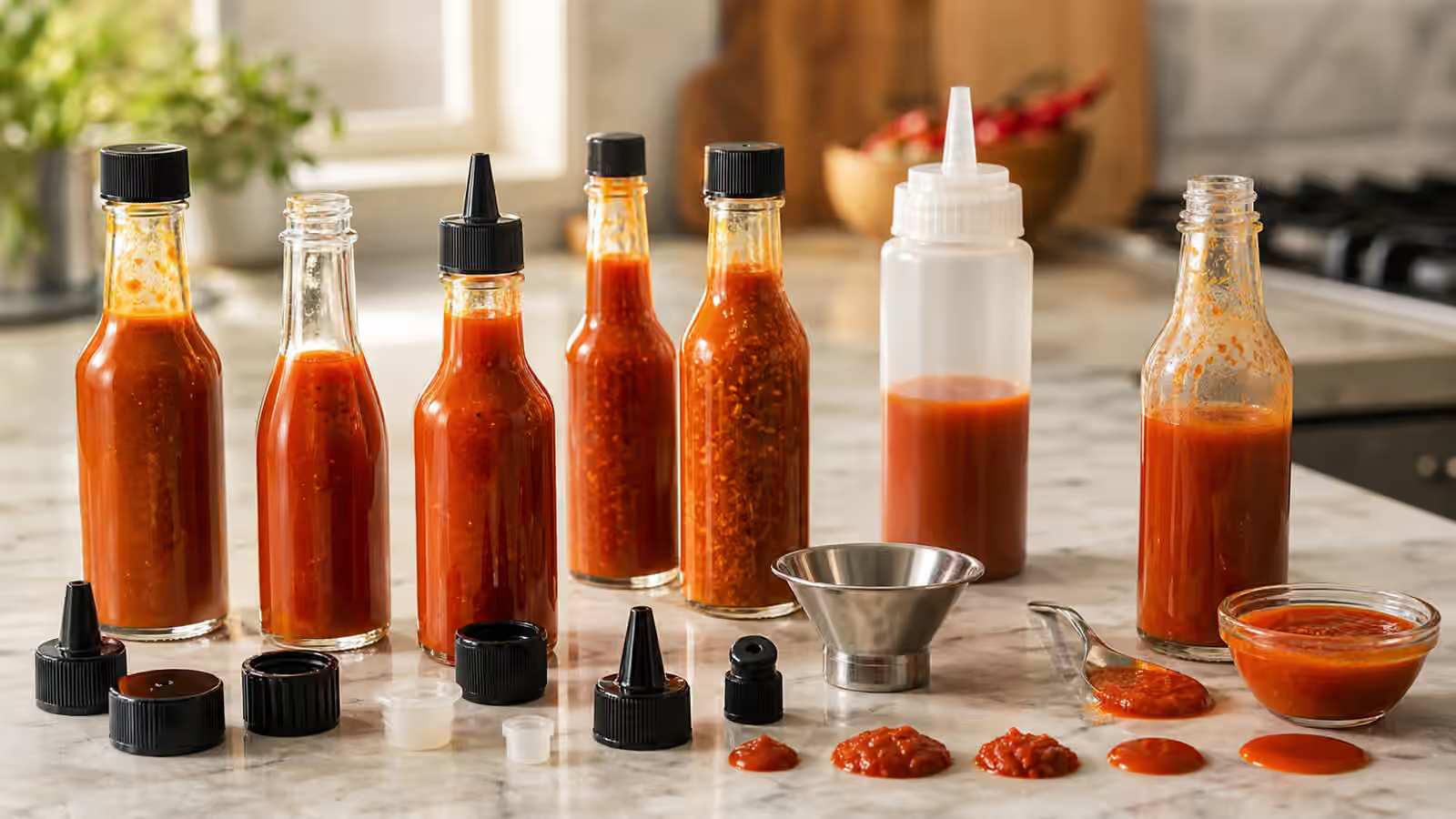
Glass woozy bottles are excellent for classic table sauces because they make small adjustments easy. They suit strained cayenne sauces, light jalapeno sauces, many fermented fresno sauces, and bright vinegar blends that are meant to season one bite at a time. They are less forgiving with thick pulp, tomato-heavy blends, or sauces that carry visible seeds. A sauce can technically fit through the neck and still be a poor match if every pour requires shaking, tapping, and patience.
Wide-mouth bottles and jars are better when the sauce has body. They are honest about texture. A spoonable smoked chile sauce in a jar feels intentional. The same sauce jammed into a narrow bottle feels broken. If a sauce contains roasted onion, softened carrot, fruit fiber, crushed dried chile, or chopped herbs, give it a container that respects those solids. The goal is not to make every sauce sleek. The goal is to make the serving format tell the truth.
Reducers Are for Thin Sauces
Reducer caps are the small plastic inserts that slow the flow from many narrow hot sauce bottles. They are useful when a sauce is thin enough to rush out under its own weight. A good reducer turns a splash into drops, which is exactly what a sharp vinegar sauce needs. It helps the eater season gradually, especially with sauces that carry fast heat, high salt, or strong acid.
Reducers become a problem when the sauce is too thick or too pulpy. Seeds, pepper skin, garlic fibers, and fruit pulp can block the opening. Once that happens, people shake harder, the blockage gives way, and too much sauce lands at once. That is not a user error. It is a mismatch between sauce and cap.
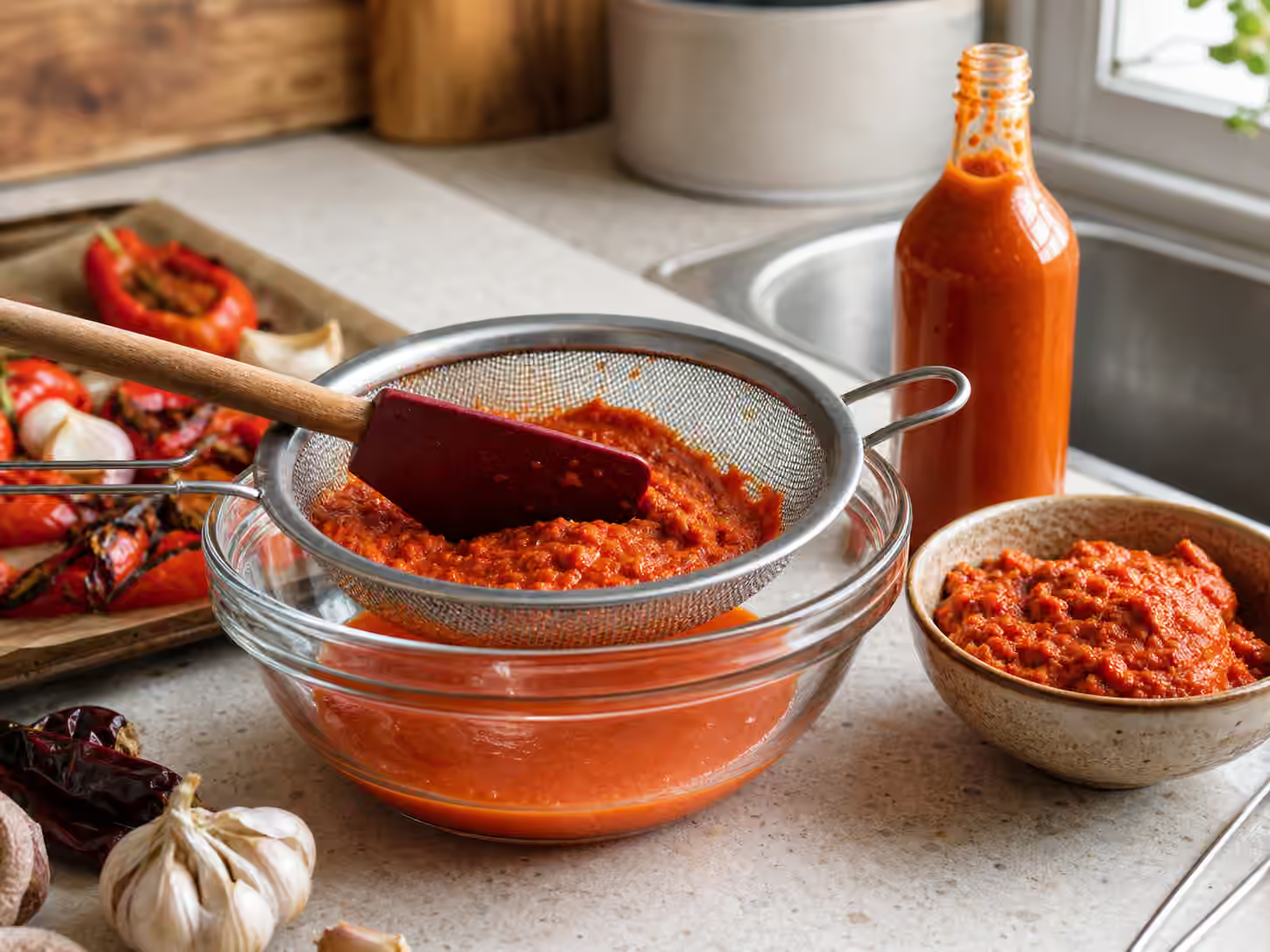
Test reducers with the finished sauce after it has rested, not with the sauce straight from the blender. Freshly blended sauce is often full of air, and warm sauce flows differently from cold sauce. Let the bottle sit, refrigerate it if that is how you plan to store it, then pour again. If the first pour works but the next day clogs, the sauce either needs finer blending, partial straining, or a different container. The texture fixes in Hot Sauce Texture and Body are more useful than forcing the sauce through hardware that does not fit.
Squeeze Bottles Are Working Bottles
Squeeze bottles belong in the kitchen as much as on the table. They are practical for medium-bodied sauces that need control over tacos, eggs, grilled vegetables, sandwiches, wings, and bowls. They let you draw a line, fill a corner, or distribute sauce across a surface without shaking. That makes them especially good for sauces with cooked vegetables, fruit, or a small amount of oil, where the sauce has enough body to stay where it lands.
They also have limits. Plastic can hold aroma, especially from garlic, smoke, and very hot peppers. The caps can trap residue. The opening can crust if the sauce dries around the tip. Treat squeeze bottles as active-use containers rather than permanent storage for a precious batch. Keep them clean, refill them from a better storage container if needed, and do not let sauce sit forgotten in a half-empty bottle at the back of the fridge.
For a home cook, a squeeze bottle is often the best way to learn whether a sauce is really useful. If you keep reaching for it while cooking, the sauce has a role. If it only comes out for a dramatic spoon tasting, it may be more novelty than pantry tool. That connects directly to Sauce Pairing : a sauce earns its place when the container makes the right amount easy.
Jars Are Not a Failure
Some hot sauces should be spooned. A chunky roasted jalapeno sauce, a dried chile paste, a green sauce with herbs, or a fermented mash blended only lightly can be more expressive when it keeps texture. Putting that sauce in a jar tells people to use it like salsa, relish, or chile paste. It belongs on beans, grilled meat, rice bowls, roasted vegetables, and sandwiches where a spoonful can sit on the food.
Jars also make it easier to stir a sauce that separates. Separation is not automatically a flaw, but it changes the serving ritual. A thin sauce can be shaken in a bottle. A thick sauce with sediment may be easier to stir in a jar. If the sauce is very hot, the jar format also makes restraint visible: a small spoonful looks small, while a squeeze bottle can quietly add much more than intended.
This is especially useful for dried chile sauces. Rehydrated pods can bring deep color, earth, smoke, and a little grain even after careful blending. If the sauce wants to behave like a cooking base, a jar may be clearer than a bottle. It says, without a lecture, that the sauce can be stirred into beans, braises, marinades, or soup instead of splashed directly over every bite.
Fill Cleanly, Then Keep the Neck Clean
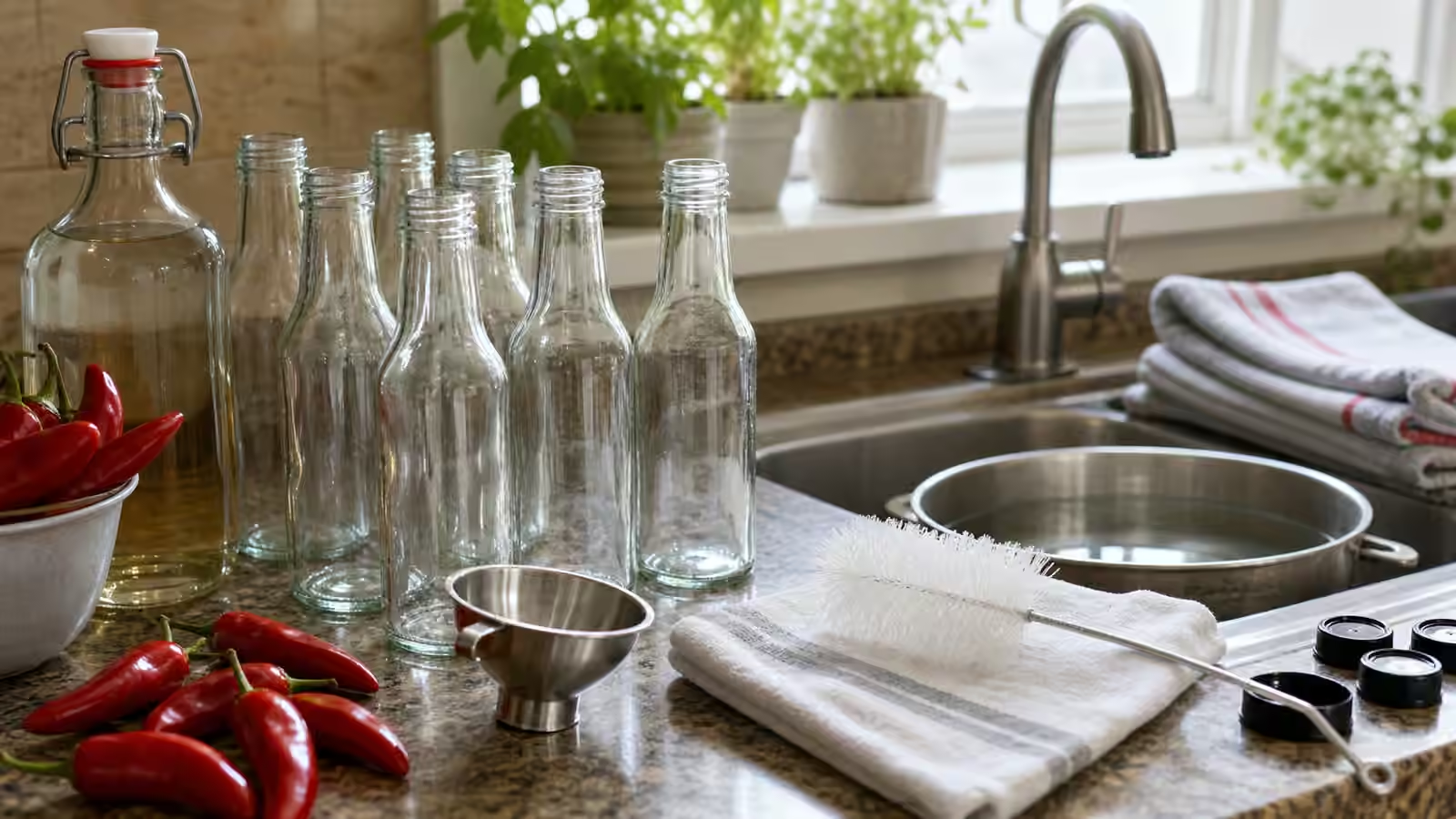
Clean bottling is less glamorous than pepper choice, but it is part of flavor discipline. A sticky neck collects dried sauce. Dried sauce attracts handling problems. Handling problems make a bottle age faster and look less cared for. Wash bottles, caps, funnels, and tools thoroughly, let them dry, and set up a clean counter before you start. If you are making sauce from scratch, the broader process in Making Your Own Hot Sauce gives the context, while Hot Sauce Storage and Safety covers the conservative storage habits that matter after bottling.
Leave enough headspace that capping is clean, but do not leave a large empty chamber unless the container is meant for immediate use. More air means more room for aroma to fade and color to dull. Wipe the rim before the cap goes on. Wipe again after the first pour if the sauce creeps down the neck. These tiny habits are easy to dismiss until you compare two bottles from the same batch: one clean and tightly capped, one crusted and half-closed.
Warm sauce can flow through a funnel more easily than cold sauce, but warmth is not a safety guarantee. Do not treat hot filling as a shortcut to shelf stability. Homemade sauces should be stored conservatively unless you are measuring acidity and following a tested process. This is especially important with fruit-forward sauces, fresh herb sauces, and sauces that still contain active fermentation. A good bottle makes serving easier. It does not replace good storage judgment.
Label for Use, Not Decoration
A useful home label does not need branding. It needs to help someone use the sauce well three weeks later. Write the batch date, the main pepper, the style, and a simple food cue. “Fresno ferment, eggs and rice” is better than a clever name nobody remembers. “Roasted habanero carrot, hot, grilled chicken” tells the future version of you what the bottle wanted to be. If the sauce should stay refrigerated, say that plainly.
Heat labels are most helpful when they are honest about use, not bravery. Mild, medium, hot, and very hot are enough for most home batches. If the sauce uses super-hot peppers, mention that clearly and make the container support tiny portions. A dropper bottle can make sense for an intense concentrate, but it is a poor choice for a sauce that should be enjoyed freely. For broader heat calibration, Understanding the Scoville Scale explains why numbers only tell part of the story.
Test the Bottle at the Table
The real test happens on food. Put the finished bottle beside a plain egg, a tortilla chip, a spoonful of rice, or a roasted potato. Shake or stir as you expect someone else to do. Pour once without fussing. If the sauce lands in the right amount, the container is working. If it gushes, clogs, spits, or leaves most of the flavor stuck near the bottom, adjust the hardware or the texture.
This final test can also reveal balance problems. A bottle that pours too fast may make acid feel harsher because every bite gets more sauce than intended. A bottle that resists pouring may make the sauce seem weaker because people give up before adding enough. Salt, acid, and heat are perceived through portion size. That is why Salt Balance in Hot Sauce and Vinegar and Acid Balance in Hot Sauce still matter after the sauce is bottled. The container controls the dose, and the dose changes the flavor.
A good bottling choice disappears into the meal. Nobody thinks about the reducer cap, the squeeze tip, or the jar mouth. They just add a little, taste, and add a little more if the food asks for it. That is the quiet success of bottling hot sauce for the table: the sauce arrives in the amount it needs, with its texture intact and its purpose clear.