Bottle Necks, Caps, and Pour Control for Hot Sauce
The bottle is part of the recipe. A sauce can taste balanced in the blender and still become frustrating at the table if the neck is too narrow, the cap dribbles, the reducer holds back pulp, or the sauce lands in a rush instead of a clean line. Hot sauce is concentrated seasoning, so the way it leaves the container changes how people use it. A few drops can wake up eggs. A tablespoon can rescue a bowl of beans. The wrong opening can turn either one into a mess.
This is the serving side of Hot Sauce Texture and Body . Texture decides how the sauce feels in the mouth, but hardware decides whether that texture can behave. Thin vinegar sauces want one kind of control. Chunky fermented sauces want another. A spoonable chile paste may not belong in a narrow bottle at all. Thinking about the container before the final blend saves a surprising number of batches.
Start With The Sauce, Not The Bottle
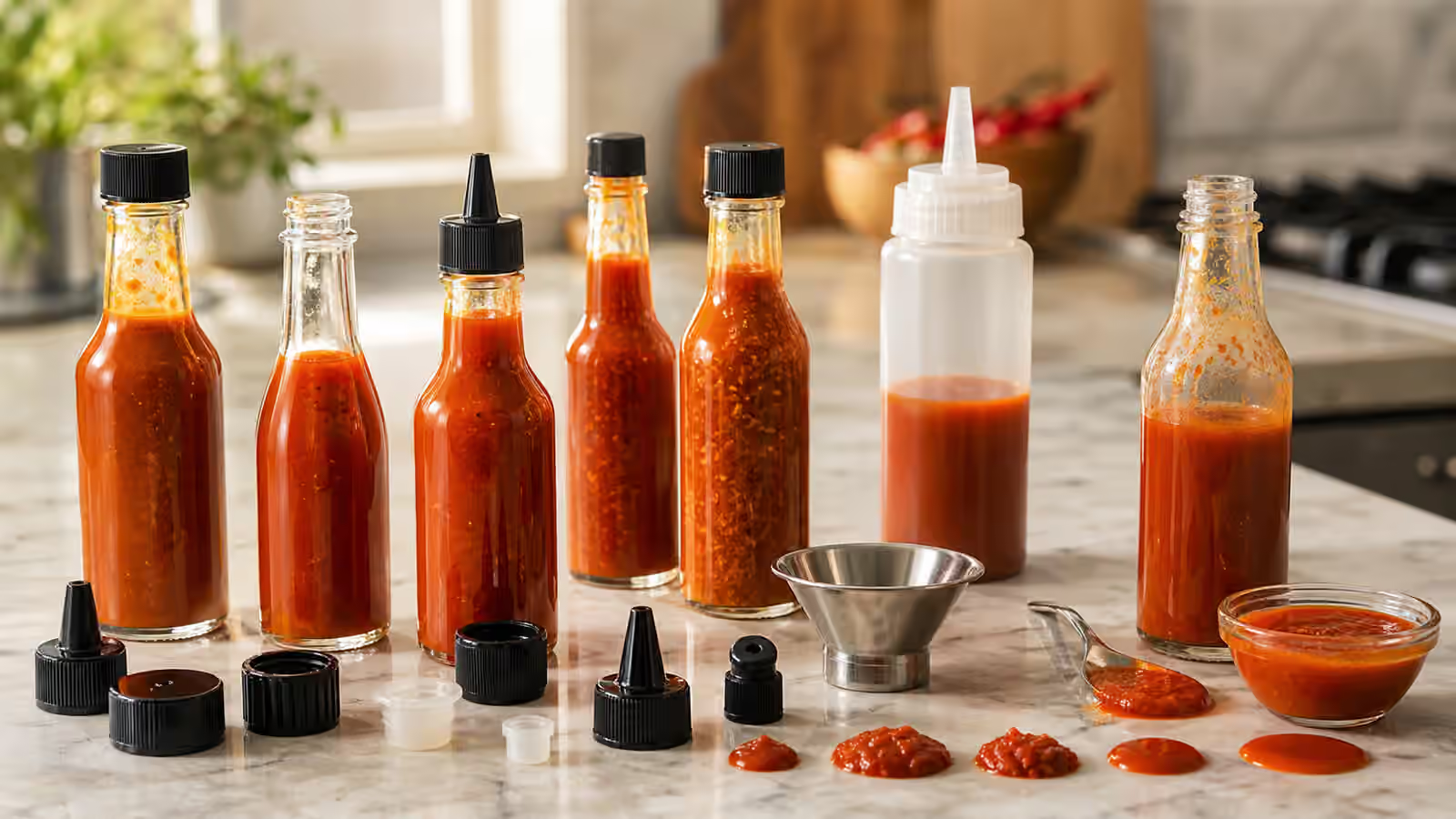
The common mistake is choosing a familiar bottle shape first and then forcing every sauce into it. A woozy bottle looks like hot sauce, but it is not a universal answer. It works best with thin, strained sauces that can move through a small opening without dragging pulp behind them. If the sauce includes visible seeds, coarse chile skin, fruit fiber, garlic bits, herbs, or toasted spice grit, the same bottle can clog or pour unevenly.
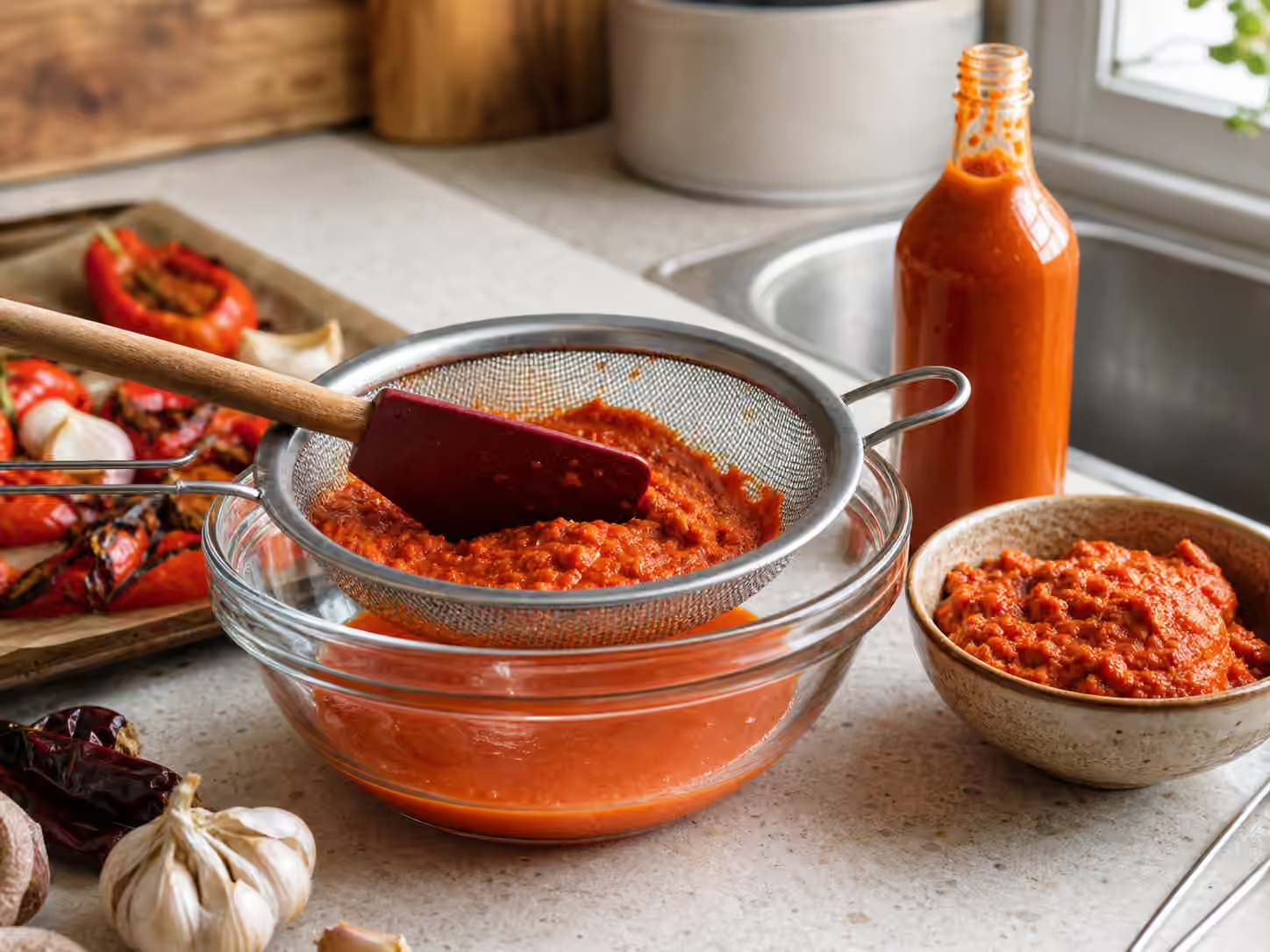
Look at the sauce after it rests. Freshly blended sauce is full of bubbles, and bubbles make texture seem lighter than it is. After an hour or a night in the refrigerator, the truth appears. A watery top may separate from a heavy pepper layer. Seeds may settle. A sauce that looked pourable may become a plug. This is the right time to decide whether to strain, thin, stir back pulp, or choose a wider opening.
If the batch is still changing, do not rush the hardware choice. Resting and Aging Hot Sauce explains how flavor settles, but texture settles too. A sauce that rests into a clean, stable pour can use a tighter cap. A sauce that rests into a spoonable mash should be treated honestly.
Reducers Are For Thin Sauces
A reducer insert turns a bottle into a dropper. It is useful when the sauce is thin, salty, acidic, and strong enough that people should use it carefully. Louisiana-style vinegar sauce, pepper vinegar, and some strained fermented sauces can benefit from a reducer because the small opening keeps the table from flooding the plate. The best reducer makes the sauce feel precise rather than stingy.
Reducers punish pulp. Even tiny fragments can collect around the hole and make the sauce burp, sputter, or refuse to pour until someone shakes it hard. Hard shaking can then release too much sauce at once. If a sauce needs a reducer but keeps clogging, the answer is not always more thinning. It may need a finer strain, a longer blend, or a different serving plan. Too much extra vinegar or water can turn a flavorful sauce into a thin hot liquid that pours well but tastes hollow.
The salt and acid level matters here. A reducer makes each drop seem more deliberate, so the sauce needs enough seasoning power to matter in small amounts. If it tastes weak unless poured heavily, it probably wants a freer opening or a different concentration. Salt Balance in Hot Sauce is a useful check before blaming the cap.
Flip Tops And Squeeze Caps Need Body
A flip top or squeeze cap is friendlier to medium-bodied sauces. It gives a line instead of drops, which works for tacos, sandwiches, rice bowls, grilled vegetables, and roasted potatoes. The sauce should be thick enough not to run everywhere and smooth enough not to block the opening. That middle ground is where many homemade sauces want to live.
Squeeze bottles hide some problems and reveal others. They can push a thicker sauce through an opening that would frustrate a glass bottle. They also encourage people to use more sauce because the motion feels generous. A very salty, acidic, or hot batch may become too aggressive in a squeeze bottle, even if the texture is right. A medium habanero-carrot sauce might be perfect there. A superhot vinegar sauce probably is not.
Cap material changes cleanup as well. A sauce with sugar, fruit, or cooked vegetable body can dry around a flip cap and become sticky. A sauce with seeds can lodge in a pointed nozzle. If the bottle will live on a busy table, choose a cap that can be rinsed easily. A beautiful cap that is annoying to clean turns into a neglected bottle.
Wide Mouth Jars Are Not A Failure
Some sauces should be spooned. Harissa-style paste, salsa macha-style crunch, coarse sambal, herb-heavy green sauce, and rustic dried chile table sauce can lose their character when strained into obedience. A jar with a spoon may serve them better than a bottle with a narrow neck. This is not less polished. It is a more honest match between texture and use.
Wide containers also let the aroma arrive differently. A thick sauce in a jar smells fuller because more surface is exposed. That can matter for sauces built around toasted chiles, roasted garlic, herbs, or warm spices. A narrow bottle is convenient, but it can make a coarse sauce feel like a problem to solve. Sometimes the sauce is already right and the container is wrong.
If the sauce will be shared, the serving plan should be clear. A spoonable jar belongs with clean utensils and refrigeration habits. A bottle can be used drop by drop without much contact. The broader handling questions live in Sharing Homemade Hot Sauce and Storage, Shelf Life, and Safety , but the practical point is simple: the container should support how the sauce will actually be used.
Test The Pour On Food
Testing over the sink tells you only whether the sauce can leave the bottle. Testing on food tells you whether the pour makes sense. Try the finished sauce on a plain egg, a spoonful of rice, a tortilla, a potato, or a piece of roasted vegetable. Watch the line. Does it land where you aim? Does it run into a puddle? Does the first drop take too long and the second come too fast? Does the cap leave sauce on the rim?
Small changes can fix those problems. A brief reblend can break down pulp. A partial strain can remove skins while keeping body. A spoonful of reserved mash can thicken a sauce that pours too freely. A little vinegar, water, or ferment brine can loosen a sauce that needs to move, but those additions should be tasted carefully because they change more than flow.
The best bottle feels quiet in use. People should notice the sauce, not the fight to get it out. When the opening, cap, texture, salt, and heat all agree, the table experience becomes easy. The sauce lands where it should, in the amount that makes sense, and every bite tastes like the maker meant it.