
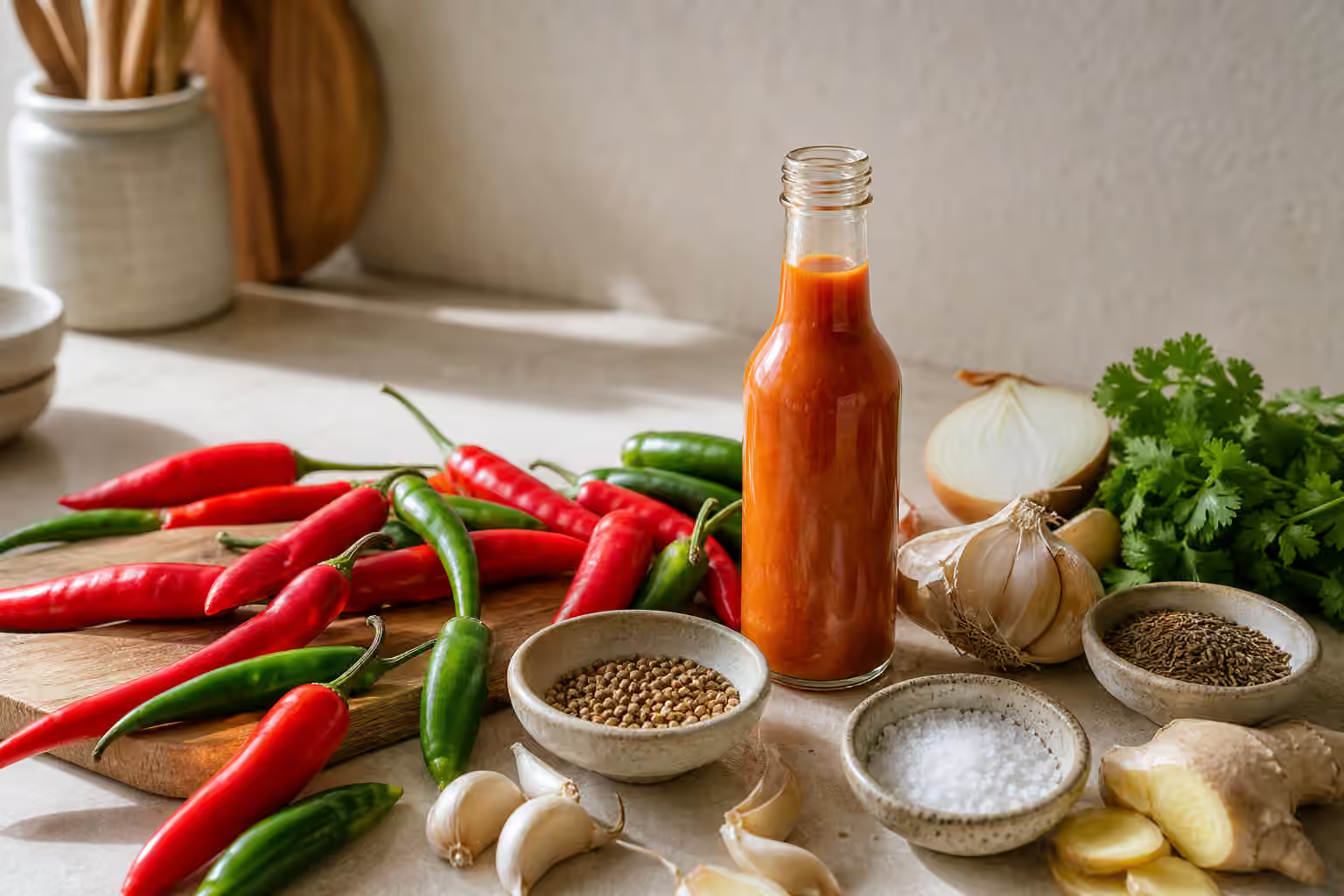
Aromatics and Spices in Hot Sauce
A hot sauce can be built from peppers, acid, and salt alone, but many memorable bottles get their shape from the smaller ingredients around the chile. Garlic can make a sauce taste savory before the heat arrives. Onion can add sweetness and body. Ginger can lift a green sauce without making it taste fruity. Toasted cumin, coriander, mustard seed, allspice, or black pepper can point the bottle toward a specific table. Fresh herbs can make heat feel clean and immediate. These ingredients are powerful because they are not background decoration. They decide what kind of sauce the pepper becomes.
The risk is crowding. Aromatics are easy to add and hard to remove. A blender full of peppers may seem like it can handle more garlic, more onion, more spice, more smoke, and more herbs, but hot sauce is concentrated. What tastes modest in a pot of soup can dominate a five-ounce bottle. Good aromatic design starts with a narrower question: what is the pepper already saying, and which supporting ingredient makes that message clearer?
If the pepper choice is still unsettled, read Choosing Peppers for Hot Sauce first. Aromatics work best when they support the pepper rather than cover it. A grassy jalapeno sauce usually wants a different supporting cast than a ripe habanero sauce, and a dried guajillo sauce asks for different help than a bright cayenne vinegar sauce.
Start With One Main Direction
Aromatic ingredients should give the sauce a direction before they give it complexity. A garlic-forward sauce is a different idea from a ginger-lime sauce, a roasted onion sauce, or a cumin-heavy dried chile sauce. The difference matters because each direction suggests a different kind of food. Garlic and onion make sense with noodles, pizza, roasted vegetables, eggs, beans, and sandwiches. Ginger and herbs fit seafood, rice bowls, grilled chicken, and fresh vegetables. Warm spices pull a sauce toward beans, braises, roasted squash, grilled meat, and stews.
The easiest mistake is building a sauce from every good idea at once. Garlic, onion, ginger, cumin, coriander, cilantro, lime, fruit, smoke, and fermentation can all be delicious, but they do not automatically belong in the same bottle. Too many signals make the sauce hard to use. It tastes interesting on a spoon and confusing on food. A more useful approach is to choose one main aromatic family, then let the other ingredients stay quiet.
This is the same habit that makes Vinegar and Acid Balance in Hot Sauce useful. Acid is not just “more sour”; it has a job. Aromatics deserve the same treatment. Garlic is not just “more savory.” Cumin is not just “more spice.” Cilantro is not just “more fresh.” Each one should answer a problem in the sauce.
Garlic Changes With Heat And Time
Garlic is the most common aromatic in hot sauce because it gives immediate savory depth. It also has the widest range between useful and overwhelming. Raw garlic is sharp, hot in its own way, and persistent. In a fresh green sauce, a small amount can make jalapeno, serrano, lime, and herbs taste complete. Too much can make the sauce harsh, especially after a day in the refrigerator, when the pepper aroma settles and the garlic keeps pushing forward.
Cooked garlic is rounder. A brief simmer softens its bite and lets it merge with vinegar, peppers, and onion. Roasted garlic is sweeter and darker, almost spreadable in flavor, which makes it a natural partner for roasted red peppers, chipotle, guajillo, carrot, tomato, and thicker spoon sauces. The tradeoff is that roasted garlic can make a sauce feel heavy if the acid line is weak. It needs brightness nearby or it turns plush in a dull way.
Fermented garlic behaves differently again. During fermentation, its raw edge can relax into a deeper, more integrated savoriness. That can be beautiful in a red pepper ferment, but the amount still matters. Garlic keeps its identity through fermentation more strongly than many people expect. If the jar smells mostly like garlic by day three, the finished sauce probably will too. For broader fermentation planning, Fermentation Flavor Design is the better companion than a recipe that simply says to add cloves by habit.
Onion Builds Body As Much As Flavor
Onion is often treated as background, but it changes texture and sweetness as much as aroma. Raw white onion gives a clean bite, useful in fresh sauces that are closer to salsa. Red onion can add sharpness and a little fruitiness, though its color may muddy a pale sauce. Scallion can keep a green sauce lively without the heavier sweetness of bulb onion. Cooked onion, especially when softened slowly, gives body and roundness that can make a thin pepper sauce feel more complete.
Roasted onion is a strong tool for cooked red sauces. It brings sweetness, browned depth, and enough pulp to help the sauce cling. That makes it useful when a pepper blend tastes bright but narrow. A cayenne and vinegar sauce may not need onion at all because its job is to splash and cut. A roasted fresno, habanero, or dried chile sauce often benefits from it because the style is meant to sit on the bite longer. If onion makes the sauce taste good but too thick, Hot Sauce Texture and Body will help with thinning, straining, and deciding whether the bottle should pour or spoon.
Onion can also create a storage expectation. Fresh onion-heavy sauces often taste best refrigerated and used quickly because their raw aroma changes faster than vinegar and pepper. Cooked or fermented onion can be more integrated, but it is still part of the sauce’s overall preservation plan. For home batches, it is better to think in terms of acidity, cleanliness, refrigeration, and batch size than to assume one ingredient makes a sauce stable. Storage, Shelf Life, and Safety covers that wider discipline.
Ginger, Herbs, And Citrus Peel Add Lift
Some hot sauces need aroma more than weight. Ginger is useful there because it gives brightness without adding much sweetness. It works well with green chiles, habanero, Scotch bonnet, pineapple, lime, rice vinegar, garlic, and soy-style savory flavors. Fresh ginger can taste sharp and lemony. Cooked ginger becomes warmer and softer. Dried ginger is more diffuse and can taste dusty if it sits too long in the spice drawer. For most hot sauces, fresh ginger is the cleaner choice, used with restraint.
Fresh herbs need an even lighter hand. Cilantro, parsley, mint, basil, dill, and oregano can all work, but they move a sauce away from long-storage pantry condiment and toward fresh table sauce. That is not a flaw. A serrano-cilantro sauce can be exactly right for tacos, eggs, grilled fish, and rice bowls. A parsley-jalapeno sauce can behave almost like a hot chimichurri. A minty green sauce can wake up lamb, yogurt, cucumber, or grilled vegetables. The point is to let those sauces be fresh rather than forcing them to act like shelf sauces.
Citrus zest and peel deserve mention because they are aromatic ingredients, not just acid. Lime zest can make a green sauce smell vivid before any juice is added. Orange zest can support habanero or Scotch bonnet without turning the sauce into a fruit puree. Lemon zest can brighten garlic and herbs. The white pith is bitter, so the useful part is the colored outer zest. Add it near the end and taste carefully. Zest is potent in a bottle.
Toast Spices For A Reason
Dry spices can give hot sauce a clear regional or culinary signal. Cumin makes a sauce feel earthy and warm. Coriander seed adds citrus-like roundness. Mustard seed brings pungency and a little texture if left coarse. Allspice can make Scotch bonnet sauces feel warmer and more Caribbean in spirit. Black pepper adds a different kind of bite from chile heat. Smoked paprika can deepen color and aroma, though it can also flatten the sauce if it is used as a shortcut for real roasted flavor.
Toasting whole spices before blending can make them taste more alive. The goal is fragrance, not darkness. Burned cumin or coriander will make the entire sauce bitter, and vinegar will not hide it. Toast gently, cool the spices, then grind or blend them thoroughly. If the sauce is meant to be silky, strain after blending or use ground spices carefully. A gritty spice texture can make a sauce feel unfinished even when the flavor is good.
Ground spices are convenient, but they vary widely in strength. A fresh jar of cumin is not the same as one that has been open for two years. This is why spice-heavy sauces should be built gradually. Blend a small amount, rest the sauce, then taste on food. Beans, potatoes, rice, grilled chicken, and roasted vegetables are better tests than a spoon because they show whether the spice helps the meal or just announces itself.
Smoke And Char Need A Light Hand
Smoke is an aromatic too, even when it comes from roasted peppers rather than the spice cabinet. Charred jalapenos, roasted poblanos, chipotle, smoked paprika, and fire-roasted tomatoes can all make a sauce taste deeper. They also make sauces taste alike when overused. Smoke clings to the palate and can cover the fresh top notes that make peppers distinct.
The best smoky sauces usually have contrast. They need acid so the smoke does not feel dusty. They need salt so the roasted notes taste savory instead of flat. They often need body because smoke in a watery sauce can feel thin and harsh. A small amount of fruit or roasted onion can help, but sweetness should not be the only fix. If a smoky sauce tastes bitter, more sugar may hide the edge for one bite while leaving the finish tired.
Use smoke to echo the food. Grilled meat, beans, roasted mushrooms, corn, squash, potatoes, and barbecue-adjacent dishes can all handle it. Delicate eggs, seafood, and fresh vegetables may need a brighter sauce instead. The Sauce Pairing Guide is useful here because smoke is one of those flavors that succeeds when it matches the plate and fails when it is forced onto everything.
Let The Sauce Rest Before Judging
Aromatics change after blending. Garlic spreads. Onion sweetness appears. Ginger sharpness can relax. Toasted spices hydrate and become more obvious. Fresh herbs fade or darken. Vinegar seems louder after air bubbles settle. A sauce that tastes perfectly balanced straight out of the blender may taste crowded the next morning.
Resting is not passive. It is part of the method. Blend, taste, adjust lightly, then let the sauce sit before making the next move. If the sauce becomes too garlicky, it may need more pepper body or acid rather than more sweetness. If ginger takes over, more salt may make the pepper clearer, but it will not erase the ginger. If cumin dominates, the most honest fix may be a larger batch built around that flavor rather than trying to bury it.
The best aromatic hot sauces taste specific. They do not just taste like heat plus extras. A garlic-fermented red sauce should taste savory and alive. A ginger-green sauce should taste clean and quick. A roasted onion and dried chile sauce should taste deep without becoming muddy. A Scotch bonnet sauce with allspice should feel warm and aromatic before the burn rises. When the small ingredients make the pepper easier to understand, they are doing their job.


