Aji Amarillo Hot Sauce
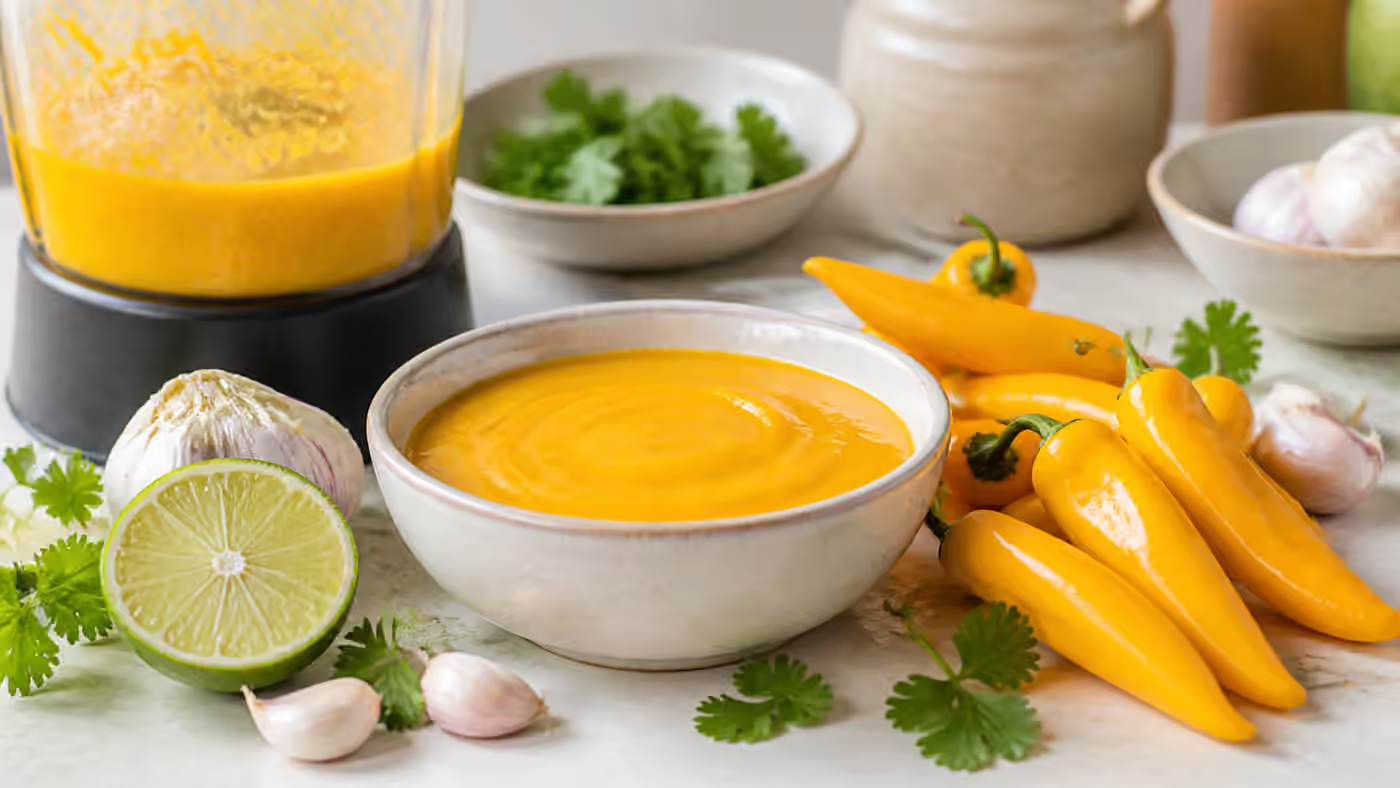
Aji amarillo hot sauce has a different kind of heat from the red pepper sauces that dominate many shelves. Its color is golden, its aroma leans fruity and sunny, and its burn usually feels broad rather than needle-sharp. A good version tastes bright before it tastes hot. It can sit beside roasted chicken, potatoes, rice, beans, eggs, grilled fish, and vegetables without turning every plate into the same red-vinegar experience.
This guide treats aji amarillo as a hot sauce style rather than a claim to one fixed regional formula. The pepper has a strong association with Peruvian cooking, but home hot sauce makers often encounter it as frozen pods, paste, dried chile, or a substitute pepper with a similar yellow fruitiness. The useful question is how to protect its color, aroma, and medium heat while building a sauce that pours cleanly.
If you are still learning how pepper choice shapes the bottle, read Choosing Peppers for Hot Sauce first. Aji amarillo is a good example of why heat level is only one part of pepper selection. Its value is not only how hard it hits. Its value is the flavor it brings at the same time.
Respect The Yellow Pepper Character
Aji amarillo should not be treated like a neutral heat source. The pepper has a warm fruit quality that can suggest apricot, yellow bell pepper, tropical fruit, and fresh chile all at once. That flavor can disappear if the sauce is pushed too dark, cooked too aggressively, or covered with heavy spices. The goal is to make a sauce that tastes yellow, not merely one that looks yellow.
Fresh or frozen aji amarillo peppers often need prep. Seeds and ribs can bring heat and bitterness, while the flesh carries color and aroma. Many makers remove some seeds to keep the sauce useful, especially when the sauce is meant to be spooned generously. If using prepared paste, taste it before building the sauce. Some pastes include salt, acid, oil, or stabilizers, and those choices change the rest of the batch.
When aji amarillo is unavailable, a blend of yellow or orange peppers can move in the same direction. Yellow bell pepper gives body and color but little heat. Fresno or habanero can add warmth, though habanero brings a more tropical and sharper personality. The substitution should support the sauce, not pretend to be exact. Pepper Substitutions for Hot Sauce is the right companion if you need to adjust around what the market has.
Cook Gently For Color And Body
Aji amarillo sauce usually benefits from gentle cooking. Brief heat softens the pepper flesh, quiets raw garlic, and helps the sauce blend into a smooth, sunny puree. Hard simmering is less helpful. It can dull the aroma, darken the color, and make the sauce taste more like cooked vegetable than chile. Keep the pot relaxed and stop when the ingredients are tender.
Garlic belongs in the background. Too little and the sauce can taste only fruity and hot. Too much and the pepper becomes a delivery system for garlic. A small amount of onion can add sweetness and body, but browned onion can drag the sauce into a darker lane. If you want a creamier texture, cooked potato or a small amount of oil may appear in some table sauces, but bottled hot sauce needs a conservative storage plan when fat or starch enters the picture.
The liquid should be chosen for brightness. Water gives room to adjust. Vinegar adds stability and snap. Lime brings aroma but can become thin if it is the only acid. A balanced sauce often uses vinegar for structure and citrus for lift. Add citrus late enough that it still smells fresh.
Keep Acid Clean And Salt Clear
Aji amarillo sauce can taste dull when the acid is too soft. The pepper has enough fruitiness that it needs a clean edge. White vinegar is direct, rice vinegar is gentler, and apple cider vinegar adds roundness. None is automatically correct. The acid should make the yellow pepper more vivid. It should not make the sauce taste like pickle brine.
Salt has to be clear because yellow pepper sauces can drift sweet. If the sauce tastes pleasant but unfocused, salt may be missing. If it tastes sharp but hollow, it may need more pepper body before more acid. Taste in stages and let each addition settle. Adjusting Hot Sauce After Blending is helpful because aji amarillo sauce often changes noticeably after ten minutes of rest.
Sweetness should be restrained. A small amount can round the burn, especially if the peppers are sharp or the vinegar is firm. Too much makes the sauce taste like a glaze. Let the pepper carry most of the fruit impression. The sauce should remain savory enough for potatoes, chicken, rice, and eggs.
Make The Texture Fit The Table
Aji amarillo sauce is often at its best when it is smooth enough to spoon or squeeze but not so thin that it runs away from food. The pepper flesh can give natural body, especially when blended with softened onion or another mild yellow pepper. If the sauce is made from paste, it may already have body and need careful thinning. If it is made from dried chiles, it may need soaking liquid and a longer blend.
Straining is a matter of use. A silky sauce feels polished and works well in squeeze bottles. A lightly rustic sauce can taste more pepper-forward and cling better to grilled food. If skins or seeds make the sauce gritty, strain lightly and then reblend. Do not strain so hard that all the character is left in the sieve.
Color is part of the experience. Dark vinegar, too much browning, old garlic, or heavy spices can turn a golden sauce muddy. That does not mean the sauce is ruined, but it changes what the eater expects. Hot Sauce Color Control covers this habit in more detail: color is not vanity when it prepares the palate for a certain kind of flavor.
Use It Where Bright Heat Helps
Aji amarillo hot sauce is especially good when food needs warmth without smoky heaviness. It can wake up roasted potatoes, grilled chicken, fried eggs, corn, rice bowls, beans, seafood, and sandwiches. It can also be stirred into yogurt, mayo, or a simple vinaigrette when the sauce has enough acid and salt to carry the mixture. If the sauce tastes great on a spoon but disappears on food, it probably needs more salt or acid rather than more heat.
Storage should match the ingredients and process. A fresh sauce with garlic, citrus, and cooked vegetables belongs in the refrigerator unless it is made under a tested preservation method. Clean handling matters, especially when the sauce is thick enough to cling to caps and bottle necks. Use smaller bottles if the batch will be opened often.
The point of aji amarillo hot sauce is not to be the hottest bottle in the room. It is to give food a yellow chile brightness that red sauces cannot imitate. When the pepper is clear, the acid is clean, and the texture lands where it is aimed, the sauce becomes a quiet staple: sunny, warm, and easy to reach for.