Adjusting Hot Sauce After Blending
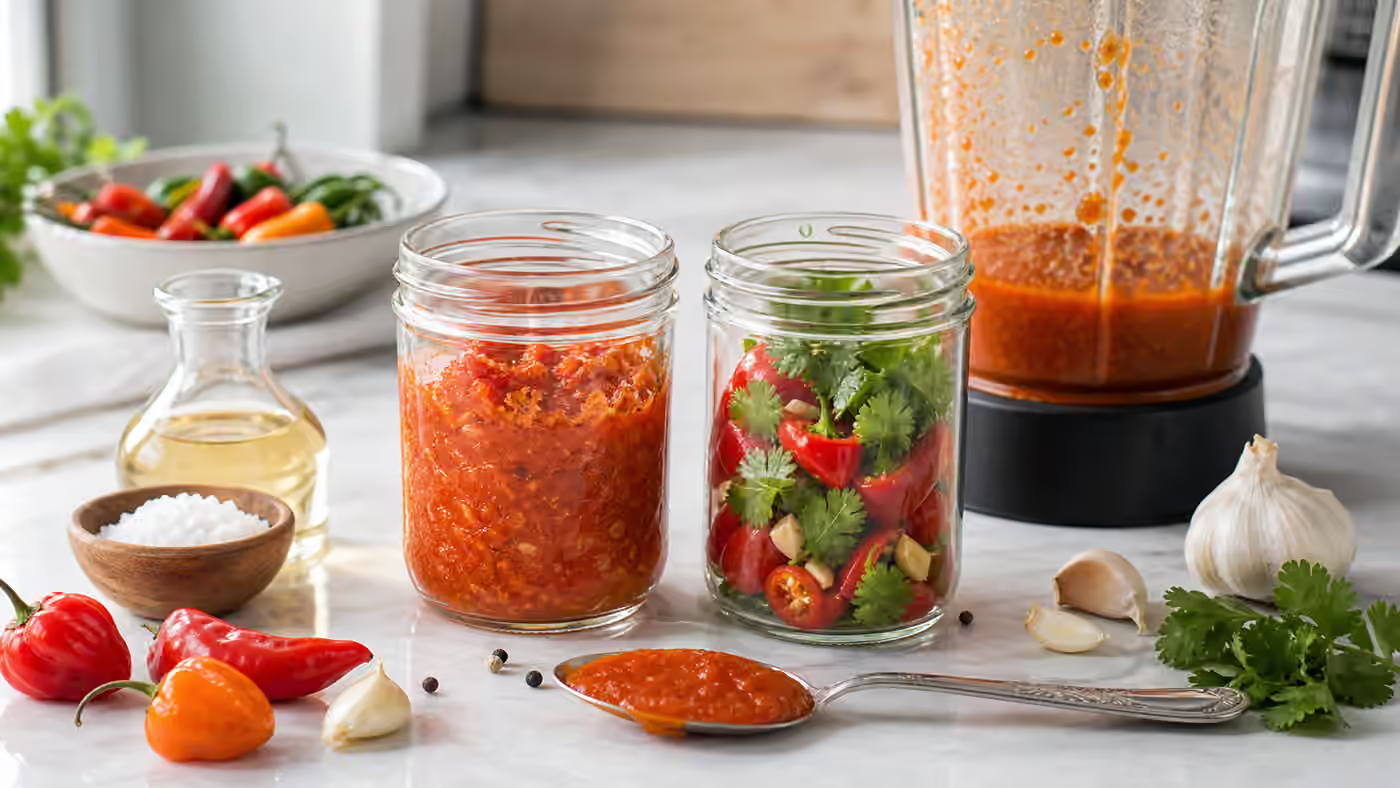
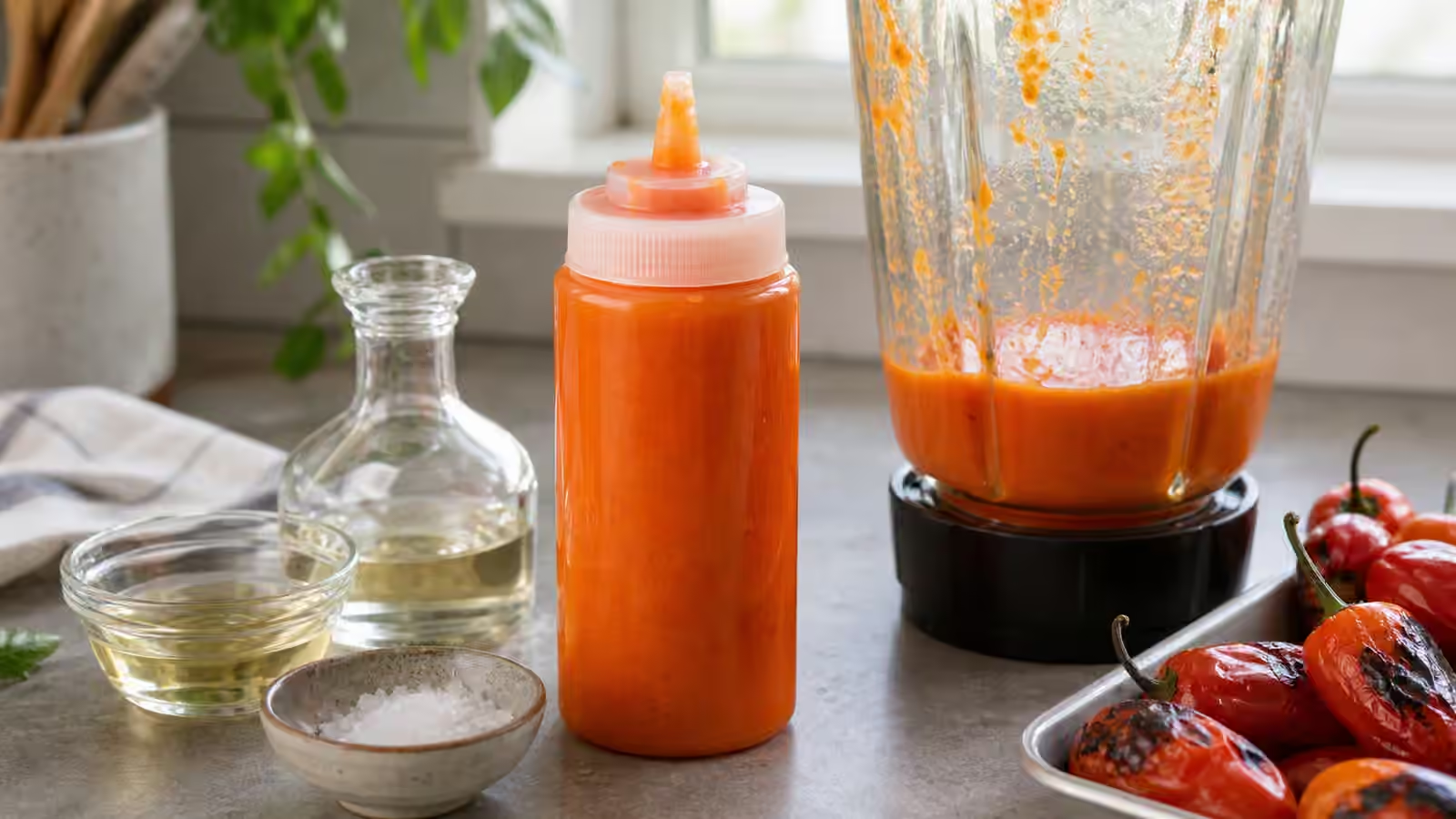
The blender is not the finish line. It is the first moment when the whole sauce can finally be judged. Before blending, peppers, vinegar, salt, garlic, fruit, brine, roasted vegetables, and dried chiles are still separate arguments. After blending, they become one sauce, and the real questions appear. Is the heat readable? Does the acid brighten or scrape? Does the salt make the pepper taste clearer? Does the sauce pour, cling, or separate in a way that fits the food?
Most disappointing homemade hot sauces are not ruined by one bad ingredient. They are left unfinished. A sauce can be close and still taste hollow, harsh, watery, muddy, or too hot for its own flavor. The final adjustment pass is where you make small corrections instead of adding more of everything. It is quieter than choosing peppers or starting a ferment, but it often decides whether the bottle becomes useful.
If you are still choosing a method, start with Making Your Own Hot Sauce . This guide begins after the first blend, when the sauce exists but has not yet earned a bottle.
Let The Sauce Settle Before You Judge It
Freshly blended hot sauce lies a little. Tiny air bubbles make it look paler and thicker than it will be later. Warm sauce tastes more aromatic and less sharp than the same sauce chilled. Salt may not be fully dissolved. Vinegar can seem separate. Raw garlic may be loud in the first minute and louder after an hour. Pepper particles keep hydrating, which can change both texture and perceived heat.
Give the sauce a short rest before making final calls. For a cooked sauce, let it cool enough that heat is not hiding acidity. For a fresh sauce, give it at least enough time for the foam to settle and the salt to disperse. For a fermented sauce, blend, wait, and taste again before adding a large vinegar finish. The goal is not delay for its own sake. It is to make corrections to the sauce you will actually bottle, not to the noisy version that just came out of the blender.
Resting also shows texture honestly. A sauce that seemed perfect while spinning may separate into liquid and pulp. A sauce that looked too thick may loosen once bubbles rise. A sauce that looked smooth may reveal skins or seed grit after it sits on a spoon. Texture is not a separate problem from flavor, because a thicker sauce makes acid feel rounder and heat last longer, while a thin sauce makes salt and vinegar arrive quickly.
Taste On Food, Not Only On A Spoon
A spoonful of hot sauce is useful for diagnosis, but it is a harsh testing environment. It exaggerates acid, salt, garlic, and heat because there is no food to absorb or answer them. A sauce that seems intense on a spoon may be perfect on eggs, beans, rice, potatoes, fried chicken, tacos, or roasted vegetables. A sauce that tastes balanced alone may disappear once it hits dinner.
Choose a plain food that resembles the sauce’s real job. If it is meant to be a breakfast sauce, try it on egg or potato. If it is meant for tacos, try it on a tortilla, beans, or a simple piece of meat or mushroom. If it is a green sauce, try it on rice or fish. If it is a dark dried chile sauce, try it with beans or roasted vegetables. This small test prevents the common mistake of tuning a sauce for drama instead of use.
The spoon still matters. It shows aroma, raw edges, bitterness, and texture quickly. But the plate tells you whether the sauce helps. A good adjustment pass moves between both. Taste a small amount straight, then taste it with food, then decide what the sauce is asking for.
When A Sauce Tastes Flat, Start With Salt
Flatness often feels like a lack of acid, heat, or garlic, but salt is usually the first correction to test. Under-salted hot sauce tastes blurry. Pepper aroma stays hidden, vinegar seems dull rather than bright, fruit tastes heavy, and heat can feel detached from flavor. A small salt adjustment can make the existing ingredients stand up without changing the sauce’s direction.
Add salt carefully and blend or stir until it dissolves fully. Then wait a moment before tasting again. Salt perception changes as it spreads through a thick puree. A sauce that tastes almost right after thirty seconds may taste properly seasoned after a few minutes. This is especially true for sauces with roasted vegetables, fruit, or fermented mash because their body can hide seasoning at first.
Salt is not only about making sauce salty. It clarifies. It separates pepper flavor from vegetable sweetness, makes acid feel more precise, and can make mild heat seem more present. The line is still real. Too much salt makes a sauce tiring and can sharpen bitterness in dried chiles or roasted skins. For a deeper explanation of how salt behaves in brines, fresh sauces, and finished bottles, read Salt Balance in Hot Sauce .
When A Sauce Tastes Heavy, Add Acid With A Plan
Acid gives hot sauce lift. It cuts fat, wakes up starches, and keeps pepper heat from feeling muddy. But adding vinegar every time a sauce seems dull can create a different problem: a sauce that is sour and still flat because the salt, body, or pepper choice was never fixed.
After salt is in the right neighborhood, acid becomes easier to read. A heavy cooked red sauce may need apple cider vinegar for round brightness. A green sauce may need lime, rice vinegar, or a sharper white vinegar in a small amount. A fermented sauce may already have lactic tang and only need a restrained vinegar finish to make it pour and sparkle. A dried chile sauce may need acid that lifts the deep notes without making the sauce taste thin.
Add acid in small passes, then blend and rest. Vinegar thins texture as well as flavor, so every splash changes the pour. If the sauce becomes bright but watery, the answer is not more vinegar. It may need more pepper solids, a little cooked vegetable, or partial straining rather than another acid correction. Vinegar and Acid Balance in Hot Sauce is the more detailed companion for that decision.
When Heat Is Too Loud, Do Not Hide It With Sugar
Sugar can soften a sharp burn, but it cannot make a sauce well balanced by itself. When heat overwhelms the pepper flavor, the cleaner fix is usually dilution with ingredients that belong to the sauce. More roasted red pepper, carrot, tomatillo, mild fresh pepper, fruit, or fermented mash can lower the heat while keeping the bottle in the same flavor family. The correction should add body and identity, not just bulk.
A very hot sauce may also need a different role. Some sauces are not meant to be poured freely. They are concentrates for soups, stews, marinades, mayo, yogurt, butter, beans, or a pot of chili. If the flavor is excellent but the heat is too high for table use, forcing it into a narrow bottle may be the wrong ending. A jar with a spoon, a smaller dropper-style serving habit, or a clear pairing plan can make the sauce useful without weakening it into something vague.
If you do use sweetness, keep it connected to the sauce. Carrot, roasted onion, ripe pepper, mango, pineapple, peach, or a small amount of honey can all round heat, but they point in different directions. Too much sweetness turns table sauce into glaze. That can be fine if the sauce is meant for wings or grilled food, but it is not the same as a daily splash sauce. For lower-burn design from the beginning, Mild Hot Sauce Without Losing Pepper Flavor is a better path than rescuing an overbuilt batch at the end.
Fix Texture After The Flavor Has A Direction
Texture corrections are easier once the flavor is close. If you thin a sauce too early, you may chase brightness with acid and end up with vinegar water. If you thicken too early, you may hide a salt problem under more pepper pulp. Let the sauce tell you what it is trying to be, then make the pour fit that role.
When a sauce is too thin, first ask whether it actually tastes thin on food. Some thin vinegar sauces are supposed to move fast. If the flavor disappears, add body from the sauce’s own world: cooked peppers, roasted carrot, fermented mash, softened dried chiles, fruit, or a partial blend of the strained solids. Simmering can reduce water, but it also concentrates salt and acid while changing fresh aroma. Use it carefully when the sauce already tastes close.
When a sauce is too thick, thin it with a liquid that makes sense. Fermented sauces often like reserved brine or a small vinegar finish. Cooked red sauces can take vinegar, water, or pepper cooking liquid. Fresh green sauces may need lime, rice vinegar, or a little water if the salt and acid are already strong. Add liquid slowly, because a sauce can cross from generous to loose faster than expected.
Gritty texture usually means skins, seeds, dried chile fragments, or fibrous aromatics need attention. Blend longer before straining. If straining is needed, avoid pressing so hard that bitter seed fragments and dry skins are forced through. A partial strain can make the sauce pour cleanly without stripping it. For more detail on these choices, read Hot Sauce Texture and Body .
Aromatics Get Louder As They Sit
Garlic, onion, ginger, herbs, citrus zest, spices, and smoke often change after blending. Raw garlic can bloom until it dominates the sauce. Ginger can become sharper. Cilantro can fade. Toasted cumin can spread through a batch and make a sauce taste darker than it did in the first minute. Smoke can move from pleasant background to bitter center if the sauce has little acid or sweetness to hold it.
This is why late aromatic corrections should be modest. If a sauce lacks garlic, add a little and wait. If it needs citrus, try zest or a small squeeze rather than turning the whole batch sour. If it needs smoke, a tiny amount of chipotle or smoked chile may be enough. The question is not whether an aromatic tastes good. The question is whether it gives the sauce a clearer point of view.
The best adjustment often removes the urge to add another ingredient. A flat sauce may not need ginger. It may need salt. A heavy sauce may not need more garlic. It may need acid. A thin sauce may not need spices. It may need pepper solids. Aromatics and Spices in Hot Sauce is useful when the base is balanced but the sauce still needs a more specific voice.
Make One Correction At A Time
Hot sauce is easy to oversteer because every adjustment changes several things. Vinegar adds brightness and thins. Salt clarifies flavor and changes heat perception. Fruit adds sweetness, body, aroma, and sometimes more fermentable sugar. Cooking thickens, darkens, and mutes. Straining smooths texture but can remove flavor. If several changes happen at once, you may improve the sauce without knowing why, or ruin it without knowing which move caused the problem.
Work in small amounts and keep a little unadjusted sauce aside when the batch matters. Comparing the changed sample against the original makes the answer clearer. If the adjusted sample is better, scale the correction to the full batch. If it is worse, you have lost a spoonful instead of a bottle.
Notes help, but they do not need to become paperwork. Record the useful facts: pepper base, liquid additions, salt correction, acid correction, whether it was strained, and what food made the sauce taste right. The next batch becomes easier because you are not trying to remember whether the final lift came from vinegar, salt, or a night of rest.
Bottle Only After The Pour Makes Sense
Before bottling, test the sauce the way it will be served. Shake or stir it, pour it onto a plate, and watch what happens. A thin sauce should move cleanly without leaving most of its flavor behind. A medium sauce should flow with a little cling. A thick sauce should probably live in a jar or squeeze bottle instead of fighting a narrow neck. This is not just packaging. It is part of the eating experience.
Let the filled bottle or jar sit long enough to show obvious separation, then taste again if the sauce changed. Some separation is normal, especially in homemade sauces without stabilizers. Severe separation may mean the blend is too coarse, the liquid ratio is off, or the sauce needs a different container. Bottling Hot Sauce for the Table covers reducers, squeeze bottles, jars, headspace, and serving formats in more detail.
The final pass should leave the sauce with a clear job. It might be a sharp red splash for eggs and beans, a silky orange sauce for tacos and roasted vegetables, a green sauce for fish and rice, or a dark dried chile sauce for soups and braises. Once the salt, acid, heat, body, aroma, and pour all point in the same direction, the sauce is ready for clean bottles, cold storage when appropriate, and real food. That is the moment when a batch stops being blended peppers and becomes a hot sauce worth reaching for again.