Windows are not only views and daylight. In a home energy plan, they are seasonal equipment. A sunny window can be a useful winter heat source, an afternoon comfort problem, a cooling load that arrives every clear day, or a weak spot that makes a room behave differently from the rest of the house. The glass does not need a motor, battery, or app to change the energy map. It changes the map because sunlight carries heat into the room before the thermostat has a chance to react. For background, see DOE — Energy Saver (2022): installing a small solar electric system .
That makes window shading one of the least glamorous but most practical topics in a home energy lab. Before adding more cooling capacity, a larger battery, a bigger solar array, or a more complicated thermostat schedule, it is worth asking how much heat the house is inviting through the windows during the hardest hours. The answer may not replace mechanical equipment, but it can make that equipment’s job smaller and more predictable.
Read the room before blaming the system
A room that overheats in the afternoon is often described as an air-conditioning problem. Sometimes it is. A duct may be weak, a filter may be dirty, a heat pump may be undersized, or a thermostat may be in the wrong place. But a west-facing room with unshaded glass can also be asking for a different kind of help. It may receive its largest heat input just when outdoor temperatures are high and the cooling system is already working hardest.
This is why Home Energy Audit starts with patterns rather than products. Notice which rooms drift first, which windows get direct sun, what time the discomfort begins, and whether the problem follows weather or occupancy. A room that is comfortable on cloudy days and uncomfortable on clear afternoons is giving a useful clue. A room that heats even with the blinds closed may be telling a different story about insulation, attic heat, ducts, air leaks, or internal loads.
The goal is not to make a perfect laboratory out of the living room. A small room thermometer, a notebook, and a few days of observation are enough to learn whether the problem has timing. If the room gains several degrees while direct sun is on the glass, that is information. If the temperature falls quickly after sunset, that is also information. If the room stays warm all night, the issue may involve thermal mass, attic conditions, airflow, or equipment operation rather than window shade alone.
Exterior shade does the quietest work
Shade works best when it stops sunlight before it passes through the glass. Exterior awnings, shutters, overhangs, pergolas, shade sails, exterior screens, and well-placed vegetation can all reduce solar heat gain because the heat is blocked outside the conditioned room. The details matter, but the principle is simple. Once sunlight enters through the window and lands on the floor, sofa, countertop, or wall, much of that energy has already joined the indoor heat load.
Exterior shade does not have to mean a permanent architectural project. A porch roof may already shade one side of the house. A seasonal exterior screen may help a problem window. A deciduous tree may shade summer afternoons while letting more winter light through after leaf drop. A simple awning over a west-facing window may do more for late-day comfort than another thermostat adjustment. The best answer depends on wind exposure, maintenance, fire risk, local rules, durability, access, and the way the home looks from outside.
The shape of the sun also changes the strategy. South-facing glass in many northern-hemisphere homes can often be shaded by an overhang that blocks high summer sun while admitting lower winter sun. East and west windows are harder because low morning and afternoon sun comes in at a shallow angle. Those rooms may need vertical fins, exterior screens, vegetation, or interior habits that match the time of day. A single shading product is rarely the whole plan.
Interior shades still matter
Interior shades, blinds, curtains, and cellular shades usually work after sunlight has reached the glass, so they are not as strong as exterior shade at preventing heat from entering. They still matter because they can reduce glare, slow radiant heat into the room, create an insulating air pocket, protect furnishings, and make a room feel usable. They are also easier to add in many homes because they do not require exterior mounting, ladders, weather exposure, or changes to the facade.
The most useful interior shade is the one that will actually be used at the right time. A beautiful curtain that stays open during the hottest sun is decoration. A cellular shade that closes before the room starts heating can become part of the cooling plan. A reflective liner may help in some windows. A light-colored shade may reject more visible sunlight than a dark one, while a heavy curtain may help with winter comfort. The house does not care about the catalog category as much as the timing, fit, and surface behavior.
Gaps matter. A shade that leaves a wide border of exposed glass may be fine for privacy but weak for heat control. A curtain that floats far from the wall may let hot air circulate freely into the room. A tight top-down shade may solve glare where people sit while leaving daylight above. The right choice often comes from the room’s actual complaint: glare at a desk, heat on a sofa, a nursery that gets too warm before bedtime, or a kitchen that overheats while dinner loads are already high.
Glass choices belong in the long-term plan
Window replacement is expensive enough that it should not be treated as a casual energy-saving step. Existing windows can often be improved with air sealing, weatherstripping, storms, films, shades, or better use habits before replacement makes sense. Still, glass quality matters. U-factor, solar heat gain coefficient, air leakage, frame condition, low-emissivity coatings, storm-window fit, and installation quality all affect how a window behaves.
The important point is that efficient windows are not all efficient in the same way. A window that admits helpful winter sun may be a poor fit for an unshaded west wall in a hot climate. A very low solar heat gain window may reduce summer cooling load but also reduce passive winter warmth. Privacy glass, tint, film, and coatings can change daylight, color, reflectivity, warranty conditions, and exterior appearance. A careful homeowner asks what problem the glass is supposed to solve before assuming replacement is the only serious answer.
This is where Air Sealing and Insulation Priorities remains useful. A drafty window and a sunny window are not the same problem. One leaks air; the other admits radiation. Some windows do both, and those deserve closer attention. Separating the two keeps the repair from becoming vague. Weatherstripping may help drafts. Shade may help solar gain. Replacement may be justified when condition, comfort, moisture, operability, or long-term renovation plans point in that direction.
Shading changes equipment conversations
A heat pump or air conditioner is sized around the load the home actually presents. If a few rooms receive harsh sun every afternoon, that load becomes part of Heat Pump Sizing Basics . The equipment can be made larger to fight the heat, but oversizing has its own comfort and efficiency problems. The calmer approach is to reduce obvious solar gains first, then size equipment around the improved house.
The same logic applies to solar and batteries. A home that uses a lot of afternoon cooling may be tempted to add more panels or storage. Sometimes that is the right move. Sometimes the cheaper and more durable move is to keep direct sun from turning rooms into small greenhouses. If shading cuts the late-day cooling burden, Solar Panel Sizing and battery planning have a clearer target. The energy system no longer has to cover heat that the building could have avoided.
Shading also changes outage planning. During a summer outage, the difference between a room that gets direct afternoon sun and a room that stays shaded can be the difference between tolerable and stressful. A portable battery will not run central cooling for most households, and even a larger backup system has limits. Shade is passive resilience. It does not need fuel, app access, or a charged battery to reduce the rate at which a room heats up.
Controls and habits should stay boring
The best shading plan is simple enough to survive ordinary life. If every window needs a complicated daily ritual, the plan will fade. Focus on the few windows that drive discomfort or cooling load. Close the shade before direct sun hits, not after the room is already hot. Use exterior shade where it is practical. Pair shade with ventilation only when outdoor conditions help, because opening a window on a humid or hotter day can make the cooling problem worse.
Load Shifting at Home is mostly about appliances, EV charging, water heating, and other flexible loads, but window shade is a schedule too. A west room may need attention before late afternoon. An east kitchen may need morning control. A south room may need seasonal adjustment instead of daily fussing. If shades are motorized, schedules can help, but manual shades are perfectly useful when the household understands which windows matter.
Thermostats should not be asked to hide every building problem. If the thermostat sits in a shaded hallway while a sunny room overheats, lowering the setpoint may overcool other rooms while only partially helping the problem space. If the sunny room has a door that stays closed, airflow matters too. The right answer may involve shade, door position, register balance, a ceiling fan, a duct check, or a zoning conversation, not just another degree lower on the thermostat.
Measure the change without chasing perfection
A small test can keep window work honest. Pick one problem room and observe it for a few similar days. Note outdoor conditions in plain language, the time direct sun reaches the glass, the room temperature before the sun arrives, the peak temperature, and whether the shade was closed early. Then change one thing. Close a cellular shade before sun arrives, add a temporary exterior screen if safe and appropriate, or compare a shaded window with an unshaded one. The result will not be a scientific paper, but it will show whether the room responds.
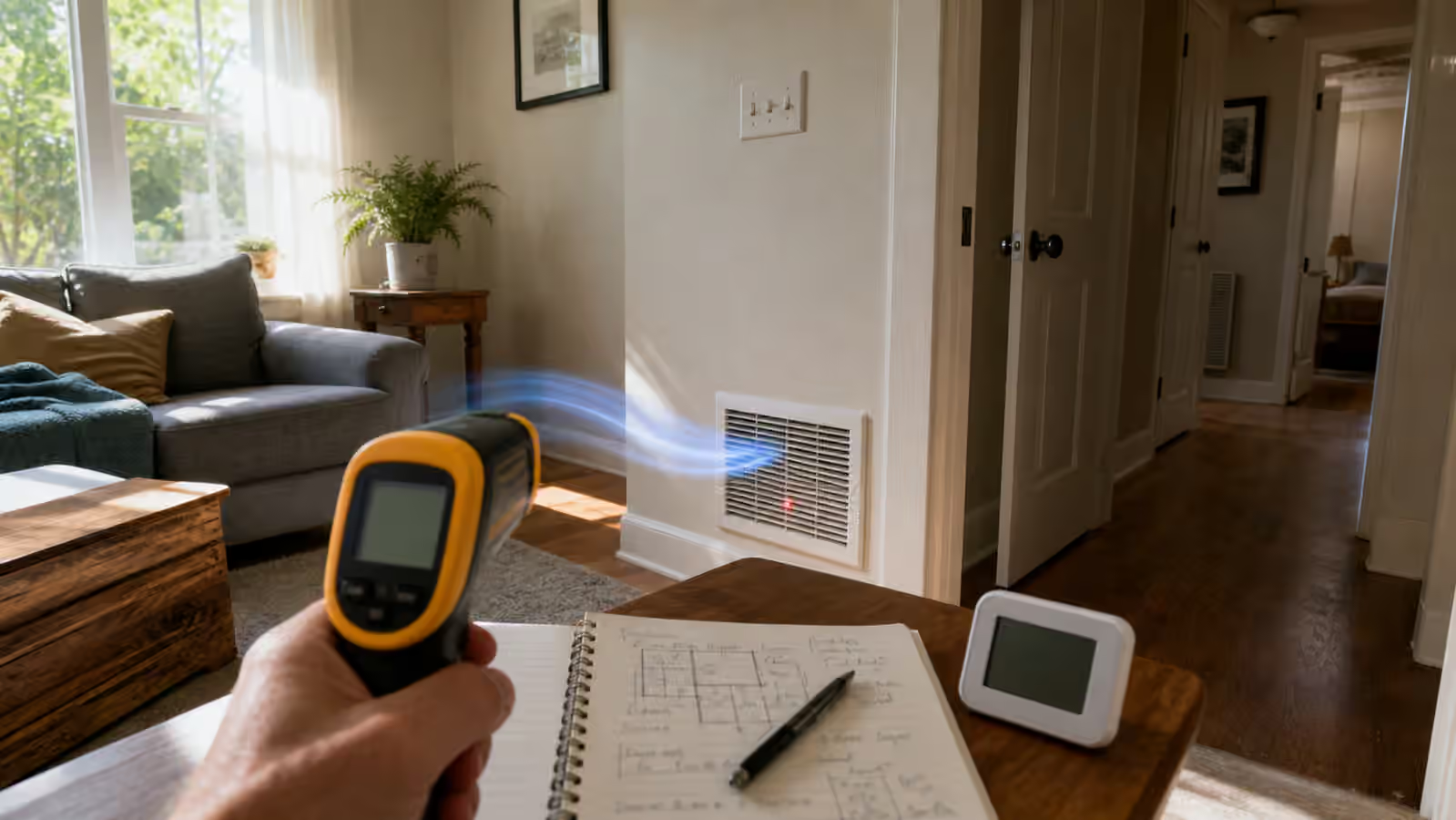
Home Energy Monitoring Basics is helpful here because it keeps measurement practical. Utility bills may show seasonal cooling patterns, while room readings show comfort patterns. A plug-in meter will not measure the sun through a window, but it can show whether a dehumidifier, office setup, or portable air conditioner is part of the same room problem. An infrared thermometer can reveal hot glass, sun-warmed floors, or uneven wall surfaces, though it should be treated as a clue rather than a final diagnosis.
The measurement should lead to a decision. If a simple shade change makes the room comfortable, the project may be done. If it helps but not enough, the next step may be exterior shade, airflow work, attic investigation, or equipment service. If it does nothing, the window may not be the main cause. That is still a useful result because it prevents money from being spent on the wrong fix.
Put sunny rooms on the energy map
Windows deserve a place on Whole-Home Energy Map because they explain why two rooms on the same floor can behave differently. Mark the rooms that receive strong morning, midday, or afternoon sun. Note the windows that already have exterior shade, the windows that rely on interior shades, and the rooms where comfort complaints repeat. Add any planned changes such as a shade, awning, storm window, film, or future replacement.
That map helps future projects. A contractor discussing heat pump sizing can understand why one bedroom is difficult. A solar planner can see whether a cooling load is likely to shrink after shading work. A battery conversation can separate essential loads from avoidable heat gain. A homeowner planning Energy-Saving Upgrades Checklist can put window shading near other modest changes instead of jumping straight to expensive equipment.
Window shading is not a substitute for good HVAC, safe electrical work, insulation, ventilation, or moisture control. It is the quiet layer that reduces how hard those systems have to work. When the right windows are shaded at the right times, the home asks for less cooling, the afternoon feels less punishing, and later energy decisions rest on a house that is cooperating instead of fighting the sun through every pane of glass.