Room air conditioners are often treated as temporary appliances, but they can shape the whole summer energy plan. A window unit in a bedroom may let the central system rest. A portable unit in a home office may rescue one overheated room. A poorly sealed installation can pull hot air in all afternoon. A single-hose portable unit can cool the air near it while creating pressure problems that bring warm outdoor air into the home. The box may be small, but the physics are not. For background, see DOE — Energy Saver (2022): windows and coverings .
The planning question is not whether room cooling is good or bad. It is what problem the room unit is solving. If one room overheats because of sun, equipment, poor airflow, or attic heat, cooling only that room may be practical. If the whole house is uncomfortable, a room unit may become a noisy patch over a larger envelope or HVAC issue.
Find the heat before sizing the appliance
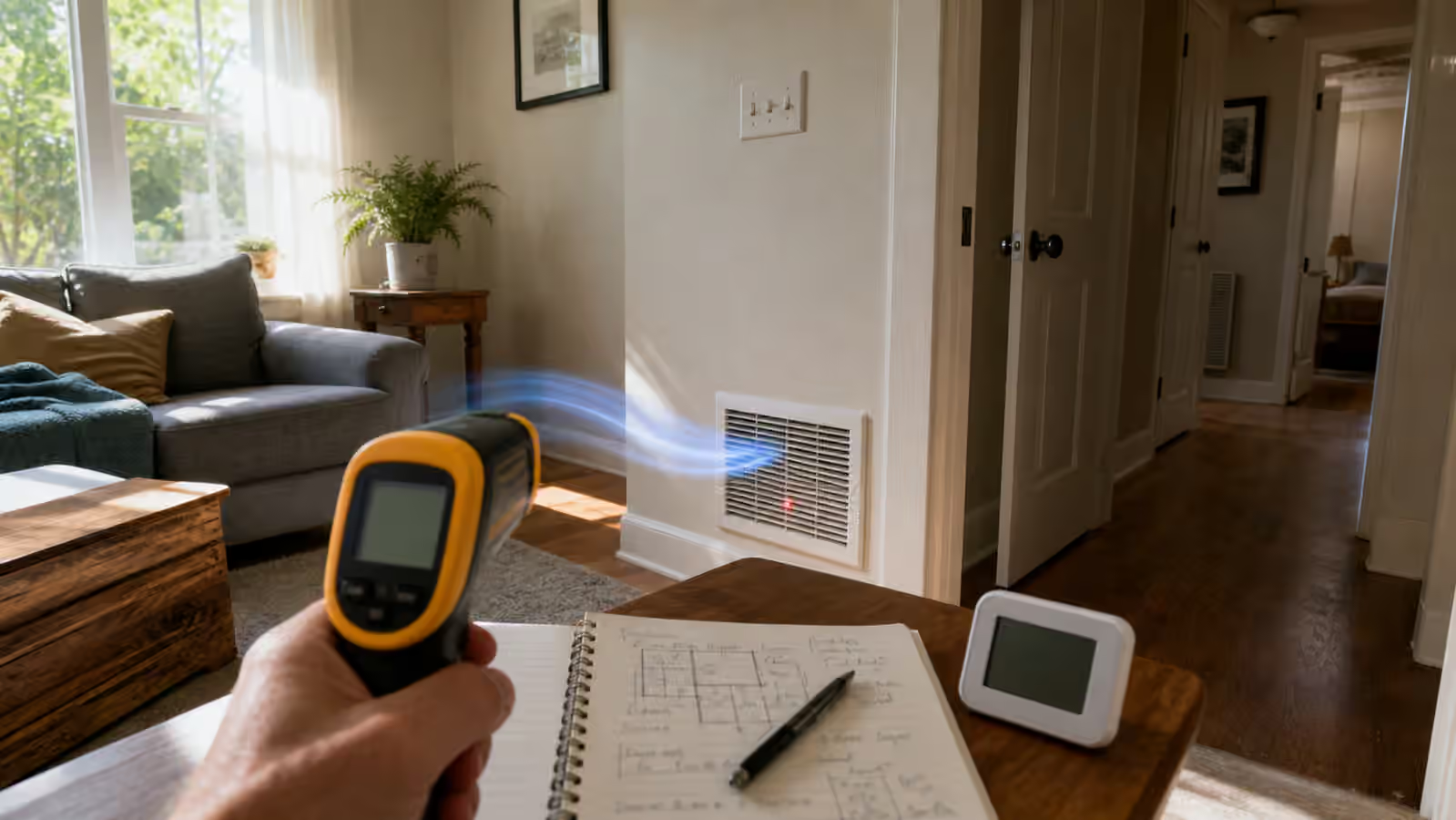
A hot room usually has a reason. West-facing glass, unshaded windows, a room over a garage, electronics, poor duct airflow, closed doors, attic heat, or a lack of return air can all create the complaint. Buying a larger room air conditioner may cool the symptom while leaving the cause untouched. Before shopping, spend a few days noticing when the room gets hot and what else is happening.
Window Shading and Solar Heat Gain should be read beside this guide. Shading a window, closing curtains before the sun hits, or using exterior shade can lower the load before the compressor starts. Ceiling Fans and Room Circulation can help occupied rooms feel better, especially when the air conditioner is cycling gently rather than trying to rescue a room from a large heat buildup.
The room’s door matters too. Cooling a closed bedroom is different from cooling a room that opens to a hallway. A unit sized for one room may never satisfy if it is expected to spill cool air into several connected spaces. On the other hand, a unit that is too large for a small closed room may short cycle, cool unevenly, and do a poor job managing humidity. Room cooling works best when the boundary of the job is honest.
Window units and portable units behave differently
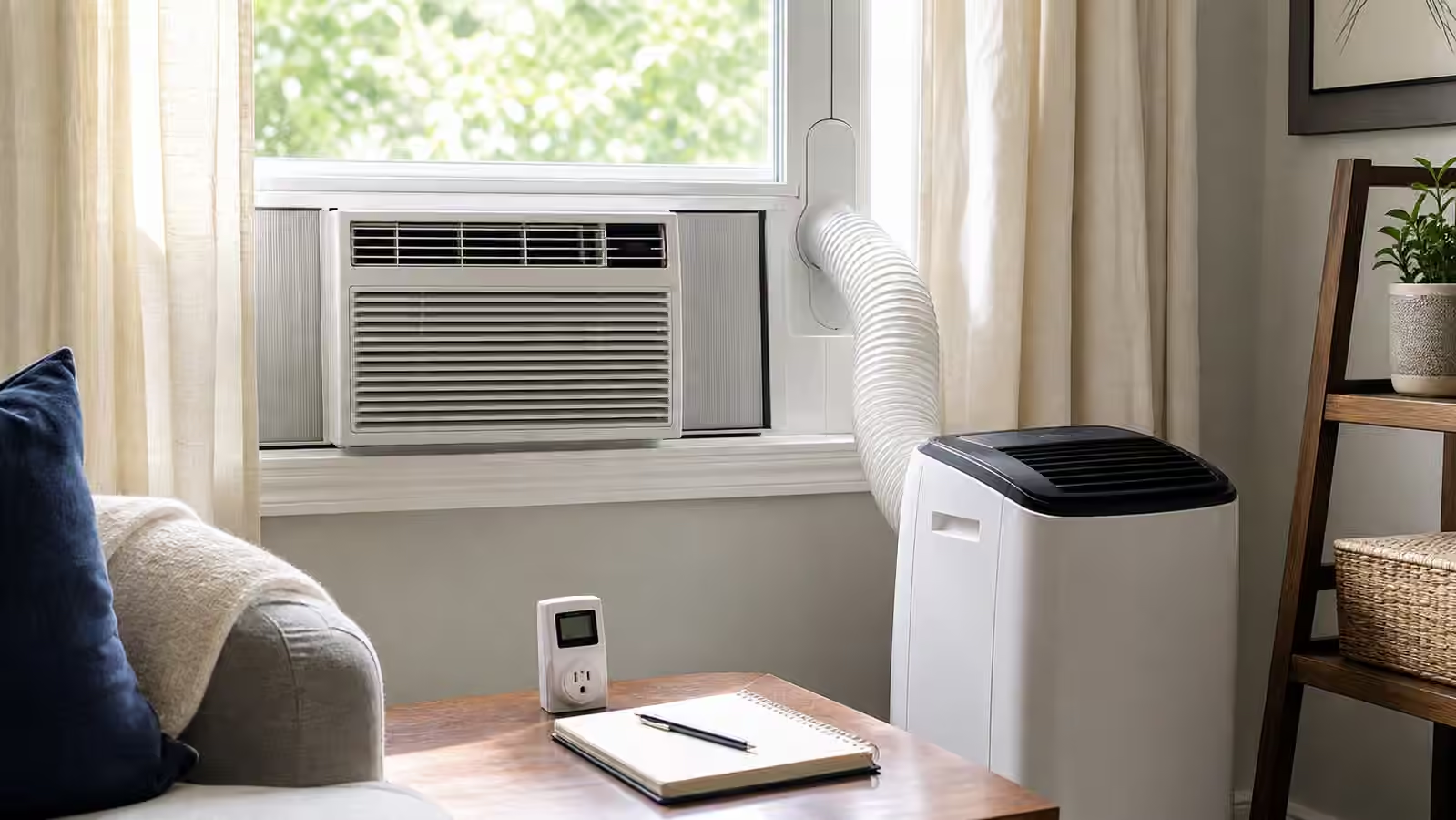
A window air conditioner rejects heat outdoors through the part of the unit that sits outside. It still needs a solid installation, a safe electrical setup, drainage awareness, and a good window fit, but the basic heat path is direct. Gaps around the side panels, a tilted or unstable unit, or a leaky installation can undo some of the benefit. The window opening becomes part of the energy system.
Portable air conditioners sit inside the room and send hot exhaust through a hose to the window. That makes placement flexible, but the hose and window kit matter. A single-hose model can pull room air across the condenser and exhaust it outdoors, which may draw warm air into the home from elsewhere. A dual-hose design can reduce that penalty by using outdoor air for the heat-rejection side, though installation still matters. The visible convenience of wheels and a hose should not hide the air balance.
The hose itself should be short, straight, and insulated if the design benefits from it. A hot exhaust hose snaking across the room is a small radiator. A loose window panel can leak. A unit sitting in direct sun may work harder. These details feel minor when the box is new, but they decide whether the room cools calmly or the unit runs constantly.
Measure plug loads and noise together
A plug-in energy meter can show how much a room unit uses in normal conditions. The nameplate is useful, but measured energy tells the household what happens during real weather and real occupancy. Watts, kWh, and Loads explains why a high-wattage device used briefly can have a different impact from a moderate device running all day. A room air conditioner may cycle, run continuously during heat waves, or sit idle for long stretches.
Noise belongs in the same note as energy. A unit that is efficient but too loud for sleep or calls may get used badly. People may overcool the room before bed to avoid hearing the compressor later, or abandon the unit and cool the whole house instead. The practical energy plan includes where the unit can sit, where the sleeper or worker sits, and how sound moves through the room.
Electrical safety is part of measurement too. Large room units should not be treated casually with long extension cords, overloaded strips, or questionable outlets. If the circuit trips, the plug gets warm, or the installation feels improvised, stop and get qualified help. Electrical Panel Planning Before Home Electrification is aimed at larger upgrades, but the same respect for circuits applies to portable cooling.
Humidity can make a cool room feel wrong
Air conditioning removes heat and, under the right conditions, moisture. A unit that is oversized, short cycling, poorly drained, or used with leaky outdoor air paths may cool the air without making the room feel dry enough. A portable unit may also introduce air-balance issues that affect humidity. If the room feels clammy at a reasonable temperature, do not respond only by lowering the setpoint. Look at runtime, drainage, infiltration, and room airflow.
Dehumidifier Energy Planning is useful because dehumidifiers and air conditioners can overlap. Running both without thought can waste energy or heat one space while cooling another. In some homes, better air conditioning runtime solves the humidity complaint. In others, a damp basement or crawlspace is feeding the problem. The room unit can only solve the room load it actually sees.
Condensate also needs respect. Window units and portable units remove water from air, and that water must go somewhere. Drainage, pans, hoses, and manufacturer instructions matter. A cooling fix should not create a water damage problem at the window, floor, or wall.
Decide what the room unit replaces
The best case for room cooling is specific. A bedroom needs cooling overnight while the rest of the house can drift. A home office runs warm from equipment during the day. A guest room needs occasional support. In those cases, a room unit may reduce whole-house cooling or avoid changing the central setpoint for one room.
The weak case is vague. If a portable unit runs in the living room while the central system also fights the same load, the home may simply be stacking equipment. If a window unit cools a room with open doors while hot air keeps entering from the rest of the house, the appliance may work hard without clear boundaries. Thermostat Schedules and Home Energy can help coordinate central settings with room cooling so the two systems are not arguing.
Room air conditioning is most useful when it is planned as a zone. Name the room, control the sun, seal the installation, measure the load, manage humidity, and decide when the central system should back off. Then the appliance becomes a focused tool instead of a summer guess.