Windows get blamed for winter discomfort because people can feel them. A cold pane, a draft at the sash, a rattling storm window, or condensation on the glass is easier to notice than a leaky attic chase or an uninsulated rim joist. Sometimes the window really is the problem. Sometimes it is only the most visible part of a larger air-sealing, insulation, humidity, or room-comfort issue. For background, see DOE — Energy Saver (2022): weatherization and insulation .
Winter window planning is useful because replacement windows are expensive, while many comfort improvements are smaller and more diagnostic. Interior inserts, storm windows, air sealing around trim, careful curtains, cellular shades, and humidity control can all matter. They do not make every old window equivalent to a new high-performance unit, but they can clarify what the house needs before the homeowner commits to a large project.
Cold glass is different from moving air
A room can feel chilly near a window for two main reasons. One is air leakage: cold air enters through gaps, and warm air leaves through other gaps. The other is surface temperature: the glass and frame are cold enough that a person nearby feels radiant discomfort even if the air is mostly still. The two problems often appear together, but they are not the same problem.
Air leakage is part of Air Sealing and Insulation Priorities . Weatherstripping, caulk, pulley pockets, trim gaps, and meeting rails may all deserve attention depending on the window type. Surface comfort is different. A single pane of glass can feel cold even when it is not leaking much air. Storm windows, interior inserts, insulating shades, or better curtains can improve the surface experience by adding layers and reducing radiant chill.
The distinction matters because a homeowner can waste effort sealing a window that mainly feels cold because of glass temperature. The reverse can happen too: thick curtains may hide a real draft without stopping the air path. A careful hand, smoke pencil used by a professional, infrared observation, or simple temperature notes can help separate the problems.
Start with the window’s role in the room
Not every window deserves the same treatment. A large picture window beside a sofa shapes comfort more than a small utility-room window. A bedroom window affects sleep and morning condensation. A sunny south-facing window may provide useful winter heat during the day and lose heat at night. A shaded north-facing window may mostly create chill. The room’s use should guide the priority.
Room-by-Room Comfort Diagnostics is a useful companion because the window may be only one clue. If the room also has weak airflow, closed doors, an uninsulated ceiling, or a thermostat far away, a window treatment alone may disappoint. If the room’s discomfort is concentrated near glass, the window deserves closer attention.
The winter schedule matters too. A curtain that helps at night may block useful sun during the day. A removable insert may be practical in a guest room and annoying in a kitchen window opened frequently. A storm window may be excellent for a window that stays closed all winter. The best treatment is the one the household will actually use.
Interior inserts and storm windows can be serious tools
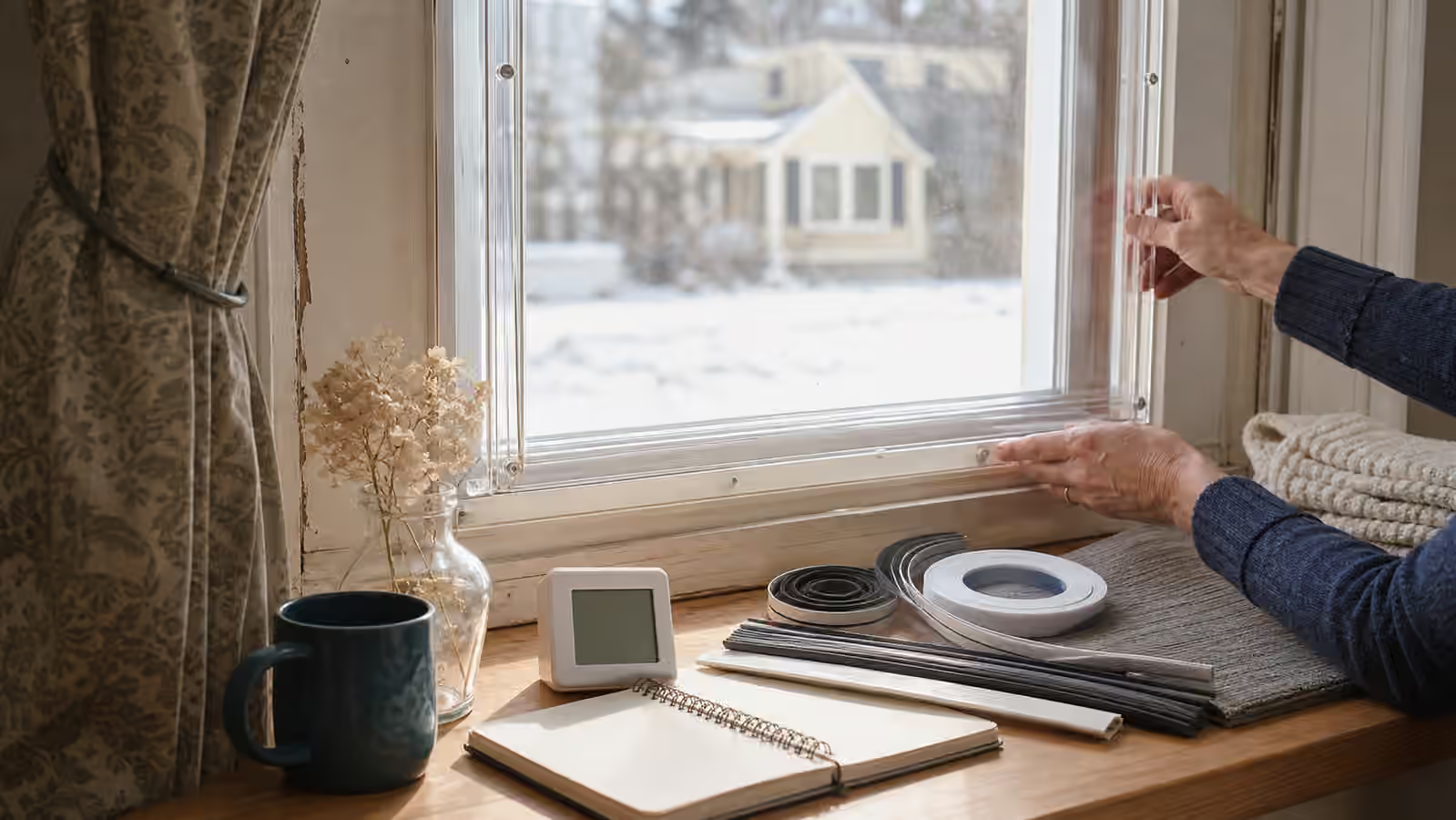
Interior window inserts and storm windows create an added air space between the room and the cold exterior. That can reduce drafts and improve surface comfort when installed well. Some are seasonal and removable. Some are permanent exterior storms. Some are simple shrink-film kits. Some are rigid panels with seals. Their quality, fit, durability, appearance, ventilation effects, and ease of use vary widely.
The energy lesson is that the seal matters as much as the material. A loose panel can rattle, leak, or trap moisture in awkward places. A careful insert can make a seating area feel calmer. Shrink film can be a low-cost seasonal test, especially for a window that is rarely opened. A well-maintained storm window can preserve an older window system and improve comfort without immediate full replacement.
These options should be considered before assuming every drafty room needs new windows. Replacement may still be the right answer for damaged, failing, unsafe, or unrepairable units. But when the main goal is winter comfort, a layered approach can provide evidence. If an insert dramatically improves a room, the homeowner has learned that glass and leakage at that opening mattered. If it barely helps, the room may have a different problem.
Curtains help only when they are used thoughtfully
Curtains and shades can improve comfort, but they can also create condensation pockets if warm indoor air reaches cold glass and then gets trapped. Heavy curtains pulled tightly over a leaky or cold window may make the room feel better while hiding moisture on the pane or frame. Cellular shades can add useful insulation, but side gaps, fit, and daily use matter.
The practical approach is to observe the window after a cold night. Is condensation present? Does it dry during the day? Is moisture collecting on the frame, sill, or wall? Does the room have high humidity from showers, cooking, people sleeping, plants, humidifiers, or poor ventilation? Ventilation Planning After Air Sealing becomes relevant because tighter homes and winter moisture interact.
Humidity is comfort and risk at the same time. Air that is too dry can feel uncomfortable. Air that is too humid for the window temperature can condense. A small humidity meter gives context, but the window itself is also evidence. Persistent condensation or staining deserves attention rather than being dismissed as a curtain problem.
Window replacement should not skip the envelope
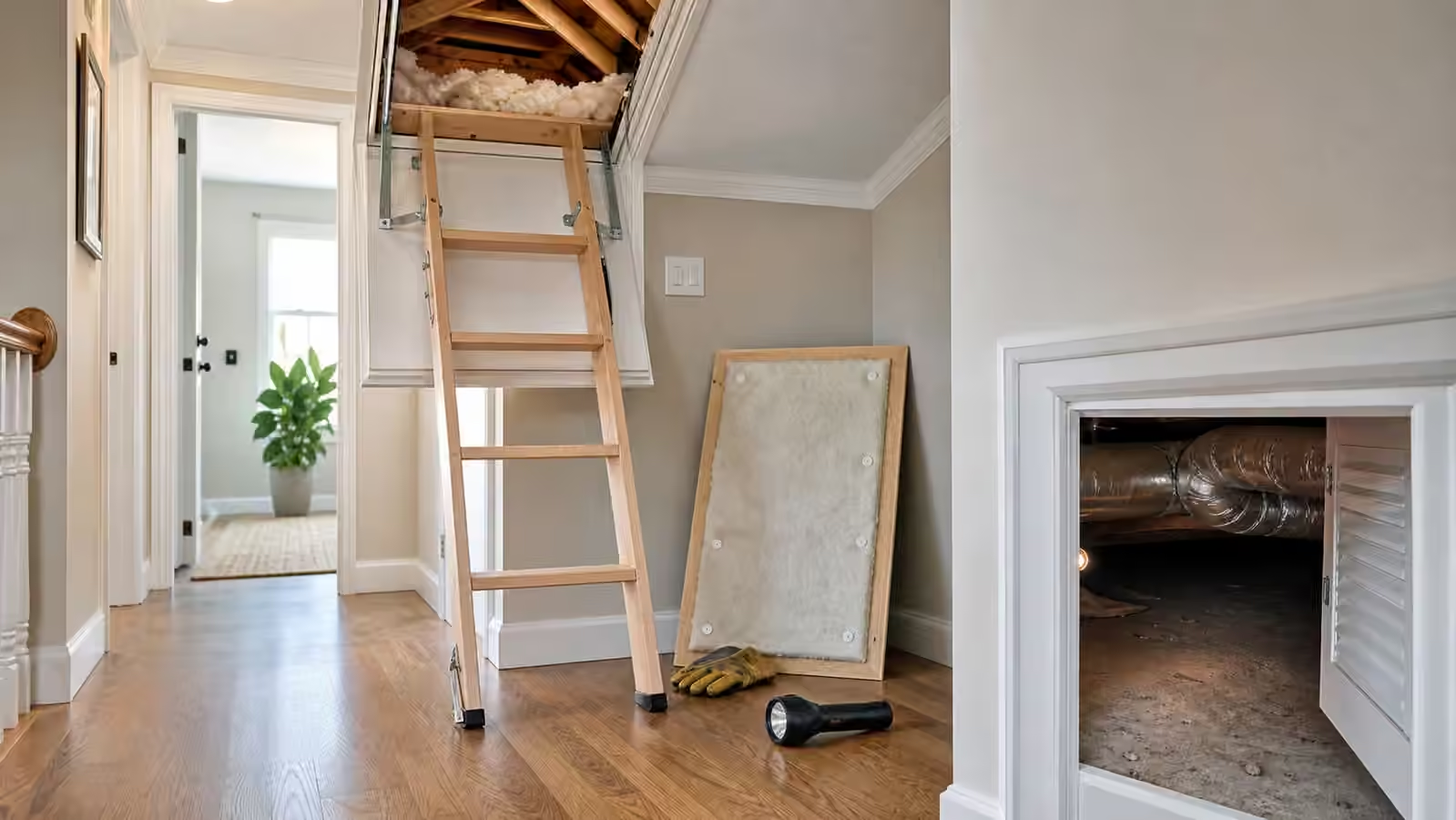
New windows can improve comfort, operation, noise, and appearance. They can also be a poor first energy investment if the house has large leaks elsewhere. An attic hatch, recessed light, rim joist, crawlspace gap, or duct problem may waste more energy than the windows. Attic and Crawlspace Energy Priorities helps keep the visible window from stealing attention from hidden losses.
This does not mean windows never matter. It means window replacement should be judged against the whole house and the room experience. If windows are failing, leaking water, unsafe, impossible to operate, or causing persistent comfort problems, they may deserve priority. If the goal is mainly lower bills, the homeowner should compare them with air sealing, insulation, ducts, controls, and equipment maintenance before assuming glass is the largest lever.
Installation quality is also part of energy performance. A good window installed poorly can leak. Trim, flashing, air sealing, and drainage details matter. Homeowners do not need to become installers, but they should ask how the opening will be sealed and how the work connects to the rest of the wall.
Watch winter and summer together
Winter comfort is only half the window story. A treatment that helps at night in January may affect solar gain, daylight, ventilation, and cooling in summer. Window Shading and Solar Heat Gain covers the warm-weather side. The strongest window plan respects both seasons.
A south-facing window may be useful in winter and troublesome in summer. A west-facing room may need exterior shade or schedule changes more than extra winter insulation. A bedroom may need nighttime insulation and morning ventilation. A kitchen may need operability more than a fixed seasonal insert. The right answer is tied to the room’s job.
Winter window work succeeds when the room feels less harsh and the building remains dry, safe, and understandable. Start by separating drafts from cold surfaces. Prioritize the rooms where people actually feel the problem. Use inserts, storms, curtains, and air sealing as diagnostic tools as well as improvements. Then reserve full replacement for windows and budgets where the whole-house case is strong.